










What Is a Stem Cell Hair Transplant? Who Is It Suitable For?
Learn what a stem cell hair transplant involves, how it differs from FUE, who may be a suitable candidate, expected results, risks and important limitations.

- Last updated
- 155 reads
- 9 min read
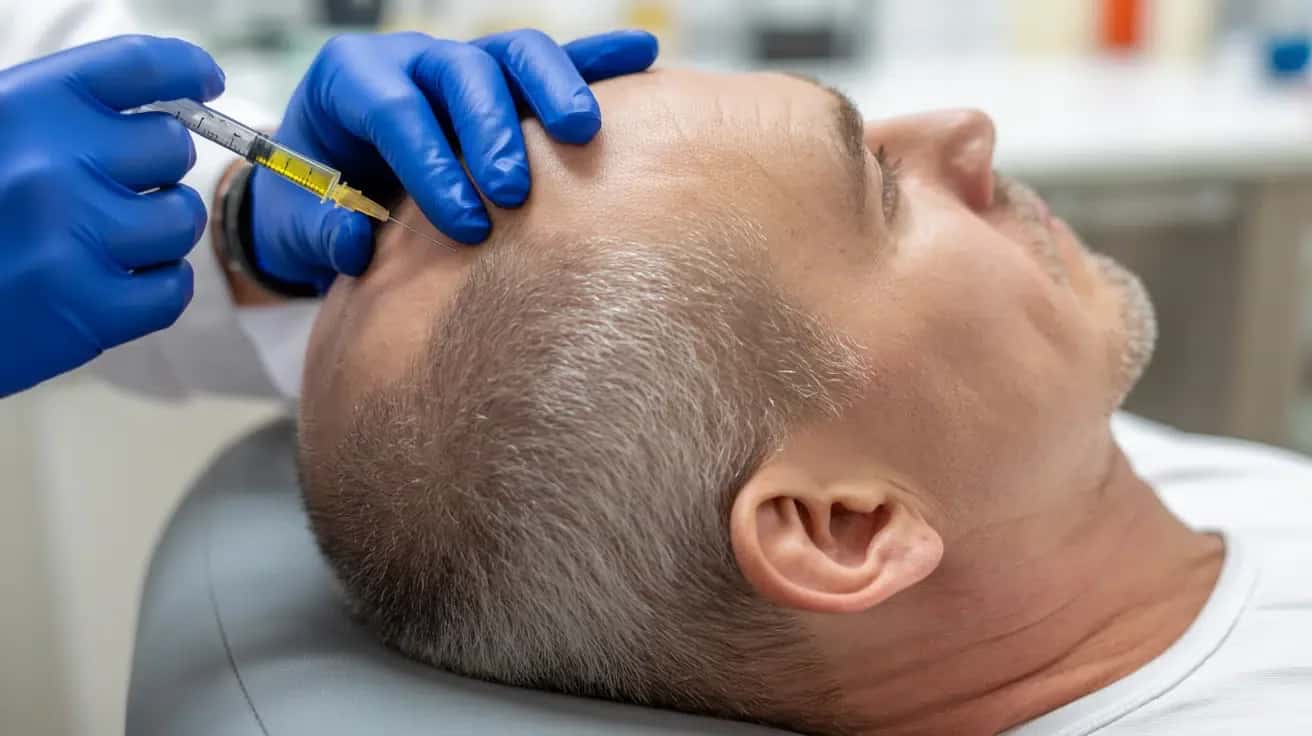


A stem cell hair transplant is often promoted as a new approach to hair restoration, but the name can be misleading. It may suggest that a clinic can create an unlimited number of new hair follicles from stem cells and place them across the scalp. In routine practice, however, the term usually describes one of several regenerative procedures intended to support existing follicles or accompany a conventional hair transplant.
Depending on the clinic, “stem cell hair transplant” may refer to scalp-derived cellular micrografts, fat-derived cell preparations, conditioned media or another biological product. Some clinics also use the term for a standard FUE procedure combined with a regenerative injection. These techniques are not identical, so you should learn exactly what is being offered before comparing prices or expected results.
Research into stem cells and hair regeneration is developing, and some early studies have reported improvements in hair density or shaft thickness. However, protocols remain inconsistent, long-term evidence is limited, and not every commercial treatment has undergone the same level of testing. Stem cell-based hair restoration should therefore be approached as an emerging field rather than a guaranteed cure for baldness.
What Is a Stem Cell Hair Transplant?
Stem cells are cells capable of self-renewal and, under suitable conditions, developing into more specialised cell types. Hair follicles naturally contain several cell populations involved in growth, repair and the repeated hair cycle.
In pattern hair loss, follicles do not necessarily disappear immediately. Many gradually become smaller and produce finer, shorter hairs. Researchers are studying whether cell-based treatments or the biological signals released by certain cells can influence this environment and encourage weakened follicles to produce stronger hair.
A procedure marketed as a stem cell hair transplant may aim to collect a small amount of tissue from your scalp or another part of your body, process that tissue and return a cell-rich preparation to thinning areas. In other cases, the clinic may use a manufactured product described as stem cell-derived.
This is different from simply moving intact follicles from the back of the scalp to a bald area. Conventional transplantation redistributes existing follicles; it does not multiply them. True laboratory generation of large numbers of new, fully functional follicles for routine transplantation remains a research objective rather than a widely available standard service.
Why Is the Term Used for Different Procedures?
There is no single universal procedure performed under the name “stem cell hair transplant.” Clinics may use the phrase for considerably different treatments.
One approach involves taking several tiny tissue samples from an area containing healthy hair follicles. The tissue is mechanically processed into a suspension containing small cellular and tissue fragments. The preparation is then injected into thinning parts of the scalp. This may be described as an autologous micrograft treatment because the material comes from your own body.
Another method uses fat tissue, usually obtained through a small liposuction procedure. The tissue may be processed to produce a preparation containing stromal and regenerative cells. Some procedures combine this preparation with platelet-rich plasma.
Other clinics use conditioned media, secretome products or exosomes. These products contain substances released by cells but may not contain living stem cells. Calling all of them “stem cell treatment” can make comparison difficult.
A clinic may also perform FUE or DHI hair transplantation and apply a regenerative preparation during the same session. In this case, the main source of new coverage is still the transplanted follicular grafts. The additional treatment is intended to support healing or existing hair rather than replace the transplant itself.
How Is the Procedure Performed?
The steps depend on the specific technique. You should not assume that every clinic follows the same process.
If scalp-derived micrografts are planned, the doctor may remove a few small pieces of tissue from a hair-bearing area under local anaesthesia. These samples are processed using a specialised device. The resulting preparation is injected across selected thinning areas.
If fat-derived material is used, a small amount of fat may be removed from the abdomen, thigh or another suitable location. This adds a donor procedure and creates separate recovery considerations, including bruising, tenderness and infection risk at the collection site.
When a conventional hair transplant is combined with regenerative treatment, follicular units are usually harvested through FUE or strip surgery and transferred to the recipient area. The cell-based preparation may be injected before, during or after graft placement.
Some treatments require one session, while others are offered as a course of injections. Because there is no universally accepted dose, preparation method or treatment interval, you should ask why the clinic has chosen its particular protocol.
How Does It Differ from FUE and DHI?
FUE is a technique used to harvest individual follicular units from a donor area. Small openings are created around the follicles, and the grafts are removed one by one before being implanted into areas of hair loss.
DHI generally refers to the implantation of harvested follicles with a pen-shaped device. The follicles still need to be obtained from a donor area, commonly through an FUE-style extraction process.
Both methods physically relocate intact, genetically resistant hair follicles. Their ability to cover bald areas depends heavily on donor density, hair characteristics and careful surgical planning.
Stem cell-based hair restoration is usually intended to influence existing follicles or the tissue environment. It may be considered for thinning areas where miniaturised hairs are still present. It cannot be assumed to create the same coverage as thousands of transplanted follicular grafts.
When a clinic offers a “stem cell FUE transplant,” ask which part of the treatment is standard transplantation and which part is experimental or regenerative. This distinction affects the expected result, cost and evidence supporting the procedure.
Who May Be Suitable for Stem Cell Hair Restoration?
You may be considered for the procedure when you have early or moderate androgenetic alopecia, commonly known as male or female pattern hair loss. Areas containing weakened but still active follicles may be more likely to respond than completely smooth, long-standing bald areas.
Potential candidates often include people who:
- Have been properly diagnosed with pattern hair loss
- Still have miniaturised hairs in the treatment area
- Have realistic expectations about density
- Are in generally stable health
- Do not have an active scalp infection
- Understand that repeat treatment may be proposed
- Accept that the evidence is still developing
Some studies have explored autologous hair follicle-derived mesenchymal stem cells, adipose-derived preparations and cell-secreted products for androgenetic alopecia. The results have created scientific interest, but ongoing registered trials show that researchers are still determining which patients benefit, how long results last and which protocols are safest.
If you are considering a conventional transplant with a regenerative addition, you must also have a suitable donor area. Stem cell terminology does not remove the need for adequate donor follicles when actual graft transplantation is planned.
Who May Not Be a Good Candidate?
You may not be suitable if your hair loss has not been correctly diagnosed. Sudden shedding can occur because of illness, emotional stress, childbirth, medication, nutritional deficiencies or thyroid problems. Injecting a regenerative product without investigating the cause may delay appropriate treatment.
Active scarring alopecia also requires particular caution. In these conditions, inflammation can permanently damage follicles. A transplant or injection performed while the disease is active may produce disappointing results or worsen irritation.
Other reasons to delay or avoid treatment may include:
- Active dermatitis, folliculitis or scalp infection
- Poorly controlled diabetes
- A bleeding disorder or unsuitable medication profile
- Unrealistic expectations of full juvenile density
- Severe hair loss with few remaining follicles
- An inadequate donor area for transplantation
- Known allergy to a component of the proposed product
- An inability to follow aftercare instructions
A history of autoimmune disease, cancer or immune-suppressing treatment does not automatically rule out every procedure, but it requires careful medical assessment. Elective treatment may also be postponed during pregnancy or while a new medical condition is being investigated.
Can It Restore Completely Bald Areas?
This is one of the most important questions to ask. A scalp area that appears thin may still contain miniaturised follicles. A regenerative treatment might aim to improve the performance of those follicles.
A completely bald area is different. If functioning follicles are no longer present, injections cannot be assumed to rebuild a full hair-bearing scalp. Conventional transplantation may be needed to move follicles into that area, provided you have an adequate donor supply.
Claims that a small tissue sample can routinely produce unlimited new hair should be treated with caution. Hair follicle multiplication and organ regeneration are technically complex. Researchers are still working on maintaining the necessary characteristics of follicular cells during culture and forming follicles that grow consistently in human skin.
What Results Can You Expect?
Any improvement is likely to develop gradually. Hair grows in cycles, so you should not expect a major visual change within days or a few weeks.
A clinic may monitor hair density, shaft diameter and standardised photographs over several months. Changes can be difficult to judge through casual mirror checks because lighting, hairstyle and hair length alter the appearance of density.
Your response may depend on your age, type of hair loss, degree of follicle miniaturisation and whether you continue established medical treatment. Some patients may notice thicker-looking hair, while others may experience little visible change.
The durability of results is not yet clearly established for many cell-based protocols. Pattern hair loss is progressive, meaning untreated follicles can continue to miniaturise. A regenerative procedure should not automatically be viewed as a permanent, one-session solution.
What Are the Possible Benefits?
The proposed advantages depend on the technique. An injection-only treatment may involve less downtime than a full transplant. When your own tissue is used, the risk of an immune reaction may be lower than with material obtained from another person, although processing and injection still introduce risks.
For patients with early thinning, the aim may be to support existing follicles before large bald areas develop. When used with a conventional transplant, regenerative treatment may be promoted as a way to support tissue recovery or improve the surrounding scalp environment.
These are potential benefits, not guaranteed outcomes. Marketing photographs should not replace clinical evidence, especially when images use different lighting, hair length or styling.
What Are the Risks?
Possible side effects include pain, tenderness, swelling, bruising, temporary redness, itching and bleeding at injection or collection sites. Any procedure that breaks the skin can introduce infection.
Uneven injection, poor sterile technique or inappropriate preparation may lead to inflammation, nodules or prolonged discomfort. Fat collection creates additional risks at the donor site. A standard hair transplant also carries risks such as folliculitis, temporary shedding, scarring, numbness and unnatural growth direction.
Manufactured or donor-derived products raise further questions about contamination, immune reactions, source material and quality control. Regulatory authorities warn that many regenerative medicine products are marketed without the necessary approval and that unapproved stem cell products can cause serious adverse events.
How Should You Choose a Clinic?
Begin by asking what the clinic means by “stem cell hair transplant.” Request the exact name of the product or processing system and find out whether it contains living cells, tissue fragments, conditioned media or exosomes.
You should also ask:
- Where is the biological material obtained?
- Is it taken from your own body or supplied by a manufacturer?
- Who performs the collection, processing and injections?
- Is the product approved for this use in your country?
- What published evidence supports this exact protocol?
- How are sterility and storage controlled?
- What happens if you develop an adverse reaction?
- Is a standard hair transplant included in the quoted price?
- How will the clinic measure your results?
Be cautious when the consultation focuses on sales before a diagnosis has been made. A reputable assessment should include your medical history, pattern of hair loss, scalp condition and available donor density.
You should also be wary of guarantees, claims of unlimited donor hair and promises that no further hair loss will occur.
Is It a Replacement for Established Hair-Loss Treatment?
Stem cell-based treatment should not automatically replace established options. Depending on your diagnosis, medical management, conventional transplantation or a combination may offer more predictable evidence.
Some regenerative approaches may eventually become useful additions to standard care. Current reviews describe encouraging findings but also note small study groups, inconsistent preparation methods and the need for better long-term trials.
Stopping an effective treatment simply to try a commercial stem cell package may allow ongoing hair loss to progress. Any change should be discussed with a qualified clinician familiar with your medical history.
- Last updated
- Language
- English
How did you find this article?
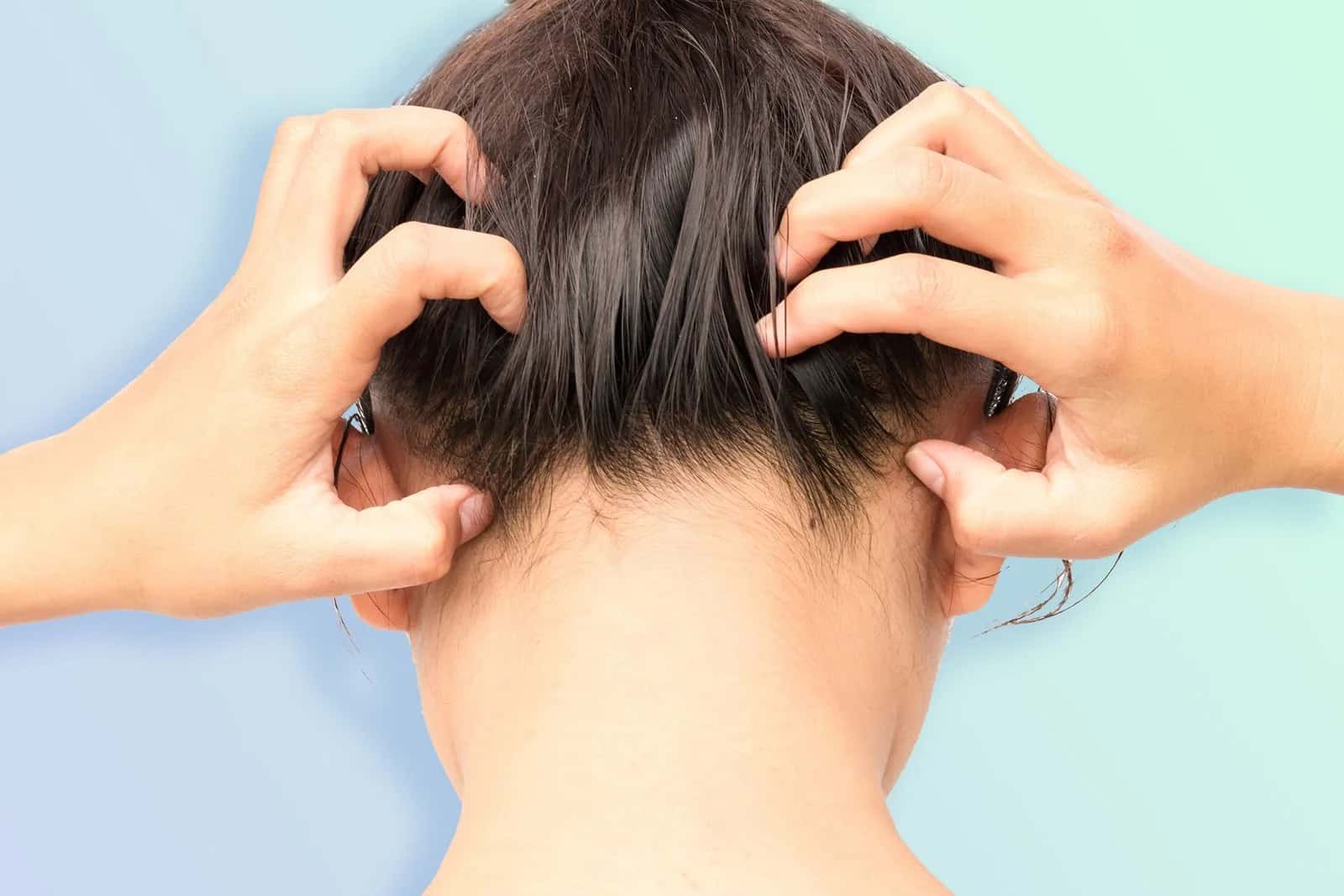
Air conditioning can dry out your scalp by reducing indoor humidity and affecting the skin's ability to maintain adequate moisture. Prolonged exposure to dry, cooled air may contribute to itching, flaking, tightness, and irritation, particularly when the scalp is already sensitive or prone to dryness.
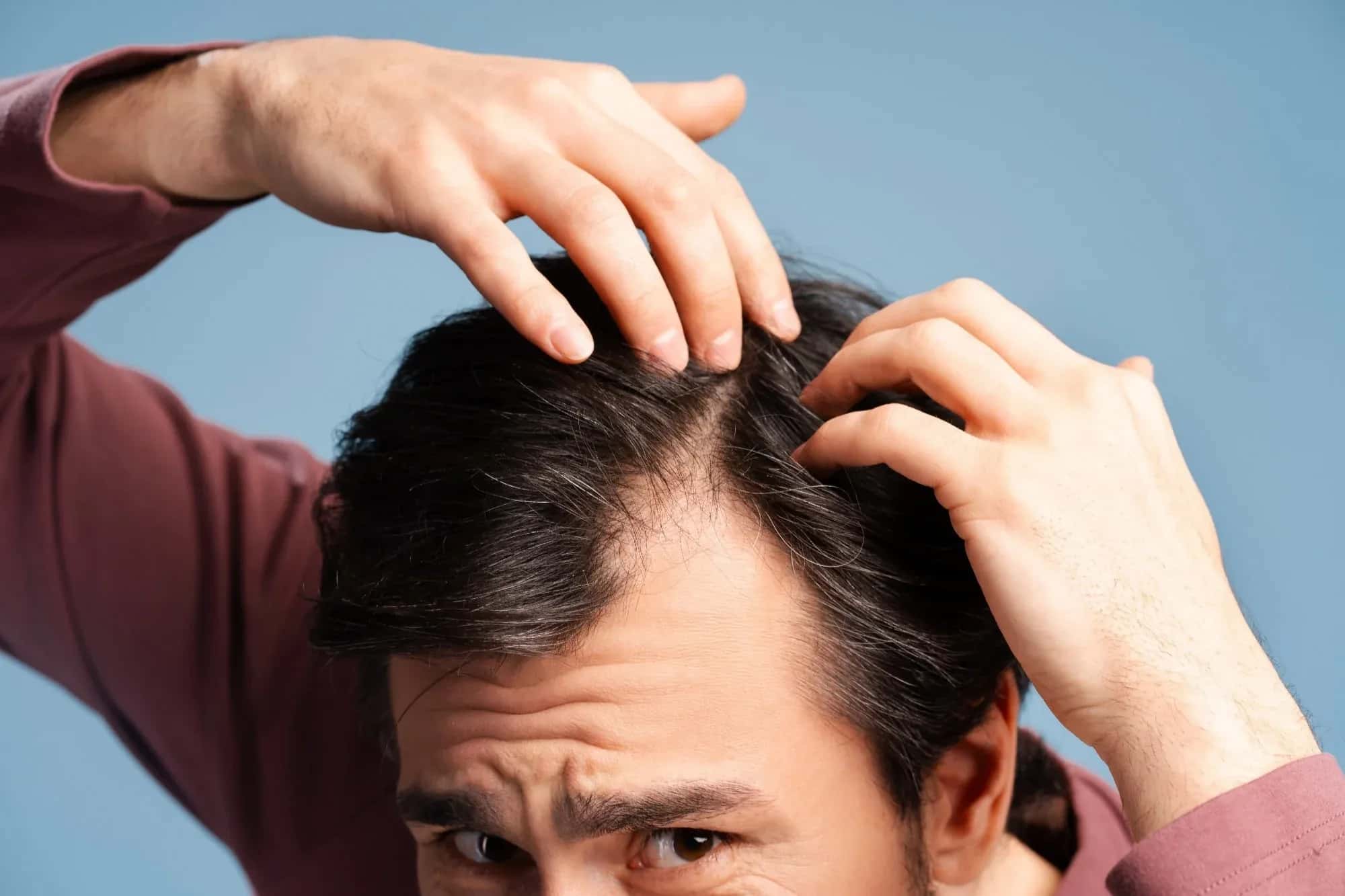
Certain dietary supplements can cause hair loss when taken in excessive amounts, particularly products containing high doses of vitamin A, selenium, or other concentrated nutrients. While supplements can help correct nutritional deficiencies that affect hair growth.
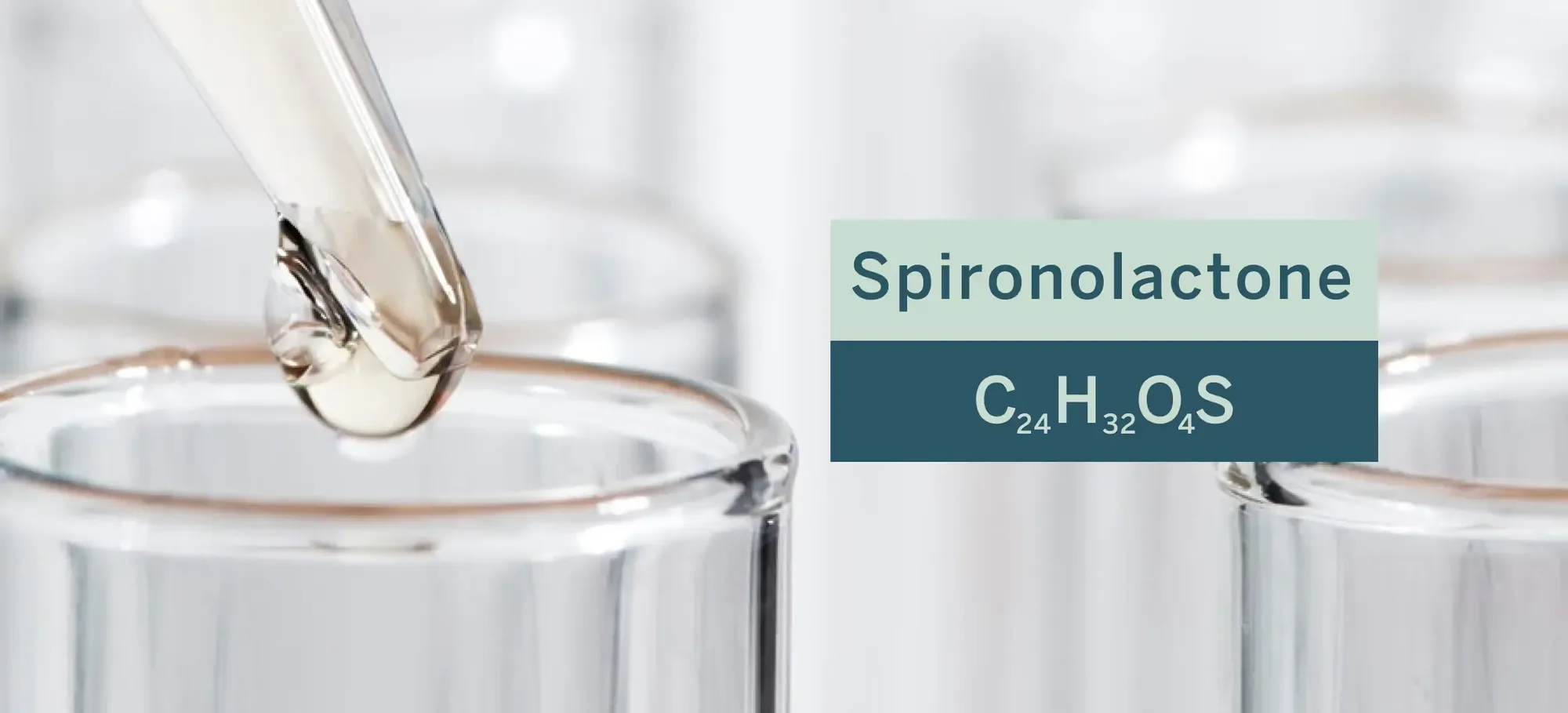
Spironolactone for female hair loss can help slow progressive thinning and improve hair density by reducing the effects of androgens on sensitive hair follicles. Although this prescription medication is not specifically approved for hair loss, clinical research supports its use in selected women.
Subscribe to the Medifinder newsletter and never miss our latest content.