










Does Lip Filler Dissolve on Its Own?
Does lip filler dissolve on its own? Learn how long lip filler lasts, what affects breakdown and when professional dissolving may be necessary.

- Last updated
- 117 reads
- 9 min read


Lip filler does dissolve on its own in many cases, especially when the treatment uses a temporary hyaluronic acid gel. Your body gradually breaks the product down, so the added volume and definition usually fade rather than disappearing suddenly.
How quickly lip filler dissolves on its own depends on the product, injection technique, amount used and your individual biology. Lip movement can also influence how long the visible result lasts. Some people notice a clear reduction within several months, while others retain shape or small amounts of filler for much longer.
Most modern lip treatments use hyaluronic acid because it provides soft volume and can also be dissolved professionally when necessary. However, not every filler contains this material, and not every unwanted result requires immediate dissolving.
How Hyaluronic Acid Lip Filler Breaks Down
Hyaluronic acid occurs naturally in the body and helps tissues retain water. Manufacturers modify and cross-link it to create an injectable gel that remains in the tissue longer than natural hyaluronic acid.
After injection, enzymes and normal metabolic processes gradually break the gel into smaller components. The body then absorbs and clears those components over time.
This process does not usually happen at an even rate. Your lips may lose some of their initial fullness while still retaining a smaller amount of product. The border may appear less defined before the central volume completely fades, or one area may seem to change faster than another.
The visible result also includes water attracted by the gel. As the filler breaks down and holds less water, your lips may look smaller even though a limited amount of material remains within the tissue.
How Long Does Lip Filler Take to Dissolve Naturally?
Many hyaluronic acid lip fillers produce a visible effect for approximately six to twelve months. Some products or treatments may last longer, while very soft gels can appear to fade sooner.
These figures describe an average cosmetic effect rather than a guaranteed point when every trace of filler disappears. You may stop noticing the enhancement before your body has completely cleared the product.
The lips move constantly during speaking, eating and facial expression. This activity may contribute to faster loss of visible volume compared with filler placed in less mobile facial areas. However, movement does not make every product disappear at the same speed.
Repeated treatments can also change the timeline. If you receive top-ups before the previous filler has fully broken down, small amounts may accumulate. The result may then remain noticeable for longer than you expected.
What Determines How Long Lip Filler Lasts?
The filler formula plays a major role. Different products have different levels of firmness, concentration and cross-linking. A highly flexible gel designed for natural movement may behave differently from a more structured product.
The injected amount also matters. A 0.5 mL treatment may appear to fade sooner than a 1 mL treatment because the starting change is more subtle. This does not necessarily mean that your body processes the smaller amount at a dramatically faster rate.
Injection depth and placement influence longevity as well. Filler placed superficially near the border may produce a different visual timeline from product injected into the body of the lip.
Your metabolism, treatment history and tissue characteristics add further variation. Two people can receive the same product and amount from the same practitioner yet retain visibly different results.
Lifestyle may influence the appearance of your lips, but no reliable formula can predict filler longevity from exercise level or metabolic rate alone.
Do All Types of Lip Filler Dissolve on Their Own?
Not every injectable filler behaves like hyaluronic acid. This difference makes it important to know exactly which product your practitioner used.
Hyaluronic acid fillers gradually biodegrade and can usually respond to an enzyme called hyaluronidase. These properties make them a common choice for lip enhancement.
Other biodegradable fillers may stimulate collagen or use materials that break down through different biological processes. Hyaluronidase cannot remove these products.
Permanent or non-biodegradable fillers do not dissolve naturally in the same way. Removing them can prove difficult and may require specialist management or surgery. Some substances should not be used in the lips because they carry greater long-term risks.
Ask for the brand name and product details before treatment. Keep this information in your records, especially if you plan to visit a different clinic later.
How Can You Tell That Lip Filler Is Wearing Off?
You may first notice less definition around the lip border or Cupid’s bow. The lips may also lose some projection and begin returning toward their original proportions.
The change usually occurs gradually. Most people do not wake up one morning to find that the entire result has disappeared.
Photographs can help you judge the process more accurately. Compare pictures taken before treatment, after the swelling settled and several months later. Use similar lighting and facial expressions whenever possible.
Your perception can adapt to fuller lips, which may make the result seem to disappear faster than it actually has. You may feel that your lips look small simply because you have become accustomed to the enhanced shape.
A practitioner can examine the tissue when you remain unsure whether filler is still present. Ultrasound may help locate residual product in complicated cases, although most routine assessments do not require imaging.
Can Lip Filler Remain Longer Than Expected?
Hyaluronic acid filler can sometimes remain detectable longer than the period during which manufacturers expect a visible cosmetic effect. Research using imaging has identified residual filler years after treatment in some facial areas.
Evidence about very long persistence often comes from areas such as the cheeks rather than the highly mobile lips, so the same timeline does not apply automatically to every lip treatment. Still, the findings show why practitioners should not assume that all previous filler has disappeared simply because a year has passed.
Repeated top-ups can create another reason for long-lasting volume. Each appointment may add product before the body has fully cleared the earlier injections.
This accumulation can gradually blur the lip border, increase projection or create fullness above the upper lip. Before recommending more filler, an experienced practitioner should review your previous treatments and examine the current shape carefully.
Can You Make Lip Filler Dissolve Faster at Home?
No reliable home method can safely dissolve hyaluronic acid filler on demand. Drinking more water, exercising heavily, using heat or massaging the lips will not produce the controlled breakdown that a medical dissolving treatment can achieve.
Massage may help selected early irregularities when your injector recommends it. However, aggressive pressure can worsen swelling, bruising or product displacement. Do not massage a painful, inflamed or discoloured area.
Saunas and intense exercise can temporarily increase swelling or blood flow, but they do not offer a predictable way to remove filler. Home devices, needles and products sold online create unnecessary risks.
When you dislike the result, contact a qualified practitioner instead of attempting to change it yourself. The appropriate response may involve waiting for swelling to settle, monitoring the filler or arranging professional dissolving.
How Does Professional Lip Filler Dissolving Work?
A trained medical professional can inject hyaluronidase to break down hyaluronic acid filler. The enzyme separates the gel so that the body can absorb it more easily.
The amount required depends on the filler type, location, quantity and reason for treatment. A small irregularity may need targeted treatment, while widespread overfilling can require a broader approach.
Results can begin quickly, but swelling after hyaluronidase may temporarily distort the appearance. You may need to wait for the tissue to settle before deciding whether further treatment is necessary.
One session does not always remove all the filler. Highly cross-linked products, large quantities or filler spread across several tissue layers may require additional treatment.
Hyaluronidase can also cause side effects, including swelling, bruising and allergic reactions. Only an appropriately trained professional should administer it in a clinical setting.
When Should You Dissolve Lip Filler?
You may consider dissolving when healed filler creates persistent lumps, excessive projection, visible migration or an unwanted shape. Dissolving can also help when a practitioner needs to remove old product before creating a new treatment plan.
Do not rush to dissolve ordinary swelling during the first few days. Freshly treated lips can look uneven, firm and much larger than the final result. Unless a complication exists, allow the initial healing period to pass before making a cosmetic decision.
Delayed inflammatory nodules require careful assessment. A red or tender lump may involve inflammation or infection rather than a simple pocket of filler. The practitioner must identify the likely cause before choosing treatment.
Dissolving should address a clear concern, not pressure you into repeatedly removing and reinjecting filler without allowing the tissue to recover.
When You Should Not Wait for Filler to Dissolve Naturally
You should not wait for natural breakdown when symptoms suggest reduced blood supply. A vascular occlusion can occur when filler enters or compresses a blood vessel.
Warning signs may include severe or worsening pain, pale skin, blotchy purple or grey discolouration, cool tissue, blisters or delayed skin darkening. These symptoms require immediate professional assessment.
Any visual disturbance, sudden vision loss, severe headache, weakness, confusion or difficulty speaking after filler treatment requires emergency medical care.
Increasing redness, heat, swelling, pus or fever may indicate infection. A painful lump that becomes worse instead of improving also deserves prompt evaluation.
Natural dissolution takes months. Serious complications can damage tissue much sooner, so urgent symptoms require urgent treatment.
What Should You Do Before Getting More Filler?
Allow the previous treatment to settle before arranging a top-up. Early swelling can make it difficult to judge the true amount of volume and symmetry.
Tell your practitioner when you received your last treatment, which product was used and how much you received. Include filler placed by other clinics, even when the appointment took place several years ago.
Ask the practitioner to assess whether your lips still contain enough product. Adding more filler to tissue that already looks crowded can increase the risk of migration, heaviness and an unnatural border.
A conservative approach often produces a more sustainable result. You do not need to repeat treatment simply because a standard number of months has passed. Base the decision on your current anatomy rather than a fixed calendar.
Frequently Asked Questions
Does lip filler ever completely disappear?
Temporary hyaluronic acid filler gradually breaks down, but the exact point of complete clearance is difficult to identify without imaging. The visible enhancement may disappear before every trace of product has gone.
Can lip filler last for several years?
Some residual hyaluronic acid filler may persist longer than expected. This appears more likely after repeated treatments or when a longer-lasting product is used. The visible lip result may still reduce considerably during that time.
Does massaging your lips dissolve filler?
Massage does not chemically dissolve filler. It may redistribute selected early irregularities when a practitioner recommends it, but unsupervised pressure can worsen swelling or displacement.
Can hyaluronidase dissolve permanent filler?
No. Hyaluronidase breaks down hyaluronic acid filler. It does not dissolve silicone, permanent fillers or every collagen-stimulating product.
Will your lips look stretched after filler dissolves?
Most lips gradually move toward their previous appearance after modest filler treatments. Repeated overfilling, ageing and natural tissue changes can affect how they look afterward. Significant looseness remains less common after conservative treatment.
Can filler dissolve unevenly?
Yes. Different areas may lose volume at different rates because of product distribution, movement and tissue characteristics. Uneven fading does not always indicate migration or a complication.
How soon can you refill your lips after dissolving?
The appropriate waiting period depends on why the filler was dissolved and how your tissue responds. Your practitioner should confirm that swelling and inflammation have settled before reinjecting.
Is dissolving lip filler painful?
Hyaluronidase injections can sting and may cause temporary tenderness or swelling. Practitioners may use methods to improve comfort, but the experience varies between patients.
- Last updated
- Language
- English
How did you find this article?
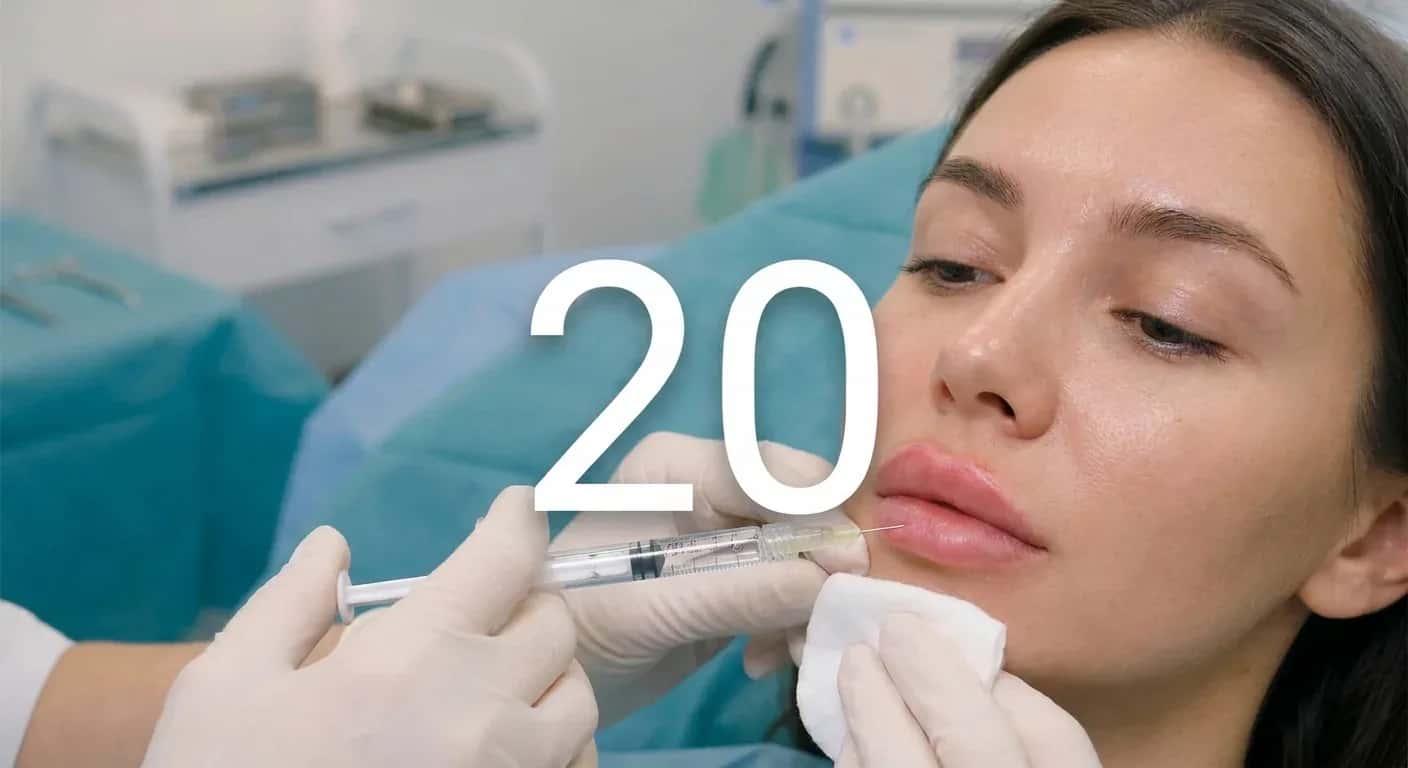
Many singers, actors, reality stars and influencers have talked openly about getting lip filler, and a growing number have also shared why they later had it dissolved. This guide looks at what 20 of these public figures said about their own lip treatments and what their experiences can teach anyone considering filler.


Filler fatigue describes the point where repeated dermal filler treatments leave a face looking heavier, puffier or less like itself, and it is pushing many people to rethink how they approach injectables. This guide explains what causes it, how to recognize an overfilled face.

Overfilled faces develop when injectable treatments add more volume than the facial anatomy can accommodate naturally, altering contours, proportions and sometimes facial expression.
Subscribe to the Medifinder newsletter and never miss our latest content.