










Wellbutrin Hair Loss: Does Wellbutrin Cause Hair Loss?
Wellbutrin may cause hair loss in some people, but it is generally considered an uncommon side effect rather than something most patients experience. The active ingredient in Wellbutrin is bupropion, an antidepressant also used in certain cases for smoking cessation and mood-related conditions.

- Last updated
- 64 reads
- 10 min read


Can Wellbutrin Cause Hair Loss?
Wellbutrin can be associated with hair loss in some patients, but it does not happen to everyone. Hair loss has been reported with bupropion, yet that does not prove the medication is the cause in every case. Reports show a possible connection, not a guaranteed reaction.
Medication-related hair loss often appears as diffuse shedding rather than one clear bald patch. Patients may notice the whole scalp feels thinner, the part looks wider, or the ponytail becomes smaller. This kind of shedding can be emotionally difficult, especially when the medication is otherwise helping mood, motivation, or energy.
A doctor will usually consider the timing first. Did shedding begin after starting Wellbutrin? Did it appear after a dose increase? Were there other triggers during the same period? These questions help separate possible medication-related shedding from other common causes.
Why Might Wellbutrin Affect Hair?
The most likely explanation for Wellbutrin-related hair loss is a disturbance in the normal hair cycle. Hair follicles move through growth, transition, resting, and shedding phases. When the body experiences a trigger, more hairs may shift into the resting phase at the same time. Several weeks later, those hairs shed.
This pattern is often called telogen effluvium. It can happen after emotional stress, illness, surgery, childbirth, rapid weight loss, diet changes, medication changes, or significant life events. A medication may act as a trigger in some people, but the same pattern can also come from the condition being treated.
Wellbutrin affects brain chemicals related to mood and energy. It may also influence appetite, sleep, and weight in some patients. Changes in eating patterns, stress level, or sleep quality can indirectly affect hair health. This is why a full review matters before blaming the medication alone.
Is Wellbutrin Hair Loss Common?
Wellbutrin hair loss is not usually described as a common side effect. More familiar side effects may include dry mouth, insomnia, headache, nausea, sweating, agitation, or changes in appetite. Hair loss is less frequent, but patients who experience it may find it very distressing.
The problem with estimating frequency is that hair shedding has many causes. A person may start Wellbutrin during a difficult emotional period, and that same period may trigger telogen effluvium. Another patient may have early androgenetic alopecia that becomes more noticeable around the same time. Someone else may have iron deficiency, thyroid imbalance, or low protein intake.
Because of this overlap, the true cause is not always obvious. A medical evaluation can help avoid unnecessary medication changes and identify treatable factors.
When Does Hair Loss Usually Start?
If Wellbutrin contributes to hair loss, shedding may begin several weeks to a few months after starting the medication or changing the dose. This delay happens because hair follicles do not shed immediately after a trigger. They first shift into a resting phase, then release later.
This delayed timing often confuses patients. They may think the medication cannot be involved because the shedding did not start right away. On the other hand, they may assume Wellbutrin is definitely responsible because it was the most recent major change.
A simple timeline can help. Write down the date Wellbutrin was started, the dose, any dose changes, when shedding began, and whether anything else happened in the previous three months. Include illness, fever, weight loss, diet changes, major stress, new supplements, new prescriptions, childbirth, surgery, or changes in sleep.
What Does Wellbutrin Hair Loss Look Like?
Wellbutrin-related shedding, when it occurs, often looks like increased hair fall across the scalp. Patients may see more strands after washing or brushing. Hair may feel thinner overall rather than disappearing from one small area.
This pattern is different from classic male pattern baldness, which usually affects the hairline, temples, and crown. It is also different from alopecia areata, which may cause round patches. However, different types of hair loss can overlap. For example, telogen effluvium can make existing genetic thinning look worse.
Scalp symptoms also matter. Itching, burning, scaling, redness, pain, or patches may suggest another condition. A dermatologist can examine the scalp and decide whether the pattern fits medication-related shedding or something else.
Could Depression Itself Cause Hair Loss?
Yes, depression and emotional stress can contribute to hair loss. Many patients start Wellbutrin during a period of low mood, anxiety, poor sleep, appetite change, fatigue, or major life stress. These same factors can affect the hair cycle.
Stress-related shedding often appears two to three months after the trigger. The patient may begin medication around the same time, making the cause difficult to identify. In some cases, the medication is blamed when the body was already responding to stress.
This does not mean the patient is imagining the hair loss. The shedding is real. The key point is that the cause may be broader than one medication. Treating the underlying depression, improving sleep, restoring nutrition, and reducing stress may support hair recovery.
Can Weight Loss Make Shedding Worse?
Wellbutrin can reduce appetite or contribute to weight loss in some patients. Rapid weight loss, low calorie intake, and low protein intake can trigger hair shedding, even when the medication does not directly affect the follicles.
Hair is sensitive to nutritional stress. When the body receives less energy or fewer nutrients, it may shift hair growth into a lower priority state. This can lead to diffuse shedding several weeks later.
Patients who notice hair loss while taking Wellbutrin should review appetite, diet quality, protein intake, and weight changes. If meals became smaller or less balanced after starting the medication, nutrition may be part of the problem. A clinician may recommend blood tests or dietary adjustments when appropriate.
Should You Stop Taking Wellbutrin?
Patients should not stop Wellbutrin suddenly without speaking to the prescribing doctor. Abruptly stopping antidepressants can worsen mood, anxiety, energy, sleep, and overall stability. It may also cause uncomfortable symptoms depending on the individual situation.
If hair loss is significant, the doctor may review the timeline, check for other causes, adjust the dose, monitor the shedding, or consider a different medication. The right choice depends on how severe the hair loss is, how well Wellbutrin is working, and whether other causes are found.
For some patients, Wellbutrin provides important mental health benefits. Stopping it quickly because of suspected hair shedding may create more serious problems. A planned medical discussion is safer than making sudden changes alone.
How Can You Tell If Wellbutrin Is the Cause?
There is no single home test that proves Wellbutrin is causing hair loss. The connection is usually based on timing, pattern, exclusion of other causes, and improvement after a medically supervised change when appropriate.
A doctor may ask whether shedding started after beginning bupropion, whether it worsened after a dose increase, whether the hair loss is diffuse or patterned, and whether the scalp has inflammation. They may also review other prescriptions, supplements, diet, weight, stress, sleep, and family history.
A dermatologist may perform a scalp exam, hair pull test, dermoscopy, or bloodwork. Testing may include iron status, ferritin, thyroid function, vitamin D, B12, zinc, hormones, or other markers depending on symptoms and medical history.
What Other Causes Should Be Checked?
Several causes should be considered before concluding that Wellbutrin is responsible. Common causes include androgenetic alopecia, telogen effluvium from stress, iron deficiency, thyroid disease, low vitamin D, recent infection, high fever, crash dieting, postpartum changes, menopause, polycystic ovary syndrome, autoimmune disease, and scalp inflammation.
Other medications can also contribute to shedding. Some antidepressants, mood stabilizers, acne medications, blood pressure drugs, anticoagulants, hormone treatments, and weight-related medications may affect hair in selected patients.
The pattern gives important clues. A widening part may suggest female pattern hair loss. Temple recession and crown thinning may suggest androgenetic alopecia. Sudden diffuse shedding may suggest telogen effluvium. Round patches may suggest alopecia areata. Redness and scaling may suggest a scalp condition.
Is Wellbutrin Hair Loss Permanent?
Wellbutrin-related hair loss is often not permanent if the shedding follows a telogen effluvium pattern and the trigger is managed. The follicles usually remain alive, but they need time to return to a normal growth cycle.
Recovery can be slow. Shedding may reduce before the hair looks thicker. New growth may appear as short hairs along the hairline or part, but visible density can take months to improve.
If Wellbutrin reveals underlying androgenetic alopecia, the thinning may not fully reverse without targeted treatment. In that case, the medication may not be the only issue. A dermatologist can help identify whether genetic miniaturization is present.
Can Hair Grow Back While Staying on Wellbutrin?
Hair may improve while staying on Wellbutrin if the shedding was temporary, related to stress, nutrition, weight loss, or another correctable factor. Some patients notice that shedding stabilizes after the body adjusts, although this varies.
If Wellbutrin remains the likely trigger and shedding continues, the doctor may consider options such as dose adjustment or medication change. This should be balanced against mental health benefits.
Patients should avoid assuming that continuing the medication makes recovery impossible. They should also avoid assuming that stopping it will immediately fix the problem. Hair cycles take time, and the cause may involve multiple factors.
What Can Help Reduce Shedding?
The first step is medical review. Patients should discuss the issue with the prescribing doctor and consider dermatology evaluation if shedding is heavy, persistent, or visible.
Supportive steps may include eating enough protein, avoiding crash dieting, correcting deficiencies, improving sleep, managing stress, treating scalp inflammation, and using gentle hair care. Avoid tight hairstyles, harsh bleaching, excessive heat styling, and aggressive brushing while shedding is active.
Some patients may benefit from hair growth treatments, but treatment should match the diagnosis. Minoxidil may help certain types of hair loss, especially androgenetic alopecia, but it is not always necessary for temporary telogen effluvium. A clinician can guide the choice.
Are Hair Supplements Helpful?
Hair supplements may help only when a deficiency exists. Taking multiple supplements without testing does not guarantee regrowth and can sometimes cause problems. Too much of certain nutrients may be harmful or may interfere with other medical conditions.
If shedding begins after starting Wellbutrin, the better approach is to review diet and consider targeted testing. Iron deficiency, low vitamin D, thyroid problems, and low protein intake can all affect hair.
A balanced diet and corrected deficiencies can support recovery, but supplements should not replace diagnosis. Hair loss treatment works best when the cause is identified.
How Should You Talk to Your Doctor?
Patients should be specific. Tell the doctor when Wellbutrin was started, the current dose, whether the dose changed, when hair shedding began, and how severe it feels. Mention whether the hair loss is diffuse, patchy, or concentrated at the hairline or crown.
Also share changes in mood, sleep, appetite, weight, diet, stress, illness, menstrual cycle, hormones, other medications, and supplements. These details help the doctor see the full picture.
Photos can be useful. Take clear images of the front, temples, part line, crown, and overall density under similar lighting every few weeks. This helps track whether the condition is improving, stable, or worsening.
Could Switching Medication Solve the Problem?
Switching medication may help if Wellbutrin is strongly suspected and hair loss is severe or persistent. However, another medication may also have side effects and may not work as well for mood, energy, or concentration.
The decision should be individualized. The doctor may compare the benefits of Wellbutrin with the distress caused by hair loss. If a switch is needed, it should be planned safely.
Patients should not switch or stop based only on online stories. Personal experiences can be useful, but they do not replace medical judgment. What happened to one patient may not happen to another.
When Should Hair Loss Be Checked Quickly?
Hair loss should be checked sooner if it is sudden, severe, patchy, painful, associated with scalp redness or scaling, or accompanied by symptoms such as fatigue, weight change, fever, irregular periods, or eyebrow loss.
Patients should also seek prompt help if hair loss is causing serious distress or if they feel tempted to stop Wellbutrin suddenly. Mental health stability remains important.
Early evaluation can identify treatable causes and reduce anxiety. It can also help patients make informed decisions about continuing, adjusting, or changing medication.
What Expectations Are Realistic?
Hair recovery takes time. Even when the trigger is removed or controlled, follicles do not return to normal overnight. Shedding may take weeks to slow, and visible regrowth may take several months.
Patients should focus on long-term trends rather than daily hair counts. Some variation in shedding is normal. Checking the scalp repeatedly under harsh light can increase anxiety without giving useful information.
A realistic plan includes medical review, possible testing, stable mental health treatment, gentle hair care, nutritional support, and patience. The goal is to protect both emotional well-being and hair health.
- Last updated
- Language
- English
How did you find this article?

Washing simply releases many of these loose hairs at the same time, which can make normal shedding appear more dramatic than it really is. So, how much hair loss in the shower is normal, and when does the amount suggest excessive shedding or another form of hair loss?
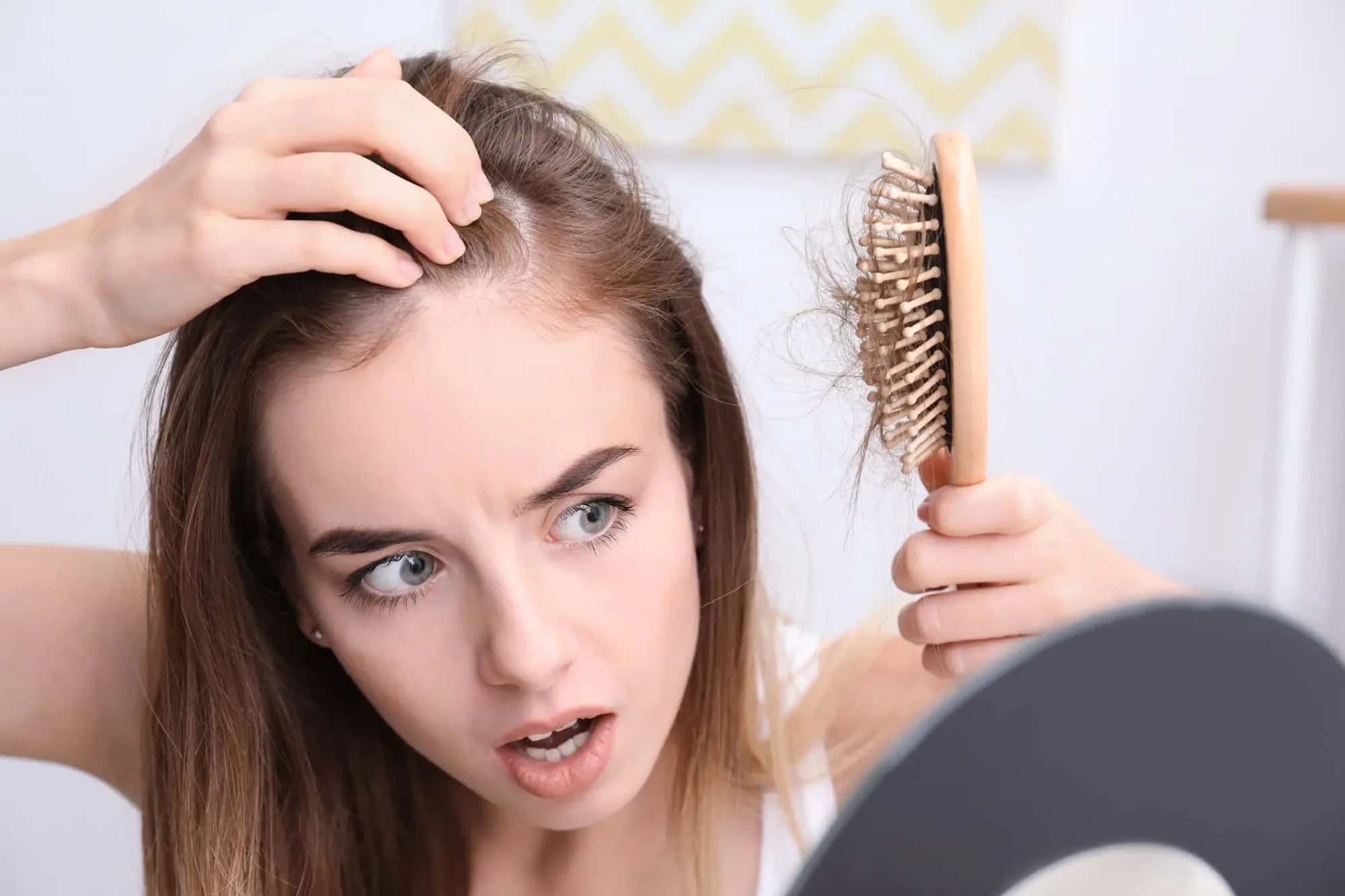
This guide explains what sudden hair loss means, which conditions commonly trigger rapid shedding, and how different patterns can point toward different underlying causes.
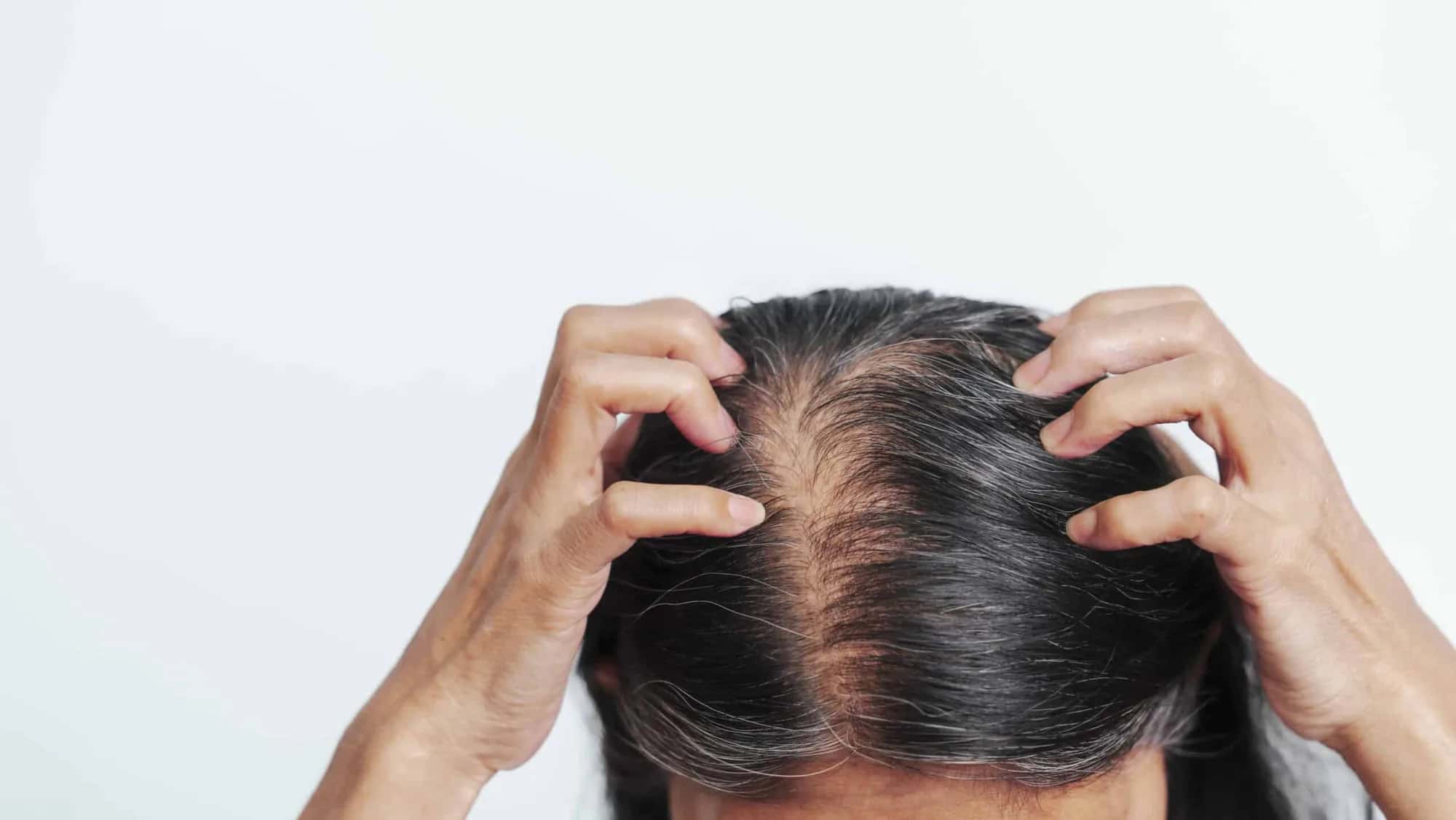
This guide explains how iron deficiency can contribute to hair loss, which blood tests matter, how ferritin relates to shedding, and when hair may begin recovering.
Subscribe to the Medifinder newsletter and never miss our latest content.