










Washing Frequency Be After a Hair Transplant
The frequency of washing after a hair transplant is generally planned to be daily, starting with the first wash. The first wash is usually done a few days after the procedure, and then the regular washing process begins.

- Last updated
- 212 reads
- 7 min read
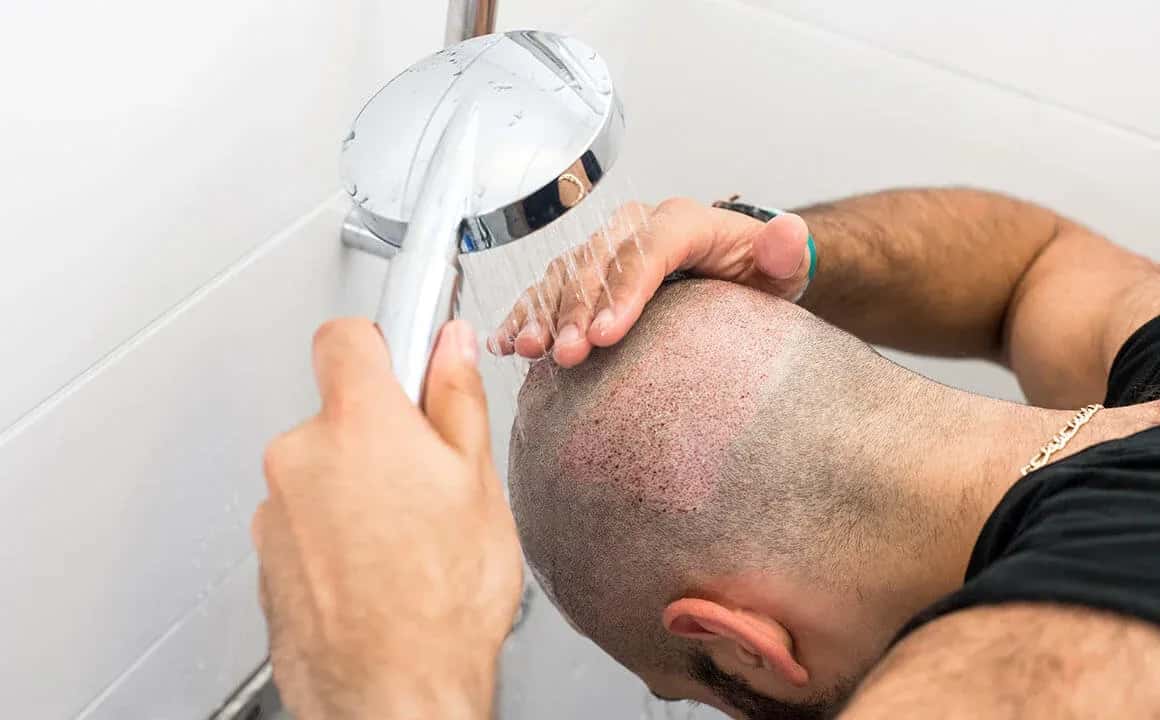


What Should the Washing Frequency Be After a Hair Transplant?
The recommended washing frequency after a hair transplant is generally once a day after the first week.
The first wash is mostly done under the supervision of a specialist a few days after the procedure. After this stage, regular washing is important to keep the scalp clean and soften the scabs. However, during washing, the water pressure should be kept low, and the procedure should be done with gentle movements. Hard contact that could irritate the scalp must be avoided. As the healing process progresses, the washing routine returns to normal. Following the specific care instructions provided to you during this process plays a crucial role in a healthy recovery.
How to Wash Hair 1 Month After a Hair Transplant?
One month after a hair transplant, hair is generally washed more normally, but still gently.
During this period, the scalp is largely healed, and you can get closer to your daily washing routine. Using warm water and avoiding hard pressure on the scalp is still important. You can wash by gently massaging with your fingertips, completely avoiding excessive rubbing. Although shampoo choices become more flexible, non-irritating products should be preferred. The hair should be gently dried with a towel, avoiding harsh movements. This way, both the hair follicles are protected and the healing process continues healthily.
Does Washing Frequency After a Hair Transplant Vary From Person to Person?
Yes, the washing frequency after a hair transplant can vary depending on the person's hair structure and the healing process.
Since everyone's scalp reacts differently, the washing routine is planned according to personal needs. While some people experience faster healing, the process may progress more sensitively for others. Therefore, the frequency and method of washing are determined based on an evaluation made by a specialist. The condition of the scalp, the level of scabbing, and the degree of sensitivity all affect this decision. Following your personalized care instructions is essential for a healthy recovery.
When is the First Wash Done After a Hair Transplant?
The first wash after a hair transplant is typically done within 48 to 72 hours after the operation.
However, the exact timing of the first wash can vary depending on the hair transplant technique used, the healing process, and the recommendations of the performing physician. Therefore, it is important for patients to primarily follow the care instructions provided by their own doctor. The first wash is one of the most critical stages of post-hair transplant care. Washing done correctly helps soften the scabs, keeps the scalp clean, and supports the healing process.
Should the First Wash be Done at the Clinic?
The first hair transplant wash is generally a procedure recommended to be done at the clinic under specialist supervision. This wash is important so you can properly learn how to clean your scalp after the transplant.
Specialists will practically demonstrate how to soften scabs and how to wash without damaging the scalp. This way, you learn the correct techniques for the washes you will perform at home. However, in some cases, the first wash can also be done at home, and in such instances, specific instructions will be given to you. It is important to pay close attention to the provided care recommendations for the process to progress correctly.
Is Washing Done the Day After the Hair Transplant?
Washing is generally not done the day after the hair transplant; it is recommended to wait a few days for the first wash.
This waiting period is vital for the transplanted hair follicles to anchor into place and for the scalp to complete its initial healing phase. Early washing can negatively affect the sensitive transplant area. For this reason, the first wash is mostly performed 2 to 4 days later under specialist supervision. The duration and method may vary depending on the specific procedure performed and the individual's healing status.
Is it Harmful to Delay the First Wash?
Delaying the first wash more than necessary can have negative effects on the scalp in some cases.
Timely cleaning of the scabs formed after the hair transplant is important for the healthy progression of the healing process. When washing is delayed, scabs can harden, making it difficult for the scalp to breathe. This situation can reduce comfort and prolong the healing process. However, washing too early can also damage the sensitive transplant area. Therefore, the best timing is generally to follow the schedule determined by your specialist. Balanced and regular washing helps the process progress in a controlled manner.
How Often Should Hair be Washed After a Hair Transplant?
After a hair transplant, hair is generally washed every day or every other day following the first wash.
The first wash is mostly done a few days after the procedure, and then the regular cleaning process begins. During this period, frequent washing is recommended to soften and clean the scabs on the scalp. However, it is vital to keep the water pressure low and use gentle movements during washing. As the scalp heals, the washing frequency settles into a more normal routine.
What Should the Washing Frequency Be in the First 10 Days?
In the first 10 days after a hair transplant, washing should generally be done every day and very gently.
The goal during this phase is to soften and clean the scabs formed on the scalp. The first wash usually begins a few days post-op, and regular washing is recommended thereafter. Daily washing provides hygiene and supports the healing process. During washing, the water pressure must be kept low, and hard contact with the scalp should be avoided. The foam application should be done gently, avoiding any rubbing. Careful washing throughout the first 10 days helps protect the hair follicles.
Is Hair Washed Every Day for the First Month?
Hair can be washed every day for the first month, but this may vary depending on the healing status of the scalp.
In the initial days after a hair transplant, daily washing is recommended to clean the scabs and maintain scalp hygiene. As healing progresses, the scalp becomes less sensitive, and the washing routine can become more flexible. While daily washing continues for some people, washing every other day may be sufficient for others. The best approach is to follow the personalized care instructions provided to you.
Does the Washing Frequency Change After the Scabs Fall Off?
Yes, the post-hair transplant washing frequency generally becomes more flexible once the scabs fall off.
In the early days, frequent washing is important for cleaning the scabs and healing the scalp. Once the scabs have completely fallen off, the scalp becomes less sensitive, and the washing routine approaches normalcy. At this stage, daily washing may not be mandatory, and washing every other day may suffice. However, the condition of the scalp and the level of oiliness can affect this frequency.
Is Daily Washing Necessary After a Hair Transplant?
Daily washing after a hair transplant is generally recommended in the early days, but it is not mandatory for every patient.
After the first wash, regular washing is important to soften and clean the scabs formed on the scalp. During this period, daily washing can support the healing process and ensure hygiene. However, the sensitivity of the scalp, its oiliness, and the healing speed can affect this frequency. As healing progresses, the washing routine becomes more flexible, and washing every other day may be sufficient.
Does Under-Washing Increase the Risk of Infection?
Yes, insufficient washing after a hair transplant can increase the risk of infection due to the deterioration of scalp hygiene.
Scabbing and accumulated oil after a hair transplant can pave the way for bacterial growth if not cleaned regularly. This situation can complicate the healthy healing of the scalp. Adhering to the recommended washing frequency, especially in the first few days, helps reduce this risk. However, excessively harsh or incorrect washing can also irritate the scalp. A balanced washing routine using the correct technique provides hygiene while supporting the healing process.
How to Wash Hair After a Hair Transplant?
Washing after a hair transplant should be done with gentle movements to protect the transplanted hair follicles, using care products recommended by the doctor. The correct washing technique supports the healing process, helps scabs fall off naturally, and keeps the scalp clean.
The first wash is mostly done within 48–72 hours after the operation. Many hair transplant centers perform the first wash accompanied by medical staff, explaining in detail the care routine the patient will apply in the following days.
Washing after a hair transplant is generally performed as follows:
- Apply the lotion or foam: Apply the product recommended by the doctor without pressing on the transplanted area and leave it on for the specified time.
- Rinse with warm water: Water should not be aimed directly at the transplant area with high pressure.
- Use the recommended shampoo: The shampoo should be lathered in the palms and applied with gentle touches.
- Do not rub: Nails should not be used, and the scalp should not be scratched or cleaned with harsh movements.
- Dry gently: Use patting motions with a soft towel, or allow the hair to air dry.
How Long Should the Doctor-Recommended Shampoo be Used?
The shampoo recommended by the doctor is generally used regularly for the first 10 to 15 days following a hair transplant.
This period covers the time when the scalp is highly sensitive and the healing process is actively continuing. Special shampoos help clean the scalp without irritating it and support the softening of scabs. As healing progresses, the scalp becomes more resilient, and a transition to normal shampoos can be made. However, this transition period can vary from person to person.
- Last updated
- Language
- English
How did you find this article?
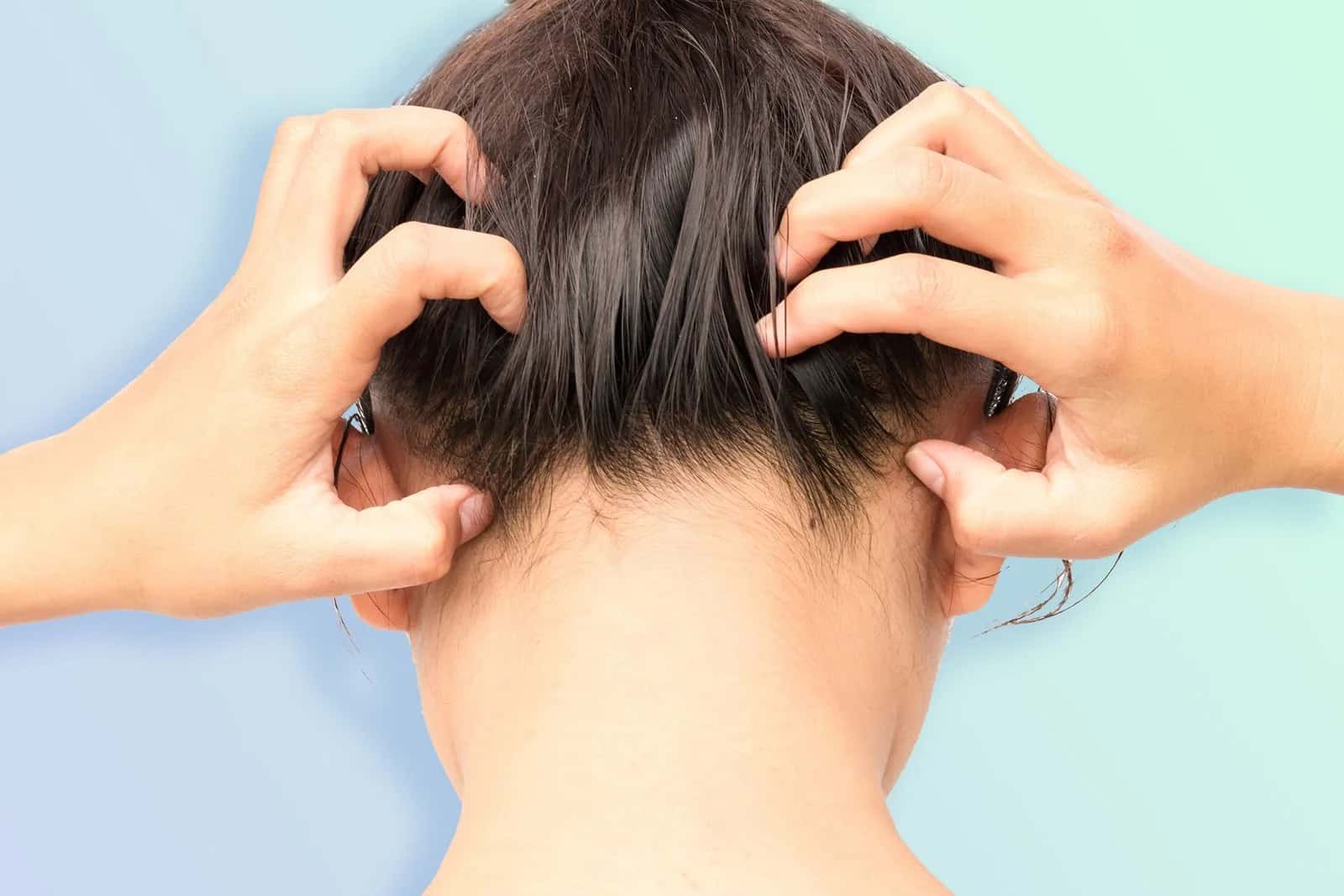
Air conditioning can dry out your scalp by reducing indoor humidity and affecting the skin's ability to maintain adequate moisture. Prolonged exposure to dry, cooled air may contribute to itching, flaking, tightness, and irritation, particularly when the scalp is already sensitive or prone to dryness.
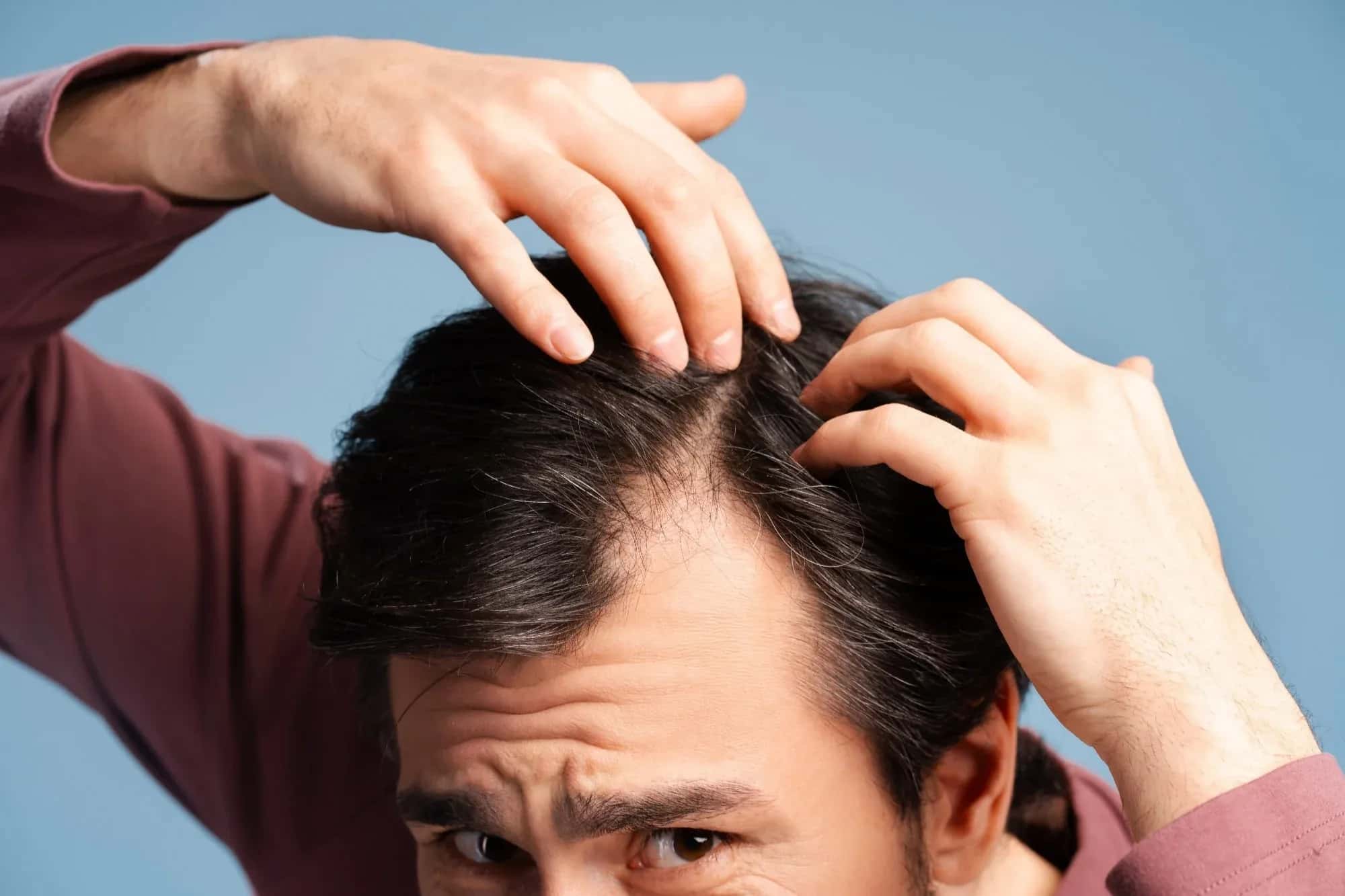
Certain dietary supplements can cause hair loss when taken in excessive amounts, particularly products containing high doses of vitamin A, selenium, or other concentrated nutrients. While supplements can help correct nutritional deficiencies that affect hair growth.
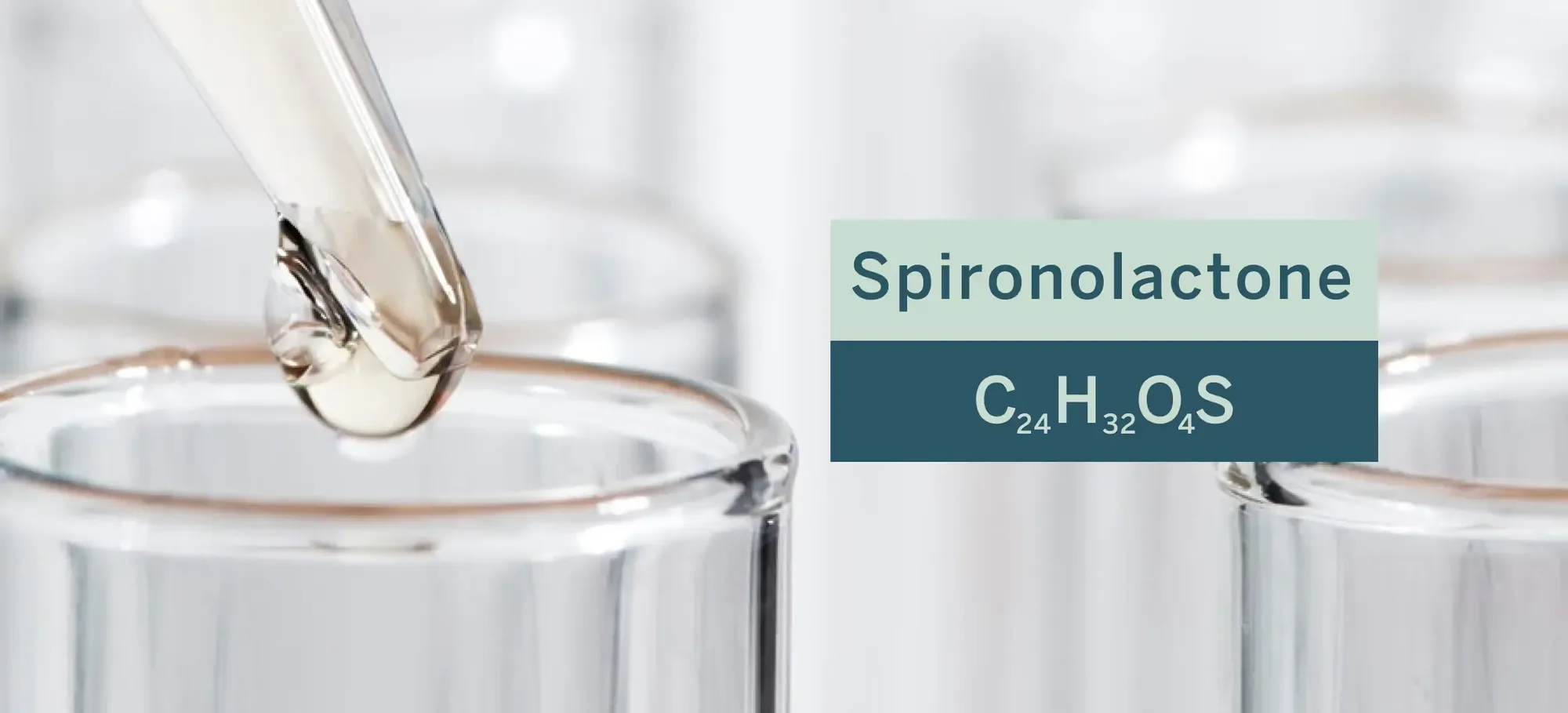
Spironolactone for female hair loss can help slow progressive thinning and improve hair density by reducing the effects of androgens on sensitive hair follicles. Although this prescription medication is not specifically approved for hair loss, clinical research supports its use in selected women.
Subscribe to the Medifinder newsletter and never miss our latest content.