










Unshaven Hair Transplant Turkey: Cost, Techniques, Recovery and Suitability
This guide explains how an unshaven hair transplant in Turkey works, who it suits, what it costs, and how to evaluate treatment options.

- Last updated
- 124 reads
- 8 min read


What Is an Unshaven Hair Transplant in Turkey?
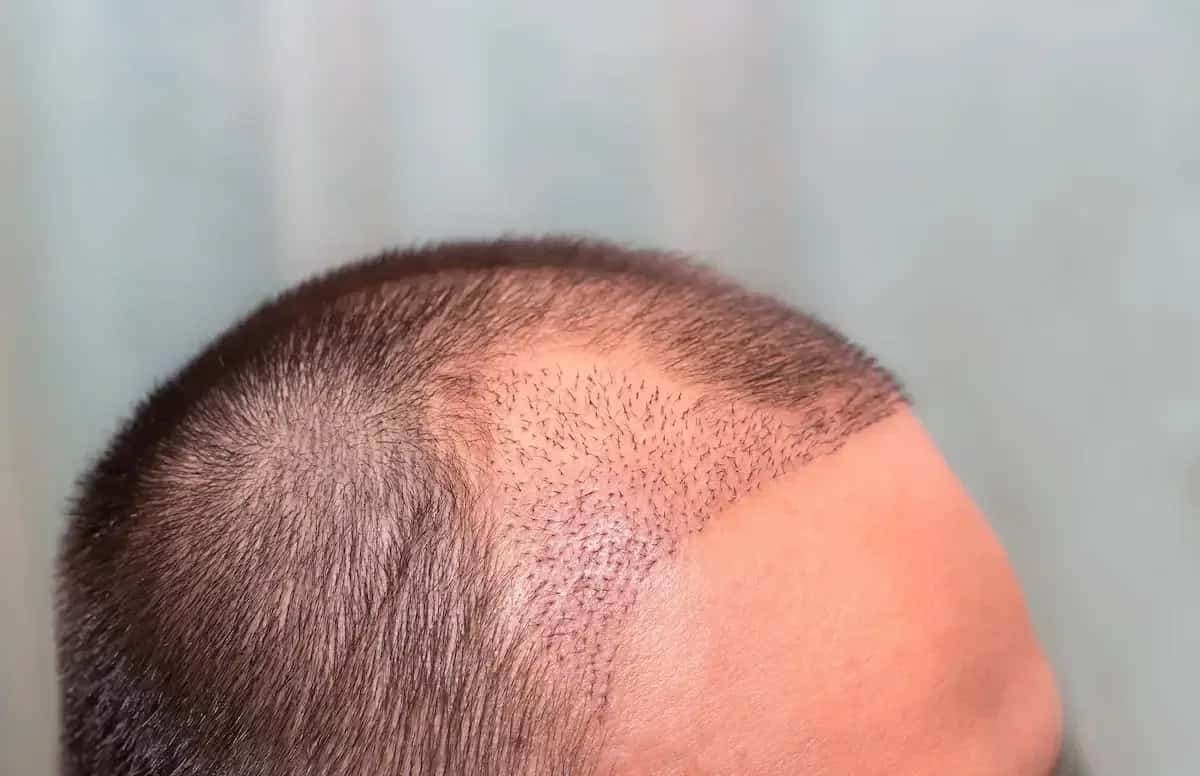
An unshaven hair transplant moves follicular units without requiring the patient to shave the entire scalp before surgery.
The term usually refers to a modified FUE approach where existing hair remains long around the donor and recipient areas. Individual follicular units are still extracted from the donor region and transferred to areas affected by hair loss.
The main difference is therefore cosmetic rather than biological. Keeping surrounding hair long can conceal extraction points, redness and early postoperative changes.
Fully unshaven transplantation can also preserve the hair shaft of extracted follicular units. This approach is commonly described as long-hair FUE.
However, clinics may use unshaven, no-shave, partial-shave and long-hair transplant to describe different procedures. Understanding that distinction matters before comparing treatment offers.
What Does Unshaven Actually Mean in Hair Transplantation?
Unshaven hair transplantation can mean either complete preservation of existing hair or limited trimming hidden beneath longer surrounding hair.
A fully unshaven or long-hair FUE procedure extracts follicular units without cutting their existing hair shafts. Neither the visible donor area nor the recipient hair requires conventional shaving.
Partial-shave transplantation is different. Small donor sections are trimmed sufficiently for extraction while longer hair above those sections remains untouched. Existing hair can then conceal the trimmed areas.
Some clinics also leave the recipient area unshaven while trimming most or all of the donor area.
These approaches can look similar immediately after surgery, but they are technically different.
Patients should therefore establish exactly which areas remain long. The phrase no-shave alone does not confirm that absolutely no hair will be trimmed.
How Is an Unshaven Hair Transplant Performed?
An unshaven transplant follows the same fundamental transplantation process as FUE but requires additional control while working through existing long hair.
Treatment begins with an assessment of the hair-loss pattern and donor area. Hairline position, recipient coverage and the required graft distribution are then planned.
Follicular units are individually isolated from the donor area with small punches. In true long-hair FUE, specialized instruments allow extraction while preserving the attached hair shaft.
Long surrounding hair reduces visibility during extraction. The surgical team must separate and control the hair while identifying suitable follicular units.
After extraction, grafts are prepared and preserved before implantation.
Recipient sites may be prepared before graft placement, or grafts may be implanted with an implanter system that combines site creation and insertion.
Long-hair transplantation is technically more demanding and generally requires more operating time than conventional shaved FUE.
Unshaven FUE vs Unshaven DHI: What Is the Difference?
Unshaven FUE describes how grafts are harvested without extensive shaving, while DHI primarily describes how those grafts are implanted.
These terms therefore should not be treated as competing techniques.
FUE, or follicular unit excision, concerns extraction. Individual follicular units are removed from the donor area using small punches.
DHI refers to implantation with an implanter device. The follicular unit enters the device before being placed into the recipient area.
An unshaven procedure can consequently combine FUE harvesting with DHI implantation.
Alternatively, the surgeon can perform unshaven or long-hair FUE and create recipient sites before placing the grafts.
The commercially attractive label matters less than the complete surgical workflow. Patients should understand who extracts the grafts, how recipient sites are created, how grafts are handled and how donor density is protected.
Who Is Suitable for an Unshaven Hair Transplant?
Unshaven transplantation is particularly relevant for patients who have sufficient donor hair but want to avoid an obvious temporary change in hairstyle.
It can be useful for localized frontal recession, hairline refinement, smaller thinning areas and selected density procedures between existing hairs.
Women may also consider the approach because shaving a large donor or recipient area can be particularly disruptive when surrounding hair is long.
However, convenience does not establish medical suitability.
The donor area must still provide enough stable follicular units for the proposed restoration. Extensive hair loss may require substantially more grafts than a practical fully unshaven session can provide.
The underlying reason for hair loss also matters. Progressive androgenetic alopecia requires planning beyond the immediately visible thinning area.
Diffuse thinning, unstable donor hair or some scalp disorders may require further evaluation before transplantation.
Technique selection should follow diagnosis and donor assessment, rather than the desire to avoid shaving alone.
How Many Grafts Can Be Transplanted Without Shaving?
Fully unshaven procedures can accommodate substantial transplantation, but practical graft numbers are often lower than conventional shaved FUE sessions.
Working around long hair reduces visibility and makes individual extraction more labor-intensive.
A recent clinical review notes that long-hair FUE can require considerably more operating time. Larger procedures may consequently need more than one treatment day.
Published clinical experience has also demonstrated that several thousand grafts can technically be transplanted with long-hair FUE. This does not create a universal safe maximum.
The appropriate number depends on donor density, scalp characteristics, hair caliber, recipient size and previous surgery.
Partial shaving can provide another option when greater numbers are required. Hidden donor sections can be shortened while surrounding hair continues to camouflage them.
A higher graft count should never take priority over preserving the remaining donor area.
How Much Does an Unshaven Hair Transplant Cost in Turkey in 2026?
Advertised unshaven hair transplant packages in Turkey currently start around €2,200 to €2,500, while more extensive no-shave options can exceed €4,000.
These figures describe publicly advertised September 2026 package prices rather than an official national average.
Current examples include no-shave procedures starting around €2,175 to €2,500. Other providers list unshaven DHI around €3,900 and fully long-hair variants around €4,400. Premium packages can cost more.
Unshaven procedures can cost more than comparable shaved FUE because extraction takes longer and may require additional personnel or specialized equipment.
Package contents also change the meaningful total cost.
An advertised treatment may include surgery, hotel accommodation, airport transfers, local transportation, medication and postoperative follow-up. Another quotation may cover primarily the procedure.
Flights are frequently separate.
Patients should therefore compare written inclusions rather than choosing solely by headline price.
Does an Unshaven Hair Transplant Have a Different Recovery Timeline?
An unshaven transplant can make early recovery less noticeable, but keeping the hair long does not fundamentally accelerate follicular healing or growth.
Existing hair can conceal small donor extraction sites, recipient redness and crusting. This cosmetic advantage explains much of the appeal of no-shave procedures.
The transplanted hair shafts may remain visible initially, especially after true long-hair transplantation.
That immediate appearance is temporary.
Transplanted hairs commonly enter a shedding phase several weeks after surgery. Current long-hair FUE literature describes substantial temporary shedding around three to four weeks, with new growth beginning several months later.
Keeping the surrounding hairstyle does not prevent this normal cycle.
The practical advantage is discretion. Someone observing the patient may notice less disruption because untreated surrounding hair does not need to grow back from a shaved length.
What Results Can You Expect After an Unshaven Hair Transplant?
An unshaven transplant can produce permanent redistribution of suitable donor follicles, but keeping the hair long does not guarantee greater density or graft survival.
One distinctive advantage of long-hair FUE is immediate visualization.
Because extracted grafts retain their hair shafts, the surgical team can see a temporary representation of direction, curvature and distribution during implantation. This can be particularly useful where hair orientation is visually important.
However, this immediate appearance should not be mistaken for the final result.
Transplanted shafts usually shed before new growth develops. Density then changes progressively over subsequent months.
The eventual appearance depends on donor quality, graft handling, hair characteristics, hairline planning, implantation direction and the progression of untreated hair loss.
An unshaven technique mainly changes how treatment is performed and concealed. It does not create additional donor follicles.
What Are the Risks and Limitations of Unshaven Hair Transplantation?
Unshaven transplantation carries the surgical risks associated with FUE while adding technical challenges created by working through longer hair.
Possible postoperative problems include swelling, pain, bleeding, folliculitis, infection, temporary shedding, altered sensation and unsatisfactory growth. Donor overharvesting can also produce visible thinning.
Less common but more serious complications can occur. Contemporary reviews have documented recipient-site necrosis, significant infections and other uncommon adverse events following hair transplantation.
Long hair creates another challenge because it can obstruct the surgical field.
Extraction takes longer, the learning curve is greater and maintaining consistent donor harvesting can require greater technical experience. Long-hair FUE literature also describes potential increases in follicular transection during extraction compared with conventional shaved approaches.
Choosing unshaven treatment solely for discretion can therefore be counterproductive when the required graft number or donor characteristics make another approach more practical.
How Should You Choose an Unshaven Hair Transplant Clinic in Turkey?
A suitable clinic should demonstrate legal authorization, defined medical responsibility and specific experience with unshaven transplantation rather than generic hair transplant marketing.
Before booking treatment, clarify:
- What does unshaven mean in the proposed procedure: fully unshaven, partial-shave or recipient-only unshaven?
- Who performs the medical assessment and hairline design?
- Who performs follicular extraction?
- Who creates the recipient channels or sites?
- Who implants the grafts?
- How was the proposed graft number calculated from donor capacity?
- Will the procedure take one day or multiple sessions?
- What services are included in the quoted package price?
- How will postoperative questions or complications be managed after returning home?
- Can the clinic show comparable unshaven cases rather than only standard shaved FUE results?
Hair transplant in Turkey operates within specific healthcare regulations. Current rules require hair-transplant units to operate within authorized healthcare facilities and establish responsibilities for certified medical personnel. The current regulatory text restricts recipient-channel creation to eligible physicians.
International patients can also verify healthcare providers against the current authorization lists, which were updated on August 20, 2026.
Is an Unshaven Hair Transplant in Turkey Worth Considering?
An unshaven hair transplant in Turkey is worth considering when maintaining the existing hairstyle is important and the required restoration fits the practical limits of the technique.
Its strongest advantage is discretion rather than superior biological performance.
Fully unshaven long-hair FUE can preserve the patient's appearance during the early postoperative period and provide useful visual feedback during implantation.
That convenience comes with trade-offs. Surgery can take longer, treatment may cost more and large graft requirements may favor partial shaving or conventional FUE.
The most useful decision is therefore not simply shaved versus unshaven.
A strong treatment plan should first establish diagnosis, donor capacity, required coverage and long-term hair-loss progression. The shaving strategy and implantation method can then be selected around those findings.
- Last updated
- Language
- English
How did you find this article?
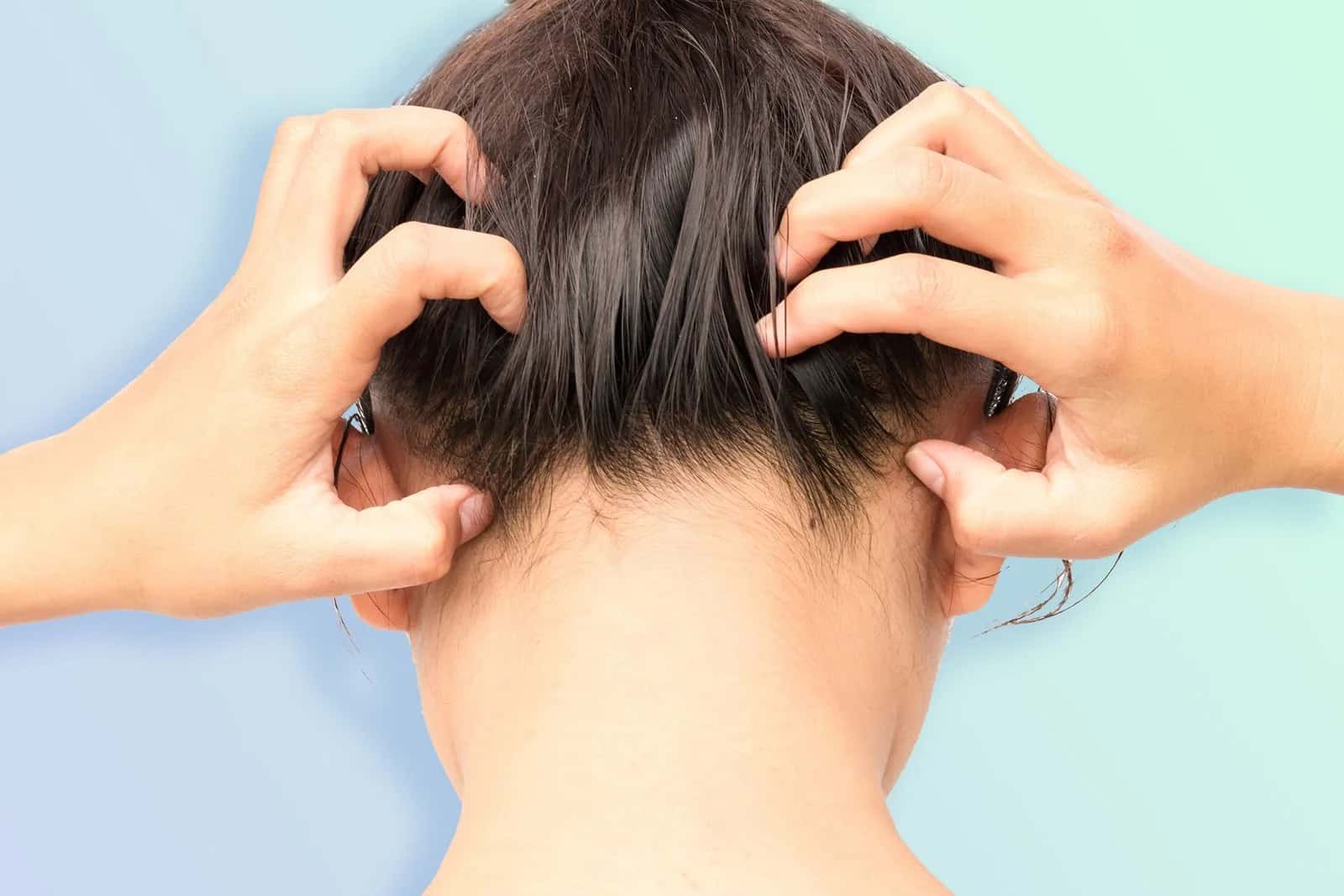
Air conditioning can dry out your scalp by reducing indoor humidity and affecting the skin's ability to maintain adequate moisture. Prolonged exposure to dry, cooled air may contribute to itching, flaking, tightness, and irritation, particularly when the scalp is already sensitive or prone to dryness.
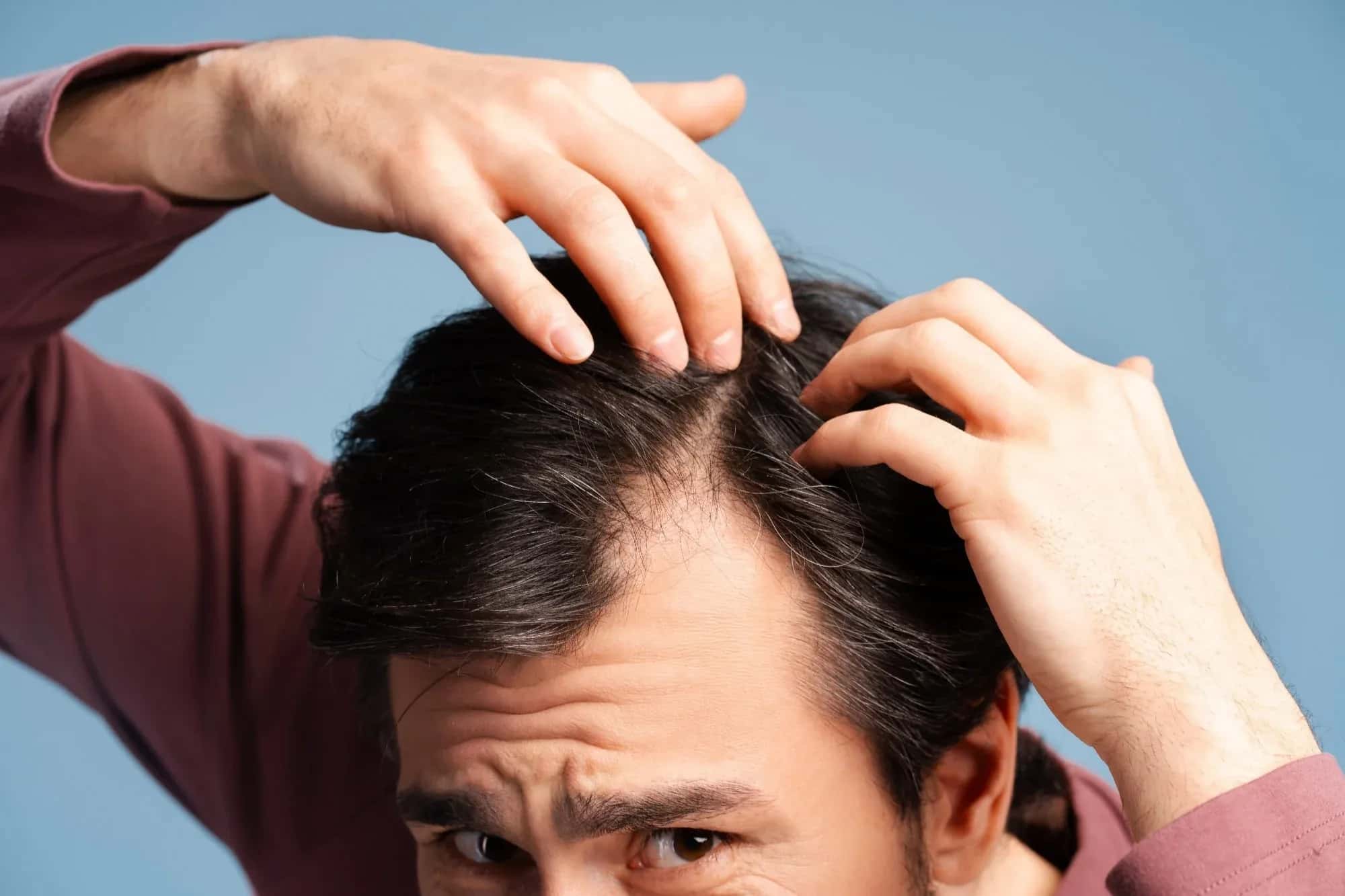
Certain dietary supplements can cause hair loss when taken in excessive amounts, particularly products containing high doses of vitamin A, selenium, or other concentrated nutrients. While supplements can help correct nutritional deficiencies that affect hair growth.

Spironolactone for female hair loss can help slow progressive thinning and improve hair density by reducing the effects of androgens on sensitive hair follicles. Although this prescription medication is not specifically approved for hair loss, clinical research supports its use in selected women.
Subscribe to the Medifinder newsletter and never miss our latest content.