










Trazodone Hair Loss: Does Trazodone Cause Hair Loss?
Trazodone may cause hair loss in some people, but it is not considered one of the most common side effects of the medication. Hair shedding linked to trazodone appears to be uncommon, and when it happens, it may be difficult to prove that trazodone is the only cause.

- Last updated
- 65 reads
- 9 min read


Can Trazodone Cause Hair Loss?
Trazodone can be associated with hair loss in some cases, but this appears to be uncommon. Hair loss has been reported as an adverse event with trazodone, yet that does not mean every person who takes the medication will experience shedding.
Medication-related hair loss can be difficult to confirm. A patient may start trazodone and notice shedding weeks or months later. During that same period, they may also be dealing with stress, poor sleep, reduced appetite, weight changes, illness, hormonal shifts, or other medications. Any of these can affect the hair cycle.
For this reason, doctors usually look at the full picture. They consider when the shedding started, how much hair is being lost, whether the pattern is diffuse or patchy, whether the scalp is inflamed, and whether there are other medical explanations.
Why Is Hair Loss Linked to Medication?
Many medications can affect hair growth indirectly by influencing the hair cycle. The most common pattern of medication-related shedding is telogen effluvium. This happens when more hairs than usual shift from the growth phase into the resting phase. After a delay, those hairs shed.
Telogen effluvium usually causes diffuse shedding rather than a sharply receding hairline or one bald patch. Patients may notice more hair in the shower, on the pillow, in the brush, or on clothing. The scalp may look thinner overall, especially under bright light, but complete baldness is not typical.
The timing can be confusing. Hair may start shedding several weeks to a few months after a trigger. This delay makes it hard to connect the cause. A patient may blame the newest medication, but the trigger could also be a stressful event, fever, surgery, crash diet, childbirth, or emotional strain that happened earlier.
How Might Trazodone Affect the Hair Cycle?
The exact way trazodone might contribute to hair loss is not fully clear. In suspected cases, the most likely explanation is a shift in the hair growth cycle rather than direct destruction of hair follicles.
Hair follicles move through growth, transition, resting, and shedding phases. When the body experiences a trigger, more follicles may enter the resting phase at the same time. Later, the patient notices increased shedding.
Trazodone may not cause this effect in most users, but sensitive individuals may react differently. Some people may also be taking trazodone along with other medications that influence appetite, hormones, sleep, stress response, or nutrient status. This can make the cause harder to isolate.
A careful review by a clinician can help determine whether trazodone is a likely contributor or whether another factor is more important.
Is Trazodone Hair Loss Usually Permanent?
In many cases, medication-related shedding is not permanent if the trigger is identified and managed. When telogen effluvium is the pattern, the hair follicles usually remain alive. Once the trigger resolves, shedding may slow and regrowth may gradually appear.
However, recovery takes time. Hair grows slowly, and visible improvement may take months. Patients often become discouraged because the shedding stops before the density looks better. This delay is normal in many shedding conditions.
Permanent-looking thinning may occur if trazodone-related shedding reveals an underlying condition such as androgenetic alopecia. In that case, the medication may not be the main cause. It may simply make pre-existing hair thinning more noticeable. This is why diagnosis matters.
When Does Hair Loss Usually Start?
If trazodone contributes to telogen effluvium, shedding may appear weeks to months after starting the medication or changing the dose. It may not happen immediately.
A useful way to evaluate timing is to create a simple timeline. Note when trazodone was started, whether the dose changed, when shedding began, and whether anything else happened during the same period. Important details include illness, fever, surgery, weight loss, diet changes, new medications, stopping birth control, high stress, or major sleep disruption.
This timeline can help the doctor decide whether trazodone is a possible cause. It can also prevent unnecessary medication changes if another trigger is more likely.
How Can You Tell If Trazodone Is the Cause?
There is no simple home test that proves trazodone is causing hair loss. The connection is usually based on timing, pattern, exclusion of other causes, and improvement after a medication change when medically appropriate.
Doctors may ask several questions. Did shedding begin after starting trazodone? Did it worsen after increasing the dose? Are there signs of scalp disease? Is the hair loss diffuse or patchy? Are there symptoms of thyroid disease, anemia, hormonal imbalance, or nutritional deficiency? Are other medications involved?
A dermatologist may examine the scalp with magnification, perform a pull test, review hair density, and request blood tests if needed. This helps separate medication-related shedding from androgenetic alopecia, alopecia areata, seborrheic dermatitis, iron deficiency, thyroid disease, or other causes.
Should You Stop Taking Trazodone?
Patients should not stop trazodone suddenly without speaking to the prescribing doctor. Even if hair loss feels distressing, stopping medication abruptly may cause problems, especially if trazodone is being used for depression, anxiety-related sleep issues, or chronic insomnia.
The doctor may recommend monitoring, checking for other causes, adjusting the dose, switching medication, or treating the hair loss separately. The right decision depends on the reason trazodone was prescribed, how well it is working, the severity of hair shedding, and the patient’s overall health.
If the medication is helping mood or sleep significantly, the doctor may prefer to confirm the cause before making changes. If hair loss is severe and strongly linked by timing, an alternative may be considered. This decision should be medical, not rushed.
What Other Causes Should Be Checked?
Hair loss has many possible causes. Before blaming trazodone alone, patients should consider common triggers. These include iron deficiency, low vitamin D, thyroid disease, recent illness, major stress, rapid weight loss, low protein intake, hormonal changes, pregnancy, menopause, polycystic ovary syndrome, autoimmune conditions, scalp inflammation, and genetic hair loss.
Other medications may also contribute. Some antidepressants, blood pressure medications, acne medications, hormone treatments, anticoagulants, anticonvulsants, and weight-loss drugs have been associated with hair shedding in some patients.
The pattern of hair loss gives clues. Diffuse shedding may suggest telogen effluvium. A widening part or miniaturized hairs may suggest androgenetic alopecia. Round patches may suggest alopecia areata. Scaling, redness, itching, or tenderness may suggest scalp disease.
Does Depression Itself Cause Hair Loss?
Depression, stress, and poor sleep can contribute to hair shedding. The body may respond to emotional strain by shifting more hairs into the resting phase. Appetite changes, reduced nutrition, weight changes, and inflammation may also affect hair quality.
This is one reason trazodone hair loss can be hard to judge. A patient may start trazodone because of depression or insomnia, then notice shedding later. The medication may be suspected, but the underlying stress or sleep disruption may also be involved.
Improving sleep and mental health can sometimes support hair recovery indirectly. Still, any new or worsening hair loss deserves proper evaluation, especially if it continues for more than a few weeks or becomes visibly noticeable.
What Does Trazodone Hair Loss Look Like?
When medication-related shedding occurs, it often appears as increased hair fall across the scalp. Patients may notice more hairs during washing, brushing, or styling. The ponytail may feel thinner. The part line may look wider. The scalp may become more visible under strong light.
This pattern is different from classic male pattern baldness, where the hairline recedes and the crown thins gradually. It is also different from alopecia areata, which may create round bald patches.
However, patterns can overlap. A person with early genetic thinning may also develop telogen effluvium. In that case, shedding can make the underlying pattern more obvious. A dermatologist can help identify whether more than one type of hair loss is present.
Can Hair Grow Back After Trazodone-Related Shedding?
Hair may grow back if trazodone is truly the trigger and the follicles remain healthy. Regrowth depends on whether the cause is removed or controlled, whether there are other hair loss conditions, and whether the patient’s nutrition and overall health support growth.
Even after the trigger improves, visible recovery is gradual. Short new hairs may appear first along the hairline or part. Density may take several months to improve because hair growth is slow.
Patients should avoid switching between multiple treatments too quickly. Hair needs time. A consistent plan guided by a clinician usually works better than frequent changes based on panic.
What Can Help Manage Shedding?
Managing suspected trazodone hair loss starts with medical evaluation. Patients should discuss symptoms with the prescribing doctor and consider dermatology assessment if shedding is significant.
Helpful steps may include checking iron status, thyroid function, vitamin D, B12, zinc, and other factors when appropriate. Nutrition should include enough protein, calories, and micronutrients. Gentle hair care can reduce breakage. Avoid tight hairstyles, harsh bleaching, excessive heat, and aggressive brushing while shedding is active.
Some patients may benefit from evidence-based hair treatments, but these should be chosen based on the diagnosis. Treatment for genetic hair loss differs from treatment for telogen effluvium or scalp inflammation.
Are Supplements Useful?
Supplements only help when a deficiency or increased need exists. Taking large amounts of vitamins without testing does not guarantee better hair growth and can sometimes create problems. For example, excessive intake of certain nutrients may be harmful.
If hair loss begins after starting trazodone, it is reasonable to review diet and bloodwork with a doctor. Iron deficiency, low vitamin D, thyroid abnormalities, and low protein intake can contribute to shedding. Correcting these issues may support recovery.
A balanced approach is better than buying many hair supplements at once. The goal is to find the cause, not cover it with random products.
What Should You Tell Your Doctor?
Patients should give the doctor clear details. Mention when trazodone was started, the current dose, any recent dose changes, when hair loss began, how much shedding is occurring, and whether the scalp has itching, pain, redness, scaling, or patches.
Also mention other medications, supplements, recent illnesses, weight changes, diet changes, stress levels, sleep patterns, menstrual or hormonal changes, and family history of hair loss.
Bringing photos can help. Images taken under similar lighting every few weeks may show whether shedding is improving, stable, or worsening. This information supports better decision-making.
Could Switching Medication Help?
Switching medication may help if trazodone is strongly suspected and hair loss is distressing or persistent. However, this choice should be made by the prescribing doctor. The doctor must weigh hair loss concerns against the benefits trazodone provides for mood, sleep, or anxiety-related symptoms.
Alternative medications may also have side effects. A different antidepressant or sleep medication may not automatically solve the problem. Some alternatives can also affect hair, weight, mood, sexual function, or sleep quality.
A careful switch, if needed, should follow a safe plan. Sudden stopping or self-directed changes can create more harm than benefit.
When Is Hair Loss Urgent?
Hair loss is not always an emergency, but certain signs deserve faster attention. These include sudden patchy bald spots, scalp pain, burning, heavy scaling, pus, fever, rapidly worsening shedding, eyebrow or body hair loss, or hair loss with severe fatigue, weight change, irregular periods, or other systemic symptoms.
Patients should also seek help quickly if hair loss is causing serious emotional distress or if they feel tempted to stop important medication abruptly.
Early evaluation can prevent delays, especially when the cause is not simple telogen effluvium.
How Can Patients Set Realistic Expectations?
Suspected trazodone hair loss requires patience. If the pattern is telogen effluvium, shedding may continue for a period even after the trigger is addressed because the hair cycle does not reset overnight. Regrowth then takes additional time.
Patients should focus on trends rather than daily hair counts. Some days naturally involve more shedding than others. Weekly or monthly patterns are more useful than checking every hair in the shower.
The most realistic goal is to identify the cause, protect overall health, keep mental health treatment stable, and support gradual recovery.
- Last updated
- Language
- English
How did you find this article?

Washing simply releases many of these loose hairs at the same time, which can make normal shedding appear more dramatic than it really is. So, how much hair loss in the shower is normal, and when does the amount suggest excessive shedding or another form of hair loss?
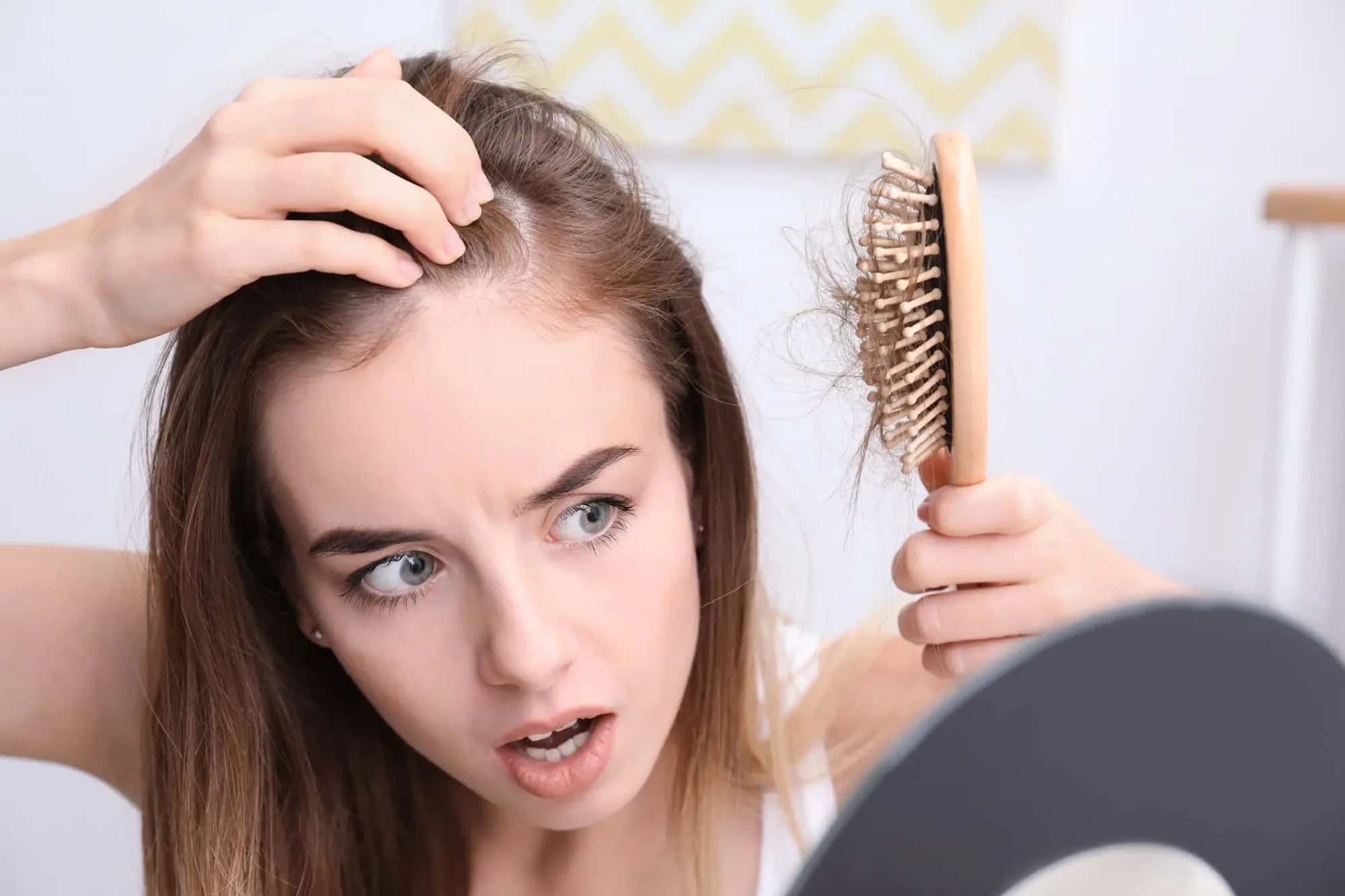
This guide explains what sudden hair loss means, which conditions commonly trigger rapid shedding, and how different patterns can point toward different underlying causes.
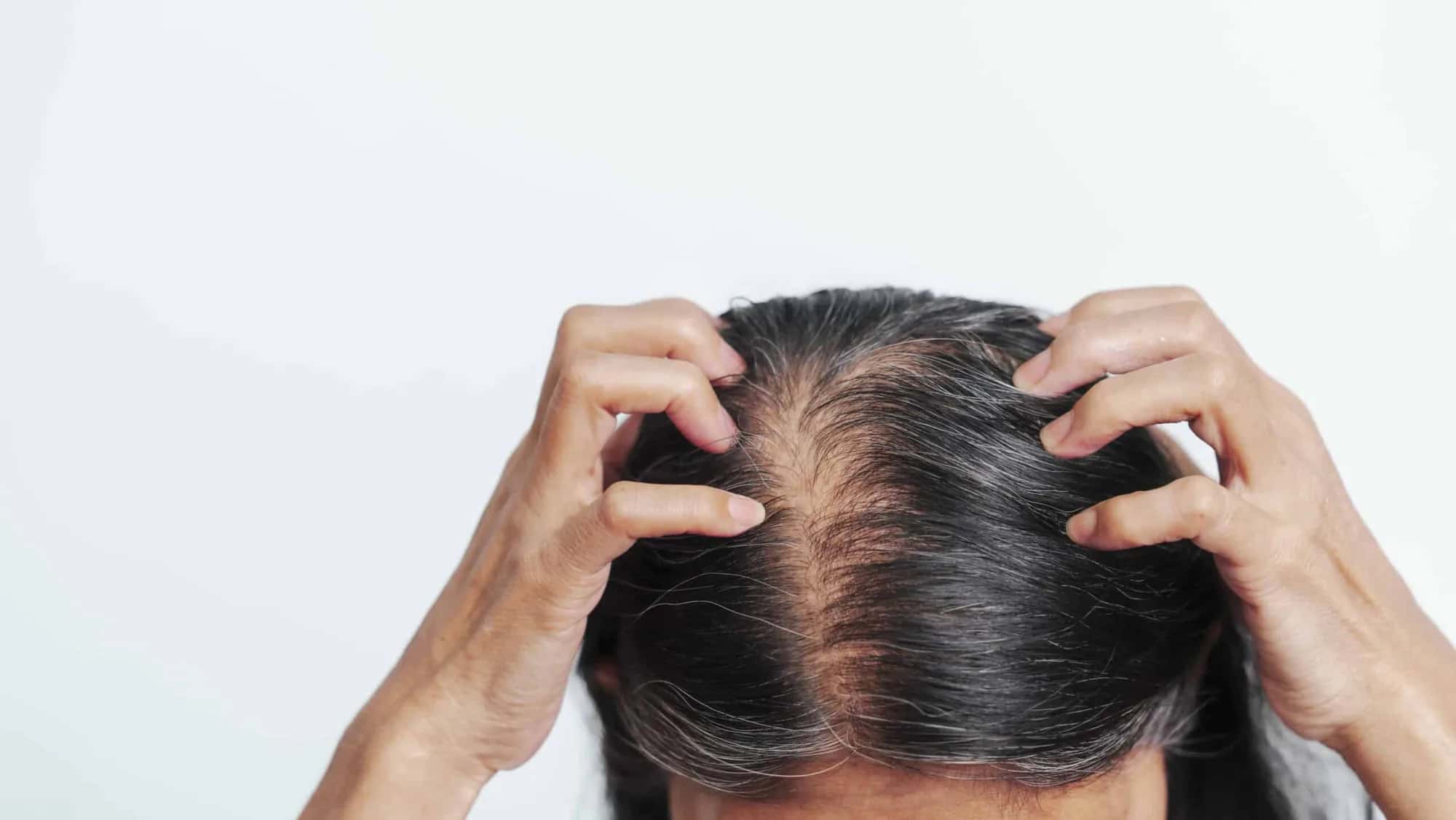
This guide explains how iron deficiency can contribute to hair loss, which blood tests matter, how ferritin relates to shedding, and when hair may begin recovering.
Subscribe to the Medifinder newsletter and never miss our latest content.