










Stem Cell Hair Treatment: Revolutionary Technique
Stem cell hair treatment is a regenerative hair restoration method designed to support weakened hair follicles, improve scalp health, and encourage healthier hair growth. It has gained attention because it focuses on the biology of the follicle rather than simply covering hair loss or moving existing hair.

- Last updated
- 66 reads
- 10 min read


Stem cell hair treatment is an innovative therapy that uses your own regenerative cells to stimulate natural hair growth. Doctors carefully extract these powerful stem cells from your fat tissue using a minimally invasive procedure. The medical team then processes this vital tissue in a specialized centrifuge device. These concentrated healing cells are directly injected into the thinning areas of your scalp.
This cutting-edge method effectively repairs damaged hair follicles at a deep cellular level. Patients often notice significantly thicker and healthier hair within just a few short months. It is completely safe because the treatment utilizes your body's natural biological materials. This revolutionary approach provides a permanent restoration solution without requiring any major surgical incisions.
What Is Stem Cell Hair Treatment?
Stem cell hair treatment is a minimally invasive regenerative procedure that uses cell-based material, stem cell-derived signals, or biologically active components to stimulate the scalp. The exact method can vary by clinic. Some protocols use the patient’s own tissue, often taken from fat or scalp samples. Others use concentrated regenerative products, growth factors, or exosome-based solutions.
The purpose is to deliver signals that may help follicles remain in the growth phase for longer, improve blood flow around the scalp, calm inflammation, and support thicker hair shafts. In simple terms, the treatment tries to improve the condition of the hair growth environment.
This is different from a hair transplant. A hair transplant moves follicles from the donor area to thinning or bald areas. Stem cell hair treatment does not usually move full follicles in the same way. Instead, it works as a supportive biological treatment. It may be used alone in early hair thinning or combined with a hair transplant to support healing and graft quality.
How Stem Cells Relate to Hair Growth?
Hair follicles are active mini-organs that move through growth, resting, and shedding phases. Stem cells play an important role in this cycle because they help regenerate follicle structures and support new hair production. When the hair growth cycle becomes weaker, follicles may spend less time in the active growth phase and produce thinner, shorter hairs.
Regenerative hair treatment focuses on the signals that influence this cycle. These signals may include growth factors, proteins, extracellular vesicles, and other biological messengers. The goal is to encourage a healthier follicular environment rather than forcing an artificial result.
A healthy scalp environment matters. Even strong treatments may perform poorly when the scalp has untreated inflammation, severe dandruff, infection, scarring, poor nutrition, or ongoing hormonal imbalance. This is why diagnosis should come before treatment. The best plan begins with understanding why the hair is thinning.
Types of Stem Cell Hair Treatment
There is no single version of stem cell hair treatment. Different clinics may use different protocols, and patients should understand what is being offered before starting.
Autologous stem cell treatment uses material taken from the patient’s own body. Fat tissue is one common source because it may contain regenerative cells and supportive biological factors. The sample is processed and then injected into the scalp.
Scalp-derived regenerative treatment may use small tissue samples from the scalp. These samples are processed to concentrate cells or signals that may support hair growth activity. The method depends on the device and protocol used by the clinic.
Exosome hair treatment uses tiny cell-derived vesicles that carry biological signals. Exosomes are not full stem cells, but they are often discussed together with regenerative medicine because they may deliver growth-related messages to target tissue.
PRP with regenerative support combines platelet-rich plasma with stem cell-derived or exosome-based products. PRP comes from the patient’s blood and contains growth factors. When combined with other regenerative methods, it may be offered as a more advanced scalp stimulation plan.
Who May Be a Good Candidate?
The best candidates for stem cell hair treatment usually have early to moderate hair thinning, weak but still active follicles, and realistic expectations. Patients with thinning across the crown, early hairline recession, diffuse density loss, or reduced hair shaft thickness may be considered after medical evaluation.
People with completely bald areas may not see strong improvement because the treatment depends on existing follicle activity. If follicles are no longer present or have been inactive for many years, a hair transplant may be more suitable.
Women with diffuse thinning may also consider regenerative hair treatment, but diagnosis is especially important. Female hair loss may be linked to hormones, iron deficiency, thyroid imbalance, stress, postpartum changes, medication, or inflammatory scalp disease. Treating the underlying cause is essential for stable results.
Patients with scarring alopecia, active infection, severe autoimmune scalp disease, or uncontrolled medical conditions may not be good candidates until the condition is managed.
Stem Cell Hair Treatment Procedure
The treatment process usually begins with consultation and scalp analysis. The medical team reviews hair loss history, family pattern, medications, health conditions, previous treatments, and goals. Photos, dermoscopy, blood tests, or scalp examination may be used to understand the cause and level of thinning.
On the treatment day, the scalp is cleaned and prepared. If the protocol uses the patient’s own tissue, a small sample may be collected under local anesthesia. The sample is then processed according to the clinic’s method. If the protocol uses a prepared regenerative product, the treatment may move directly to scalp injections.
The solution is injected into thinning areas using small needles. Some clinics combine the procedure with microneedling to support absorption and scalp stimulation. The session may take less than one hour for simple protocols, while tissue-based methods can take longer.
Most patients can return to daily life quickly. Mild redness, tenderness, swelling, or small injection marks may appear but usually settle within a short period.
Stem Cell Hair Treatment Cost
Stem cell hair treatment cost varies widely because protocols are not the same everywhere. The final price depends on the country, clinic, medical team, product type, tissue processing method, number of sessions, scalp area, and whether the treatment is combined with PRP, exosomes, or hair transplant surgery.
In many private clinics, regenerative hair treatments may start around $1,500 per session and can rise to $4,000 or more. Some premium exosome or cell-based plans may cost more, especially when advanced processing or multiple sessions are included. In countries with lower healthcare operating costs, prices may be more accessible, but patients should still focus on safety and transparency.
A treatment plan may include one session or a series of sessions. Some patients receive maintenance sessions every few months. Others use stem cell hair treatment as a support step after hair transplant surgery. Because of this, the total cost should be calculated as a full plan, not only as one appointment.
What Affects the Price?
Several factors affect the cost of stem cell hair treatment. The first is the type of regenerative material. A simple scalp injection treatment costs less than a protocol that requires tissue collection, processing, and advanced preparation.
The second factor is the number of sessions. Some patients may need one treatment, while others may be advised to complete a series. The third factor is clinic location. Prices are often higher in the United States, the United Kingdom, and parts of Western Europe, while Turkey, Mexico, India, and some Asian destinations may offer lower private pricing.
The fourth factor is whether the treatment is combined with other methods. PRP, laser therapy, medications, hair transplant surgery, scalp care, and follow-up monitoring can increase the total cost but may also improve the overall plan when used appropriately.
Patients should ask for a written quote that explains the protocol, session count, product type, expected follow-up, and extra fees.
Recovery and Aftercare
Recovery after stem cell hair treatment is usually shorter than recovery after hair transplant surgery. Most patients can return to normal light activity on the same day or the next day. The scalp may feel sensitive for a short time. Some swelling, redness, itching, or small bumps can occur after injections.
Patients are usually advised to avoid intense exercise, sweating, alcohol, harsh hair products, swimming, and direct sun exposure for a short period. The clinic may also recommend gentle washing instructions and scalp care products.
Aftercare is important because hair growth depends on the overall scalp environment. Patients should maintain good nutrition, manage stress, avoid smoking, treat dandruff or inflammation, and follow any medical hair loss plan recommended by the doctor.
Results do not appear overnight. Hair follicles need time to respond. Some patients may notice less shedding in a few weeks. Changes in thickness and density may take three to six months. Stronger visual improvement may require more time and maintenance.
Expected Results
Stem cell hair treatment may help improve hair thickness, scalp condition, and follicle activity in selected patients. It may also help reduce shedding and support healthier growth when follicles are still alive. However, results vary.
Patients with early thinning often have better potential than patients with advanced baldness. Age, genetics, hormonal sensitivity, scalp health, nutrition, and consistency of care all influence results. Some people respond well, while others may see only mild improvement.
It is important to understand that stem cell hair treatment does not replace proven hair loss management in every case. For androgenetic alopecia, ongoing medical treatment may still be needed to protect existing hair. For large bald areas, hair transplantation may remain the most effective option.
The best outcome usually comes from a combined strategy. Regenerative treatment may support scalp health, medication may help slow ongoing loss, and hair transplant surgery may restore areas where follicles are already gone.
Stem Cell Hair Treatment vs PRP
PRP and stem cell hair treatment are often compared because both are regenerative approaches. PRP uses platelets from the patient’s own blood. These platelets contain growth factors that may stimulate hair follicles and improve scalp healing.
Stem cell hair treatment may use tissue-derived cells, concentrated regenerative material, or stem cell-derived signals. It is often positioned as a more advanced option, but this does not automatically mean it is better for every patient.
PRP is usually more established and often less expensive. Stem cell and exosome-based treatments may offer stronger biological signaling in theory, but protocols vary more widely. The right option depends on hair loss type, budget, medical history, and expectations.
Some clinics combine PRP with stem cell or exosome products. This approach may be useful in selected cases, but patients should ask what evidence supports the exact protocol being offered.
Stem Cell Hair Treatment vs Hair Transplant
A hair transplant is a surgical procedure that relocates healthy follicles from the donor area to thinning or bald areas. It is usually more effective for restoring visible density in areas where hair is already lost.
Stem cell hair treatment is less invasive and focuses on stimulating existing follicles. It may be a good option for early thinning, weak hair quality, or patients who are not ready for surgery. It may also be used after a hair transplant to support healing and graft growth.
The two treatments are not direct replacements. A patient with mild thinning may not need a transplant yet. A patient with advanced baldness may need surgery because injections alone cannot restore a full hairline. A good hair restoration plan should match the treatment to the stage of hair loss.
Safety and Important Considerations
Stem cell hair treatment should be performed in a proper medical setting with sterile technique, clear product information, and trained professionals. Patients should avoid clinics that promise guaranteed regrowth, instant results, or permanent reversal of all hair loss.
Regenerative hair treatment is still developing. Product quality, processing methods, dosage, and treatment schedules can vary. This makes clinic selection very important. Patients should ask what material is used, where it comes from, how it is processed, whether it is suitable for scalp use, and what risks are possible.
Possible side effects may include pain, swelling, redness, infection, itching, allergic reaction, poor response, or temporary shedding. Serious problems are uncommon when treatment is performed correctly, but any injection-based procedure carries risk.
Patients with medical conditions, immune problems, pregnancy, active cancer, blood disorders, or scalp infections should discuss safety carefully before treatment.
How to Choose the Right Clinic
Choosing the right clinic is one of the most important parts of stem cell hair treatment. A reliable clinic should begin with diagnosis, not sales pressure. The medical team should explain whether the patient is a good candidate and whether another treatment may be more suitable.
Patients should ask about the doctor’s experience, treatment protocol, expected results, number of sessions, possible side effects, follow-up plan, and total cost. Before and after photos can be helpful, but they should show realistic cases with similar hair loss patterns.
Clear communication matters. A responsible clinic will explain that results are gradual and not guaranteed. It will also recommend medical evaluation when hair loss may be caused by hormones, nutrition, thyroid disease, medication, stress, or scalp inflammation.
- Last updated
- Language
- English
How did you find this article?
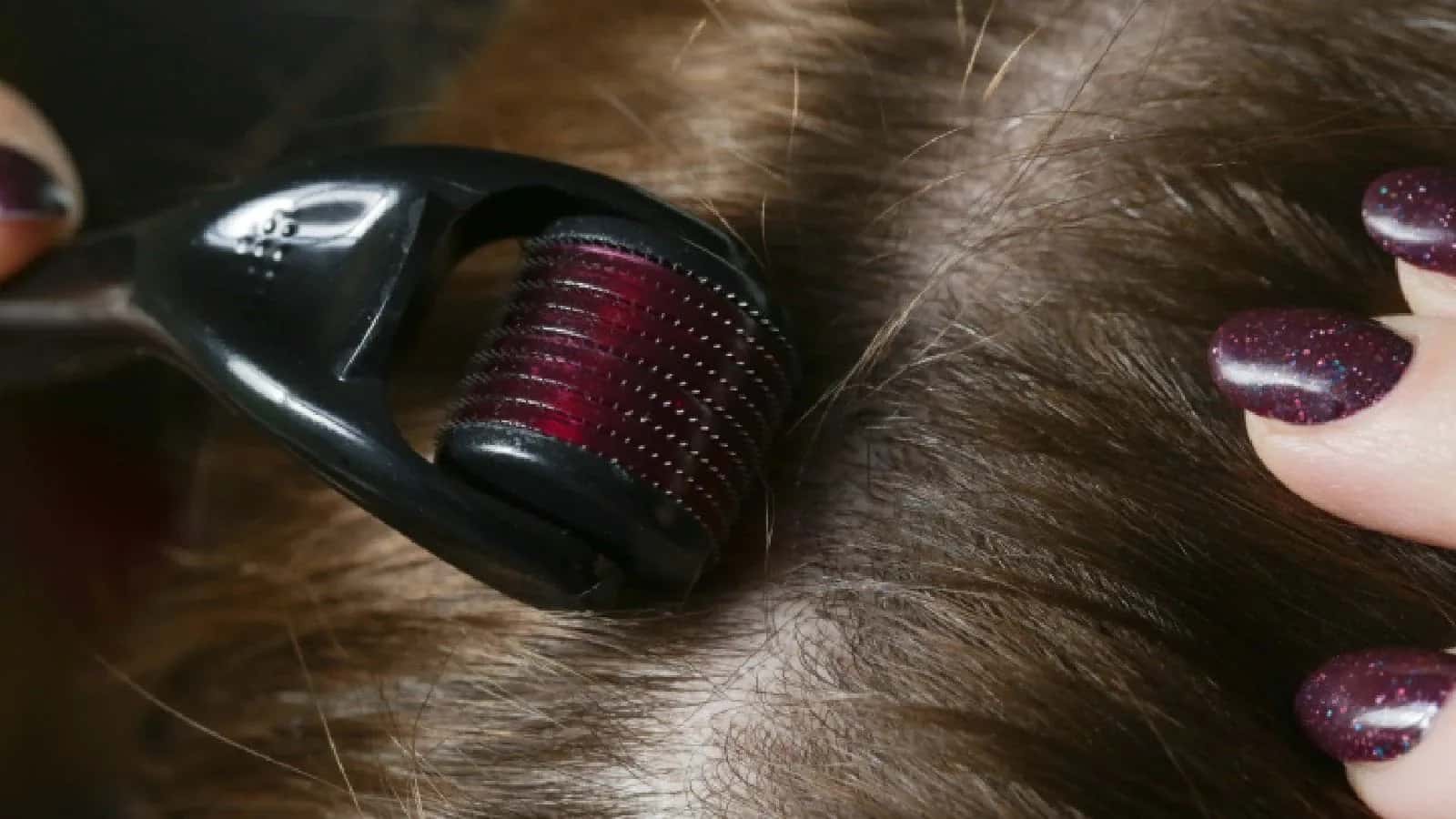
This guide explains whether a dermaroller can support hair growth, how scalp microneedling works, who may benefit, and what results can realistically be expected.
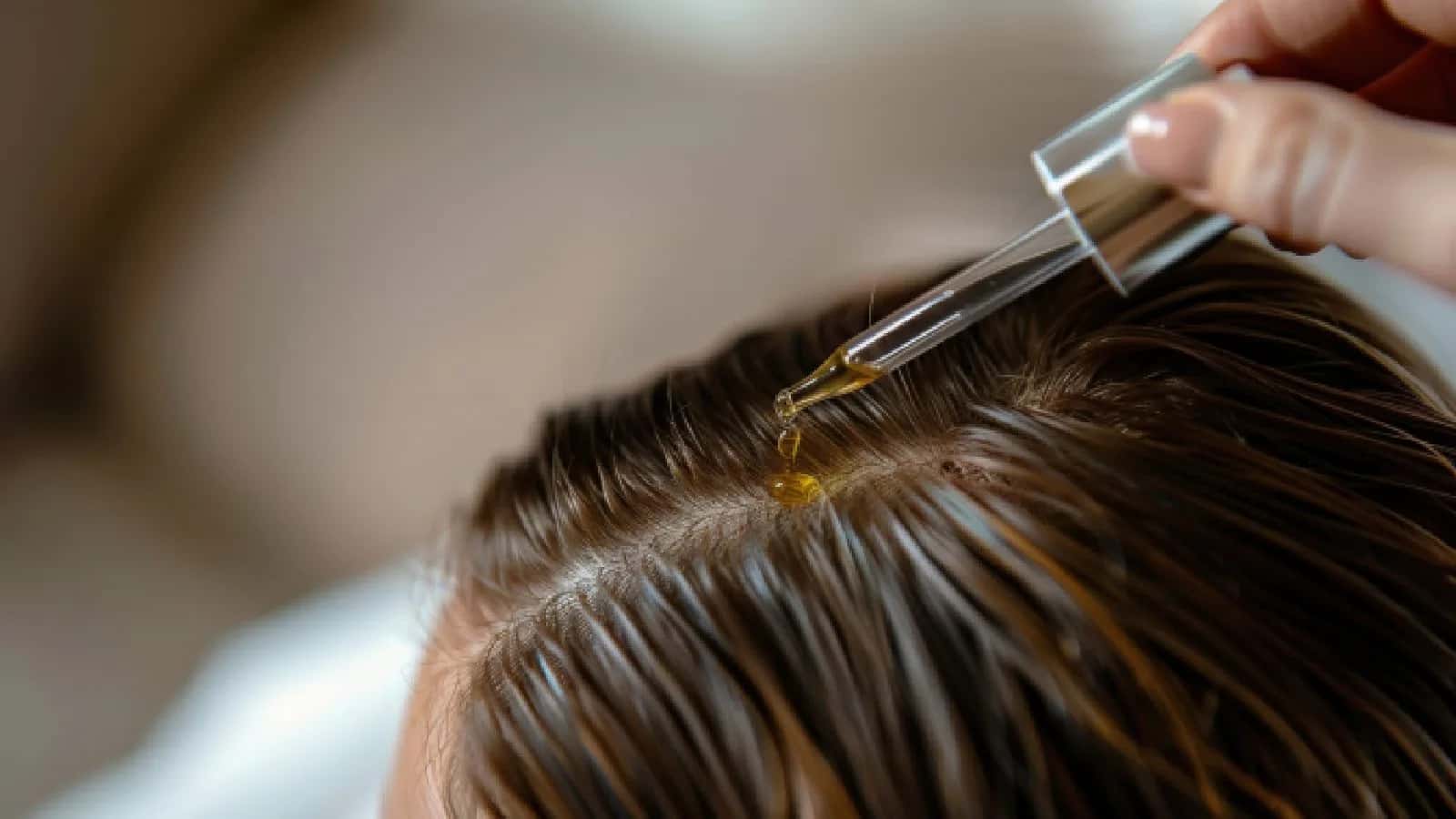
This guide explains issues associated with Procapil use, such as scalp irritation, dryness, itching, redness, concerns about hair shedding, allergic reactions, and long-term use.

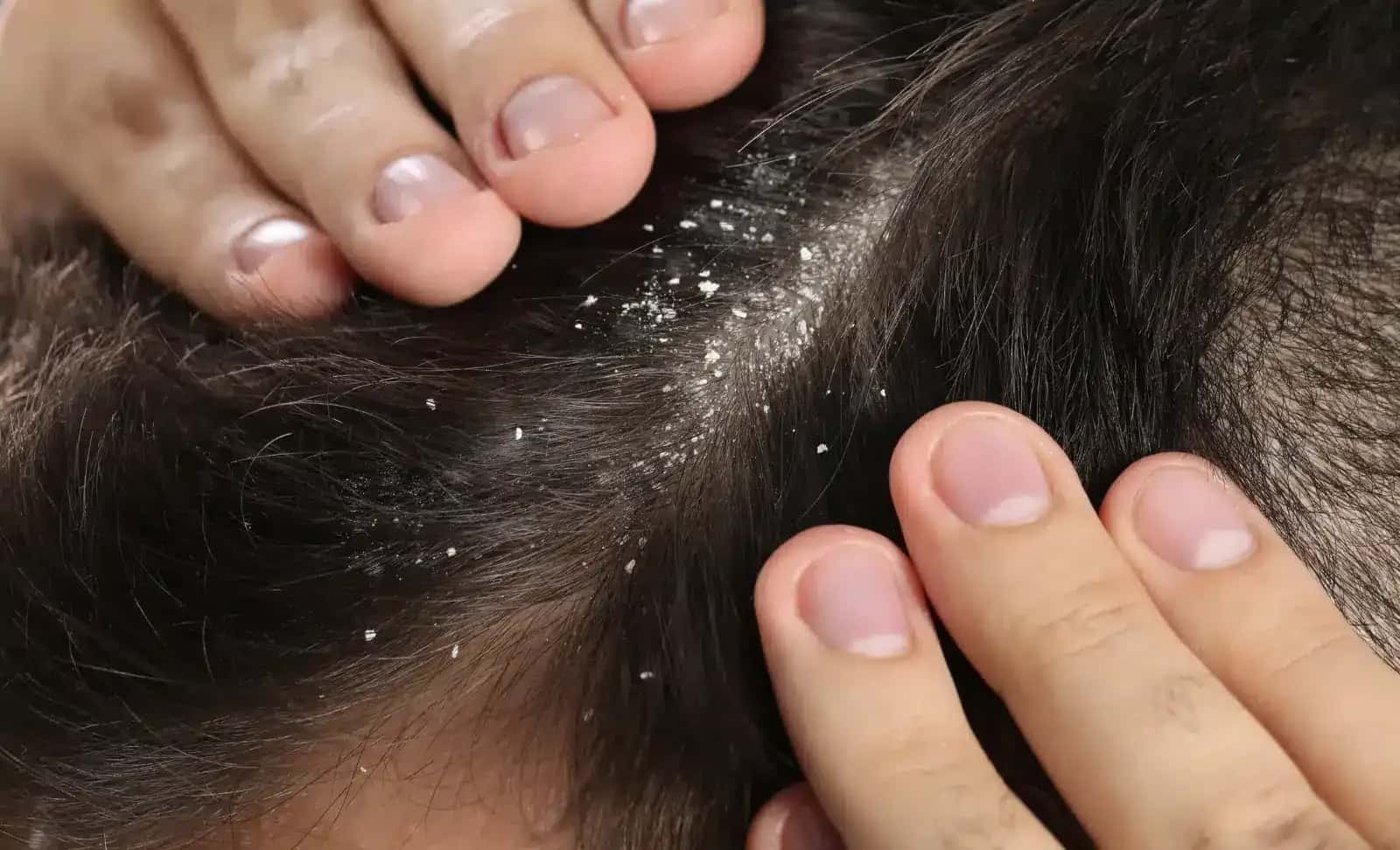
This guide explains how Nizoral shampoo works, what it is used for, how often it can be applied, and what to expect from ketoconazole scalp care.
Subscribe to the Medifinder newsletter and never miss our latest content.