










Nizoral Shampoo
This guide explains how Nizoral shampoo works, what it is used for, how often it can be applied, and what to expect from ketoconazole scalp care.

- Last updated
- 33 reads
- 10 min read


What Is Nizoral Shampoo?
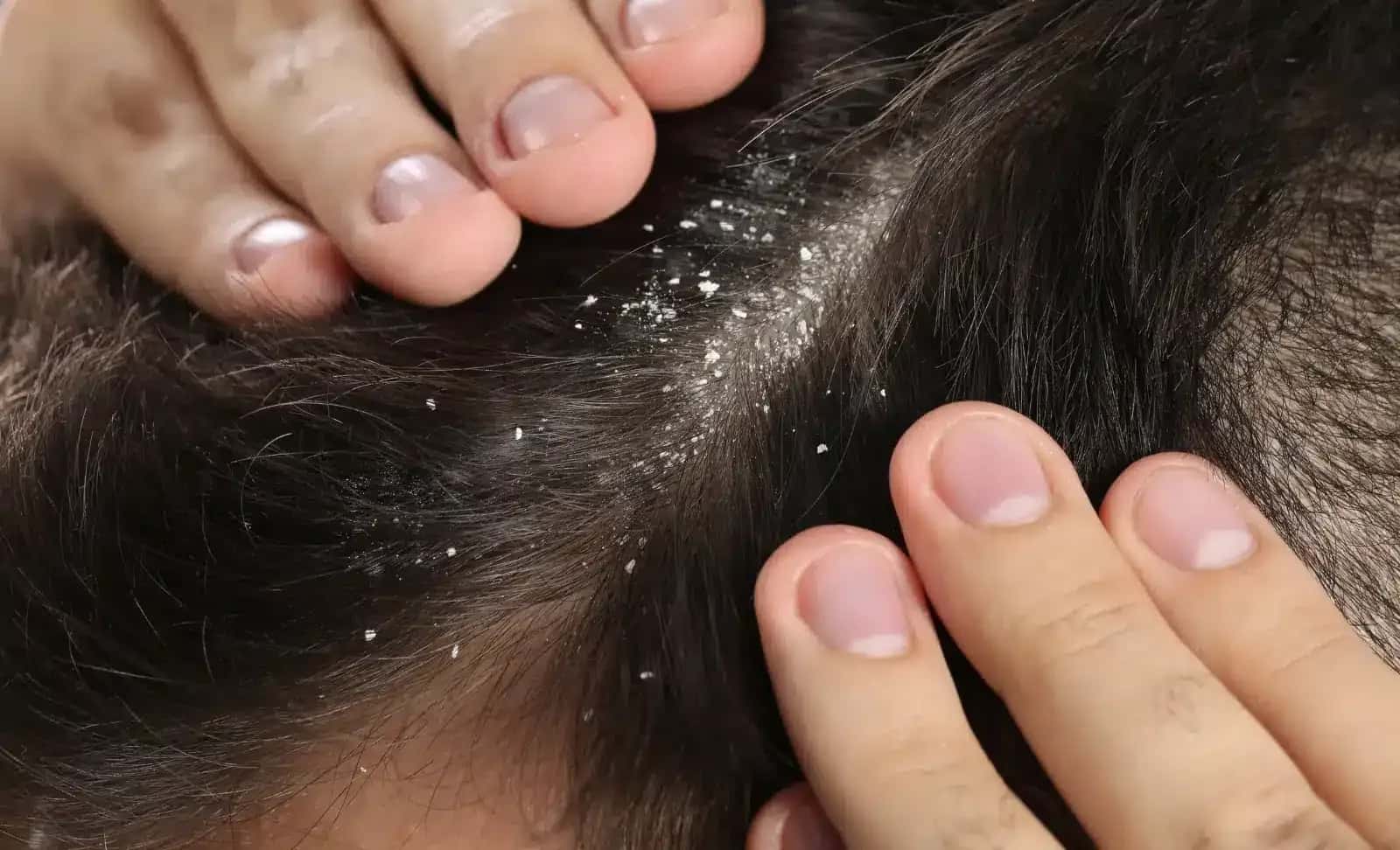
Nizoral shampoo is an antifungal scalp treatment commonly used to manage dandruff and seborrheic dermatitis.
Its main purpose is to reduce yeast activity on the scalp and improve symptoms linked to inflammation. These symptoms can include flaking, itching, redness, and excess oiliness. Nizoral is different from ordinary cosmetic shampoo because it contains an antifungal medication. It is generally used several times per week rather than as the only daily cleanser. The exact strength can vary by market, so product labeling should always be checked before use. Regular use can help control recurring scalp symptoms when yeast overgrowth plays a major role.
What Is the Active Ingredient in Nizoral Shampoo?
The active ingredient in Nizoral shampoo is ketoconazole, an antifungal medication that helps control yeast on the scalp.
Ketoconazole works by interfering with the cell membrane of certain fungi and yeasts. On the scalp, it is particularly useful when dandruff or seborrheic dermatitis is linked to Malassezia yeast. By reducing this activity, the shampoo can decrease flaking and scalp irritation over time. Different versions may contain different ketoconazole concentrations, depending on the country and product type. This means application frequency should follow the specific product instructions. Ketoconazole shampoo is therefore better understood as a targeted scalp treatment rather than a standard cleansing product.
What Is Nizoral Shampoo Used For?
Nizoral shampoo is mainly used to treat dandruff, seborrheic dermatitis, and scalp conditions associated with excess yeast activity.
It may help when the scalp develops persistent flaking, redness, itching, or greasy scales. These symptoms often occur together rather than separately. Nizoral can reduce the microbial factor contributing to the irritation, which may allow the scalp to settle. It is not designed to treat every type of scalp problem. Dry skin, psoriasis, allergic reactions, and other inflammatory conditions can create similar symptoms. The shampoo is most useful when antifungal action is relevant to the underlying cause of the scalp changes.
Does Nizoral Shampoo Help With Dandruff?
Nizoral shampoo can help reduce dandruff when excess scalp yeast contributes to flaking and irritation.
Dandruff is often associated with an overactive response to yeast naturally present on the scalp. Ketoconazole reduces this yeast activity and may gradually decrease visible flakes. It can also help with itching and redness when these symptoms occur alongside dandruff. Improvement is usually not immediate after one wash. Repeated use over several applications is generally needed before the scalp looks calmer. Once symptoms improve, less frequent maintenance use may help reduce recurrence. Consistent application matters more than using a larger amount of shampoo.
Does Nizoral Shampoo Help Seborrheic Dermatitis?
Nizoral shampoo can help control seborrheic dermatitis by reducing yeast activity and improving flaking, itching, redness, and greasy scalp buildup.
Seborrheic dermatitis often affects areas where oil production is naturally higher. The scalp is one of the most common locations. Ketoconazole targets yeast that can contribute to the inflammatory process. As the microbial load decreases, irritation may also become easier to control. The condition can still return after improvement because seborrheic dermatitis often follows a recurring pattern. Nizoral is therefore commonly used both during active symptoms and, in some routines, less frequently for maintenance.
Can Nizoral Shampoo Reduce an Itchy Scalp?
Nizoral shampoo can reduce scalp itching when the irritation is related to dandruff, seborrheic dermatitis, or yeast overgrowth.
Itching often improves as flaking and inflammation decrease. However, not every itchy scalp has a fungal component. Dryness, eczema, psoriasis, allergy, and product buildup can also create persistent itching. This is why Nizoral may work very well for one person and provide little benefit for another. If the scalp becomes more irritated after use, the shampoo may be too drying or the underlying problem may be different. Persistent itching with sores or significant redness deserves closer evaluation.
Can Nizoral Shampoo Help an Oily Scalp?
Nizoral shampoo may help an oily scalp when excess oiliness occurs together with seborrheic dermatitis or yeast-related flaking.
It does not directly switch off the sebaceous glands. Instead, it reduces scalp yeast and may improve the inflammatory environment associated with greasy scales. As symptoms settle, the scalp can feel cleaner and less coated. Someone with naturally oily hair but no dandruff may notice less benefit. Overusing antifungal shampoo can also dry the scalp and make the hair feel rough. The most balanced approach is to use Nizoral as a treatment shampoo rather than trying to remove all scalp oil with repeated washing.
Does Nizoral Shampoo Help With Hair Loss?
Nizoral shampoo is not a primary hair loss treatment, but it may support scalp health when inflammation and dandruff contribute to increased shedding.
Severe itching, scratching, and seborrheic dermatitis can make shedding appear worse. Reducing these problems may help create a healthier scalp environment. Ketoconazole has also been studied for possible supportive effects in androgen-related hair loss, but it should not replace established hair loss treatment. Pattern hair loss is driven mainly by genetics and androgen sensitivity. Nizoral may therefore be useful as an additional scalp-care step, especially when dandruff is present, rather than as a standalone solution for thinning hair.
Can Nizoral Shampoo Make Hair Thicker?
Nizoral shampoo does not directly make every hair strand thicker, although healthier scalp conditions may improve the appearance of the hair.
When dandruff, oil buildup, and inflammation decrease, the roots can look cleaner and less weighed down. This can make hair appear fuller. Reduced scalp irritation may also limit breakage caused by scratching. However, ketoconazole shampoo does not permanently increase hair shaft diameter in the same way a true growth treatment might affect miniaturized follicles. Any visible improvement in thickness is usually indirect. People with progressive thinning should therefore separate scalp care from treatments specifically designed to address hair loss.
How Often Should You Use Nizoral Shampoo?
Nizoral shampoo is generally used a few times per week during active treatment, followed by less frequent use once symptoms improve.
The correct frequency depends on the ketoconazole concentration and the instructions on the specific product. More frequent use is not automatically more effective. Overuse can dry the scalp or make the hair feel rough. On non-treatment days, a gentle regular shampoo can be used if needed. Once dandruff or seborrheic dermatitis is controlled, some people continue occasional maintenance washes. The aim is to use enough ketoconazole to manage symptoms without making the scalp unnecessarily dry or irritated.
How Long Should Nizoral Shampoo Stay on the Scalp?
Nizoral shampoo usually needs to remain on the scalp for several minutes before rinsing so the active ingredient has time to work.
Applying and immediately washing it off may reduce the contact time available for ketoconazole. The shampoo should be massaged gently into the scalp rather than only spread across the hair lengths. Aggressive scratching is unnecessary and may worsen irritation. After the recommended contact period, the product should be rinsed thoroughly. Leaving it on much longer than instructed does not guarantee better results and may increase dryness. Product labeling should guide the exact contact time because formulations can differ.
How Should You Use Nizoral Shampoo Correctly?
Nizoral shampoo works best when it is applied mainly to the scalp, left for the recommended contact time, and rinsed thoroughly.
A simple routine includes the following steps:
-
Wet the scalp and hair completely
-
Apply a small amount directly to the scalp
-
Massage gently with the fingertips
-
Avoid scratching with the nails
-
Leave the shampoo on for the instructed period
-
Rinse thoroughly with lukewarm water
-
Use conditioner on the lengths if needed
-
Follow the recommended weekly frequency
Using more product does not improve antifungal action. Consistent technique is more important than creating a large amount of foam.
Can You Use Nizoral Shampoo Every Day?
Daily Nizoral use is usually unnecessary unless the specific product instructions or a medical plan clearly recommend that frequency.
Ketoconazole shampoo can dry the scalp and hair when used too often. Most treatment routines rely on intermittent application because the antifungal effect does not require constant daily use. A gentle regular shampoo can be used between treatment days when cleansing is needed. People with very oily scalps may be tempted to use Nizoral more frequently, but excessive washing can increase irritation. The most useful frequency is the lowest schedule that controls flaking, itching, and redness without causing new dryness.
Can Nizoral Shampoo Dry Out the Hair?
Nizoral shampoo can dry the hair and scalp, especially when it is used frequently or applied repeatedly to the hair lengths.
Ketoconazole treatment is intended mainly for the scalp. The mid-lengths and ends do not need prolonged exposure unless the product is specifically being used there. Dry or chemically treated hair may feel rougher after washing. Conditioner can help restore softness without reducing the scalp treatment when applied mainly to the lengths. A moisturizing regular shampoo can also be used on non-treatment days. If dryness becomes severe, reducing unnecessary frequency may improve comfort while still maintaining antifungal benefits.
Can Nizoral Shampoo Cause Hair Shedding?
Nizoral shampoo does not commonly cause lasting hair loss, although some users may notice temporary shedding or breakage during scalp treatment.
Existing inflammation may already be increasing shedding before treatment begins. As a result, hair seen during washing can be blamed on the shampoo even when the process started earlier. Dryness can also increase breakage if the hair becomes rough. Persistent shedding should not automatically be considered a normal reaction. If hair loss continues to increase, another cause such as androgenetic alopecia, telogen effluvium, or scalp inflammation may be present. The pattern and duration matter more than a single wash.
What Are the Side Effects of Nizoral Shampoo?
The most common Nizoral shampoo side effects involve local scalp or hair changes rather than serious whole-body reactions.
Possible effects include:
-
Scalp dryness
-
Itching
-
Burning or stinging
-
Redness
-
Hair feeling rough or dry
-
Changes in scalp oiliness
-
Irritation around treated areas
-
Rare allergic reactions
Most mild effects improve after adjusting frequency or stopping use. Severe swelling, widespread rash, breathing difficulty, or intense burning should not be treated as routine irritation. The product should also be kept away from the eyes. Persistent worsening may mean the scalp condition requires a different approach.
Can You Use Conditioner After Nizoral Shampoo?
Conditioner can be used after Nizoral shampoo and may help reduce dryness, tangling, and roughness in the hair lengths.
The antifungal treatment works mainly on the scalp, so conditioner is usually best focused on the mid-lengths and ends. Applying a very heavy conditioner directly to an oily scalp may make the roots feel coated. A lightweight product can be sufficient for fine hair. Dry, curly, or chemically processed hair may need a richer formula. Conditioner does not normally cancel the action of ketoconazole once the shampoo has been properly used and rinsed. This makes it a practical step for maintaining hair softness.
Can Nizoral Shampoo Be Used With Minoxidil?
Nizoral shampoo and minoxidil can generally be included in the same hair care routine because they target different scalp and hair concerns.
Nizoral is mainly used for yeast-related dandruff and seborrheic dermatitis. Minoxidil is used to support hair growth in certain thinning conditions. The main practical issue is scalp irritation. Using both products on already sensitive skin can sometimes increase dryness or discomfort. Allowing the scalp to dry after washing before applying minoxidil can make the routine easier. If redness or burning develops, adding more products usually worsens the problem. A tolerable schedule is more useful than an aggressive one.
How Long Does Nizoral Shampoo Take to Work?
Nizoral shampoo can begin improving itching and flaking within the first few uses, while more noticeable control may take several weeks.
The timeline depends on the severity of the dandruff or seborrheic dermatitis. Mild symptoms may settle relatively quickly. Thick greasy scales and persistent redness can take longer. Regular use according to instructions is more important than expecting complete improvement after one wash. Once symptoms reduce, maintenance use may help prevent rapid recurrence. If there is little improvement after a reasonable treatment period, the scalp problem may not be primarily fungal or may require a different treatment approach.
Who Should Be Careful When Using Nizoral Shampoo?
People with very sensitive skin, broken scalp areas, known ketoconazole allergy, or unexplained severe scalp symptoms should use Nizoral cautiously.
The shampoo should not be applied aggressively to cuts, open sores, or heavily inflamed skin. Particular caution is appropriate when previous antifungal products have caused allergic reactions. Persistent scalp pain, pus, extensive crusting, or patchy hair loss may indicate a condition that needs more than routine dandruff treatment. Eye contact should also be avoided. Mild temporary dryness can occur, but significant burning or worsening inflammation is a reason to stop treating the reaction as ordinary scalp sensitivity.
Is Nizoral Shampoo Suitable for Long-Term Use?
Nizoral shampoo can be used for maintenance over time when symptoms repeatedly return, but long-term use usually involves a lower frequency than active treatment.
Dandruff and seborrheic dermatitis commonly recur because the underlying tendency remains present. Occasional maintenance washes can help keep yeast activity and flaking under control. Using the shampoo every day for months is generally unnecessary and may increase dryness. A balanced routine usually combines intermittent ketoconazole use with a gentle regular shampoo. The aim is long-term control rather than continuous intensive treatment. Scalp comfort should remain the main guide when adjusting frequency.
- Last updated
- Language
- English
How did you find this article?
This guide explains whether a dermaroller can support hair growth, how scalp microneedling works, who may benefit, and what results can realistically be expected.
This guide explains issues associated with Procapil use, such as scalp irritation, dryness, itching, redness, concerns about hair shedding, allergic reactions, and long-term use.


This guide explains how minoxidil beard serum may affect facial hair growth, including expected results, application, side effects, shedding, patchy areas, and long-term use.
Subscribe to the Medifinder newsletter and never miss our latest content.