










Procapil Side Effects: What Should You Know Before Using It?
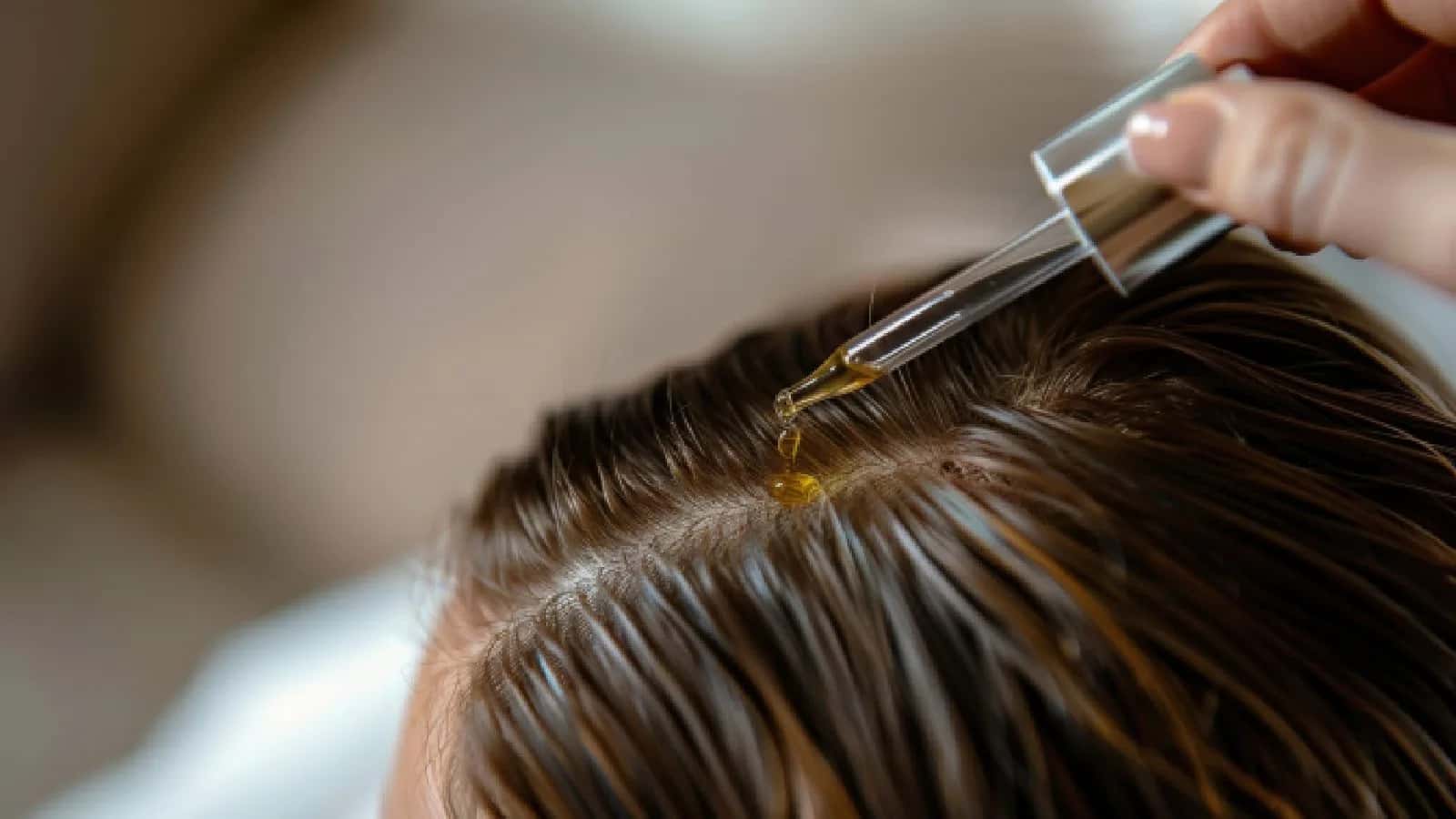
This guide explains issues associated with Procapil use, such as scalp irritation, dryness, itching, redness, concerns about hair shedding, allergic reactions, and long-term use.

- Last updated
- 41 reads
- 10 min read


What Are the Most Common Procapil Side Effects?
The most common Procapil side effects are mild scalp reactions such as itching, redness, dryness, stinging, or irritation after application.
Procapil is usually included in leave-on hair serums and scalp products rather than used as a standalone ingredient. This means a reaction may come from Procapil or another component in the formula. Alcohol, fragrance, preservatives, or botanical extracts can also irritate sensitive skin. Most mild reactions remain limited to the application area. Persistent burning, swelling, or worsening redness should not be treated as a normal adjustment period.
Can Procapil Cause Scalp Irritation?
Procapil products can cause scalp irritation, particularly when the formula contains additional ingredients that weaken or irritate sensitive skin.
Irritation may feel like tightness, tingling, warmth, or tenderness after application. The scalp can also become more reactive when the product is applied after scratching, microneedling, or aggressive exfoliation. Using several active scalp products together may increase the problem. Mild temporary tingling is different from ongoing burning or soreness. If irritation becomes progressively stronger with each application, continuing the same routine can further disturb the scalp barrier rather than improve hair care.
Can Procapil Cause Itching?
Procapil may be associated with itching when the scalp reacts to the active blend or another ingredient within the product.
Mild itching can appear shortly after application and disappear once the product dries. Persistent itching is more concerning, especially when it develops with redness, flaking, or small bumps. Fragrance, alcohol, preservatives, and plant extracts can also trigger this response. Scratching should be avoided because it can damage the scalp surface and increase inflammation. When itching repeatedly returns after each application, stopping the product temporarily can help determine whether the formula is responsible.
Can Procapil Cause Redness?
Procapil products can cause scalp redness when the skin becomes irritated or develops sensitivity to one of the ingredients in the formulation.
Redness may appear around the hairline, temples, crown, or wherever the serum has been applied. A mild color change that disappears quickly may reflect temporary irritation. Redness that remains for hours or becomes stronger after repeated use deserves more attention. The risk may increase when the scalp barrier is already damaged. Applying the serum immediately after strong exfoliation or microneedling may also intensify the reaction because the product can penetrate irritated skin more easily.
Can Procapil Dry Out the Scalp?
Procapil formulations can dry out the scalp when they contain alcohol or other fast-drying ingredients that remove moisture from the skin surface.
The active blend itself is not necessarily the only cause of dryness. Many hair serums use alcohol-based vehicles to help the product spread and dry quickly. Repeated application can leave some scalps feeling tight or rough. Dryness may later lead to itching or visible flaking. Using more serum usually makes the problem worse rather than improving results. A gentler application frequency and a less drying scalp routine can help reduce discomfort.
Can Procapil Cause Flaking or Dandruff?
Procapil products may cause flaking when repeated application dries or irritates the scalp, although this does not always represent true dandruff.
Dry skin can shed small white flakes that resemble dandruff. Product residue may also build up around the hair roots and create a similar appearance. True dandruff is commonly linked to scalp oil and yeast activity rather than one cosmetic ingredient. If flaking begins soon after starting a new Procapil serum, the formulation may be contributing. Persistent greasy scales, strong itching, or redness may indicate a separate scalp condition rather than simple product dryness.
Can Procapil Cause Hair Shedding?
Procapil is not widely associated with a predictable shedding phase, so new hair loss should not automatically be considered a normal treatment response.
Some hair treatments can temporarily alter the hair cycle, but Procapil does not have the same established shedding pattern associated with certain growth medications. Hair seen during the first weeks may reflect an existing shedding problem that was already underway. Scalp irritation can also make shedding appear worse if inflammation becomes significant. Persistent increases in hair loss deserve attention, especially when the timing clearly follows product use. Shedding should be assessed separately from expected cosmetic changes.
Can Procapil Make Hair Loss Worse?
Procapil is not expected to directly accelerate pattern hair loss, but severe scalp irritation from a Procapil product could indirectly increase shedding.
An inflamed scalp can become itchy and uncomfortable, which may lead to scratching and hair breakage. Significant irritation can also disturb the normal scalp environment. However, progressive androgenetic hair loss can continue even while Procapil is being used. This progression may create the impression that the product caused worsening. Procapil should not be assumed to stop every form of hair loss. Continued thinning may simply mean the underlying condition remains active despite cosmetic treatment.
Can Procapil Cause an Allergic Reaction?
An allergic reaction is possible with a Procapil serum because any topical product can trigger sensitivity to an active ingredient, preservative, fragrance, or botanical component.
Possible signs include:
-
Persistent redness
-
Intense itching
-
Swelling
-
Rash
-
Raised bumps
-
Burning
-
Skin peeling
-
Irritation spreading beyond the application area
A mild tingling sensation is not the same as an allergic reaction. Symptoms that become stronger after repeated applications may suggest sensitization. Facial swelling, breathing difficulty, or a rapidly spreading reaction requires urgent medical attention rather than continued cosmetic use.
Can Procapil Cause a Burning Sensation?
A Procapil product can cause burning when the scalp barrier is irritated or when the formulation contains ingredients that sensitive skin does not tolerate.
Burning is more likely when the serum is applied to scratched, inflamed, freshly exfoliated, or recently microneedled skin. High alcohol content can also create a sharp stinging sensation. Mild temporary warmth may settle quickly, but prolonged burning should not be ignored. Washing the scalp and discontinuing the product may be appropriate if discomfort becomes significant. Repeated burning after every application suggests the formula is not being tolerated well.
Can Procapil Cause Scalp Acne or Bumps?
Procapil serums can sometimes contribute to scalp bumps when the overall formula blocks follicles, irritates the skin, or leaves heavy residue around the roots.
Small bumps may also represent folliculitis, contact irritation, or acne-like reactions rather than true acne. Thick oils and heavy leave-on ingredients can increase buildup in people with oily scalps. Sweating may make the problem more noticeable. Applying large amounts also increases residue without guaranteeing better hair results. Recurrent painful bumps, pus-filled lesions, or widespread inflammation should not be managed simply by applying more hair serum over the affected area.
Can Procapil Cause Headaches or Dizziness?
Headaches and dizziness are not considered typical Procapil reactions, so persistent symptoms should not automatically be attributed to the ingredient blend.
Topical cosmetic use generally produces limited systemic exposure. However, individual formulations contain different ingredients, and personal sensitivity can vary. Strong fragrance may trigger headaches in some people independently of Procapil. Dizziness can also have many unrelated causes. If symptoms repeatedly begin shortly after application and resolve when the product is stopped, the timing deserves attention. Severe dizziness, fainting, chest symptoms, or neurological changes require medical assessment rather than routine product adjustment.
Does Procapil Have Hormonal Side Effects?
Procapil is not known to produce the established hormonal side-effect profile associated with systemic hormone-modifying hair loss medications.
The blend is commonly formulated with components intended to support the follicle environment and reduce factors linked to miniaturization. However, claims about hormone-related effects should not be confused with the systemic action of prescription medications. Reliable evidence showing significant changes in circulating hormone levels from topical Procapil is limited. People should therefore avoid assuming it produces the same hormonal effects as oral anti-androgen treatment. Its safety profile is better understood as that of a topical cosmetic active blend.
Can Procapil Affect Blood Pressure?
Procapil is not generally associated with clinically significant blood pressure changes when used topically as directed.
This differs from certain hair loss medications that can influence circulation or cardiovascular function. Procapil is designed for local scalp application and is not known for a strong blood pressure effect. However, severe dizziness, fainting, palpitations, or unusual weakness should never be ignored simply because a product is topical. These symptoms may have another cause or reflect sensitivity to another ingredient. Applying excessive amounts also provides no proven advantage and should be avoided.
Can Procapil Cause Sexual Side Effects?
Sexual side effects are not recognized as a typical consequence of topical Procapil use.
This concern often comes from comparisons with hair loss treatments that influence androgen pathways more strongly. Procapil does not have the same established systemic pharmacological profile. Evidence linking topical Procapil to reduced libido, erectile problems, or other sexual symptoms is lacking. However, individual symptoms should still be evaluated based on timing and other medications or health factors. A new symptom should not automatically be blamed on Procapil, but it should also not be dismissed without considering the full context.
Are Procapil Side Effects Different in Serums and Sprays?
Side effects can differ between Procapil serums and sprays because the complete formulation determines how the scalp reacts, not only the Procapil ingredient.
A spray may contain more alcohol to dry quickly, which can increase tightness or stinging. A serum may contain heavier emollients that feel greasy or contribute to buildup. Fragrance and preservatives can also differ between products. Two formulas containing the same concentration of Procapil may therefore feel completely different on the scalp. When irritation develops, evaluating the entire ingredient list is often more useful than assuming Procapil alone caused the problem.
Can Procapil Be Used on a Sensitive Scalp?
Procapil may be tolerated by sensitive scalps, but formulas containing alcohol, fragrance, or multiple active ingredients can increase the likelihood of irritation.
Sensitive skin usually responds better when new products are introduced gradually. Applying the product to a small area first can help reveal obvious redness or itching before wider use. The scalp should also be free from cuts, active inflammation, or severe dermatitis. Layering Procapil with several exfoliating or stimulating scalp treatments can make reactions harder to identify. A simple routine makes it easier to determine whether the product itself is being tolerated.
Can Procapil Be Used With Minoxidil?
Procapil and minoxidil may be used within the same hair care routine, but combining them can increase scalp dryness or irritation in sensitive users.
Minoxidil has a more established role in supporting hair growth, while Procapil is commonly included in cosmetic anti-hair-loss products. The main concern with combining them is local tolerance. Alcohol-based formulas may compound dryness, redness, or flaking. Applying several leave-on products at the same time can also create residue. A routine should remain comfortable enough for consistent use. Persistent burning or dermatitis is a reason to simplify the regimen rather than add more products.
What Happens If You Use Too Much Procapil?
Using too much Procapil is unlikely to produce faster hair growth and may instead increase residue, irritation, itching, or scalp dryness.
Leave-on products work best when the recommended amount is distributed evenly across the intended area. Saturating the scalp does not create a stronger follicle response. Excess liquid can run onto the forehead and face, increasing the chance of skin irritation. Heavy application may also make the roots greasy or create buildup. Following the product instructions is more useful than increasing the dose independently. More topical product should never be assumed to produce proportionally better results.
When Should You Stop Using Procapil?
Procapil should be stopped when it causes persistent burning, significant redness, swelling, intense itching, worsening rash, or other symptoms suggesting poor tolerance.
Mild temporary tingling may not require immediate concern, especially with a new serum. Symptoms that become stronger with repeated use are more important. Continued application over an inflamed scalp can prolong irritation and make it harder to identify the cause. Severe reactions require particular caution. Facial swelling, breathing difficulty, fainting, or widespread rash need urgent medical attention. A cosmetic hair product should never be continued simply because mild irritation was expected.
Are Procapil Side Effects Permanent?
Most mild Procapil-related scalp side effects are expected to improve after the irritating product is discontinued and the skin barrier is allowed to recover.
Temporary dryness, redness, itching, and mild flaking usually do not imply permanent scalp damage. Recovery may take longer when the product has been used repeatedly despite significant irritation. Persistent dermatitis can also require targeted treatment before the scalp returns to normal. There is little evidence suggesting that standard topical Procapil use causes permanent systemic side effects. Long-lasting symptoms should therefore prompt evaluation for another scalp condition, allergy, or unrelated medical cause rather than being automatically attributed to Procapil.
- Last updated
- Language
- English
How did you find this article?
This guide explains whether a dermaroller can support hair growth, how scalp microneedling works, who may benefit, and what results can realistically be expected.

This guide explains how Nizoral shampoo works, what it is used for, how often it can be applied, and what to expect from ketoconazole scalp care.

This guide explains how minoxidil beard serum may affect facial hair growth, including expected results, application, side effects, shedding, patchy areas, and long-term use.
Subscribe to the Medifinder newsletter and never miss our latest content.