










Spironolactone for Hair Loss
Learn how spironolactone for hair loss works, who may benefit, when results appear, possible side effects and what to expect from treatment.

- Last updated
- 148 reads
- 10 min read


Hair thinning can develop for many reasons, from stress and nutritional deficiencies to hormonal changes and inherited sensitivity. When androgens contribute to the problem, dermatologists may consider spironolactone as part of a long-term treatment plan.
Spironolactone is not a general cure for every form of hair loss. It mainly helps selected women with female pattern hair loss, particularly when hormonal activity appears to play a role. The medication may slow excessive shedding, protect weakened follicles and improve density over time. However, it requires a prescription, medical supervision and patience.
You should not expect an overnight transformation. Hair grows slowly, and spironolactone works by changing the environment around the follicle rather than instantly producing new strands. Most people need several months before they can evaluate whether treatment is making a difference.
Understanding how spironolactone works, who can take it and which side effects require attention will help you approach the treatment with realistic expectations.
What Is Spironolactone?
Spironolactone is a prescription medication that belongs to a group of drugs known as potassium-sparing diuretics. Doctors commonly use it to manage conditions such as high blood pressure, fluid retention and certain heart problems.
The medication also has antiandrogen effects. Androgens are hormones that include testosterone and dihydrotestosterone. Everyone produces them, although their levels and effects vary.
In some women, hair follicles show greater sensitivity to androgen activity even when blood tests reveal normal hormone levels. This sensitivity can gradually shorten the active growth stage and cause follicles to produce finer, shorter strands.
Spironolactone can reduce the effect of androgens on certain tissues. For that reason, dermatologists sometimes prescribe it for hormonal acne, unwanted facial hair and female pattern hair loss.
Is Spironolactone Approved for Hair Loss?
Spironolactone does not carry specific regulatory approval as a hair loss treatment. Doctors prescribe it “off-label” when they believe its antiandrogen effects may benefit an individual patient.
Off-label prescribing does not mean that a medication is experimental or automatically unsafe. It means that the official product licence does not list that particular condition as an approved indication.
Dermatologists have used spironolactone in women with pattern hair loss for many years. Clinical studies and practical experience suggest that it can help some patients, especially when doctors combine it with another proven treatment.
However, the evidence remains less extensive than the research supporting some established hair growth medications. Results also differ considerably between patients.
How Does Spironolactone Help Hair Loss?
Female pattern hair loss causes gradual follicle miniaturisation. As the condition progresses, affected follicles produce strands that look thinner and grow for shorter periods. The hair may provide less coverage even though the follicles remain present.
Spironolactone blocks androgen receptors and reduces some androgen-related activity. This action may protect sensitive follicles from continued miniaturisation.
The medication does not create new follicles. Instead, it aims to preserve the follicles you still have and help them produce healthier strands. For this reason, treatment often works better during the early or moderate stages of thinning.
Some people first notice less shedding. Others see a gradual improvement in the width of their part or the appearance of density around the crown. A smaller group may experience little visible change.
Which Type of Hair Loss Responds Best?
Spironolactone primarily helps women with female pattern hair loss, also called female androgenetic alopecia. This condition usually causes diffuse thinning across the upper scalp and a widening central part. The frontal hairline often remains relatively intact, although the area behind it may lose density.
Women with signs of increased androgen activity may also make suitable candidates. These signs can include persistent hormonal acne, unwanted facial hair or irregular menstrual cycles. However, you do not need an abnormal hormone test to have androgen-sensitive follicles.
Spironolactone will not address every cause of shedding. It does not directly correct iron deficiency, thyroid disease, severe calorie restriction or stress-related telogen effluvium. It also cannot restore follicles destroyed by scarring alopecia.
A dermatologist should identify the pattern before recommending treatment.
Can Spironolactone Treat Sudden Hair Shedding?
Spironolactone usually targets gradual pattern thinning rather than sudden, temporary shedding.
A high fever, surgery, childbirth, rapid weight loss, emotional stress or nutritional deficiency can push many follicles into the resting phase at the same time. The resulting condition, known as telogen effluvium, often causes diffuse shedding several months after the original trigger.
In these situations, correcting the trigger matters more than blocking androgen activity. Your hair may begin to recover naturally after your health, weight or nutritional intake stabilises.
However, temporary shedding can expose previously subtle female pattern hair loss. A dermatologist may then recommend spironolactone to manage the underlying hereditary component rather than the temporary event itself.
How Long Does Spironolactone Take to Work?
Hair treatments require time because follicles follow a slow biological cycle. Spironolactone may begin affecting hormonal activity relatively early, but visible changes usually develop much later.
You may notice reduced shedding after three to six months of consistent treatment. Improvements in density can take six to twelve months because new strands need time to grow long enough to change the appearance of your scalp.
Some patients continue to improve beyond the first year. Others achieve stabilisation rather than obvious regrowth. Preventing further deterioration can still represent a successful result, particularly when thinning was progressing steadily before treatment.
Take photographs before starting. Use the same lighting, angle, hairstyle and camera distance every few months. This method offers a more accurate comparison than checking your part in the mirror each day.
How Effective Is Spironolactone for Hair Loss?
Research suggests that spironolactone can improve or stabilise hair loss in a meaningful proportion of women with female pattern thinning. Results often appear stronger when doctors combine it with another treatment, such as topical minoxidil.
However, study quality and treatment schedules vary. Some studies include small groups, while others combine spironolactone with additional therapies. This variation makes it difficult to predict an exact success rate for an individual patient.
Your response may depend on your age, diagnosis, stage of thinning, follicle sensitivity, dose, treatment duration and consistency. Nutritional deficiencies or untreated medical conditions may also limit progress.
Spironolactone tends to work best as part of a personalised plan rather than as a universal solution.
Can You Combine Spironolactone With Minoxidil?
Dermatologists often combine spironolactone with minoxidil because the two treatments work in different ways.
Spironolactone aims to reduce the hormonal influence that contributes to follicle miniaturisation. Minoxidil supports follicle activity and helps extend the active growth stage. Together, they may address both the trigger and the growth process.
You can use topical minoxidil directly on the scalp. Some specialists also prescribe low-dose oral minoxidil in carefully selected patients, although this option requires additional medical consideration.
Starting more than one treatment at the same time can make side effects harder to interpret. Your dermatologist may prefer to introduce them separately.
Do not combine prescription treatments without professional advice, especially if you have low blood pressure, kidney problems or cardiovascular conditions.
What Side Effects Can Spironolactone Cause?
Spironolactone affects fluid balance, blood pressure and hormone-sensitive tissues, so side effects can occur.
You may notice increased urination, particularly when you first begin treatment. Other possible effects include dizziness, fatigue, headaches, breast tenderness and menstrual irregularities. Some people feel light-headed when they stand up quickly because the medication can lower blood pressure.
Irregular or more frequent periods can become inconvenient for premenopausal women. A clinician may discuss suitable contraceptive options when appropriate, although the choice depends on your health and individual risk factors.
Side effects may improve after your body adjusts, but you should report persistent or troublesome symptoms. Do not change the dose yourself.
Seek urgent medical advice if you develop severe weakness, an irregular heartbeat, fainting, significant dehydration or symptoms of a serious allergic reaction.
Why Does Potassium Matter?
Spironolactone helps the body retain potassium. In some people, this effect can raise potassium in the blood to an unsafe level, a condition called hyperkalaemia.
The risk increases when you have impaired kidney function or take other medications that also raise potassium. Certain blood pressure medicines, potassium supplements and potassium-containing salt substitutes may create additional risk.
Your prescriber may request blood tests before treatment and during follow-up. These tests can assess potassium levels and kidney function. Monitoring requirements vary according to your age, health, medication list and individual risk profile.
Do not begin potassium supplements simply because you are taking a diuretic. Spironolactone behaves differently from diuretics that lower potassium.
Tell your clinician about every prescription drug, over-the-counter medicine and supplement you use.
Can You Take Spironolactone During Pregnancy?
Spironolactone is not considered an appropriate hair loss treatment during pregnancy. Its antiandrogen activity creates a potential risk to fetal development, particularly for a male fetus.
You should tell your prescriber if you are pregnant, planning pregnancy or could become pregnant during treatment. Your clinician can explain suitable contraception and when you need to stop the medication before trying to conceive.
Do not continue spironolactone during pregnancy unless a specialist has reviewed your situation for another serious medical indication. Hair loss treatment alone does not justify exposing a pregnancy to an avoidable risk.
Breastfeeding decisions also require individual medical advice. Your doctor can weigh your dose, the reason for treatment and your baby’s health before making a recommendation.
Can Men Take Spironolactone for Hair Loss?
Doctors do not usually prescribe oral spironolactone to men for common male pattern hair loss. Its systemic antiandrogen effects can cause unwanted hormonal side effects, including breast enlargement, reduced libido and sexual dysfunction.
Men with androgenetic alopecia generally have other treatment options that better match the condition. A dermatologist may discuss topical minoxidil, appropriate prescription medication, light-based treatments or hair transplantation depending on the stage of loss.
Topical spironolactone has attracted interest because it may create less systemic exposure, but evidence remains limited and product quality can vary. You should not assume that a topical preparation offers the same benefits as an established treatment.
Men should seek a diagnosis and use therapies designed for their medical profile.
Who Should Avoid Spironolactone?
Spironolactone may not suit you if you have high potassium levels, certain kidney conditions, adrenal insufficiency or a history of serious reactions to the medication.
Your medical history matters because the drug can affect blood pressure and fluid balance. Frequent vomiting, diarrhoea or dehydration may increase the risk of complications. Older patients and people who use several medications may require closer monitoring.
Some painkillers, blood pressure drugs and other diuretics can interact with spironolactone. Supplements and salt substitutes may also contain potassium.
Provide your prescriber with a complete medication list before beginning treatment. Do not rely on the fact that a product is “natural” or available without a prescription. It can still affect potassium, blood pressure or kidney function.
Will Hair Loss Return After You Stop?
Female pattern hair loss usually follows a chronic, progressive course. Spironolactone manages the condition while you take it; it does not permanently remove the underlying genetic sensitivity.
If the medication has been protecting your follicles, stopping it may allow thinning to resume. You may notice renewed shedding several months later as the hair cycle responds to the change.
Do not stop suddenly because your hair looks better. Discuss your long-term plan with your dermatologist first. The specialist may continue treatment, adjust the dose or recommend another option based on your response and health.
You may need to stop before pregnancy, because of side effects or when blood tests reveal a concern. In those situations, your doctor can help you transition safely.
How Can You Support Better Results?
Take spironolactone exactly as prescribed and attend recommended follow-up appointments. Consistency matters more than occasional changes based on how your hair looks on a particular day.
Support healthy growth with adequate protein, iron-rich foods and a balanced diet. Avoid extreme weight-loss plans, as rapid weight changes can trigger additional shedding.
Treat your hair gently. Reduce frequent bleaching, harsh chemical processing and excessive heat. Avoid tight hairstyles that pull around the temples and hairline.
You should also manage scalp conditions such as persistent dandruff or inflammation. A comfortable, healthy scalp will not cure genetic thinning, but untreated irritation can make shedding and breakage more difficult to manage.
Avoid taking multiple hair supplements unless testing reveals a specific deficiency. More vitamins do not automatically produce more hair.
When Should You See a Dermatologist?
Arrange a professional assessment when your part continues to widen, your ponytail becomes noticeably smaller or your scalp shows more clearly than before.
Seek advice sooner if hair loss develops suddenly, creates round patches or occurs with scalp pain, burning, redness or heavy scaling. These features may indicate a condition that spironolactone cannot treat.
A dermatologist can examine your scalp, assess follicle size and review your medical history. Blood tests may help when your symptoms suggest iron deficiency, thyroid disease or hormonal imbalance.
Bring a list of your medications and explain whether you have irregular periods, acne, unwanted facial hair, recent weight changes or a family history of thinning. These details can help the specialist build a more accurate treatment plan.
- Last updated
- Language
- English
How did you find this article?
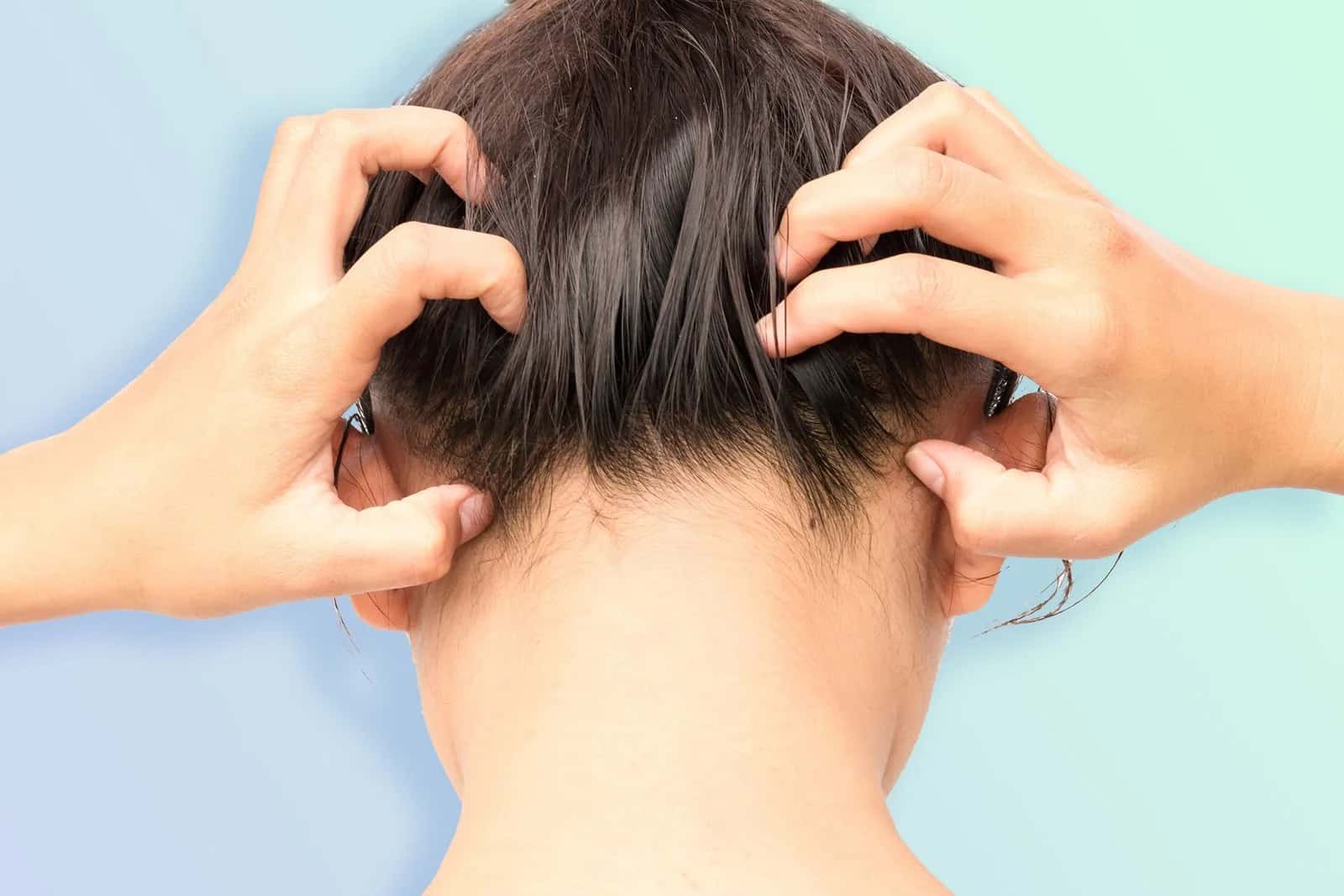
Air conditioning can dry out your scalp by reducing indoor humidity and affecting the skin's ability to maintain adequate moisture. Prolonged exposure to dry, cooled air may contribute to itching, flaking, tightness, and irritation, particularly when the scalp is already sensitive or prone to dryness.
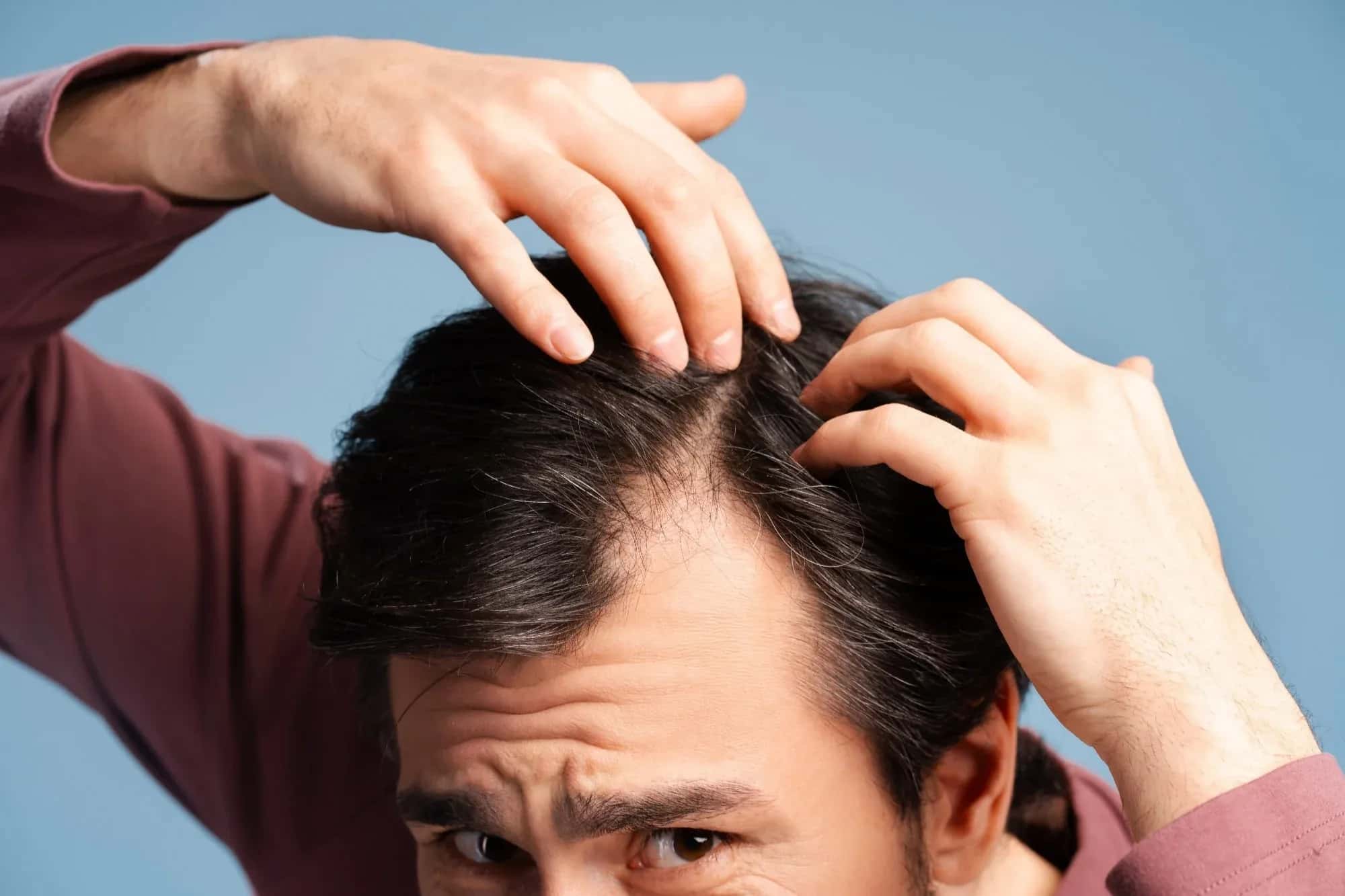
Certain dietary supplements can cause hair loss when taken in excessive amounts, particularly products containing high doses of vitamin A, selenium, or other concentrated nutrients. While supplements can help correct nutritional deficiencies that affect hair growth.
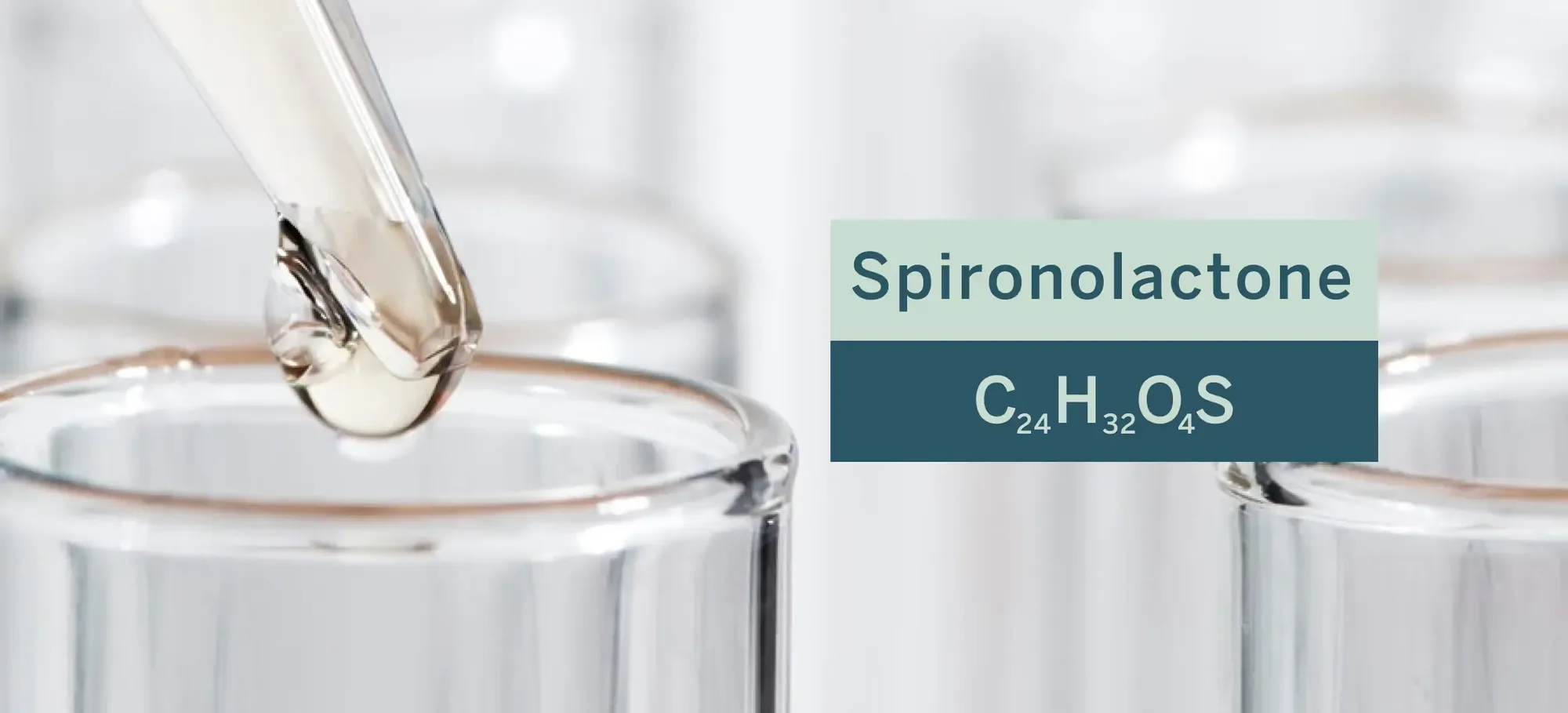
Spironolactone for female hair loss can help slow progressive thinning and improve hair density by reducing the effects of androgens on sensitive hair follicles. Although this prescription medication is not specifically approved for hair loss, clinical research supports its use in selected women.
Subscribe to the Medifinder newsletter and never miss our latest content.