










Sneezing After Hair Transplantation
Sneezing after a hair transplant usually does not, on its own, damage the transplanted hair grafts. Click now for detailed information.

- Last updated
- 236 reads
- 10 min read


Sneezing after a hair transplant usually does not directly damage the transplanted hair grafts on its own; the main concern is sudden head movements during sneezing, touching the transplanted area, or straining the scalp during the first days after the procedure. Especially during the first days following a hair transplant operation, patients need to behave more carefully with natural reflexes because the graft settlement process is still ongoing. Sneezing is one of these reflexes.
Many people who undergo hair transplantation worry about coughing, sneezing, bending over, or accidentally touching the transplanted area while sleeping after the operation. This concern is understandable because the transplanted hair follicles are sensitive during the first days after the procedure, and the healing process has only just begun. However, controlled sneezing does not create enough force to directly dislodge the hair grafts. The real risk is more related to touching the area with the hands, shaking the head harshly, or hitting the transplanted area during sneezing.
Following the doctor’s instructions during the postoperative care process is important for the healthy attachment of the hair grafts. During the first days, it is necessary not to touch or scratch the transplanted area, avoid impacts, and correctly follow washing instructions. These recommendations also help the process progress more safely during involuntary situations such as sneezing. The first 7-10 days are considered more sensitive in terms of graft protection, and unnecessary contact with the scalp is not recommended during this period.
Causes of Sneezing After Hair Transplantation
Sneezing after a hair transplant may not always be directly related to the operation itself. A person may sneeze due to pre-existing allergies, seasonal sensitivities, dusty environments, dry air, nasal congestion, or the common cold. Some antiseptic odors used during and after the operation, the clinic environment, the anesthesia process, or dryness inside the nose may also trigger the sneezing reflex.
In some patients, changes in sleeping patterns after hair transplantation, having to keep the head elevated, and breathing through the mouth may cause dryness in the nose and throat area. This dryness may increase the urge to sneeze, especially in the morning. In addition, pollen, house dust, and air conditioner use during seasonal changes may also make sneezing more frequent.
The sneezing reflex is a natural defense mechanism of the body. It occurs to remove irritating substances from inside the nose. Therefore, completely preventing sneezing is not always possible. What matters after hair transplantation is not trying to suppress sneezing, but behaving in a controlled way to protect the transplanted area during sneezing. Forcefully holding in a sneeze may increase pressure in the face and head area, which can make the patient feel even more uncomfortable.
Does Sneezing After Hair Transplantation Damage the Grafts?
Whether sneezing after hair transplantation damages the grafts generally depends on the intensity of the sneeze, how much time has passed since the operation, and how the patient behaves during the sneeze. A normal sneeze alone usually does not create a serious problem. However, since the transplanted area is sensitive during the first days, unnecessary contact and sudden movements should be avoided.
-
A normal strength sneeze generally does not dislodge hair grafts.
-
Throwing the head forward harshly or hitting it somewhere while sneezing may create risk.
-
Pressing on the transplanted area with the hand while sneezing may damage the grafts.
-
Tissues or napkins should only be used around the nose and mouth and should not touch the transplanted area.
-
If bleeding, noticeable discharge, or suspected graft loss occurs after sneezing, the clinic should be contacted.
-
If frequent and severe sneezing occurs during the first days, supportive measures approved by the doctor should be taken.
Graft displacement is usually noticeable. A small bleeding point, a dislodged hair follicle, or an unexpected opening in the transplanted area may be observed. In such cases, intervening with the area is not recommended. Trying to place the graft back, rubbing the transplanted area, or removing crusts may negatively affect the healing process. In suspicious situations, the safest approach is to contact the clinic that performed the operation. (Tsilosani Clinic)
The Importance of Being Careful During the First Days
The first days after hair transplantation are a sensitive period for both the transplanted area and the donor area. During this process, the hair follicles begin adapting to their new locations. Small crusts form on the skin surface, mild redness may appear, and tightness may be felt on the scalp. Sneezing, coughing, or sudden reflexes become more noticeable during this period because the patient naturally feels concerned about protecting the hair grafts.
The first 48 hours are generally considered the most critical period. During this time, the head should not be exposed to impacts, the transplanted area should not rub against the pillow, and the scalp should not be touched. When the urge to sneeze occurs, it is beneficial to keep the head as stable as possible and avoid suddenly throwing the body forward. The nose and mouth may be covered with a tissue, but care should be taken not to let the tissue touch the transplanted area.
Within the first week, crusting may become more noticeable. These crusts are a natural part of the healing process and should not be forcefully removed. Feeling tightness or mild soreness on the scalp after sneezing alone is not a reason to panic. However, if bleeding, increasing pain, or redness develops in the same area, medical evaluation is necessary. Avoiding rubbing or scratching the area is one of the basic rules frequently emphasized in postoperative hair transplant care to protect the grafts.
Factors That Increase Sneezing
In people who experience sneezing after hair transplantation, there is often a simple underlying trigger. House dust, pollen, perfume, cigarette smoke, cleaning products, air conditioning, and dry environments may irritate the nasal mucosa. Spending more time indoors during the postoperative rest period may also increase exposure to these triggers.
Sneezing after hair transplantation may occur more frequently in individuals with allergic tendencies. Especially after operations performed during spring months, pollen exposure may increase runny nose and sneezing. In such cases, starting medication without medical advice is not appropriate. Even if allergy medications were previously used, obtaining doctor approval during the postoperative period is safer. Some medications need evaluation regarding bleeding tendency, drowsiness, or other side effects.
The common cold is also a common cause of sneezing. Mild nasal discharge that started before the operation may become more noticeable afterward. In such cases, drinking plenty of fluids, avoiding excessively dry air, and paying attention to rest may improve general comfort. However, if fever, severe fatigue, dark-colored discharge, or long-lasting infection symptoms occur, medical support should be sought.
What Should Be Considered While Sneezing After Hair Transplantation?
It is not possible to completely prevent sneezing after hair transplantation, but it is possible to protect the transplanted area with correct behavior. The goal here is not to suppress the reflex but to protect the scalp from sudden contact and impacts.
-
When the urge to sneeze occurs, the head should be kept as stable as possible.
-
Keeping the mouth slightly open may help reduce pressure.
-
The tissue should only cover the nose and mouth area and should not touch the transplanted area.
-
The head should not bend sharply forward while sneezing.
-
The transplanted area should not come into contact with the hand, arm, pillow, or clothing.
-
If the scalp will be checked after sneezing, it should only be visually inspected in the mirror without touching.
-
If frequent sneezing is caused by allergies or infection, a doctor should be consulted.
-
Nasal sprays, allergy medications, or cold medicines not recommended after the operation should not be used.
These simple precautions help patients feel safer, especially during the first days. Panicking during sneezing, making sudden movements, or reflexively touching the transplanted area may create greater risk. Therefore, staying calm and avoiding contact with the scalp is the best approach.
Holding in a Sneeze Is Not the Right Behavior
Some patients try to completely suppress sneezing after hair transplantation to avoid damaging the grafts. However, forcefully holding in a sneeze is not relieving and may increase pressure in the face, ears, and head area. Therefore, instead of trying to stop the sneeze completely, it is more reasonable to sneeze in a controlled manner.
Sneezing with the mouth slightly open may help distribute pressure more evenly. During this time, it is important to keep the head stable and avoid touching the transplanted area. While using a tissue, care should be taken not to raise the hand toward the scalp and accidentally touch the transplanted area. During the first days, there may be a reflexive tendency to hold the forehead, head, or transplanted area. This habit should be avoided.
After sneezing, temporary throbbing or tightness may be felt on the scalp. This sensation is usually temporary. Since the operated area is already sensitive, patients may perceive these sensations more intensely. However, if stinging, burning, or aching progressively increases, a doctor should be consulted to determine whether there is an abnormal condition.
Allergic Sneezing and the Hair Transplant Process
Allergic sneezing may reduce comfort after hair transplantation, but when managed correctly, it is not expected to negatively affect the operation result. It is important for individuals with a history of allergies to inform the doctor before hair transplantation. If seasonal allergies, sensitivity to house dust, or chronic nasal congestion are present, postoperative planning may be adjusted accordingly.
People who undergo hair transplantation during allergy season should prepare their resting environment more carefully. The room should be ventilated frequently, but direct wind or air conditioning exposure should be avoided. Keeping pillowcases and sheets clean, reducing dust collecting items, and avoiding heavily scented products may help decrease sneezing frequency.
If the doctor considers it appropriate, medication support for allergy control may be planned. However, randomly using antihistamines, nasal sprays, or painkillers during the postoperative period is not correct. Medications, care products, and possible additional treatments given after hair transplantation should be compatible with each other. Therefore, the best guidance should be obtained from the physician who performed the operation.
Coughing, Sneezing, and Head Pressure
Like sneezing, coughing is also one of the topics patients wonder about after hair transplantation. In both situations, a sudden reflex occurs in the body, and a temporary feeling of pressure may develop in the head and neck area. A few normal-intensity sneezes or coughs generally do not create a serious problem. Again, the important thing is to avoid sudden head movements and prevent contact with the transplanted area.
Severe and persistent coughing may be more exhausting than frequent sneezing. Especially if an upper respiratory tract infection is present, the patient may experience a more uncomfortable postoperative period. In such cases, rather than trying to suppress the cough alone, medical support should be sought. Disrupted sleep quality, lack of proper rest, and continuous reflex movements may complicate the healing process.
Keeping the head elevated may help reduce swelling and pressure sensations, especially during the first days. Many postoperative care recommendations advise keeping the head elevated during the first days. This position may also help make discomfort after sneezing or coughing more manageable.
Suspected Bleeding or Graft Loss After Sneezing
If slight discharge, a bleeding point, or suspected graft loss occurs in the transplanted area after sneezing, it is important to remain calm. As an initial reaction, touching the area or trying to inspect the hair follicles directly is not appropriate. Since the transplanted area is sensitive, unnecessary contact may cause further irritation.
The general appearance may be checked visually in the mirror. If significant bleeding, the appearance of a dislodged graft, or an opened area is noticed, the clinic should be contacted. Mild crusting, dried blood traces, or redness are common findings during the early period. Patients may not always clearly distinguish these differences. Therefore, taking a photo and consulting the clinic may be a practical solution.
When graft loss occurs, it is usually accompanied by slight bleeding. However, not every visible hair strand means graft loss. Some short hairs or pieces seen together with crusts after hair transplantation may worry patients. Evaluating whether the actual root tissue is damaged is healthier when done by a specialist.
Protective Measures in Daily Life
Some simple adjustments can be made in daily life to reduce the risk of sneezing after hair transplantation. Keeping the resting environment clean, staying away from dusty areas, and avoiding heavily scented cleaning products may be beneficial. Especially during the first week, factors that may increase nasal sensitivity such as cigarette smoke, perfume, room fragrances, and air conditioning should be avoided.
When going outside is necessary, it is better not to stay for long periods in crowded, dusty, or windy environments. However, wearing tight hats or beanies that may compress the scalp may not be recommended during the early period. Protection from sun, dust, or wind should be managed according to the timing and products recommended by the doctor.
Consuming enough fluids may help reduce throat and nasal dryness. Keeping the sleeping environment from becoming excessively hot or dry also improves comfort. If the person has allergic tendencies, the doctor should be informed before and after the operation. In this way, factors that may increase the likelihood of sneezing can be managed more effectively.
- Last updated
- Language
- English
How did you find this article?
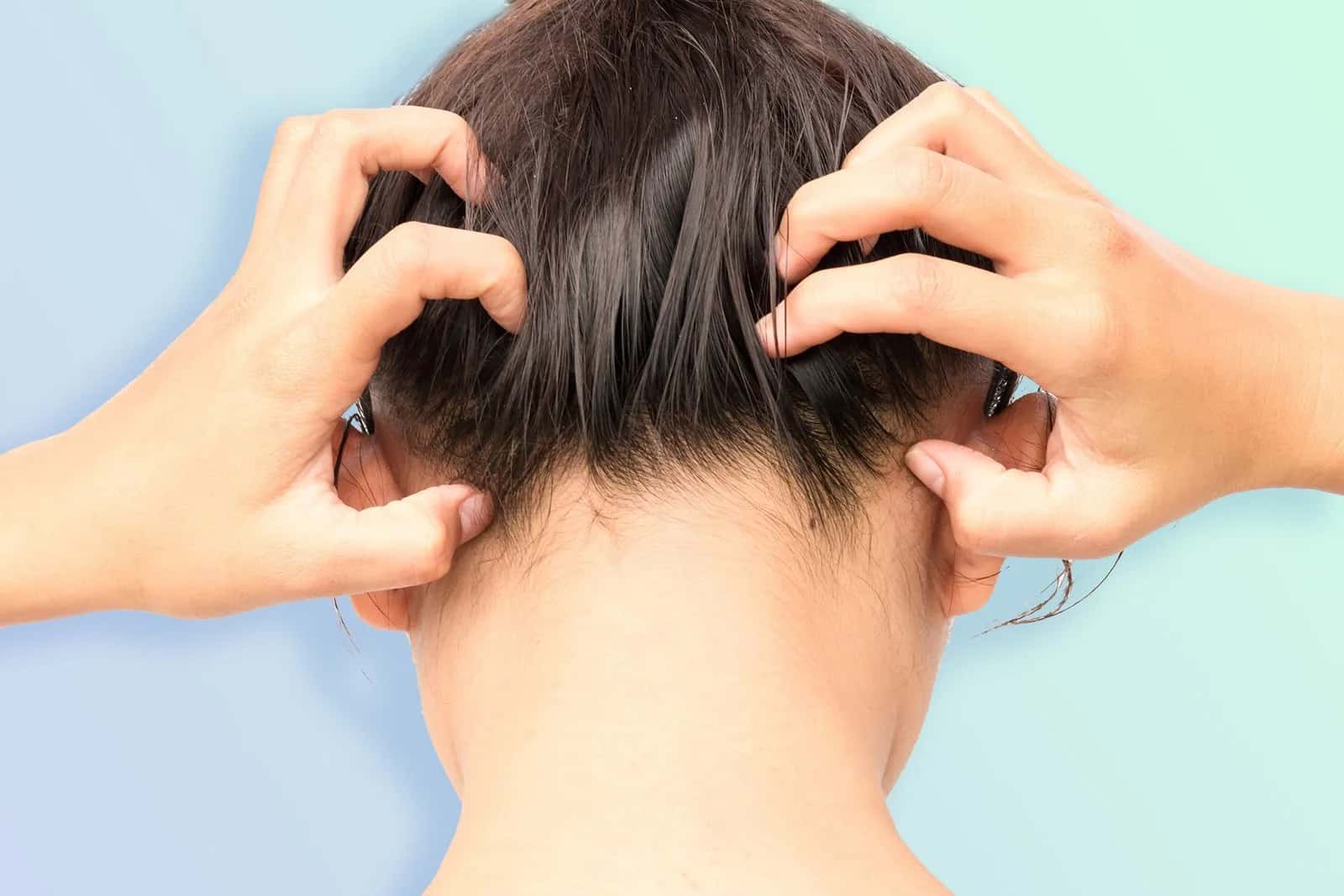
Air conditioning can dry out your scalp by reducing indoor humidity and affecting the skin's ability to maintain adequate moisture. Prolonged exposure to dry, cooled air may contribute to itching, flaking, tightness, and irritation, particularly when the scalp is already sensitive or prone to dryness.

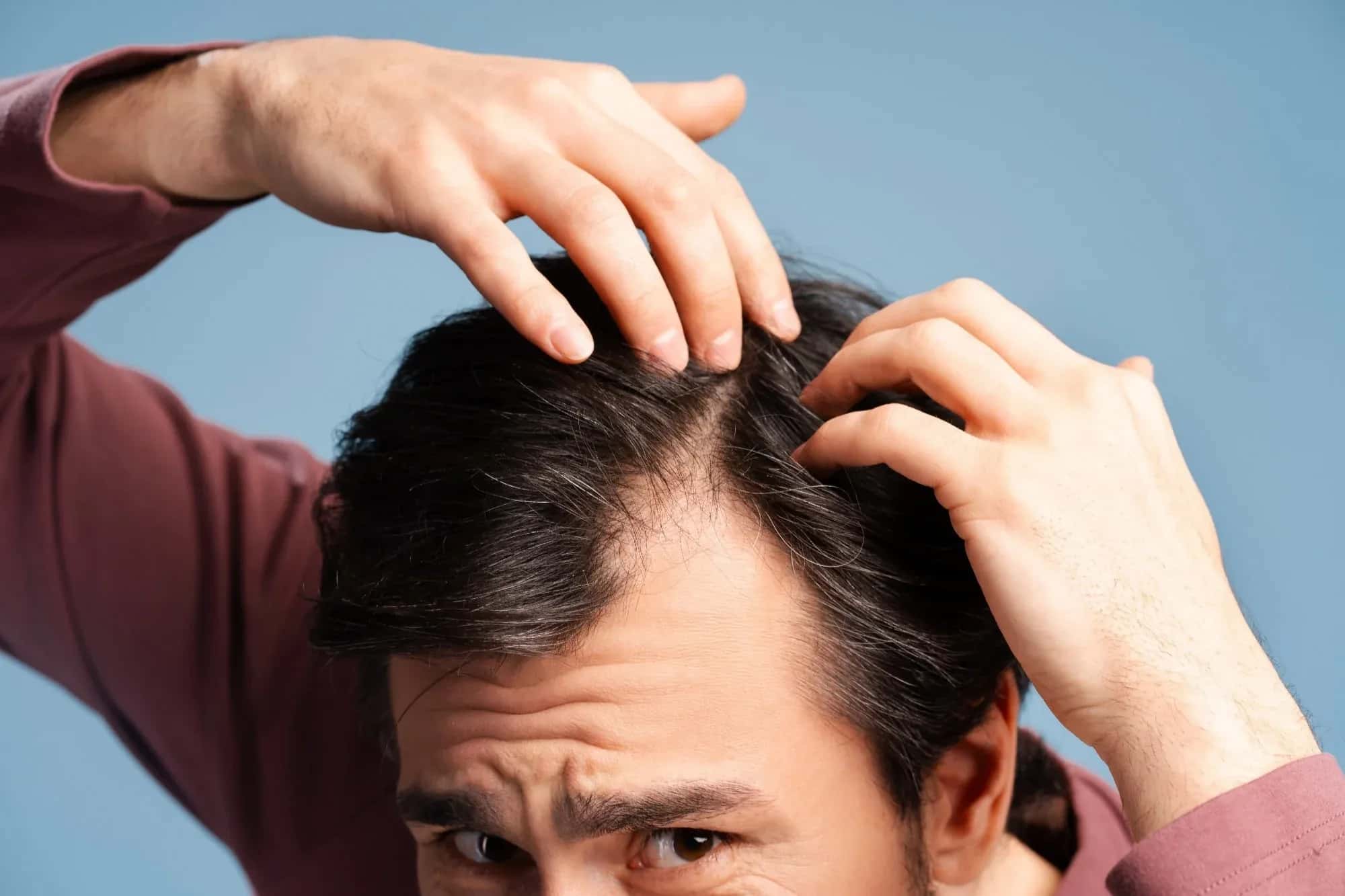
Certain dietary supplements can cause hair loss when taken in excessive amounts, particularly products containing high doses of vitamin A, selenium, or other concentrated nutrients. While supplements can help correct nutritional deficiencies that affect hair growth.
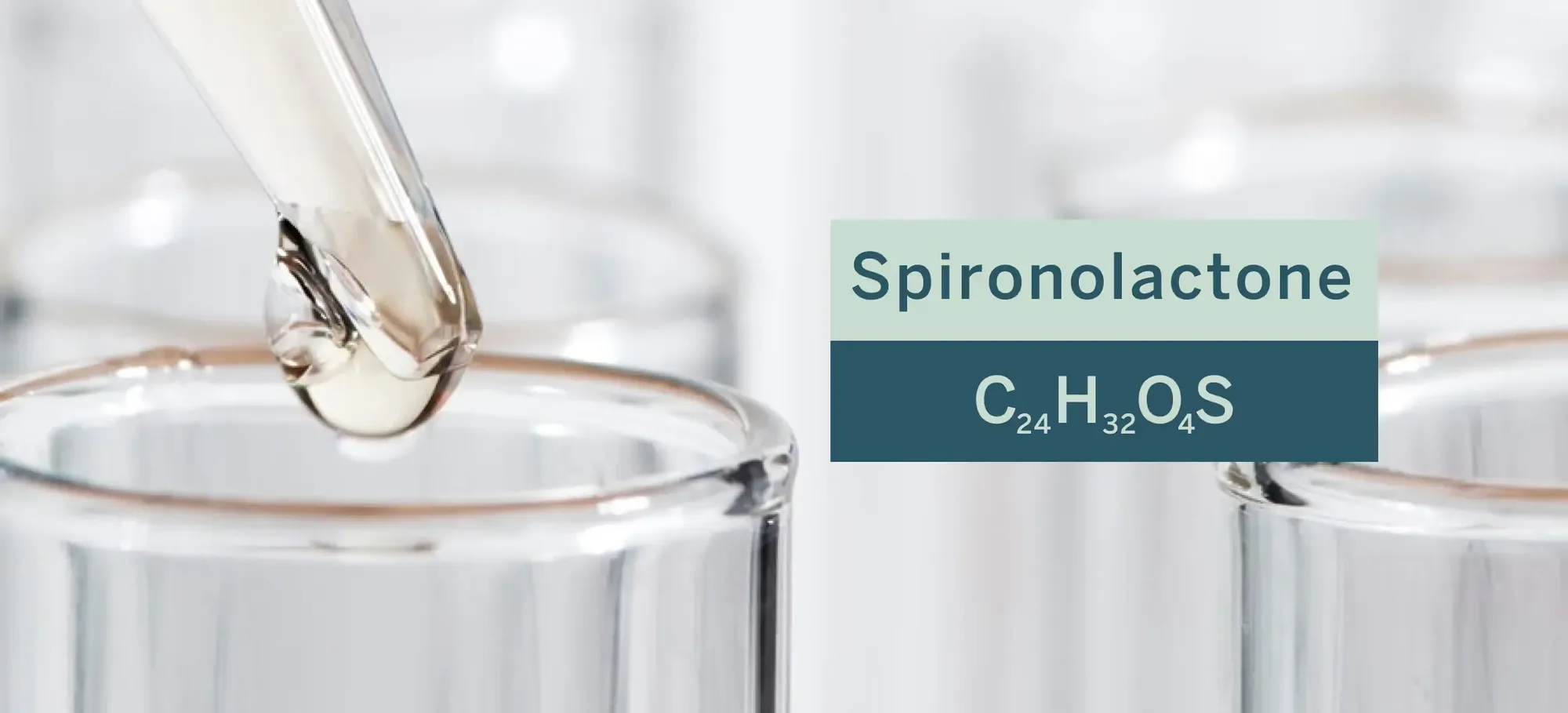
Spironolactone for female hair loss can help slow progressive thinning and improve hair density by reducing the effects of androgens on sensitive hair follicles. Although this prescription medication is not specifically approved for hair loss, clinical research supports its use in selected women.
Subscribe to the Medifinder newsletter and never miss our latest content.