










Skeen Hair Follicle Counting Device
Skeen is a digital analysis technology that helps measure hair follicle density by imaging the scalp in high resolution. Click for more information.

- Last updated
- 91 reads
- 5 min read
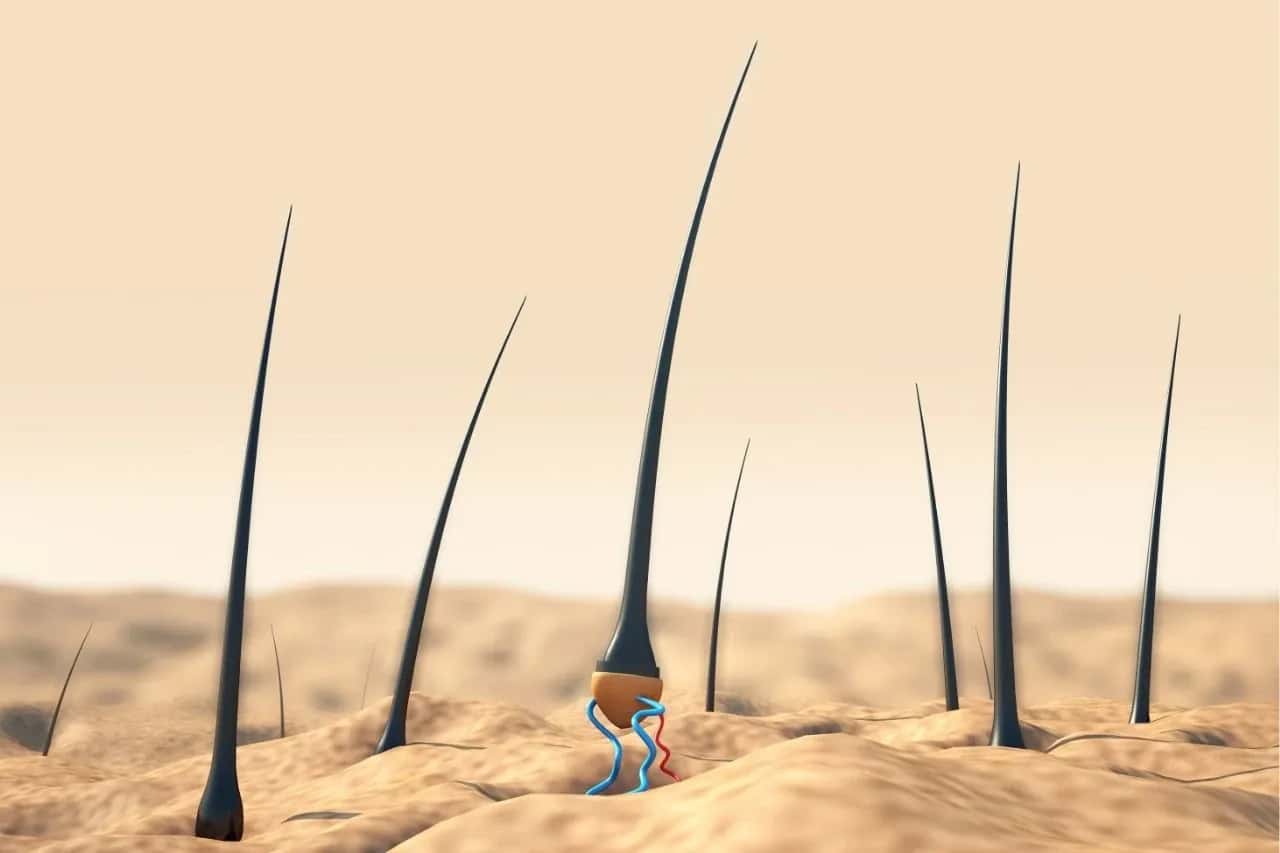


One of the most important stages in hair transplant planning is the accurate analysis of the donor area. Hair density, graft capacity, and the quality of hair follicles in the donor area play a critical role in determining the results that can be achieved. For this reason, advanced digital technologies are now used in hair analysis processes. The Skeen Hair Follicle Counting Device is one of the professional analysis systems used for this purpose.
Skeen is a digital analysis technology that helps measure hair follicle density by imaging the scalp in high resolution. It can be used especially in pre-hair transplant planning, hair loss evaluation, and determining donor area capacity.
What Is the Skeen Hair Follicle Counting Device?
Skeen is one of the digital imaging systems developed for hair and scalp analysis. It helps examine hair follicle density, hair shaft thickness, and the general condition of the scalp in detail.
Many data points that are difficult to evaluate with the naked eye can be analyzed more clearly thanks to the high magnification and imaging technology offered by the device.
This allows more objective data to be obtained when planning a hair transplant.
How Does the Skeen Device Work?
The Skeen device works using advanced digital imaging and microscopic analysis technology. With its high-resolution camera and special magnification system, the device images hair strands and the scalp in detail. The obtained images are analyzed by software to generate data on hair density, hair shaft thickness, scalp structure, and signs of hair loss. This technology helps examine details that are difficult to notice with the naked eye. Thanks to the Skeen device, the current condition of the hair can be recorded and changes over time can be compared. Thus, hair analysis can be performed in a more comprehensive and objective way.
Data that may be obtained from the analysis include:
- Hair density
- Number of hairs per square centimeter
- Number of grafts per square centimeter
- Hair shaft thickness
- Rate of thinning hair
- Donor area capacity
- Scalp condition
This information provides important references in hair transplant planning.
Why Is Hair Follicle Counting Important?
To achieve successful results in hair transplantation, evaluating only the size of the bald area is not enough. The capacity of the donor area must also be determined correctly.
Hair follicle counting helps:
- Evaluate the adequacy of the donor area.
- Create graft planning.
- Calculate hair density.
- Develop an operation strategy.
- Set more realistic expectations after hair transplantation.
For this reason, hair follicle analysis is considered one of the important parts of modern hair transplant processes.
What Data Does Skeen Hair Analysis Provide?
Donor Area Density
The density of hair follicles in the donor area is measured. This data helps evaluate the graft capacity that can be used during hair transplantation.
Graft Count Calculation
By analyzing hair follicle groups in a specific area, information about total graft capacity can be obtained.
Hair Thickness Measurement
The diameter of hair strands can be analyzed to evaluate thin, medium, or thick hair structure.
Miniaturization Rate
The rate of thinning hair can be detected in people experiencing hair loss. This data may provide insight into the activity of hair loss.
Scalp Analysis
The general structure of the scalp can be examined and additional evaluations may be performed.
The Importance of the Skeen Device in Hair Transplantation
When planning hair transplantation, focusing only on the bald area is not enough. The main issue is accurately analyzing the existing hair reserve.
Thanks to the Skeen device:
- The donor area can be protected.
- Unnecessary graft use can be prevented.
- The transplant area can be planned more accurately.
- Long-term hair management can be performed.
- More personalized plans can be created.
For this reason, digital measurement technologies are preferred in many hair analysis processes.
Donor Area Analysis with Skeen
Donor area analysis with Skeen provides a detailed evaluation of the hair structure in the nape and side areas during hair transplant planning. Using high-resolution imaging technology, the Skeen device helps analyze hair density, hair shaft thickness, and graft potential in the donor area. With the obtained images, the current condition of the donor area can be examined more clearly and the distribution of hair follicles can be evaluated.
Donor area analysis performed with Skeen may contribute to planning the number of follicles that can be used in the hair transplant process. It also allows comparison of images before and after the procedure, helping track changes in the donor area.
Hair Loss Analysis with Skeen
In the early stages of hair loss, many changes may begin before they become visible to the naked eye.
Thanks to Skeen technology:
- Thinning hair strands can be detected.
- The degree of thinning can be measured.
- The progression potential of hair loss can be evaluated.
- Changes in hair density can be tracked.
These features are especially important for people who want to closely monitor hair loss.
Who Is Skeen Analysis Suitable For?
Skeen hair analysis can be used for many different purposes.
Especially for:
People Planning Hair Transplantation
It helps determine donor area capacity.
People Experiencing Hair Loss
It allows hair density to be evaluated.
People Receiving Hair Treatment
It may contribute to tracking changes during the treatment process.
People with Hair Thinning
It may provide information about the rate of thinning hair strands.
Advantages of Skeen Analysis
Objective Measurement
It provides numerical data beyond visual evaluation.
High Magnification Technology
It allows hair follicles to be examined in detail.
Fast Results
The analysis process can be completed in a short time.
Planning Support
It may provide important data for hair transplantation and hair loss management.
Follow-Up Capability
Hair changes in the same person can be compared over time.
How Are Skeen Results Interpreted?
The data obtained from the analysis should be evaluated together with the person’s:
- Age
- Hair type
- Level of hair loss
- Genetic characteristics
- Donor area capacity
Instead of interpreting numbers alone, examining the entire hair structure holistically provides more accurate results.
Differences Between Skeen and Manual Hair Counting
In the past, hair density evaluations were mostly performed through manual observation.
Digital analysis systems, however:
- Provide more detailed imaging.
- Offer numerical data.
- Create repeatable measurements.
- Allow comparative analysis.
For this reason, the use of digital technologies in modern hair analysis is becoming increasingly common.
Frequently Asked Questions
What Does the Skeen Hair Follicle Counting Device Do?
It helps analyze hair density, graft capacity, and the condition of hair follicles.
Is Skeen Mandatory for Hair Transplantation?
It is not a mandatory application. However, it may contribute to detailed planning.
Can Skeen Measure the Donor Area?
Yes. It may provide information about hair density and graft capacity in the donor area.
Can Skeen Detect Hair Loss?
It may help evaluate decreases in hair density and thinning of hair strands.
Are Skeen Results Definitive?
The obtained data provide important information. However, results should be interpreted together with the person’s overall hair structure and clinical evaluations.
- Last updated
- Language
- English
How did you find this article?
Air conditioning can dry out your scalp by reducing indoor humidity and affecting the skin's ability to maintain adequate moisture. Prolonged exposure to dry, cooled air may contribute to itching, flaking, tightness, and irritation, particularly when the scalp is already sensitive or prone to dryness.
Certain dietary supplements can cause hair loss when taken in excessive amounts, particularly products containing high doses of vitamin A, selenium, or other concentrated nutrients. While supplements can help correct nutritional deficiencies that affect hair growth.

Spironolactone for female hair loss can help slow progressive thinning and improve hair density by reducing the effects of androgens on sensitive hair follicles. Although this prescription medication is not specifically approved for hair loss, clinical research supports its use in selected women.
Subscribe to the Medifinder newsletter and never miss our latest content.