










Shock Loss After a Hair Transplant
Hair loss after hair transplantation is the temporary shedding of transplanted or existing hair. Although hair strands fall out during this process, the hair follicles remain alive under the skin.

- Last updated
- 92 reads
- 8 min read
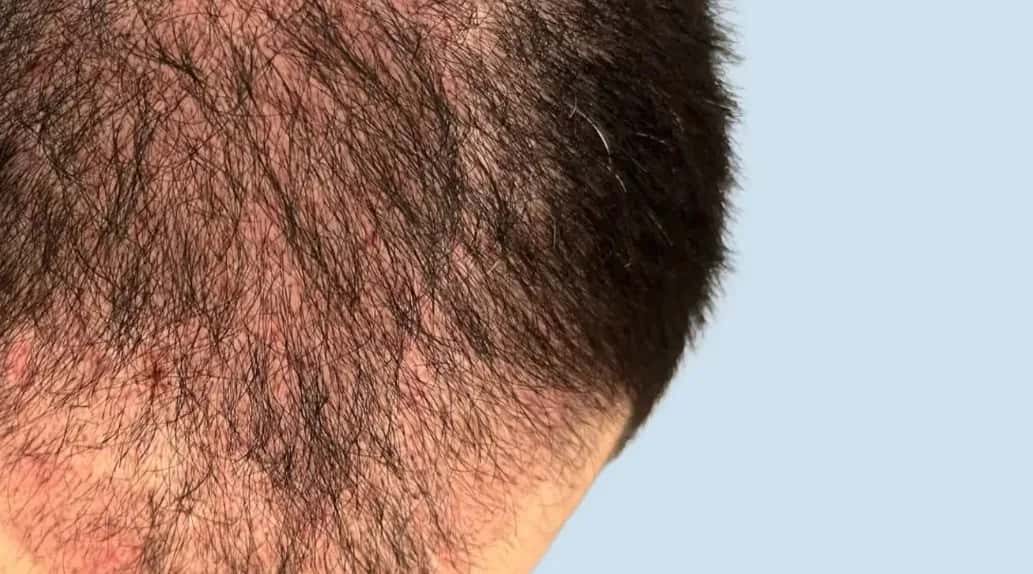


What is Shock Loss After a Hair Transplant?
Shock loss after a hair transplant is the condition where the transplanted or existing hair temporarily sheds.
Although the hair strands shed during this process, the hair follicles remain alive under the skin. This temporary shedding occurs as the hair follicles adapt to their new locations. Therefore, shedding does not mean the procedure was unsuccessful and is generally considered natural. The process can progress differently from person to person, and the intensity of the shedding can vary. Over time, the follicles become active again, and the hair begins to regrow. This condition is considered a part of the hair's normal growth cycle.
What Does Shock Loss After a Hair Transplant Mean?
Shock loss after a hair transplant means the temporary shedding of transplanted or existing hair.
In this process, the part that sheds is the hair strand, while the hair follicles remain alive under the skin. This temporary shedding occurs as the hair follicles adapt to their new environment. For this reason, shock loss does not mean the procedure has failed and is generally an expected situation. The process can progress differently for everyone, and the duration of the shedding may vary. Over time, the follicles reactivate, and the hair starts to grow back. This condition is related to the natural growth cycle of the hair.
Why Does Shock Loss Occur After a Hair Transplant?
Shock loss after a hair transplant is a temporary shedding process that occurs as a result of the natural reaction of the hair follicles to the stress caused by the operation.
The procedures performed on the scalp during a hair transplant can temporarily affect both the transplanted hair follicles and the surrounding existing hair. Therefore, experiencing hair loss for a certain period after the operation is an expected situation.
The main factors that can cause shock loss are as follows:
- Stress caused by the operation: Hair follicles may enter a temporary resting phase due to the surgical procedure.
- The healing process of the scalp: The hair growth cycle can be briefly affected during tissue repair.
- Temporary changes in blood circulation: Rebalancing the circulation in the transplanted area may take time.
- Impact on existing hair follicles: Especially weak hair strands may shed temporarily after the operation.
- Personal hair structure and genetic factors: Shock loss may be more pronounced in people with fine hair or those experiencing active hair loss.
Are Shock Loss and Hair Shedding (Saç Küsmesi) the Same Thing?
Yes, shock loss and hair shedding (saç küsmesi) generally refer to the same condition. "Saç küsmesi" is a widely used colloquial term in Turkish, while shock loss is the medical equivalent of this situation. Both expressions describe the temporary hair loss that can be seen after a hair transplant or certain hair treatments.
Shock loss is a natural reaction of the hair follicles to the stress experienced after the operation or application. The majority of the hair strands shed during this process will begin to regrow after a certain period, as long as the hair follicles are healthy.
When Does Shock Loss Start After a Hair Transplant?
Shock loss after a hair transplant generally starts within 2 to 4 weeks after the procedure. During this process, the transplanted hair strands begin to shed, and this is considered normal. The shedding is related to the hair follicles adapting to their new locations. At this stage, the hair strands temporarily disappear, but the follicles remain under the skin. Therefore, the process does not mean a permanent loss and is seen as a part of the hair's natural cycle. Over time, the follicles become active again, and the hair begins to regrow.
Is Shock Loss Seen in the First Weeks?
Shock loss can be seen in the first weeks, but this situation generally becomes more pronounced after the second week.
Following the hair transplant, the transplanted hair strands may temporarily shed as the follicles adapt to their new locations. In the first few days, symptoms such as healing, scabbing, and mild sensitivity are more frequently seen. Although the shedding process varies from person to person, it mostly starts between the second and fourth weeks. At this stage, while the hair strands shed, the follicles continue to remain under the skin. Therefore, shock loss seen in the early period is generally a part of the expected healing process. The timing and intensity of the shedding can differ according to the person's hair structure and healing speed.
Is Shock Loss Normal Within the First 3 Months?
Experiencing shock loss within the first 3 months is generally normal and can be a part of the healing process after a hair transplant.
While the transplanted hair strands may shed during this period, the hair follicles continue to remain under the skin. Shedding mostly starts in the first weeks and can last for a few months depending on the personal healing speed. Therefore, the appearance of thinning up to the third month does not mean the transplanted follicles are lost. Since the regrowth time of the hair varies from person to person, early evaluation of the results can be misleading. However, if you notice sudden, intense, or patchy shedding, it is important to consult the specialist who performed the procedure.
How Long Does Shock Loss Last?
Shock loss usually lasts for 1 to 3 months. This temporary shedding process seen after a hair transplant is a part of normal healing in most people. New hair begins to grow in place of the shed hair strands as long as the hair follicles are healthy.
The duration of shock loss can vary from person to person. Factors such as age, hair structure, healing speed, general health status, and the scope of the operation can affect this process.
Shock loss after a hair transplant is generally seen in the following time frame:
- It can start between 2 to 8 weeks.
- It can continue for about 1 to 3 months.
- New hair growth mostly starts from the 3rd or 4th month.
- The hair gradually thickens and becomes denser.
- Final results are usually evaluated within 12 to 18 months.
Symptoms of Shock Loss After a Hair Transplant
Shock loss generally starts within the first few weeks after the operation and improves over time with the emergence of new hair, provided the hair follicles are healthy.
The symptoms that can be seen after a hair transplant are as follows:
- Shedding of hair strands in the transplanted area
- Temporary thinning of existing natural hair
- Short-term decrease in hair density
- Hair appearing thinner and weaker
- More hair strands shedding than normal during combing or washing
- The feeling of gaps forming in the transplanted area
These symptoms are temporary in most patients and do not mean that the hair follicles are damaged.
Is Shock Loss Normal After a Hair Transplant?
Shock loss after a hair transplant is generally considered normal and is a natural part of the healing process. During this process, while the transplanted hair strands may shed temporarily, the hair follicles remain alive under the skin. This shedding is an expected situation because the hair follicles are adapting to their new locations. The shedding process can differ from person to person and generally starts in the first weeks and can last for a few months. Therefore, the observed shedding does not mean permanent hair loss.
Over time, the hair follicles become active again, and the hair begins to regrow. This process progresses depending on the hair's natural growth cycle.
Is It Seen in Every Patient?
Shock loss after a hair transplant may not be seen in every patient, but it can occur at different levels in many people. This condition develops depending on the adaptation process of the hair follicles to their new locations and shows personal differences. While some people experience significant shedding, the process may progress more mildly in others. The severity of the shedding varies depending on factors such as hair structure, healing speed, and post-application care. Therefore, not everyone goes through the same process, and the amount of shedding can differ from person to person. The hair follicles generally remain under the skin, and the process continues within a natural cycle.
Is It a Permanent Problem?
Shock loss after a hair transplant is not a permanent problem and is generally a temporary process.
Although hair strands shed during this period, the hair follicles continue to live under the skin. Temporary shedding occurs as the hair follicles adapt to their new locations. Therefore, the observed shedding does not mean permanent hair loss. The process can progress differently from person to person and may vary depending on the healing speed. Over time, the follicles reactivate, and the hair starts to grow back. This condition is evaluated as a part of the natural hair growth cycle.
Will the Hair Grow Back?
Yes, the hair that sheds after a hair transplant generally grows back because the hair follicles remain alive under the skin.
In this process, the part that sheds is the hair strand, while the roots remain in place. After the hair follicles adapt to their new locations, they become active again. Therefore, shedding is considered a temporary stage and does not mean permanent loss. The time it takes for the hair to regrow can vary from person to person and may differ depending on the healing speed. Over time, the hair enters its natural growth cycle and begins to grow again.
How Does Tissue Shock Resolve in Hair Transplantation?
Tissue shock after a hair transplant generally resolves on its own with proper care and a patient healing process.
During this process, the hair follicles and the skin try to adapt to the new situation after the transplant. Therefore, sensitivity, redness, or temporary reactions may be seen in the early periods. It is important to follow the recommended care instructions for the healthy progression of healing. Avoiding practices that can irritate the scalp and using the provided products regularly supports the process. The tissue renews itself over time and approaches its normal appearance. This process can vary depending on personal healing speed.
How Does Shock Loss Resolve?
Shock loss generally resolves on its own over time as the hair follicles adapt to their new locations.
Despite the shed hair strands during this process, the roots continue to remain alive under the skin. As the hair follicles become active again, the hair begins to regrow. It is important to follow the recommended care instructions to support the healing process. Avoiding procedures that would strain the scalp and applying gentle care helps the process progress healthily. The process can differ from person to person, and the regrowth time of the hair may vary. Being patient and managing the process correctly supports achieving more balanced results.
- Last updated
- Language
- English
How did you find this article?
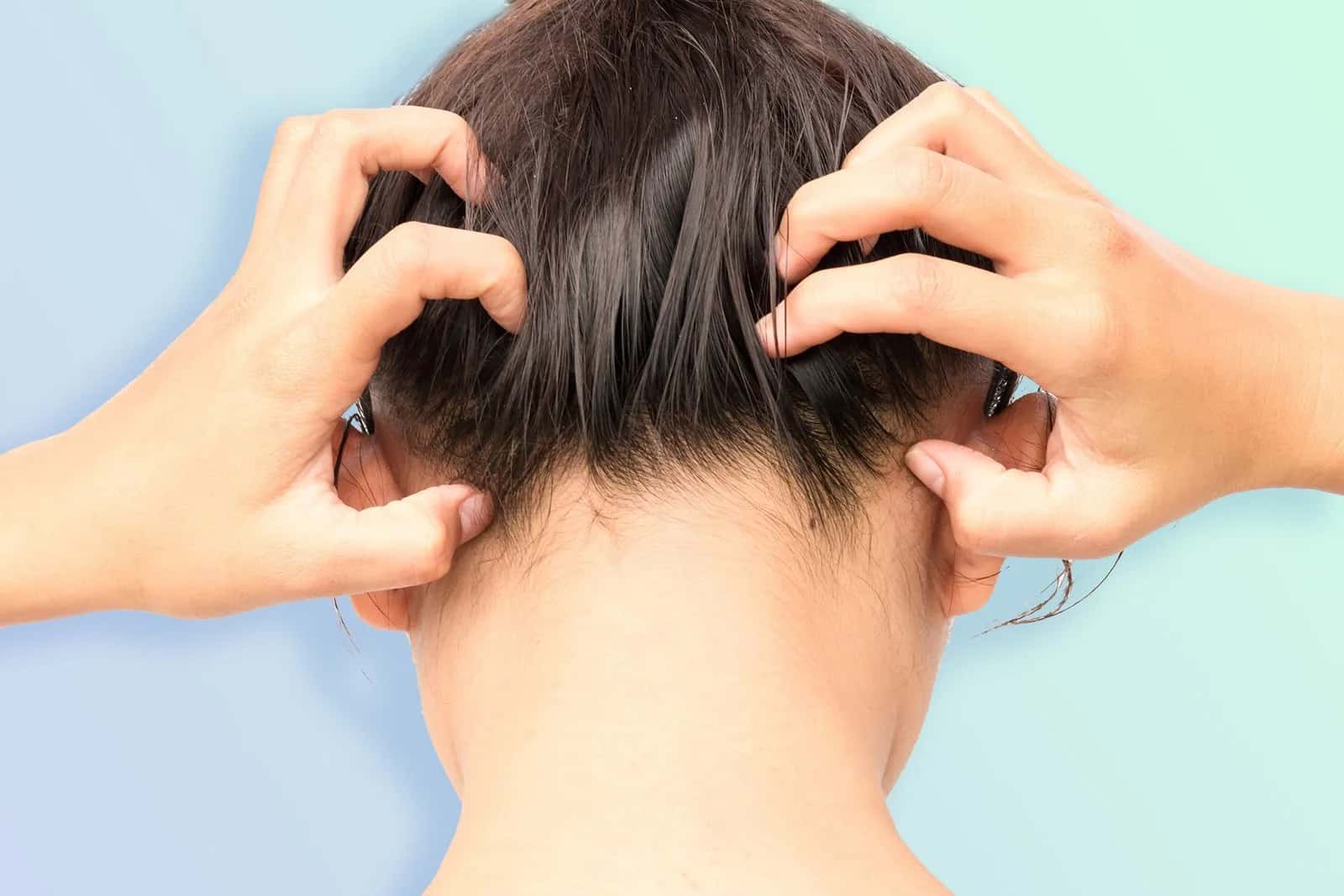
Air conditioning can dry out your scalp by reducing indoor humidity and affecting the skin's ability to maintain adequate moisture. Prolonged exposure to dry, cooled air may contribute to itching, flaking, tightness, and irritation, particularly when the scalp is already sensitive or prone to dryness.
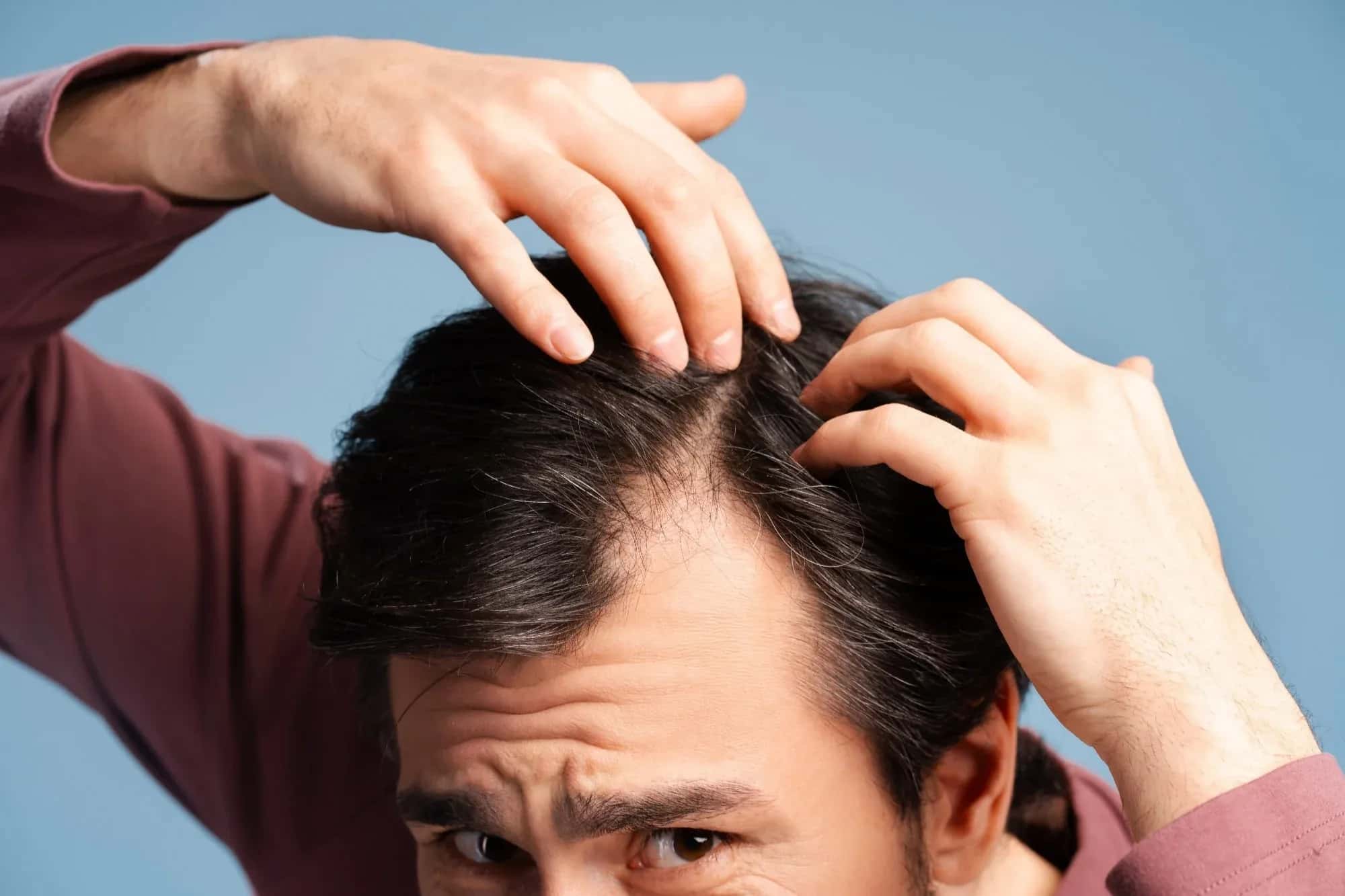
Certain dietary supplements can cause hair loss when taken in excessive amounts, particularly products containing high doses of vitamin A, selenium, or other concentrated nutrients. While supplements can help correct nutritional deficiencies that affect hair growth.
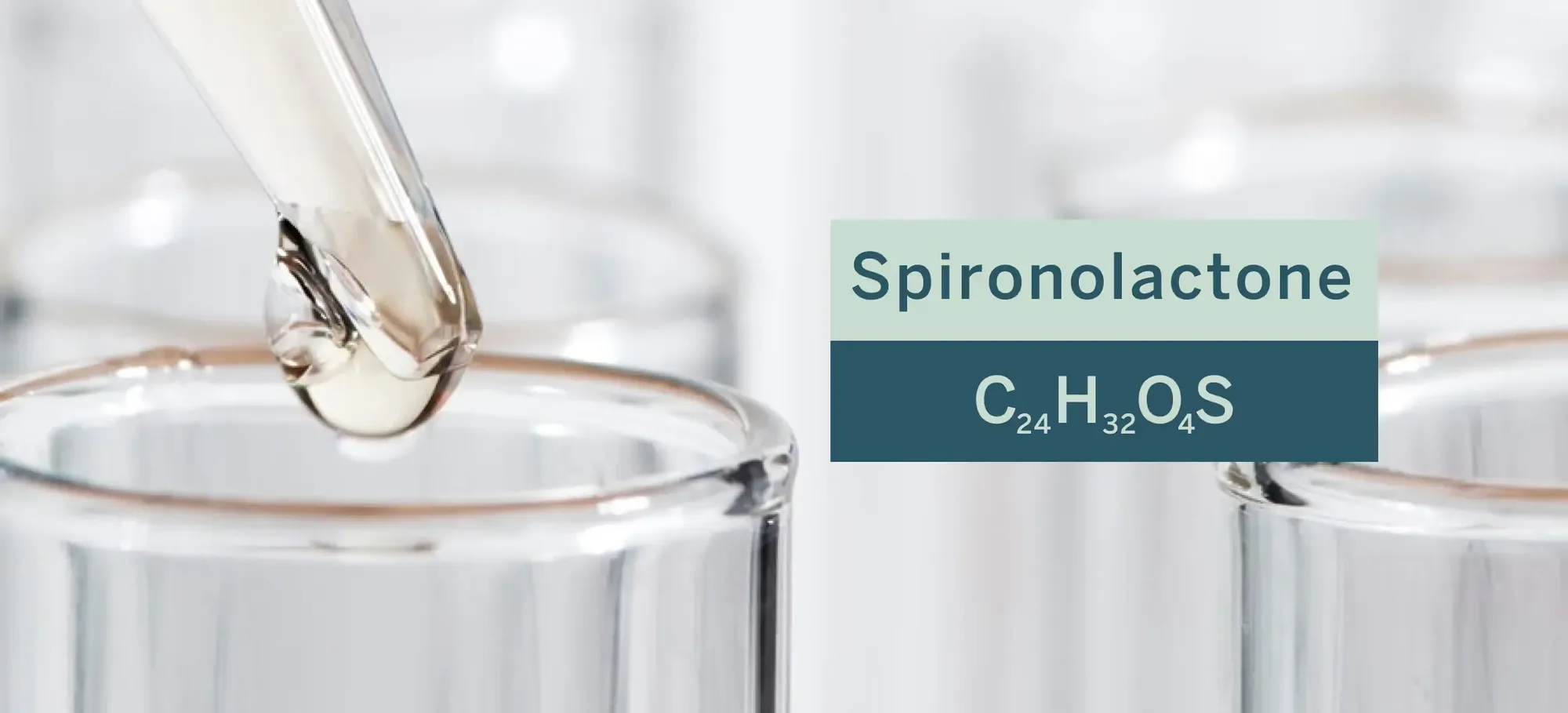
Spironolactone for female hair loss can help slow progressive thinning and improve hair density by reducing the effects of androgens on sensitive hair follicles. Although this prescription medication is not specifically approved for hair loss, clinical research supports its use in selected women.
Subscribe to the Medifinder newsletter and never miss our latest content.