










Sexual Activity After Hair Transplant Surgery
Sexual activity after hair transplantation is generally recommended after 7 to 10 days. Sweating and friction during sexual activity may negatively affect the transplanted grafts.

- Last updated
- 439 reads
- 5 min read


When Can You Have Sexual Activity After Hair Transplantation?
Sexual intercourse after hair transplantation is generally recommended after 7 to 10 days.
This period is important to protect the newly transplanted grafts and prevent sudden increases in blood circulation. Especially during the first days after hair transplantation, physical activities should be limited. Sweating and friction that occur during sexual activity may negatively affect the sensitive scalp.
Why Are the First Days So Important?
During the first days after hair transplantation, the transplanted grafts try to adapt to their new locations. During this process, the hair follicles are not yet fully secured. Hitting the head, scratching, hard contact, friction, or sudden sweating may damage the grafts. For this reason, not only sexual intercourse but also sports, sauna, Turkish bath, heavy lifting, and activities requiring intense physical effort are restricted during the postoperative period.
During the first week, crusting, redness, mild aching, tightness, and sensitivity may occur on the scalp. These symptoms are considered part of the normal healing process in most individuals. However, overheating, sweating, or irritating the scalp during this period may complicate healing. Sweat itself is not a substance that directly “damages the hair”; the main issue is that sweating may create moisture, itching, bacterial growth, and softening of the crusts on the scalp. This is why avoiding heavy sweating during the first 7–10 days is generally recommended.
Does Sexual Activity Damage the Grafts?
Sexual intercourse does not directly damage the grafts; the main risk comes from the indirect effects that occur during the activity. Increased heart rate, blood pressure changes, sweating, the head rubbing against the pillow, uncontrolled movements, and contact with the scalp are among the main risks. During the first days after hair transplantation, even a small impact to the scalp may create unnecessary problems.
Especially if transplantation was performed on the frontal hairline, the risk of contact should be managed more carefully. Since grafts in the frontal area directly affect facial appearance, protecting this region is important. If transplantation was performed on the crown area, pillow contact and sleeping position become more important. If the donor area is sensitive, friction on the nape region may also cause discomfort.
The important thing here is not fear but controlled behavior. Sexual intercourse after hair transplantation should not be viewed as a completely forbidden subject. It is simply necessary to be patient enough during the early period to avoid disrupting the healing process. A few days of caution may help protect the long term results of the hair transplant.
Is Masturbation Harmful After Hair Transplantation?
Masturbation may be among the activities that require caution during the first days after hair transplantation because it may temporarily increase blood circulation and blood pressure. Especially during the first 7–10 days after the procedure, excessive physical movement and activities that strain the body are not recommended. For this reason, many specialists advise temporarily avoiding intense sexual activities, including masturbation, while the transplanted hair follicles are adapting to their new location.
The grafts are highly sensitive after hair transplantation. During the first days, sweating, increased blood pressure, and sudden movements may increase the risk of affecting the transplanted follicles. Masturbation does not directly damage the hair follicles; however, restrictions may be recommended because of the following possible effects after the procedure:
- Increase in blood pressure
- Increased sweating
- Acceleration of heart rate
- Sensitivity of the healing process
- Unintentional head movements
Especially during the first 3 days, protecting the hair follicles is most critical. During this process, resting as much as possible and avoiding physical strain are important. After the first week, most individuals can gradually return to normal life in a controlled manner. However, the healing period may vary from person to person.
Sexual Activity and the Donor Area
After hair transplantation, not only the transplanted area but also the donor area should be protected. The donor area is usually the nape and the areas behind the ears. Since hair follicles are individually extracted from this area during the FUE technique, many small healing points are formed. During the first days, this area may feel sensitive, itchy, or tight.
During sexual intercourse, harsh friction of the nape area against the pillow, sweating, or pressure may cause discomfort in the donor area. Especially while crusting continues, rubbing, scratching, or irritating this area is not appropriate. The donor area generally heals faster than the transplanted area; however, comfortable healing of this region is also important for overall comfort.
If burning, increasing redness, sensitivity, pimple like bumps, or discharge develops in the donor area, it is safer to consult your doctor before returning to sexual activity.
Why Is It Reasonable to Avoid Sexual Activity During the First Week?
The first week is the most critical period of hair transplant aftercare. During this process, crusts form in the transplanted area, grafts adapt to their new blood circulation, and the skin begins to repair itself. Even if the patient feels well, the healing process that is not visible from the outside continues.
Body control may decrease during sexual intercourse. Situations such as the head rubbing against the pillow, accidental contact with the transplanted area by the partner, sweating, sudden position changes, or hitting the head may occur. Although these risks may seem minor in daily life, they become important during the early period after hair transplantation.
Waiting one week is a simple but effective precaution for most individuals to help protect their hair transplant results. Especially in procedures involving a high number of grafts, work on the frontal hairline, dense crown transplantation, or in people who sweat easily, this period should be approached more carefully.
What Should Be Considered After the Second Week?
After the second week, the crusts have usually fallen off in most individuals and the scalp feels more comfortable. Returning to sexual intercourse during this period is generally considered safer. However, this does not mean completely unrestricted behavior. The scalp may still be sensitive, and redness may continue for some time.
When returning to sexual activity, it is important to protect the scalp, avoid excessive sweating, avoid pressing the head against hard surfaces, and avoid prolonged physical strain. If you experience throbbing, burning, or noticeable tightness in the scalp during intercourse, it is more appropriate to stop the activity.
In addition, caution is still necessary during the second week regarding sports, Turkish baths, saunas, and heavy exercise. While some clinics allow light activity after the second week, they may recommend waiting longer for intense exercise and heavy sweating. There is no single universal timeline for hair transplant aftercare; the individual healing process should always be considered.
- Last updated
- Language
- English
How did you find this article?
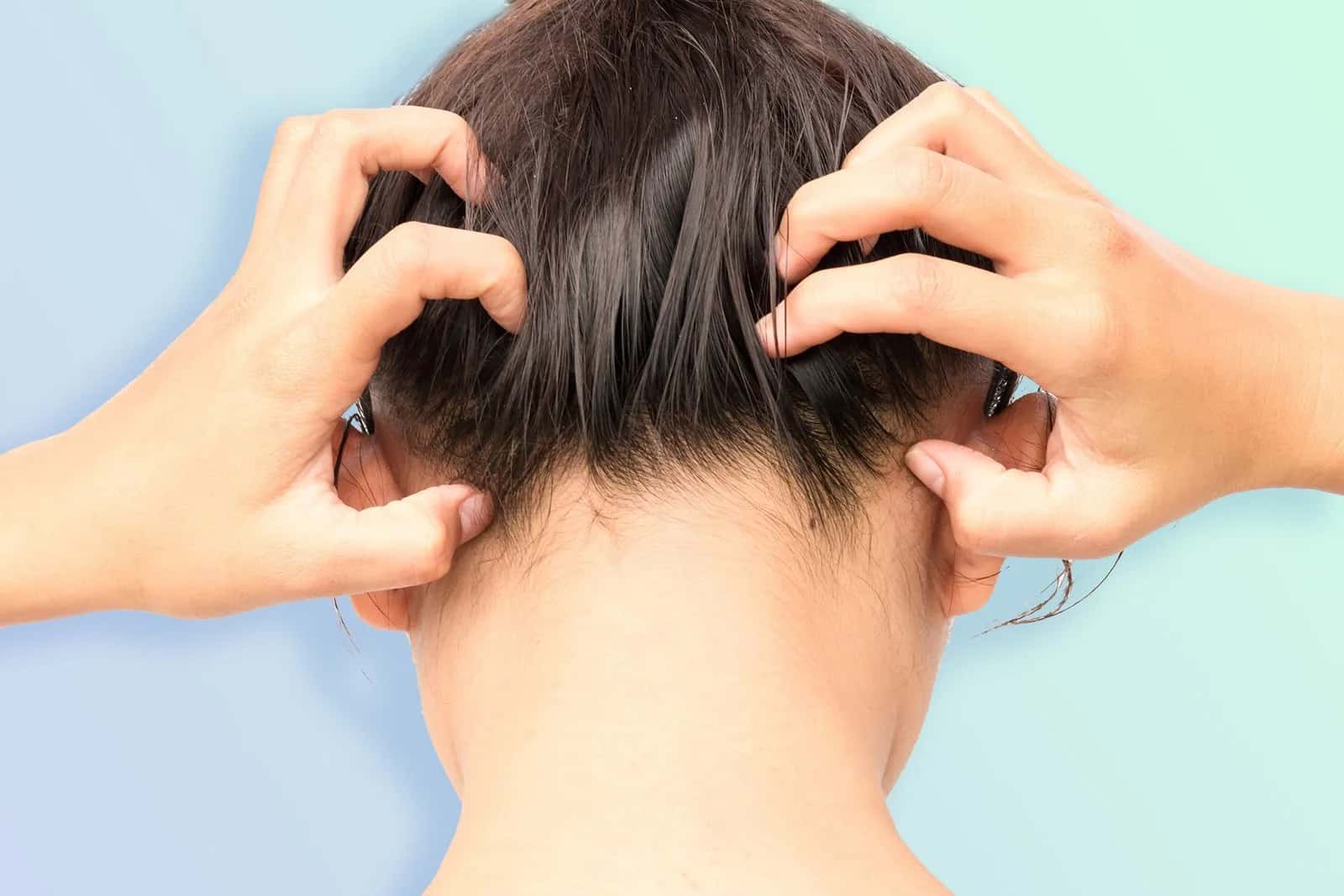
Air conditioning can dry out your scalp by reducing indoor humidity and affecting the skin's ability to maintain adequate moisture. Prolonged exposure to dry, cooled air may contribute to itching, flaking, tightness, and irritation, particularly when the scalp is already sensitive or prone to dryness.

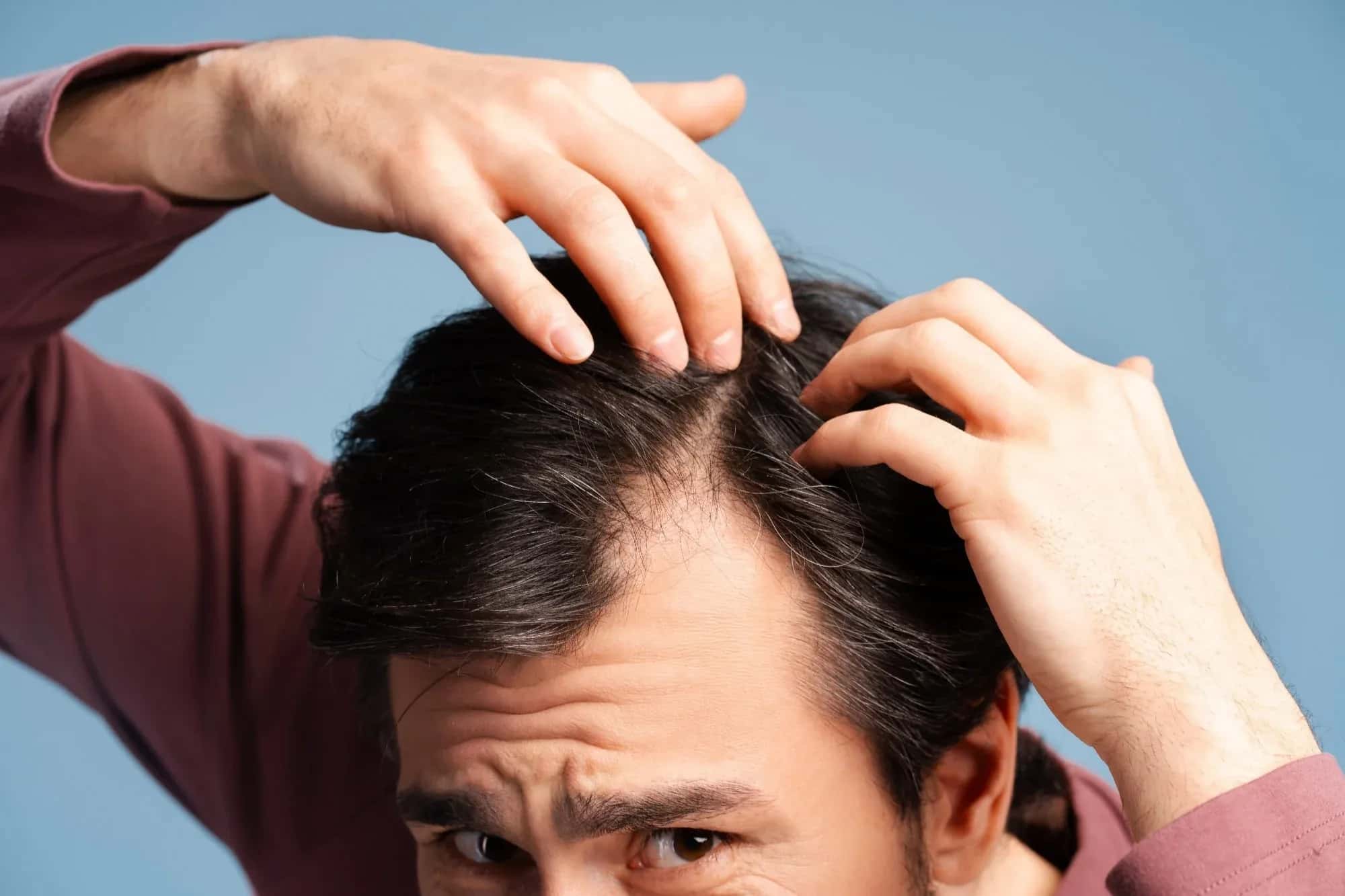
Certain dietary supplements can cause hair loss when taken in excessive amounts, particularly products containing high doses of vitamin A, selenium, or other concentrated nutrients. While supplements can help correct nutritional deficiencies that affect hair growth.
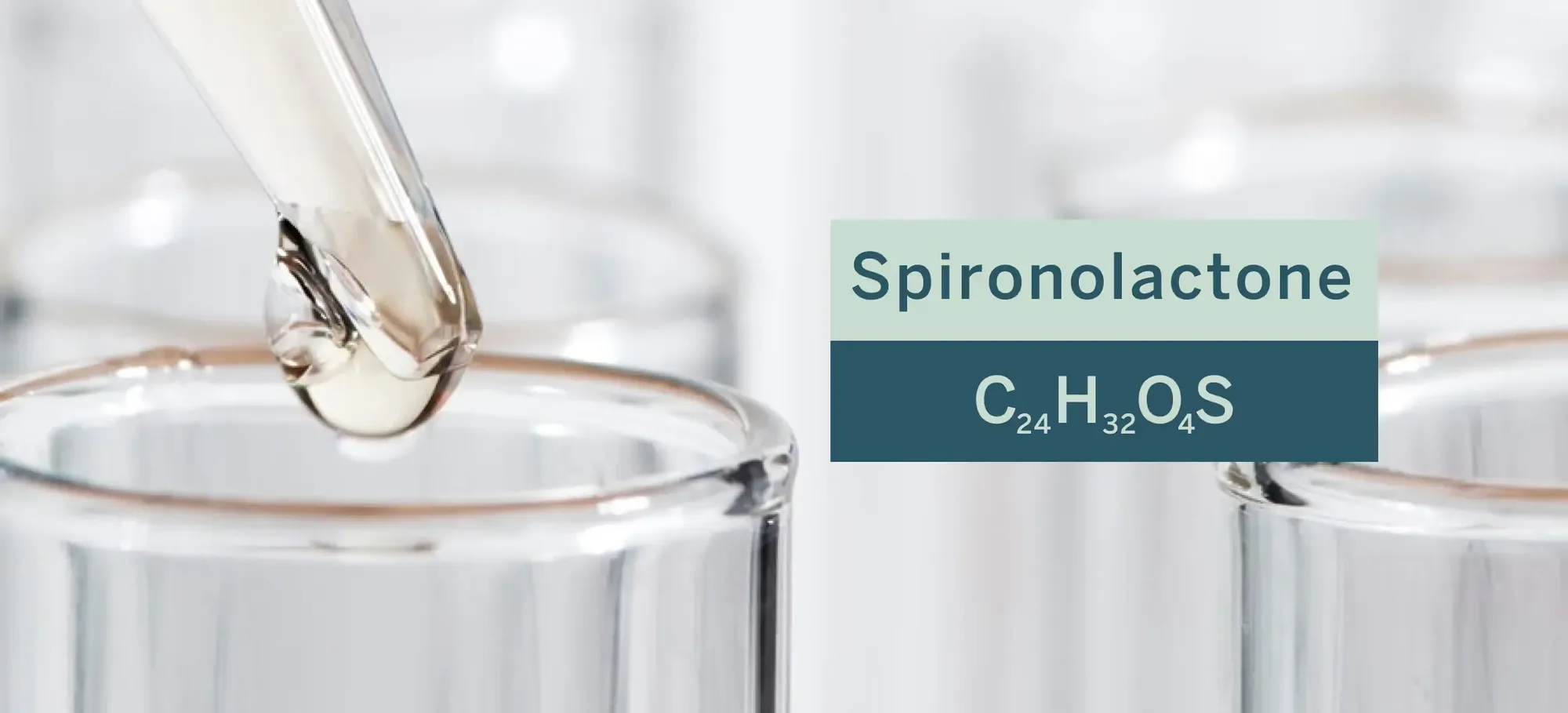
Spironolactone for female hair loss can help slow progressive thinning and improve hair density by reducing the effects of androgens on sensitive hair follicles. Although this prescription medication is not specifically approved for hair loss, clinical research supports its use in selected women.
Subscribe to the Medifinder newsletter and never miss our latest content.