










Safe Timelines for Sex After Hair Transplant Surgery
Wondering when you can resume intimate activities? Learn the safe timeline for having sex after hair transplant surgery, the risks involved, and how to protect your new grafts.

- Last updated
- 665 reads
- 8 min read


Navigating your recovery timeline correctly means knowing exactly when you can safely resume sex after hair transplant surgery. Many patients feel too embarrassed to ask their clinical team about intimacy during their post-operative consultations, leaving them searching for reliable answers at home. However, understanding the strict rules regarding sex after hair transplant surgery plays an absolutely vital role in protecting your newly implanted grafts. Your scalp undergoes significant physical trauma during the procedure, leaving thousands of tiny incisions highly vulnerable to changes in blood pressure, excess moisture, and sudden physical contact. If you rush into strenuous bedroom activities too soon, you risk permanently ruining your surgical results. To ensure a flawless recovery and a thick, dense hairline, you must understand exactly how physical exertion affects your healing scalp and follow a strict, safe timeline before returning to your normal intimate life.
The Fragile State of Newly Implanted Grafts
To comprehend why you must abstain from physical intimacy, you first need to visualize the current biological state of your scalp. During the procedure, the medical team places individual follicular units into microscopic slits across your bald areas. For the first several days, absolutely nothing anchors these grafts into your scalp tissue other than a tiny amount of coagulated blood. The permanent biological glue, known as a fibrin network, takes time to form and solidify.
Because the grafts sit completely loose in their channels during this initial phase, they remain incredibly susceptible to any internal or external disruption. When you engage in intense physical activities, your body naturally diverts its energy and biological resources away from the healing process. Protecting your investment requires maintaining a calm, stable physiological environment so your body can focus entirely on securing the new roots and repairing the damaged dermal tissue.
The Hidden Dangers of Spiking Blood Pressure
The most significant internal threat to your surgical results comes directly from your cardiovascular system. During any form of intense physical intimacy, your heart rate naturally accelerates, and your blood pressure spikes dramatically. While this cardiovascular response represents a normal, healthy bodily function, it creates a disastrous scenario for a freshly operated scalp.
The thousands of tiny incisions on your head are actively trying to close and seal themselves. When your blood pressure surges, the force pushes blood forcefully into the tiny capillaries feeding your scalp. This sudden rush of vascular pressure can literally pop the newly implanted grafts right out of their channels. Once a graft pops out accompanied by active bleeding, that specific hair follicle dies instantly. You cannot save it, and you cannot push it back in. Keeping your heart rate low and steady prevents this vascular pressure from destroying your carefully designed hairline.
Sweating and the Risk of Bacterial Infection
Beyond the internal vascular pressure, sexual activity inevitably causes you to sweat. Perspiration acts as a natural cooling mechanism for your body, but it introduces a severe hazard to your open extraction and implantation wounds. Sweat consists of water, salts, and various bodily toxins. When your scalp sweats, this salty, acidic moisture pools around the delicate new grafts.
This moisture not only softens the protective scabs prematurely but also creates a warm, humid breeding ground for bacteria. Your partner's skin, your bedding, and the surrounding bedroom environment carry normal bacteria that become highly dangerous when introduced to thousands of open microscopic cuts on your head. Developing folliculitis or a severe scalp infection during the first two weeks will rapidly halt the healing process, potentially killing the newly implanted hair follicles and leaving you with permanent scarring. Keeping your scalp dry, cool, and strictly sterile remains non-negotiable for a successful outcome.
The Threat of Accidental Physical Trauma
Physical intimacy inherently involves unpredictable movements, shifting positions, and close bodily contact. This dynamic environment introduces a massive risk of accidental physical trauma to your head. During the heat of the moment, you or your partner might easily lose spatial awareness. A stray hand brushing against your forehead, your partner’s chin bumping the top of your head, or your donor area aggressively rubbing against the headboard will instantly dislodge multiple grafts.
Consider the mechanics of the bedroom environment. Sheets, pillowcases, and blankets possess abrasive textures. When you engage in physical activity, your head naturally shifts and slides. If a damp, healing graft catches on the woven threads of a cotton pillowcase, the mechanical force acts like a tiny hook, pulling the delicate root directly out of the micro-channel. Furthermore, many individuals instinctively run their hands through their partner's hair during intimate moments. An accidental grab or a passionate touch to the top of your head will spell immediate disaster for the freshly placed follicles. You must establish strict physical boundaries and eliminate all scenarios where your head could sustain an accidental impact.
Surgical Technique Considerations: FUE vs. FUT
Understanding the specific technique used during your restoration also plays a role in how you manage your physical exertion. If you underwent Follicular Unit Extraction (FUE), the surgeon harvested grafts individually, leaving thousands of tiny, circular puncture wounds at the back of your head. These micro-wounds heal relatively quickly, but they still pull tight and feel highly uncomfortable if you stretch the skin on the back of your neck during intimate moments.
Conversely, if you underwent Follicular Unit Transplantation (FUT), the surgeon removed a large linear strip of flesh from the back of your scalp and sutured the edges together. This creates a deep, linear incision that carries a high risk of stretching or tearing. Engaging in rigorous sexual positions that force you to arch your neck or press the back of your head against a mattress can literally rip the sutures open, resulting in massive bleeding and a permanent, stretched scar. Regardless of the surgical method, the structural integrity of your scalp remains highly compromised, demanding total physical caution.
Managing Psychological Stress and Partner Communication
The temporary suspension of your sex life can undoubtedly create frustration, especially when combined with the overall stress of undergoing a cosmetic procedure. The "ugly duckling" phase, characterized by swelling, redness, and crusty scabs, often lowers your self-esteem and libido naturally. You must communicate openly and honestly with your partner about the clinical restrictions you face.
Explain that the temporary pause in intimacy does not reflect a lack of affection, but rather a strict medical necessity required to protect a significant financial and physical investment. A supportive partner will easily understand the biological risks associated with elevated heart rates and accidental friction. Use this brief period to focus on emotional intimacy, open conversation, and restful bonding. Stressing over a brief period of abstinence elevates cortisol levels, which negatively impacts wound healing. Accepting the temporary nature of this restriction allows your body to direct all its energy toward producing the thick, permanent hair growth you desire.
A Safe Timeline for Resuming Intimacy
Navigating your return to sexual activity requires a structured, phased approach based entirely on how your dermal tissue heals. You cannot treat your recovery timeline as a guessing game.
During the first seven days following your procedure, you must practice absolute abstinence from all sexual activities. This represents the critical danger zone. Your grafts remain entirely unanchored, your extraction wounds are fully open, and your risk of bleeding or popping a follicle sits at its absolute highest peak. You must focus solely on resting, sleeping in an elevated position, and keeping your blood pressure at a resting baseline.
Between day eight and day fourteen, the scabs begin to harden, and the follicles establish a much firmer connection with your scalp tissue. During this second week, you can slowly resume light, low-exertion sexual activities. However, you must remain the passive partner. You must strictly avoid any positions that require physical exertion, heavy thrusting, or cause you to sweat. Furthermore, you must ensure that your head never touches the mattress, pillows, or your partner's body.
Once you pass the fourteen-day mark, the scabs will have naturally washed away, and the grafts lock permanently into their new homes. At this stage, the risk of dislodging a hair through friction or high blood pressure drops to zero. You officially receive the green light to resume all normal, vigorous sexual activities without restriction or fear of ruining your surgical results.
Frequently Asked Questions
Does masturbation affect hair transplant results?
Yes, during the first seven days, you should completely avoid masturbation. While it does not involve a partner, masturbation still significantly elevates your heart rate and causes your blood pressure to spike. This internal vascular pressure carries the exact same risk of popping freshly implanted grafts out of their channels as partnered sex. You must maintain a low resting heart rate during the critical first week of healing.
What should I do if I accidentally bump my head during intimacy?
If an accident occurs and your head sustains an impact, immediately stop all physical activity. Go to a mirror and carefully inspect the recipient area. If you do not see any active bleeding or dislodged grafts, you likely avoided major damage. However, if you see blood trickling from a specific pore or find a graft resting on your skin, that follicle is permanently lost. Apply gentle pressure with sterile gauze to stop the bleeding and contact your clinic in the morning. Do not attempt to push the graft back in.
Does taking erectile dysfunction medication impact the grafts?
You must consult your surgeon before using medications like Viagra or Cialis during your recovery. These pharmaceuticals act as powerful vasodilators, meaning they rapidly expand your blood vessels and significantly alter your blood flow. Taking these medications during the first two weeks can dramatically increase the risk of unexpected bleeding from the extraction sites and the recipient channels. Always wait until you have full medical clearance before mixing vasodilators with a healing surgical wound.
Can sweating during sex cause the hair to fall out later?
Sweating itself does not cause the hair to fall out weeks later, but it triggers immediate complications that kill the graft early on. The salt and toxins in sweat severely irritate the open incisions, while the moisture creates a breeding ground for bacterial infections like folliculitis. An infection attacks the root of the hair, destroying it before it ever has the chance to establish a permanent blood supply and grow.
- Last updated
- Language
- English
How did you find this article?
Air conditioning can dry out your scalp by reducing indoor humidity and affecting the skin's ability to maintain adequate moisture. Prolonged exposure to dry, cooled air may contribute to itching, flaking, tightness, and irritation, particularly when the scalp is already sensitive or prone to dryness.
Certain dietary supplements can cause hair loss when taken in excessive amounts, particularly products containing high doses of vitamin A, selenium, or other concentrated nutrients. While supplements can help correct nutritional deficiencies that affect hair growth.
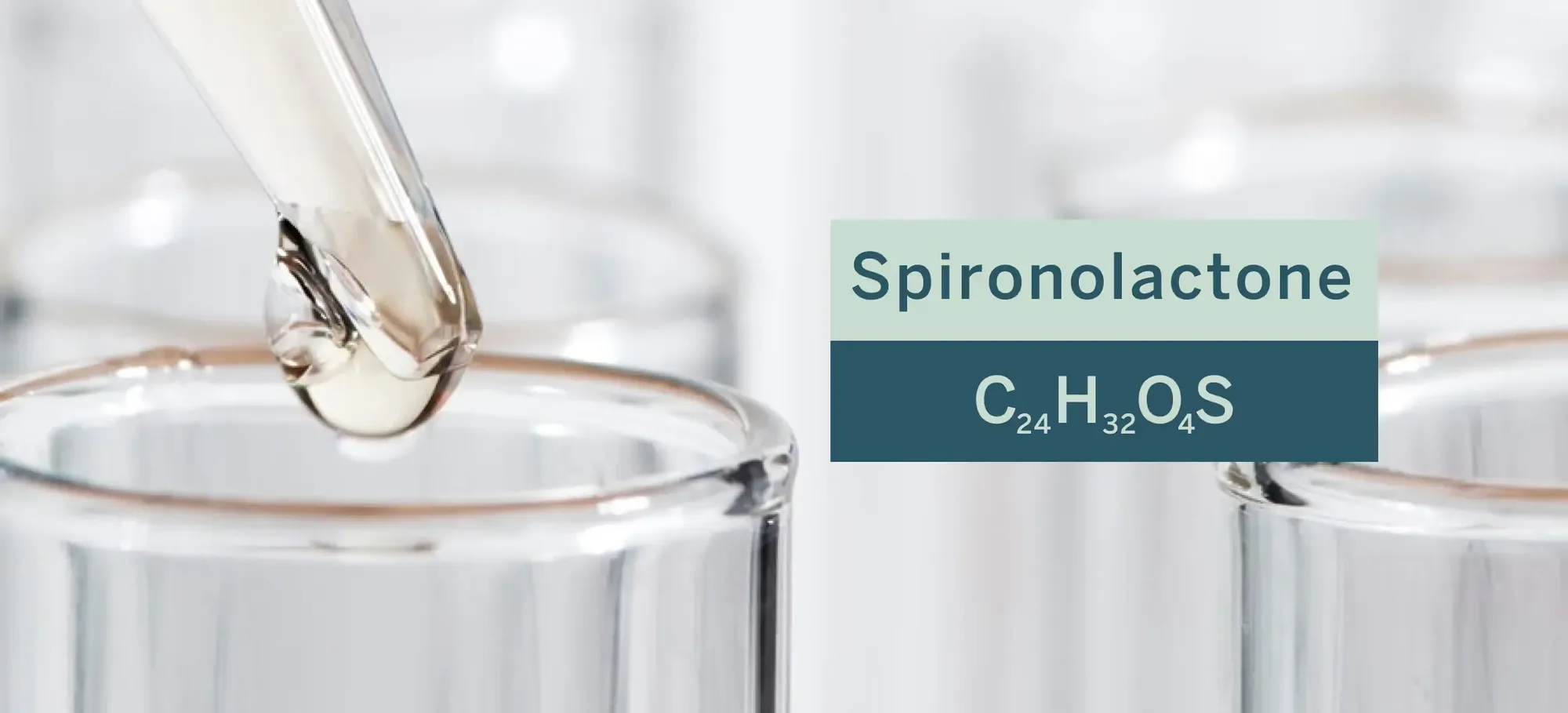
Spironolactone for female hair loss can help slow progressive thinning and improve hair density by reducing the effects of androgens on sensitive hair follicles. Although this prescription medication is not specifically approved for hair loss, clinical research supports its use in selected women.
Subscribe to the Medifinder newsletter and never miss our latest content.