










Root Canal Treatment in Turkey: Costs, Procedure and Recovery
Explore root canal treatment in Turkey, including costs, procedure, recovery time and how to choose an endodontist in Istanbul or Ankara.

- Last updated
- 4 reads
- 11 min read
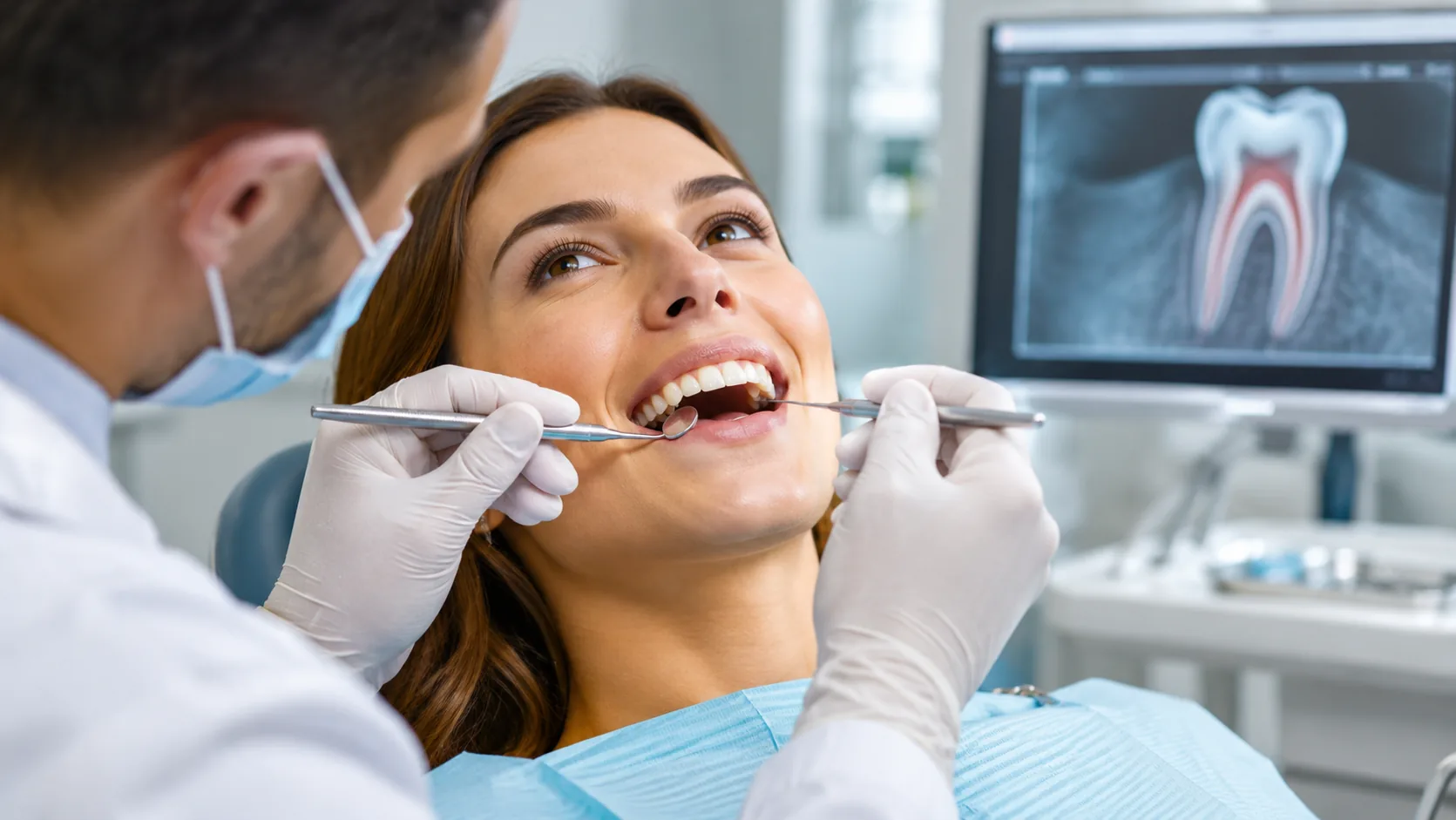


A toothache that keeps you awake at night can quickly turn a holiday or an ordinary week into a stressful experience. Sometimes the pain disappears after a few days, but that doesn't always mean the problem has gone away.
When bacteria reach the soft tissue inside a tooth, root canal treatment may be needed to treat the infection and save the natural tooth.
Turkey has become a popular destination for international patients researching dental care, including root canal treatment, dental crowns, and implants. But before booking an appointment in Istanbul, Antalya, or Ankara, it's worth understanding what the procedure involves, how much it may cost, and how long recovery usually takes.
What Is Root Canal Treatment?
Root canal treatment, also known as endodontic treatment, is a dental procedure used to treat inflammation or infection inside a tooth.
Every tooth contains a soft tissue called the pulp. It includes nerves, blood vessels, and connective tissue that help the tooth develop.
When the pulp becomes infected or severely inflamed, a dentist may recommend root canal treatment to preserve the tooth.
During the procedure, the infected or damaged pulp is removed, the root canals are cleaned and disinfected, and the space is filled and sealed.
The tooth is then restored with a filling or crown, depending on how much natural tooth structure remains.
The aim is straightforward: remove the infection, relieve symptoms, and keep the natural tooth whenever possible.
How Much Does Root Canal Treatment Cost in Turkey?
Root canal treatment costs in Turkey depend on the tooth being treated, the complexity of the root canals, and whether additional restoration is required.
A front tooth generally has a simpler root canal system than a molar. Back teeth often have several canals, which can make treatment more time-consuming.
The final bill may also include diagnostic imaging, temporary fillings, a permanent restoration, or a dental crown.
What Affects Root Canal Prices in Turkey?
| Factor | How it affects the cost |
|---|---|
| Tooth type | Molars usually require more complex treatment than front teeth |
| Number of canals | Additional canals may increase treatment time |
| Infection severity | Complicated infections may require additional appointments |
| Retreatment | Treating a previously filled root canal can be more difficult |
| Specialist care | An endodontist may charge differently from a general dentist |
| Dental crown | A crown may be charged separately from the root canal |
| Diagnostic imaging | X-rays or CBCT scans may add to the final bill |
Rather than comparing advertised starting prices alone, ask the clinic for an itemized quotation.
A low root canal price may not include the final crown or permanent restoration, which can make the overall treatment more expensive than expected.
Root Canal Treatment in Turkey: Istanbul, Antalya and Ankara
International patients often compare dental clinics in several Turkish cities.
Root Canal Treatment in Istanbul
Istanbul offers a wide range of private dental clinics and specialist endodontic services.
Some clinics provide treatment for international patients, including consultations in English and assistance with appointment scheduling.
When comparing providers, check whether an endodontist is available and whether the clinic can complete the final restoration during your visit.
Root Canal Treatment in Antalya
Antalya is another destination considered by patients combining dental treatment with travel.
However, dental appointments should be planned around the clinical requirements rather than sightseeing.
If the tooth has a significant infection or requires more than one visit, extra time may be necessary.
Root Canal Treatment in Ankara
Ankara has private dental practices, specialist clinics, and university-associated dental services.
Patients looking for endodontic treatment in Ankara should ask about diagnostic imaging, specialist availability, and follow-up care.
Regardless of the city, the dentist's qualifications and treatment plan matter more than the location alone.
How Do You Know If You Need a Root Canal?
Not every toothache requires root canal treatment.
However, certain symptoms may suggest that the pulp inside a tooth is inflamed or infected.
Common warning signs include:
-
Persistent or severe toothache
-
Pain when biting or chewing
-
Sensitivity to hot or cold that lingers
-
Swelling around the affected tooth
-
A small pimple-like bump on the gum
-
Tooth discoloration
-
Tenderness around the gums
Some infected teeth cause very little pain, particularly if the pulp has already died.
A dentist must examine the tooth and usually take an X-ray before determining whether root canal treatment is necessary.
Important: Facial swelling accompanied by fever, difficulty swallowing, or breathing problems requires urgent medical assessment.
What Happens During Root Canal Treatment?
Many patients imagine root canal treatment as a particularly painful procedure. In reality, modern dental anesthesia is intended to keep the treatment comfortable.
The procedure usually follows several stages.
1. Examination and Dental X-Ray
The dentist examines the affected tooth and reviews its symptoms.
Dental imaging helps identify the root canal anatomy and look for signs of infection around the root.
2. Local Anesthesia
Local anesthesia is administered to numb the treatment area.
Patients may feel pressure or movement during the procedure, but significant pain should not be expected.
If you experience discomfort, tell your dentist so the anesthesia can be reassessed.
3. Removing the Infected Pulp
The dentist creates a small opening in the tooth to reach the pulp chamber.
Special instruments are used to remove the inflamed or infected tissue from the root canals.
4. Cleaning and Disinfecting the Canals
The canals are carefully shaped and cleaned.
Disinfecting solutions help reduce bacteria and remove remaining tissue.
5. Filling and Sealing the Tooth
Once the canals are prepared, they are filled with a biocompatible material, commonly gutta-percha, and sealed.
The dentist may place a temporary or permanent filling depending on the treatment plan.
6. Restoring the Tooth
After root canal treatment, the tooth needs an appropriate final restoration.
Some teeth can be restored with a filling, while others, particularly molars with substantial structural damage, may benefit from a crown.
A properly restored tooth has a better chance of functioning successfully over the long term.
How Long Does a Root Canal Take in Turkey?
A root canal appointment may take approximately 60–90 minutes, although simpler or more complex cases can fall outside this range.
Some teeth can be treated in one appointment.
Others require two or more visits, particularly when the infection is difficult to manage or the anatomy is complicated.
The treatment schedule depends on the tooth rather than the country where the procedure is performed.
If you're traveling to Turkey specifically for dental care, ask whether the dentist expects to complete the treatment and permanent restoration before your return flight.
Is Root Canal Treatment Painful?
Root canal treatment has a reputation for being painful, but the procedure itself is generally performed under local anesthesia.
Many patients find that the pain caused by the infected tooth is more troublesome than the treatment.
After the anesthesia wears off, some tenderness or discomfort is common.
This usually improves over the following days.
Persistent severe pain, increasing swelling, or fever should not be ignored.
Root Canal Recovery: What to Expect
Most patients can return to ordinary daily activities relatively quickly after root canal treatment.
However, the tooth and surrounding tissues may remain sensitive for several days.
First 24 Hours
Your mouth may remain numb for a few hours.
Avoid chewing until the numbness has worn off to reduce the risk of biting your cheek or tongue.
Choose foods that are comfortable to eat and follow your dentist's instructions.
Days 2–3
Mild tenderness when biting can occur.
Some patients experience sensitivity around the treated tooth, particularly if there was inflammation before treatment.
Symptoms should generally begin improving rather than becoming progressively worse.
First Week
Many patients feel substantially more comfortable within several days.
If the tooth has a temporary filling, avoid chewing hard or sticky foods on that side until the final restoration is completed.
After the Final Restoration
Once the tooth has been permanently restored and your dentist confirms it is ready for normal function, you can usually resume ordinary chewing.
Continue brushing twice daily with fluoride toothpaste and cleaning between your teeth.
A root canal-treated tooth can still develop decay or gum disease, so routine dental care remains important.
Can You Fly After Root Canal Treatment?
Many patients can travel after an uncomplicated root canal procedure.
However, the timing depends on symptoms, the severity of the infection, and whether additional appointments are required.
If you are visiting Turkey for dental tourism, avoid scheduling treatment immediately before a flight without discussing the plan with your dentist.
A short recovery window may be useful, especially when a molar or an infected tooth requires extensive treatment.
If swelling, severe pain, or other complications develop, further assessment may be necessary before traveling.
Root Canal vs Tooth Extraction: Which Is Better?
When a tooth is severely damaged or infected, patients sometimes wonder whether extraction would be easier.
In many cases, preserving the natural tooth is preferable when it can be successfully restored.
Root canal treatment removes the infected pulp while keeping the tooth in place.
Extraction removes the entire tooth.
| Root canal treatment | Tooth extraction |
|---|---|
| Preserves the natural tooth | Removes the tooth |
| Usually followed by a filling or crown | May require an implant, bridge, or denture |
| Maintains the tooth's position and chewing function | Can leave a gap if the tooth is not replaced |
| Not suitable for every damaged tooth | May be necessary when the tooth cannot be restored |
Extraction may be appropriate when a tooth has a severe fracture, inadequate remaining structure, or another problem that makes successful restoration unlikely.
The best option depends on the tooth's condition and long-term prognosis.
Root Canal vs Dental Implant: Which Costs More?
Root canal treatment and dental implants serve different purposes.
A root canal aims to save an existing tooth.
A dental implant replaces a missing tooth or one that must be extracted.
Implant treatment may involve several stages, including extraction, healing, implant placement, and crown restoration.
As a result, replacing a tooth with an implant can involve more procedures and a higher total cost than preserving a restorable tooth with root canal treatment.
However, cost should not be the only deciding factor.
A dentist should first assess whether the natural tooth has a reasonable chance of long-term survival.
Do You Always Need a Crown After Root Canal Treatment?
Not every root canal-treated tooth requires a crown.
The decision depends on the tooth's position, remaining structure, and chewing forces.
Molars and premolars often benefit from cuspal coverage because they experience substantial pressure during chewing.
A front tooth with relatively little structural damage may sometimes be restored with a filling.
Your dentist should explain the recommended restoration and whether its cost is included in the treatment quotation.
What Happens If You Delay Root Canal Treatment?
An infected tooth does not necessarily heal simply because the pain disappears.
Untreated infection can spread into the tissues surrounding the root and may lead to an abscess.
In some cases, the tooth becomes more difficult to save.
If you have persistent tooth pain, swelling, or other signs of infection, arranging a dental examination is safer than waiting for symptoms to disappear.
How to Choose an Endodontist in Turkey
Choosing a dentist for root canal treatment involves more than comparing prices.
Before booking, consider the following questions:
-
Is the clinician qualified and experienced in endodontic treatment?
-
Will the tooth be assessed with appropriate diagnostic imaging?
-
Is a dental operating microscope available when needed?
-
Does the quotation include the permanent filling or crown?
-
What happens if further treatment is required?
-
Will the clinic provide copies of your dental records and X-rays?
-
How will follow-up care be handled after you return home?
For complicated root canal anatomy, retreatment, or persistent infection, an endodontist may be particularly helpful.
Frequently Asked Questions About Root Canal Treatment in Turkey
Is root canal treatment cheaper in Turkey?
Some private clinics in Turkey advertise lower prices than providers in countries such as the United States or United Kingdom. However, meaningful comparisons require itemized quotations covering the same treatment and restoration.
How many days should I stay in Turkey for a root canal?
Some cases can be completed in one appointment, while others need several visits. If a permanent crown is also required, additional time may be necessary.
Is root canal treatment safe in Turkey?
Root canal treatment is a well-established dental procedure. Its safety depends on appropriate diagnosis, infection control, clinical technique, and the dentist's experience rather than the country alone.
Can a root canal fail?
Yes. Persistent bacteria, complex canal anatomy, new decay, or problems with the restoration can sometimes lead to treatment failure. Retreatment or another procedure may be necessary.
How long does a root canal-treated tooth last?
A properly treated and restored tooth can remain functional for many years. Its longevity depends on the remaining tooth structure, quality of treatment, restoration, and ongoing oral hygiene.
Do I need antibiotics after a root canal?
Not routinely. Antibiotics are generally reserved for specific situations, such as certain spreading infections or systemic symptoms. Your dentist will determine whether they are necessary.
Can I eat after root canal treatment?
You can generally eat once the numbness has worn off, following your dentist's instructions. Avoid hard chewing on a tooth with a temporary restoration.
Is a root canal better than removing the tooth?
Preserving a natural tooth is often preferable when the tooth can be successfully restored. However, extraction may be necessary if the tooth is too damaged to save.
Is Root Canal Treatment in Turkey Worth Considering?
Turkey offers a range of private dental services for patients researching endodontic treatment abroad.
For some international patients, the combination of treatment availability and private-clinic pricing may make Turkey worth considering.
However, the decision should not depend on cost alone.
A reliable diagnosis, appropriate clinical care, permanent restoration, and access to follow-up treatment are essential for a successful outcome. Before traveling, ask for a detailed treatment plan and make sure you understand how many appointments may be required.
You can explore dental professionals and clinics on MediFinder to compare available care options.
- Last updated
- Language
- English
How did you find this article?

Upper dental implants sit near the maxillary sinus. Learn how dental and sinus conditions can overlap, which symptoms matter, and when prompt care is needed.
Pain when releasing a bite can point to a cracked tooth, a high filling, an irritated ligament, or another dental issue. Learn what the pattern means.
A temporary crown may last several days to a few months, but its material, bite, seal and condition of the tooth determine how safely it can remain.
Subscribe to the Medifinder newsletter and never miss our latest content.