










Can a Dental Implant Cause Sinus Problems?
Upper dental implants sit near the maxillary sinus. Learn how dental and sinus conditions can overlap, which symptoms matter, and when prompt care is needed.

- Last updated
- 78 reads
- 7 min read
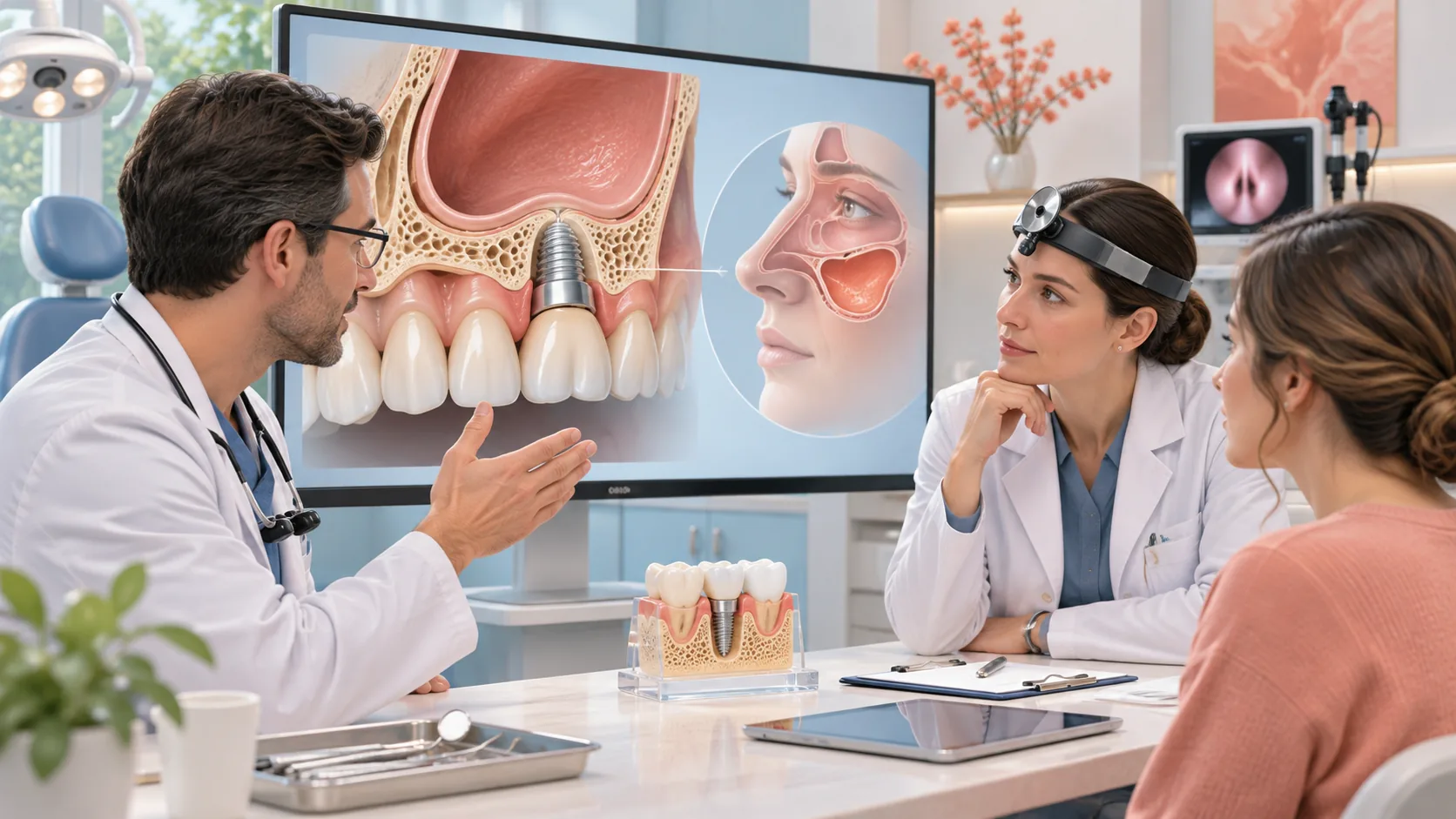


A dental implant in the upper back teeth sits close to the maxillary sinus, so facial pressure, nasal congestion, or a change in drainage can raise an understandable concern. In most cases, an implant does not directly cause chronic sinus disease. Symptoms may reflect normal healing, a pre existing sinus problem, inflammation around the implant, or a close relationship between the implant site and the sinus floor.
Why Are Upper Implants Near the Sinus?
The roots of upper premolars and molars can lie close to the maxillary sinus, an air filled space behind the cheekbones. After a tooth is removed, the bone between the mouth and sinus may become thinner. Placing an implant in this area sometimes requires a sinus lift or additional bone grafting to create enough support.
Because the anatomy is close, swelling or infection near an upper implant can influence the sinus lining. The reverse can also happen: a sinus infection may create pressure near an implant and make the tooth feel uncomfortable even when the implant itself is stable.
Can a Dental Implant Cause Sinus Problems?
It can contribute to sinus symptoms in specific situations, but the relationship is not automatic. A procedure may irritate the sinus lining temporarily, a graft may become infected, or an implant may extend too close to the sinus space. More commonly, symptoms that appear after treatment are caused by ordinary nasal inflammation, allergies, a viral infection, or a dental infection unrelated to the implant position.
The timing, location, and progression of symptoms help clarify the pattern. A mild pressure sensation that improves during healing differs from fever, foul drainage, or persistent one sided congestion.
Symptoms That May Link the Implant Area to the Sinus
Cheek Pressure
Pressure under the eye or in the cheek can occur with sinus inflammation. It may increase when bending forward or during a cold. Tenderness over the implant site can also come from normal tissue healing.
One Sided Nasal Congestion
Blocked breathing on the same side as an upper implant may reflect swelling of the nearby sinus opening. Allergies and a deviated nasal passage can create the same symptom.
Postnasal Drip or Unpleasant Taste
Drainage down the throat, a bad taste, or an unpleasant smell can suggest sinus infection or an oral source. These symptoms deserve an examination rather than repeated mouth rinses.
Tooth or Implant Tenderness
An implant that hurts when biting, feels loose, or becomes surrounded by swelling may have a local problem. Sinus pressure can make the region feel sore, but it should not be assumed to explain movement or progressive pain.
- Upper molar implants are anatomically close to the maxillary sinus.
- Sinus pressure may come from dental, nasal, or healing related causes.
- Fever, foul drainage, and increasing swelling need prompt assessment.
- A loose implant is a dental warning sign, not a normal sinus symptom.
Normal Healing Versus a Sinus Complication
After implant placement or sinus lifting, mild swelling, stuffiness, and pressure can occur for a short period. The tissues may feel full, and the cheek can remain tender while the bone and gum begin to heal. These symptoms should generally become less intense over time.
A complication is more likely when symptoms worsen after an initial improvement, remain strongly one sided, or appear with fever, pus, severe pain, or a persistent bad smell. Sudden fluid passing between the mouth and nose, or air moving through the implant site, also needs prompt attention.
How a Sinus Infection Can Affect an Implant
A sinus infection can produce pressure near the roots of upper teeth and create pain that feels dental. If the implant area has not fully healed, inflammation may make chewing uncomfortable. The presence of congestion does not prove that the implant caused the infection.
Allergies, a cold, nasal polyps, smoking, and reduced sinus drainage can all contribute. Treating only the mouth while ignoring a persistent nasal problem may allow symptoms to continue, while treating only the nose may miss a local dental infection.
What Happens During an Evaluation?
The dental examination checks the gum, implant stability, bite, surrounding teeth, and signs of infection. The nasal and sinus history includes congestion, facial pressure, discharge, recent illness, allergies, and previous sinus surgery.
Dental images can show the implant position, bone support, and nearby structures. Three dimensional imaging may be used when the relationship with the sinus floor is unclear. In selected cases, an ear, nose, and throat examination or sinus imaging is helpful.
What Should You Do Before Being Seen?
Avoid smoking, forceful nose blowing, and activities that create strong pressure in the sinus while the area is healing. Follow the mouth care instructions and take prescribed medication as directed. Do not place unapproved substances into the implant site or stop treatment early because the pressure seems better.
- Sleep with the head slightly elevated if swelling remains.
- Use gentle oral hygiene around the implant.
- Avoid poking the area with a finger or tool.
- Record fever, drainage, pain, and changes in breathing.
When Is the Situation Urgent?
Seek prompt care for facial swelling that is spreading, fever, severe or escalating pain, pus, difficulty opening the mouth, or an implant that suddenly feels loose. Urgent attention is also needed for swelling that affects swallowing or breathing.
New vision changes, swelling around the eye, severe headache, or confusion are emergency symptoms. Do not wait for a routine dental visit when symptoms are rapidly progressing.
How Are Implant Related Sinus Problems Treated?
Treatment depends on the source. A local dental infection may need cleaning, drainage, medication, or treatment of the implant site. Sinus inflammation may require nasal care or other treatment directed at the sinus. If an implant or graft is positioned in a way that irritates the sinus, the dental and sinus findings are considered together.
Removing or replacing an implant is not automatically necessary. The priority is to determine whether the implant is stable, whether infection is present, and whether the sinus is draining normally. Unplanned antibiotics or repeated decongestants can mask symptoms without correcting the underlying cause.
Frequently Asked Questions About Dental Implants and Sinus Problems
Can an upper dental implant cause sinus pressure?
An upper implant can be close enough to the maxillary sinus that healing swelling or local inflammation creates pressure. Nasal allergies and ordinary sinus infections can produce the same sensation.
Can a dental implant cause a sinus infection?
It can contribute when infection, graft complications, or an unfavorable relationship with the sinus is present. A dental and sinus examination is needed to identify the source.
Is congestion normal after a sinus lift?
Mild temporary stuffiness can occur during healing. Worsening congestion, fever, foul drainage, severe pain, or swelling requires prompt review.
What does a loose implant with sinus symptoms mean?
A loose implant is not expected after integration and should be assessed promptly. The sinus symptoms may be related or may have a separate cause.
When should I seek urgent care?
Seek urgent care for spreading facial swelling, severe pain, fever, vision changes, breathing or swallowing difficulty, or rapidly worsening symptoms.
Putting the Symptoms in Context
A dental implant and the maxillary sinus can influence one another because they share a small anatomical space. That does not mean every episode of congestion or cheek pressure is caused by the implant. Track the timing, protect the healing area, and arrange a focused evaluation when symptoms persist, worsen, or include signs of infection.
The way symptoms change during the day can provide additional clues. Sinus pressure may increase when bending forward, while a high bite may hurt mainly during chewing. A local implant problem may cause tenderness when the gum is touched, whereas nasal congestion often changes with allergies, weather, or a recent cold.
Do not test the implant by repeatedly biting hard food. Excess force can irritate the supporting tissues and make the pain pattern less clear. Choose softer foods, chew on the opposite side, and keep the mouth clean without scrubbing the area aggressively.
After a sinus lift, avoid forceful nose blowing and follow any instructions about sneezing with the mouth open. Pressure changes can disturb healing tissues. If a sneeze causes sudden pain, bleeding, or fluid from the nose or mouth, report it rather than trying to correct the area yourself.
Medication history also matters. Nasal sprays, decongestants, blood thinners, and immune affecting medicines can alter symptoms or healing. Bring the full list to the appointment, including products purchased without a prescription.
Good implant care continues after the immediate recovery period. Regular cleaning, attention to gum bleeding, and early reporting of bad taste or swelling can help detect local inflammation before it spreads toward the sinus.
- Last updated
- Language
- English
How did you find this article?
Explore root canal treatment in Turkey, including costs, procedure, recovery time and how to choose an endodontist in Istanbul or Ankara.
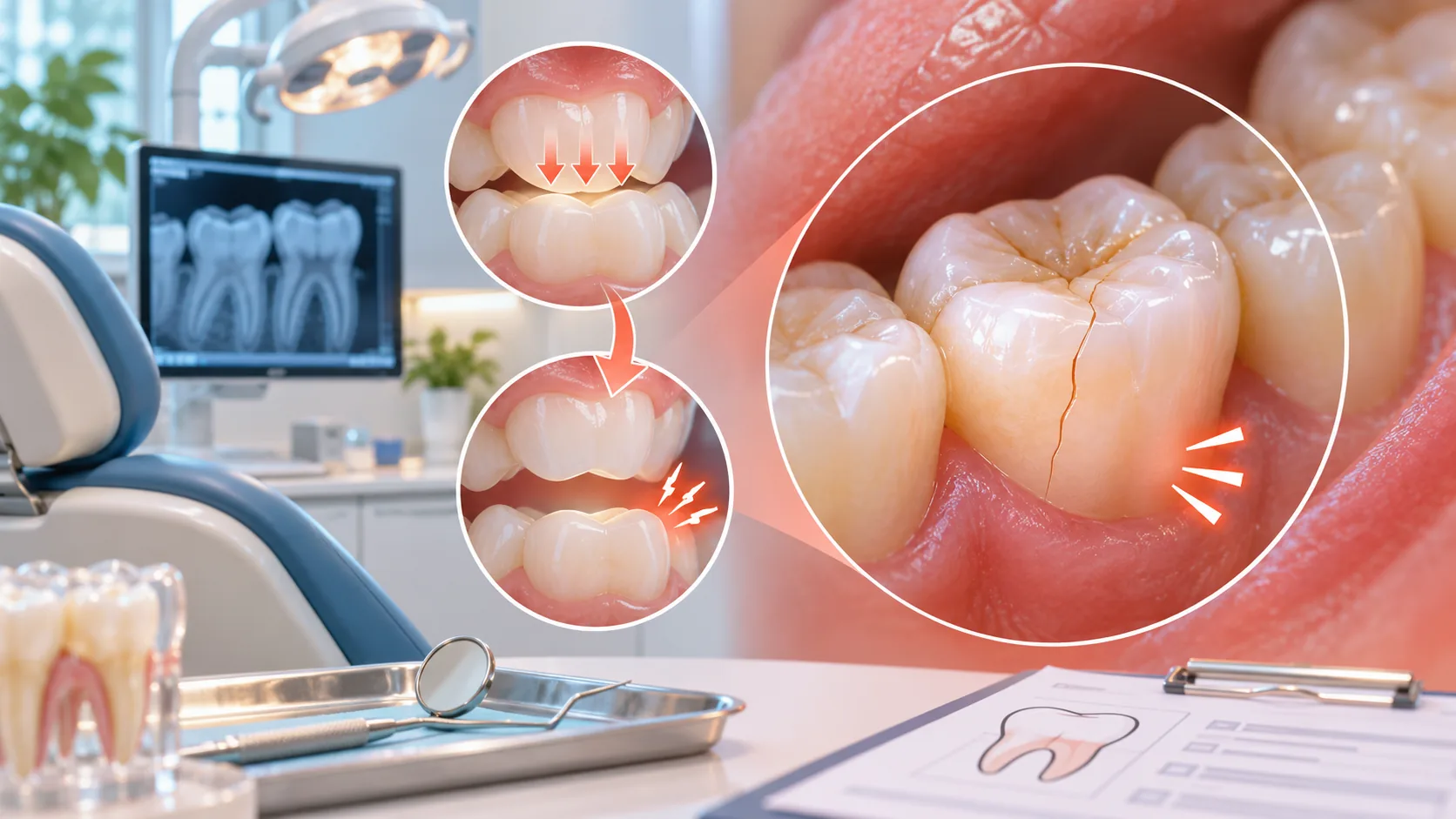
Pain when releasing a bite can point to a cracked tooth, a high filling, an irritated ligament, or another dental issue. Learn what the pattern means.
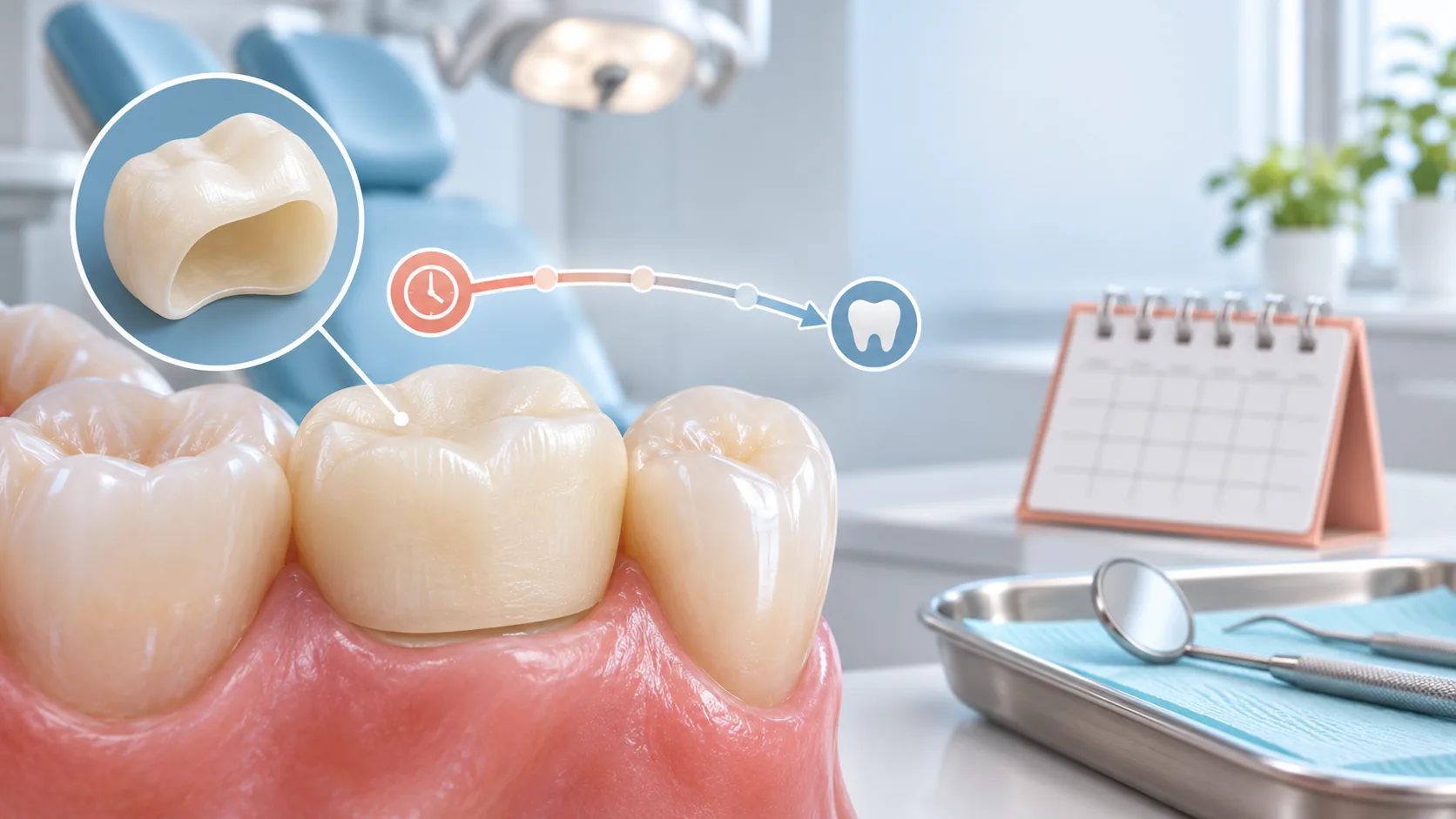
A temporary crown may last several days to a few months, but its material, bite, seal and condition of the tooth determine how safely it can remain.
Subscribe to the Medifinder newsletter and never miss our latest content.