










How Long Can a Temporary Crown Stay On?
A temporary crown may last several days to a few months, but its material, bite, seal and condition of the tooth determine how safely it can remain.

- Last updated
- 94 reads
- 6 min read
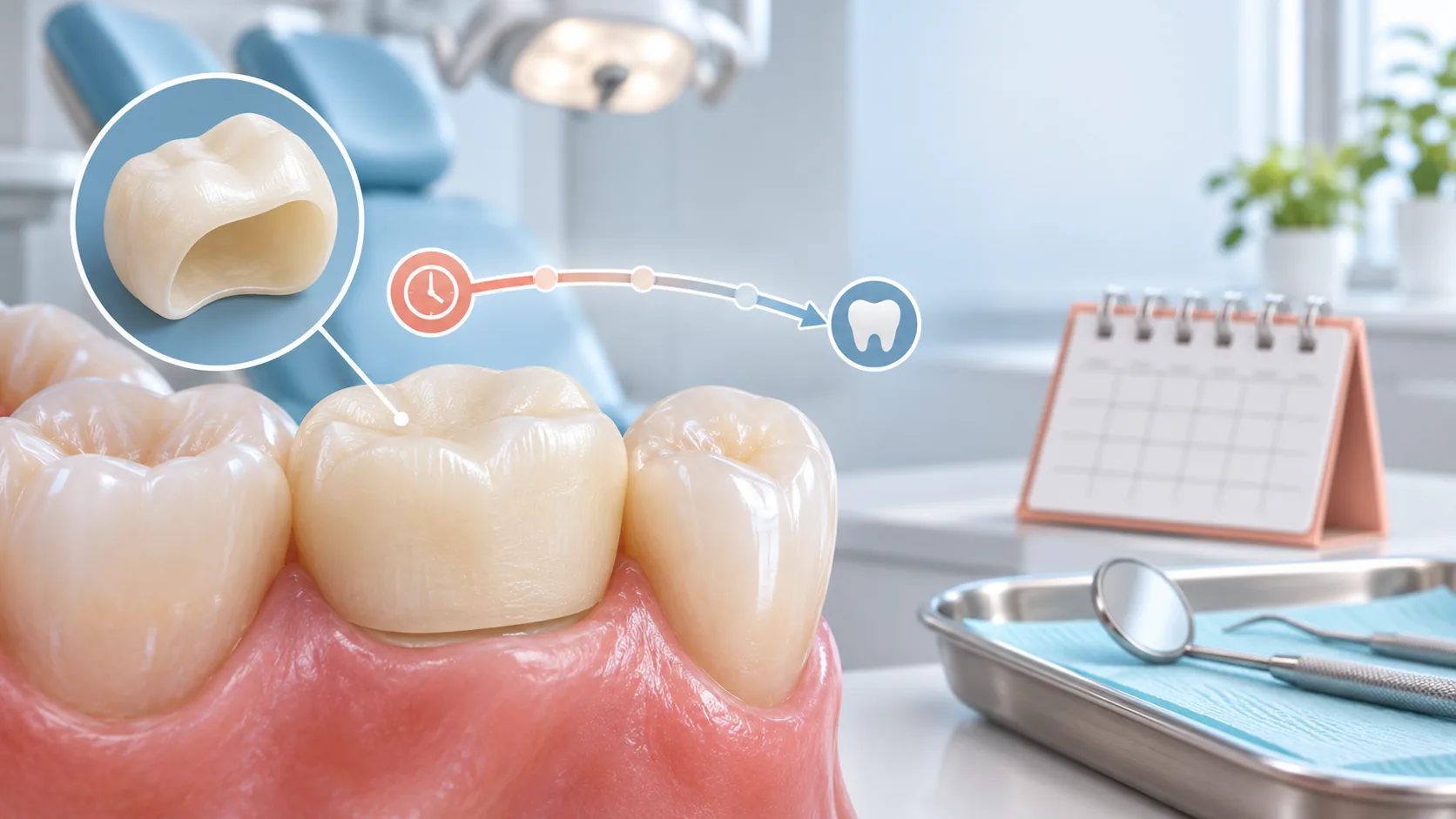


A temporary crown is designed to protect a prepared tooth while a permanent restoration is being made. It covers sensitive surfaces, helps maintain the tooth position and allows you to chew carefully during the waiting period. Many temporary crowns stay in place for a few weeks, but the safe length depends on the tooth, the material, the bite and how well the crown is maintained.
How Long Can a Temporary Crown Stay On?
Most temporary crowns are intended for short term use, often from a few days to several weeks. Some can remain serviceable for a few months when the tooth is stable and the restoration is intact. A temporary crown is not built with the same strength, fit or long term seal as a permanent crown, so leaving it indefinitely increases the chance of fracture, loosening, leakage and gum irritation.
Why Is a Temporary Crown Needed?
Preparing a tooth removes some enamel and changes its shape. The temporary crown protects the prepared tooth from temperature, pressure and bacteria while the laboratory creates the final restoration. It also maintains the space and bite so the permanent crown can fit correctly. Without protection, the tooth may become sensitive or the neighboring teeth may shift.
- Temporary crowns protect the prepared tooth during laboratory time.
- They help preserve spacing and chewing contact.
- They are made for function, not indefinite wear.
- A loose or damaged temporary crown needs prompt attention.
What Determines How Long It Lasts?
Material and Thickness
Temporary crowns may be made from resin or other provisional materials. They are lighter and easier to adjust than many permanent materials, but they can wear down or fracture under heavy chewing. A thin temporary on a front tooth may face different forces from a temporary on a molar.
Bite and Grinding
Clenching and nighttime grinding place repeated force on the crown. The material may flatten, crack or loosen from the prepared tooth. If you wake with jaw soreness or headaches, tell the dental office because grinding can shorten the life of a provisional restoration.
Location of the Tooth
Back teeth absorb strong chewing pressure, while front teeth experience biting and shearing forces. A temporary crown on a molar may wear faster if you chew hard foods on that side. A front crown can be damaged by biting fingernails, pens or firm foods with the incisors.
Cement and Moisture
Temporary cement is designed to hold the crown securely while still allowing removal later. Saliva, sticky foods and repeated pressure can weaken the seal. If the crown moves, bacteria can enter around the tooth and the gum may become sore.
What Happens If You Wear It Too Long?
A temporary crown that remains for too long can develop worn edges, cracks or a gap near the gum. The protected tooth may become sensitive or decay beneath the crown if bacteria enter. The bite can change as the material wears, and the gum may grow around an irregular edge. Delaying the permanent restoration also makes it harder to know whether the tooth is healing as expected.
Can a Temporary Crown Fall Off?
Yes. Sticky foods, flossing upward, clenching or a weak cement seal can dislodge it. Do not panic or glue it back with household adhesive. Keep the crown clean, place it in a small container and contact the dental office. If advised to reseat it temporarily, use only the recommended dental cement and avoid chewing on that side.
What Should You Eat With a Temporary Crown?
Choose softer foods while the crown is settling and chew on the opposite side when possible. Avoid caramel, chewing gum, toffee, ice, hard nuts and foods that require tearing with the treated tooth. Cut firm foods into small pieces. These habits reduce the chance of pulling the temporary crown away from the prepared tooth.
- Chew slowly and avoid very sticky textures.
- Do not bite ice, pens, fingernails or hard candy.
- Use the opposite side for tough foods.
- Rinse after meals and keep the gumline clean.
How Do You Brush and Floss Around It?
Brush gently with a soft toothbrush and clean the gumline as usual. When flossing, slide the floss out through the side rather than snapping it upward, which can lift the crown. An interdental brush may help if it fits comfortably. If the gum bleeds repeatedly or the crown edge feels rough, arrange a review.
Is Sensitivity Normal With a Temporary Crown?
Mild sensitivity to cold or pressure can occur because the tooth has been prepared. It should gradually settle. Pain that lingers after hot or cold drinks, throbs without a trigger, worsens when lying down or hurts strongly when biting may indicate pulp inflammation, a high bite or a problem with the seal.
What If the Temporary Crown Feels High?
A crown that contacts first can make the tooth tender and irritate the ligament around the root. The bite may feel uneven when you close or chew. A small adjustment can remove the excess contact. Do not wait until the permanent crown appointment if the tooth hurts every time you bite down.
When Does a Temporary Crown Need Immediate Attention?
Contact the dental office promptly for a loose crown, a sharp edge, a crack, persistent pain, swelling, a bad taste, bleeding or sensitivity that is getting worse. Urgent care is needed for facial swelling, fever, difficulty swallowing or severe pain that prevents sleep. A missing temporary crown leaves the prepared tooth exposed.
Can You Sleep Without a Temporary Crown?
If the crown has fallen out, protect the tooth from chewing and extreme temperatures while arranging care. Do not sleep with a loose crown that could be swallowed or inhaled. Keep the area clean and follow the instructions given for temporary protection until the crown is reseated or replaced.
Why Can the Permanent Crown Take Longer?
Laboratory fabrication, shade matching, gum healing, bite adjustments and additional treatment can extend the timeline. A temporary crown gives the tooth protection while those steps are completed. If the expected appointment is delayed, the restoration should be checked rather than left without review for an indefinite period.
How Can You Make It Last Until the Appointment?
Keep the temporary clean, avoid hard and sticky foods, wear a night guard only if it has been recommended and attend the planned fitting appointment. Tell the dentist about changes in sensitivity, chewing comfort or crown movement. Small problems are easier to correct before the tooth or gum becomes inflamed.
- Keep the crown dry and clean when it is outside the mouth.
- Do not use superglue or household adhesive.
- Call if the bite changes or the crown feels mobile.
- Protect the restoration from grinding and hard foods.
Frequently Asked Questions About How Long a Temporary Crown Can Stay On
Can a temporary crown stay on for six months?
Some temporary crowns can remain serviceable for several months, but they are not designed for indefinite use. The seal, material, bite and condition of the tooth should be checked if the permanent crown is delayed.
What happens if I leave a temporary crown on too long?
It may wear, fracture, loosen or leak. Bacteria can reach the prepared tooth, and the gum may become irritated around a rough or overgrown edge.
Can I eat normally with a temporary crown?
Soft foods are safer, while sticky and hard foods can pull or crack the restoration. Cut firm foods and chew away from the temporary when possible.
What should I do if my temporary crown falls out?
Save the crown, keep the tooth clean and contact the dental office. Do not use household glue or force the crown back if it does not fit comfortably.
How do I know if a temporary crown is failing?
Movement, a crack, a rough edge, worsening sensitivity, pain on biting, swelling or a bad taste can signal that the temporary needs prompt review.
Regular checks are especially useful when the temporary has been in place longer than originally planned.
Keeping the Tooth Protected
A temporary crown may last from several days to a few months, but its purpose is to bridge the gap until the permanent restoration is ready. Gentle cleaning, careful eating and prompt attention to looseness or pain help protect the prepared tooth. If the appointment is delayed, a check of the crown and bite keeps a short term solution from becoming a larger dental problem.
- Last updated
- Language
- English
How did you find this article?
Explore root canal treatment in Turkey, including costs, procedure, recovery time and how to choose an endodontist in Istanbul or Ankara.
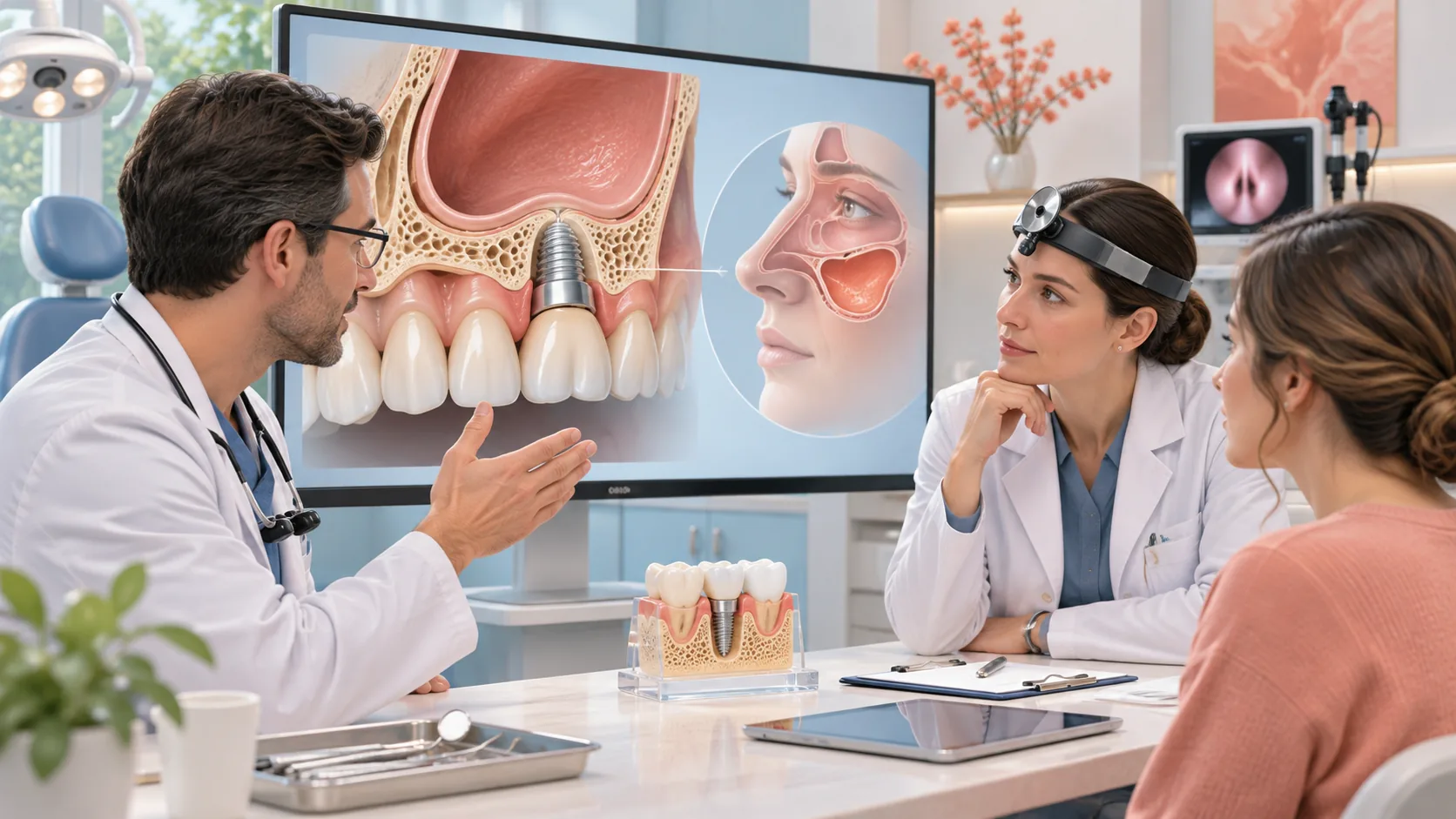
Upper dental implants sit near the maxillary sinus. Learn how dental and sinus conditions can overlap, which symptoms matter, and when prompt care is needed.
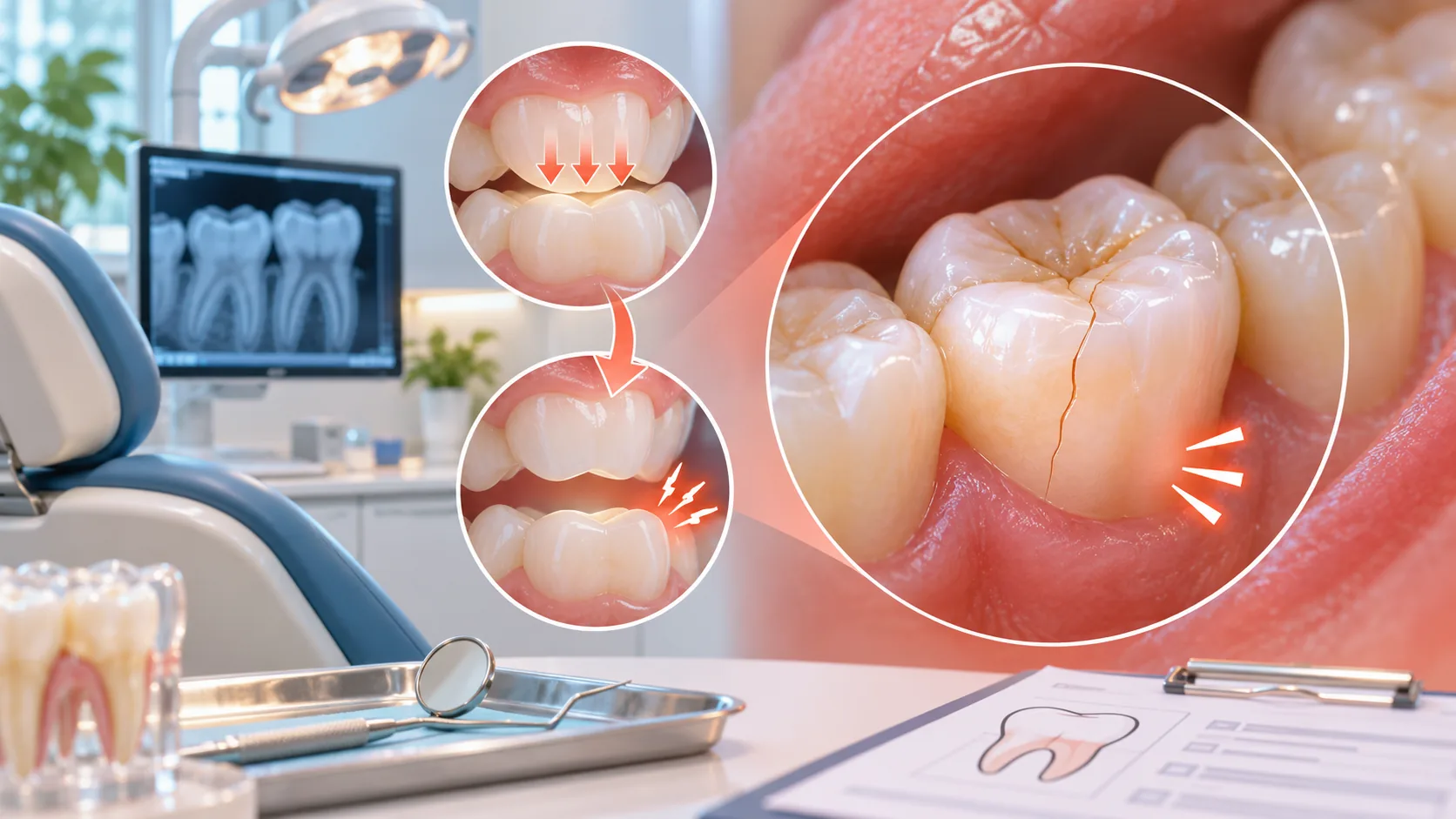
Pain when releasing a bite can point to a cracked tooth, a high filling, an irritated ligament, or another dental issue. Learn what the pattern means.
Subscribe to the Medifinder newsletter and never miss our latest content.