






Protein Shakes and Hair Loss
Explore the connection between protein shakes and hair loss, including low protein intake, shake ingredients, rapid weight loss and ways to protect healthy growth.

- Last updated
- 132 reads
- 10 min read


Protein Shakes and Hair Loss: Can They Affect Hair Growth?
Protein shakes have become a convenient choice for athletes, busy professionals, people trying to lose weight and anyone who struggles to meet their nutritional needs through meals alone. They can provide a quick source of protein, fit easily into a busy routine and support a wide range of dietary goals.
However, people sometimes notice increased shedding after changing their diet or starting a new supplement. This timing can create an understandable concern about protein shakes and hair loss. Did the shake trigger the problem, or did something else change at the same time?
Protein shakes do not normally cause hair loss when you use a suitable product as part of a balanced diet. In fact, inadequate protein intake can contribute to excessive shedding, so a shake may help when it corrects a genuine dietary shortfall.
Problems may arise when shakes replace too many balanced meals, support an extreme calorie-restricted diet or contain unnecessary amounts of certain vitamins and minerals. Rapid weight loss, nutritional imbalance and an underlying health condition can also affect the hair cycle.
The relationship depends less on protein itself and more on the complete product, your overall diet and the reason you started using it.
Why Does Your Hair Need Protein?
Hair shafts consist mainly of keratin, a tough structural protein. Your body uses amino acids from dietary protein to build keratin and support many other tissues and biological processes.
Hair growth does not rank among the body’s most urgent functions. When your protein or calorie intake falls too low, the body may direct available resources toward essential organs and processes instead. Hair production can slow during this period.
This does not mean that drinking extra protein automatically produces thicker hair. Your follicles need a balanced supply of energy, protein, vitamins and minerals. Once you meet your nutritional requirements, consuming increasingly large amounts of protein will not necessarily accelerate growth.
A protein shake may support your hair when it fills a real gap in your diet. It cannot compensate for every nutritional problem, and it will not treat hereditary or autoimmune hair loss.
Can Protein Shakes Cause Hair Loss?
Protein powder itself does not have a recognised direct effect that destroys healthy hair follicles. Whey, casein, soy, pea and other common protein sources do not usually cause baldness when you consume them appropriately.
A shake can contribute indirectly to shedding when it changes the quality of your diet. For example, you may start replacing breakfast and lunch with low-calorie shakes to lose weight quickly. Although the product contains protein, the rest of your intake may lack enough calories, essential fats, iron or other nutrients.
Some shakes also contain added vitamins, herbal blends, stimulants or performance ingredients. These additions turn a simple protein product into a complex supplement. An excessive intake of certain nutrients may cause unwanted effects, including hair changes.
Therefore, you should look beyond the number of grams of protein on the label. The complete ingredient list and the way you use the product matter just as much.
Can Low Protein Intake Make Your Hair Fall Out?
A sustained lack of protein can contribute to diffuse hair shedding. The risk becomes greater when low protein intake occurs alongside severe calorie restriction or rapid weight loss.
The hair cycle includes active growth, transition, rest and shedding. Nutritional stress can push more follicles than usual into the resting phase. Several weeks or months later, these hairs begin to fall.
This condition is known as telogen effluvium. It usually causes increased shedding across the scalp rather than a single bald patch. You may notice more hair during washing, brushing or styling. Your ponytail may also feel smaller.
Correcting low protein intake may allow the cycle to recover, but you will not see an immediate change. Follicles need time to leave the resting stage, and new strands must grow long enough to improve visible density.
Protein Shakes During Weight Loss
Many concerns about protein shakes and hair loss actually involve weight loss rather than the shake itself.
Rapid weight loss places physical stress on the body. A very low-calorie diet may also limit protein, iron, zinc, essential fats and other nutrients. Even when a shake provides a reasonable amount of protein, your total daily intake may remain inadequate.
Telogen effluvium often develops two to four months after a significant dietary change. This delay can make the connection difficult to recognise. You may blame the protein powder because you still use it when the shedding begins, even though the original trigger was a period of aggressive dieting.
Aim for a sustainable eating plan rather than the fastest possible result. Include whole foods, varied protein sources, vegetables, fruit, grains and healthy fats. A shake should add convenience, not reduce your entire diet to liquids.
Does Whey Protein Cause Hair Loss?
Whey protein comes from milk and contains all the essential amino acids. It remains one of the most widely used sports nutrition products.
Online claims sometimes suggest that whey protein raises hormones linked to male pattern baldness. Current evidence does not show that ordinary whey protein consumption directly causes androgenetic alopecia.
Male and female pattern hair loss develop mainly because genetically sensitive follicles respond to androgen activity over time. If you already have this sensitivity, thinning may become visible during the same period that you begin exercising or taking supplements. That timing does not necessarily prove that whey caused it.
You may still need to avoid whey if you have a milk allergy or cannot tolerate dairy products. Digestive discomfort may also make it harder to maintain balanced nutrition. These issues differ from direct follicle damage.
What About Creatine in Protein Shakes?
Creatine and protein are separate ingredients, although some fitness shakes contain both.
Concerns about creatine and baldness began after limited research raised questions about its possible effect on dihydrotestosterone. That hormone plays a role in hereditary pattern hair loss among genetically susceptible people.
More recent evidence has not established that creatine causes hair loss or damages follicles. A controlled trial that assessed hair-related measures did not find a meaningful harmful effect from standard creatine supplementation.
Still, you should check the label rather than assuming every protein shake contains only protein. Pre-workout blends and mass-gain products may include creatine, caffeine, herbal extracts and several other active ingredients.
A simple formula makes it easier to identify the cause if you experience an unwanted reaction.
Can Added Vitamins Cause Hair Loss?
Some protein shakes include large amounts of vitamins and minerals. Manufacturers may market these products as complete meal replacements or wellness formulas.
More does not always mean better. Excessive intake of certain nutrients, including vitamin A and selenium, can contribute to hair shedding. The risk increases when you combine fortified shakes with multivitamins, hair supplements and a nutrient-rich diet.
Check how much each serving provides, and remember to consider every supplement you take. Two products may contain the same ingredients even though their front labels promote different benefits.
Do not assume that a product supports hair simply because it contains biotin. Biotin deficiency is uncommon, and high doses do not guarantee improved growth. Large amounts can also interfere with some laboratory test results.
Choose targeted supplementation based on a genuine need rather than marketing claims.
Are Plant-Based Protein Shakes Better for Hair?
Plant-based powders can provide a practical alternative if you avoid dairy or follow a vegan diet. Common sources include pea, soy, rice, hemp and blended plant proteins.
No single protein source works best for every person’s hair. The quality of the complete diet matters more than whether the powder comes from milk or plants.
Some individual plant proteins contain lower amounts of particular essential amino acids. Manufacturers often combine different sources to produce a more balanced amino acid profile. Soy and well-designed plant blends can provide useful protein when you consume enough overall.
Pay attention to iron and vitamin B12 if you follow a fully plant-based diet. A shake may provide protein while your wider diet remains low in another nutrient that supports normal hair growth.
Choose a product that suits your digestion, dietary preferences and medical needs.
Can Collagen Protein Regrow Hair?
Collagen powders have become popular in beauty and hair products. Collagen provides amino acids that the body can use in many ways, but it does not travel directly from your drink to your scalp and turn into new hair.
Collagen is not a complete protein in the same way as whey, soy or certain protein blends. It contains limited amounts of some essential amino acids and should not serve as your only major protein source.
A collagen supplement may contribute to your total protein intake, but evidence does not show that it reliably reverses common forms of hair loss. It cannot block the hormonal process behind pattern baldness or treat an autoimmune condition.
When choosing between a standard protein powder and collagen, consider your complete nutritional goal rather than relying on beauty-focused advertising.
How Should You Choose a Protein Shake?
Start with a clear purpose. Decide whether you need a post-exercise snack, a convenient protein source or a medically recommended meal replacement. These products do not serve identical roles.
Look for a short, understandable ingredient list. Check the amount of protein, added sugar, vitamins, minerals and other active ingredients in each serving. Avoid formulas that hide multiple substances inside a proprietary blend.
Independent quality testing can provide additional reassurance that a product contains what the label claims and avoids unacceptable levels of contaminants. This point matters because dietary supplements do not go through the same pre-market approval process as prescription medicines.
Be cautious with products that promise rapid fat loss, hormonal optimisation or dramatic hair growth. A protein shake should not need extreme claims to prove its value.
Your doctor or dietitian can offer personalised guidance if you have kidney disease, liver disease, diabetes, food allergies or another condition that affects your nutritional needs.
Can Protein Shakes Stop Hair Loss?
A protein shake may help when inadequate protein intake contributes to your shedding. It can offer a practical way to improve intake when you struggle with appetite, follow a restrictive diet or cannot prepare balanced meals consistently.
However, protein will not stop every type of hair loss. It cannot reverse genetic follicle miniaturisation, treat scalp inflammation or control an immune condition.
You may also experience shedding despite consuming plenty of protein. Iron deficiency, thyroid dysfunction, hormonal changes, medication, illness, stress and hereditary thinning can all affect the scalp.
Do not keep increasing your protein intake when the first shake does not stop the problem. Excess intake does not guarantee a stronger response. A proper diagnosis offers more value than continuously adding supplements.
What Does Nutrition-Related Hair Loss Look Like?
Nutrition-related shedding usually affects the scalp diffusely. You may see more strands than usual in the shower or find loose hair on your clothing and pillow.
The hair generally falls from the root rather than breaking at different points along the shaft. A shed strand may have a small pale bulb at one end. Broken pieces tend to look shorter and may result from heat, bleach or rough handling.
Telogen effluvium does not usually create smooth circular bald spots. It also should not cause scalp pain, severe itching or thick scaling.
A widening part or recession around the temples may suggest hereditary pattern hair loss. Sudden patches can indicate an autoimmune or infectious condition. Several problems can occur at the same time, so appearance alone cannot always identify the cause.
How Long Does Hair Recovery Take?
Hair recovery moves slowly. If low protein intake, crash dieting or rapid weight loss triggered telogen effluvium, shedding may continue for several months after you improve your diet.
Many people first notice that fewer hairs fall during washing. Visible density returns later because new strands need time to grow. Complete improvement may take six to twelve months, depending on the duration of the trigger and the length of your hair.
Short new strands around the part or hairline can signal regrowth. These hairs may stand upright at first and become easier to manage as they lengthen.
Continue eating a balanced diet while you wait. Frequently changing supplements or using several products at once makes it difficult to understand what is helping.
When Should You Seek Medical Advice?
Arrange an assessment when excessive shedding continues for more than a few months, becomes increasingly severe or creates obvious thinning.
Seek advice sooner if you develop circular bald areas, scalp pain, redness, sores, heavy scaling or loss of eyebrows. These signs do not fit ordinary diet-related telogen effluvium.
You should also speak with a healthcare professional if hair loss occurs alongside fatigue, dizziness, unexplained weight change, menstrual changes or sensitivity to cold. Blood tests may help identify iron deficiency, thyroid dysfunction or another medical issue.
Bring the label or ingredient list of every shake and supplement you use. This information can help your clinician identify overlapping nutrients or unnecessary additives.
- Last updated
- Language
- English
How did you find this article?
Air conditioning can dry out your scalp by reducing indoor humidity and affecting the skin's ability to maintain adequate moisture. Prolonged exposure to dry, cooled air may contribute to itching, flaking, tightness, and irritation, particularly when the scalp is already sensitive or prone to dryness.
Certain dietary supplements can cause hair loss when taken in excessive amounts, particularly products containing high doses of vitamin A, selenium, or other concentrated nutrients. While supplements can help correct nutritional deficiencies that affect hair growth.
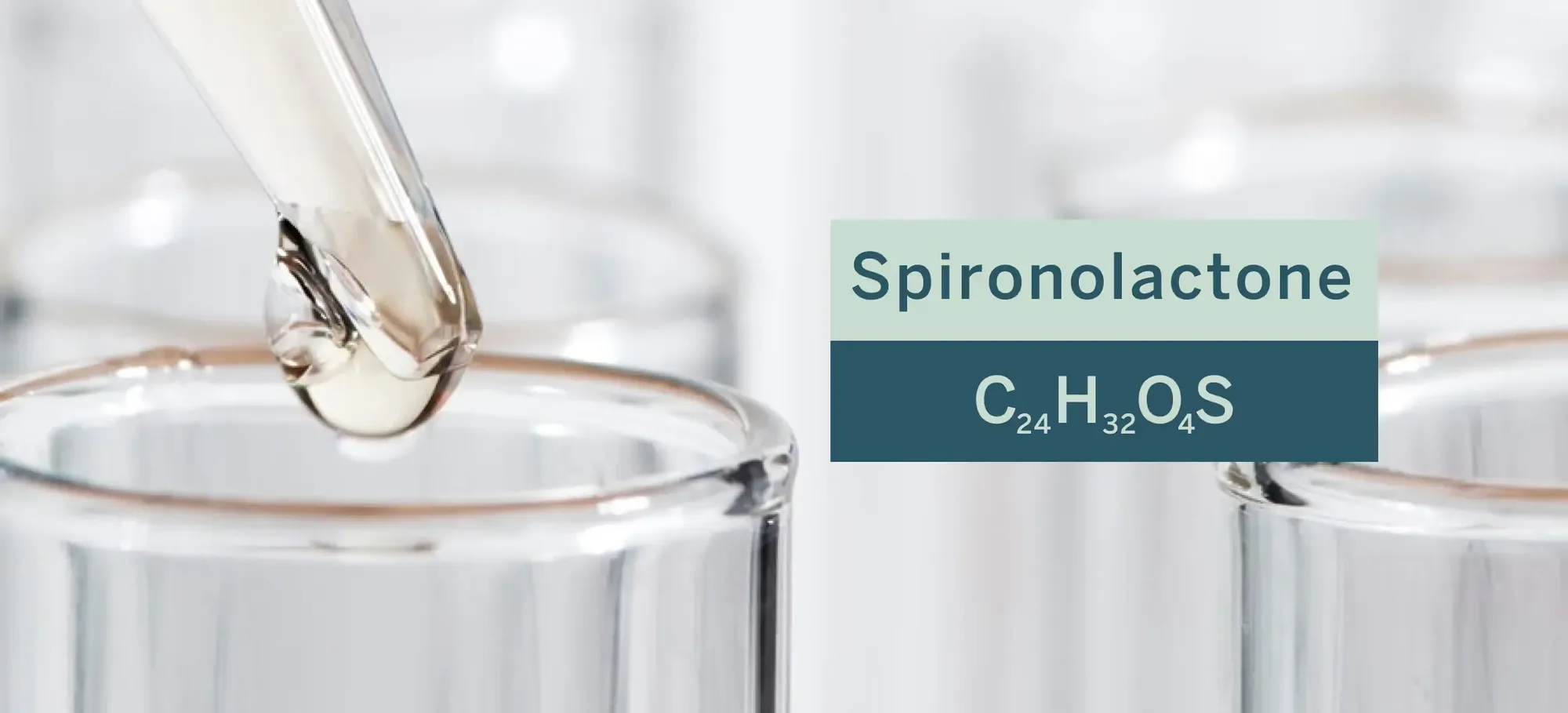
Spironolactone for female hair loss can help slow progressive thinning and improve hair density by reducing the effects of androgens on sensitive hair follicles. Although this prescription medication is not specifically approved for hair loss, clinical research supports its use in selected women.
Subscribe to the Medifinder newsletter and never miss our latest content.