










Exploring the Pros and Cons of Hair Transplant Surgery
Weighing your hair restoration options? Discover the honest pros and cons of hair transplant surgery, from permanent growth to recovery realities.

- Last updated
- 93 reads
- 7 min read
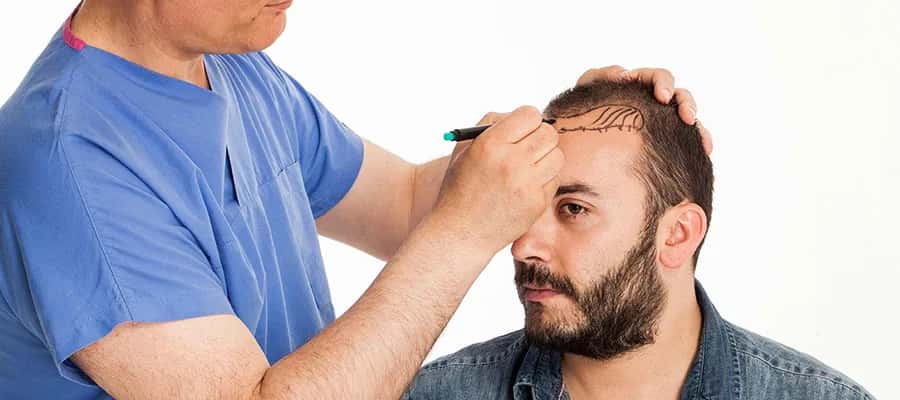


Deciding to undergo a cosmetic procedure requires careful thought, which is why understanding the pros and cons of hair transplant surgery remains the most crucial step in your restoration journey. Millions of individuals face thinning hairlines and expanding bald spots every year, prompting them to search for a permanent fix rather than relying on temporary powders or heavy hairpieces. When you sit down to evaluate the pros and cons of hair transplant surgery, you quickly realize that this medical intervention offers life-changing benefits, but it also carries specific physical and financial realities. Before you book a consultation or commit to a surgical date, deeply analyzing the pros and cons of hair transplant surgery ensures you make an informed, confident choice about your physical appearance and your long-term well-being. By stripping away the marketing hype and looking strictly at the clinical and personal realities, you can determine if this advanced procedure aligns with your unique lifestyle and aesthetic goals.
The Transformative Pros of Restoring Your Hairline
When you look at the advantages of moving healthy follicles to thinning areas, the psychological and physical benefits easily stand out. Modern medicine has completely transformed how specialists approach balding, leaving behind the unnatural "plug" look of the past and introducing seamlessly blended, dense results.
Permanent and Natural-Looking Results
The most significant advantage of this surgical intervention revolves around permanence. The surgeon harvests hair follicles from the safe donor zone—typically the back and sides of your head. These specific follicles possess a genetic resistance to dihydrotestosterone (DHT), the primary hormone responsible for pattern baldness. When the medical team transplants these resilient follicles to the front of your scalp or your crown, they retain their genetic immunity. Consequently, the transplanted hair continues to grow for the rest of your life. Because the surgeon uses your own biological tissue, the new growth perfectly matches your native hair color, texture, and natural growth angle. Once the hair fully matures, neither your barber nor your close friends will be able to tell that you underwent a surgical procedure.
Immense Psychological and Social Benefits
Hair loss inflicts a heavy psychological toll. Many individuals experience severe drops in self-esteem, avoid social gatherings, or feel intense anxiety when standing under harsh lighting or facing windy weather. Rebuilding your hairline fundamentally changes how you interact with the world. You regain the confidence to look people directly in the eye, style your hair freely, and engage in social or professional situations without constantly worrying about your appearance. This renewed self-assurance often spills over into other areas of life, motivating individuals to improve their fitness routines, upgrade their wardrobes, and pursue new career opportunities with enhanced vigor.
Long-Term Cost Efficiency
At first glance, surgical restoration seems like an expensive undertaking. However, when you calculate the lifetime costs of alternative solutions, the financial perspective shifts dramatically. Temporary fixes demand continuous, endless financial investment. Buying premium hair loss concealers, custom hair systems, specialized shampoos, and laser combs adds up to thousands of dollars over a decade. You also spend countless hours every morning attempting to camouflage the bald spots. A successful surgical procedure requires a one-time upfront investment that eliminates the need for expensive cosmetic illusions. Once the hair grows in, you treat it exactly like normal hair. You wash it with standard shampoo, cut it, style it, and go about your day without any ongoing cosmetic maintenance costs.
The Cons and Realistic Limitations to Consider
While the advantages sound incredibly appealing, approaching this medical decision blindly leads to profound disappointment. You must weigh the physical, biological, and financial drawbacks heavily before allowing a surgeon to alter your scalp.
The Initial Financial Investment
The most immediate barrier for most individuals remains the upfront cost. High-quality clinical restoration requires a team of skilled medical professionals, advanced extraction technology, and hours of intensive labor. Depending on the geographical location of the clinic, the reputation of the surgeon, and the exact number of grafts you need, the price tag can range from moderately expensive to highly prohibitive. Because medical insurance strictly classifies this procedure as an elective cosmetic surgery, you must pay the entire amount out of pocket. Choosing a cheaper, unverified clinic to save money frequently results in botched hairlines, severe scarring, and the need for even more expensive corrective surgeries down the road.
The Demanding Recovery and "Ugly Duckling" Phase
The physical procedure only accounts for a small fraction of the overall journey. Your recovery demands extreme patience and strict adherence to clinical guidelines. During the first two weeks, your scalp will look red, swollen, and covered in tiny scabs. You must sleep in an uncomfortable elevated position to prevent severe facial swelling and avoid dislodging the fragile new grafts.
Furthermore, you will inevitably experience a highly distressing phase known as "shock loss." Between the third and eighth week following the procedure, the trauma of the surgery forces the newly implanted hairs to shed and fall out completely. You will look exactly as bald as you did before the surgery, and you will have to wait three to four months before the new, permanent growth finally begins to push through the skin. Enduring this awkward, patchy aesthetic phase requires immense mental fortitude.
Strict Donor Area Limitations
Many patients harbor the dangerous misconception that surgeons can grant them infinite hair density. In reality, you only possess a finite, limited supply of healthy donor hair at the back of your head. The surgeon cannot magically create new hair; they simply redistribute your existing hair to create the illusion of fullness. If you suffer from advanced, severe baldness (such as a Norwood 6 or 7 classification), you simply will not have enough donor grafts to cover your entire scalp densely. Overharvesting the back of your head leaves it looking moth-eaten and visibly scarred. You and your surgeon must make difficult compromises, often choosing to frame the face with a strong frontal hairline while leaving the crown slightly thinner.
Evaluating the Ongoing Need for Medical Therapy
Understanding the biological nature of pattern baldness highlights another crucial reality you must accept. The transplanted hairs remain permanent, but the original, native hairs sitting behind your new hairline remain entirely susceptible to genetic hair loss. If you undergo the surgery and refuse to take preventative measures, you will eventually lose the native hair around the transplanted zone. This creates an unnatural, isolated island of thick hair at the front of your head with a completely bald strip directly behind it.
To protect your overall aesthetic and secure your investment, almost all reputable surgeons require you to commit to ongoing medical therapy. You will need to take prescription medications, apply topical solutions, or undergo clinical laser therapies to stabilize your native hair and halt further progression of your baldness. If you feel uncomfortable taking long-term medications, you must factor this hesitation into your final decision, as it directly impacts the longevity of your cosmetic result.
Making the Final and Confident Decision
Weighing these various factors requires honest self-reflection. You must look past the glowing marketing materials and visualize the full timeline of the process. Are you prepared to follow strict post-operative washing instructions? Can you handle the psychological stress of the shedding phase? Do you possess the financial stability to afford a high-quality surgeon without compromising on safety?
When you answer these questions affirmatively, the procedure acts as a powerful catalyst for personal reinvention. Patients who walk into the clinic with realistic expectations, a solid understanding of their biological limitations, and a commitment to long-term hair care consistently report the highest levels of satisfaction. You trade a few months of awkward healing for decades of natural, permanent confidence. By thoroughly assessing every angle of this medical intervention, you place yourself in the best possible position to achieve a thick, natural, and age-appropriate hairline that serves you perfectly for the rest of your life.
Frequently Asked Questions
Does the hair transplant procedure cause severe pain?
You will not experience severe pain during the actual operation. The clinical team administers local anesthesia to the extraction and recipient zones, completely numbing your scalp. You will feel some initial stinging during the injections, but once the medication takes effect, you only feel mild pressure and vibration. Post-operative discomfort usually involves tightness and itching rather than acute pain, which you can easily manage with standard medications.
How long does it take to see the final, mature results?
Patience plays a massive role in this process. After the initial shedding phase, the new hairs slowly begin to sprout around the third or fourth month. At six months, you will see a noticeable improvement in coverage, but the hair will still appear somewhat thin. You must wait a full twelve to fifteen months for the hair shafts to reach their maximum thickness, mature fully, and yield the final cosmetic density.
Can women successfully undergo this restoration procedure?
Yes, female patients frequently undergo this procedure with excellent results. However, female pattern hair loss often presents as diffuse thinning across the entire scalp rather than receding hairlines. A specialist must carefully evaluate the donor area to ensure the follicles at the back of the head remain resistant to thinning. When candidates meet the clinical criteria, the procedure successfully restores density to the parting line and frontal regions.
Will I definitely need a second surgical session in the future?
The need for a second session depends entirely on your age, the progression of your hair loss, and your personal aesthetic goals. If you undergo the procedure at a very young age while your hair loss remains aggressive, you will likely need a touch-up session a decade later to address new areas of thinning. Older patients with stable, stabilized hair loss often achieve their lifelong goals in a single, well-planned session.
- Last updated
- Language
- English
How did you find this article?
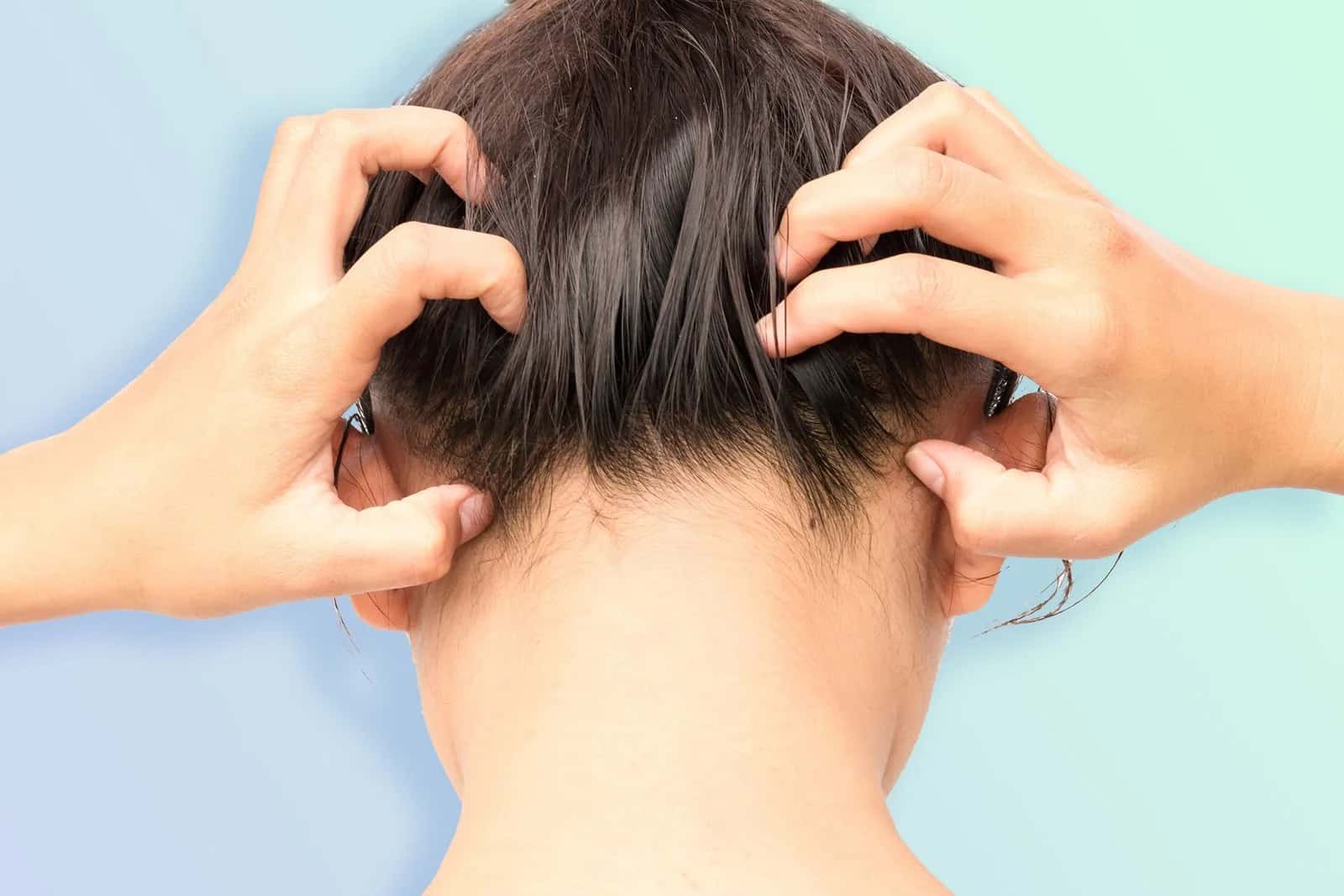
Air conditioning can dry out your scalp by reducing indoor humidity and affecting the skin's ability to maintain adequate moisture. Prolonged exposure to dry, cooled air may contribute to itching, flaking, tightness, and irritation, particularly when the scalp is already sensitive or prone to dryness.
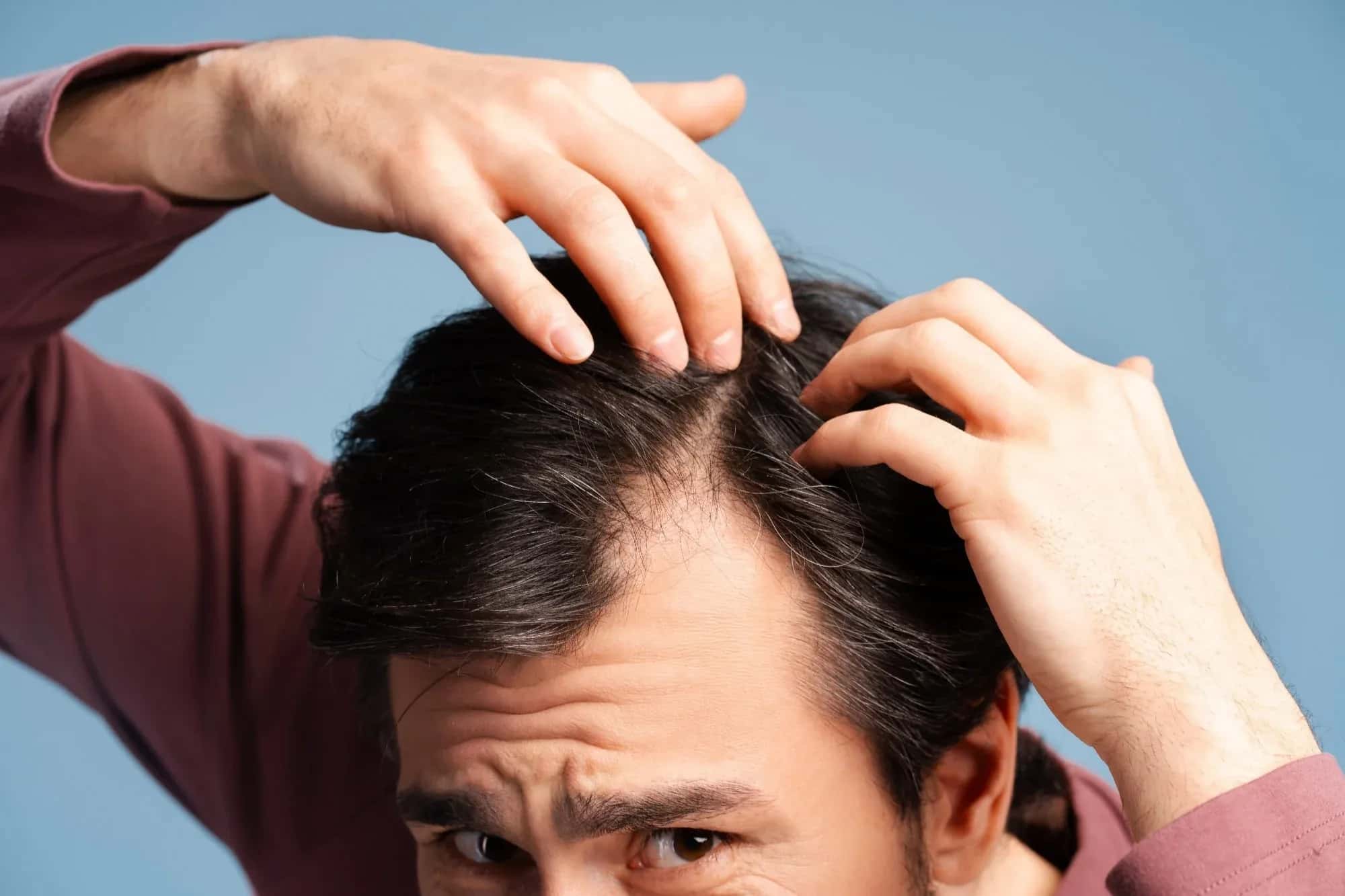
Certain dietary supplements can cause hair loss when taken in excessive amounts, particularly products containing high doses of vitamin A, selenium, or other concentrated nutrients. While supplements can help correct nutritional deficiencies that affect hair growth.

Spironolactone for female hair loss can help slow progressive thinning and improve hair density by reducing the effects of androgens on sensitive hair follicles. Although this prescription medication is not specifically approved for hair loss, clinical research supports its use in selected women.
Subscribe to the Medifinder newsletter and never miss our latest content.