










Profhilo vs Skin Boosters: Differences
Profhilo and skin boosters are injectable aesthetic treatments designed to improve skin hydration, texture and overall quality without creating substantial changes in facial shape.

- Last updated
- 33 reads
- 14 min read
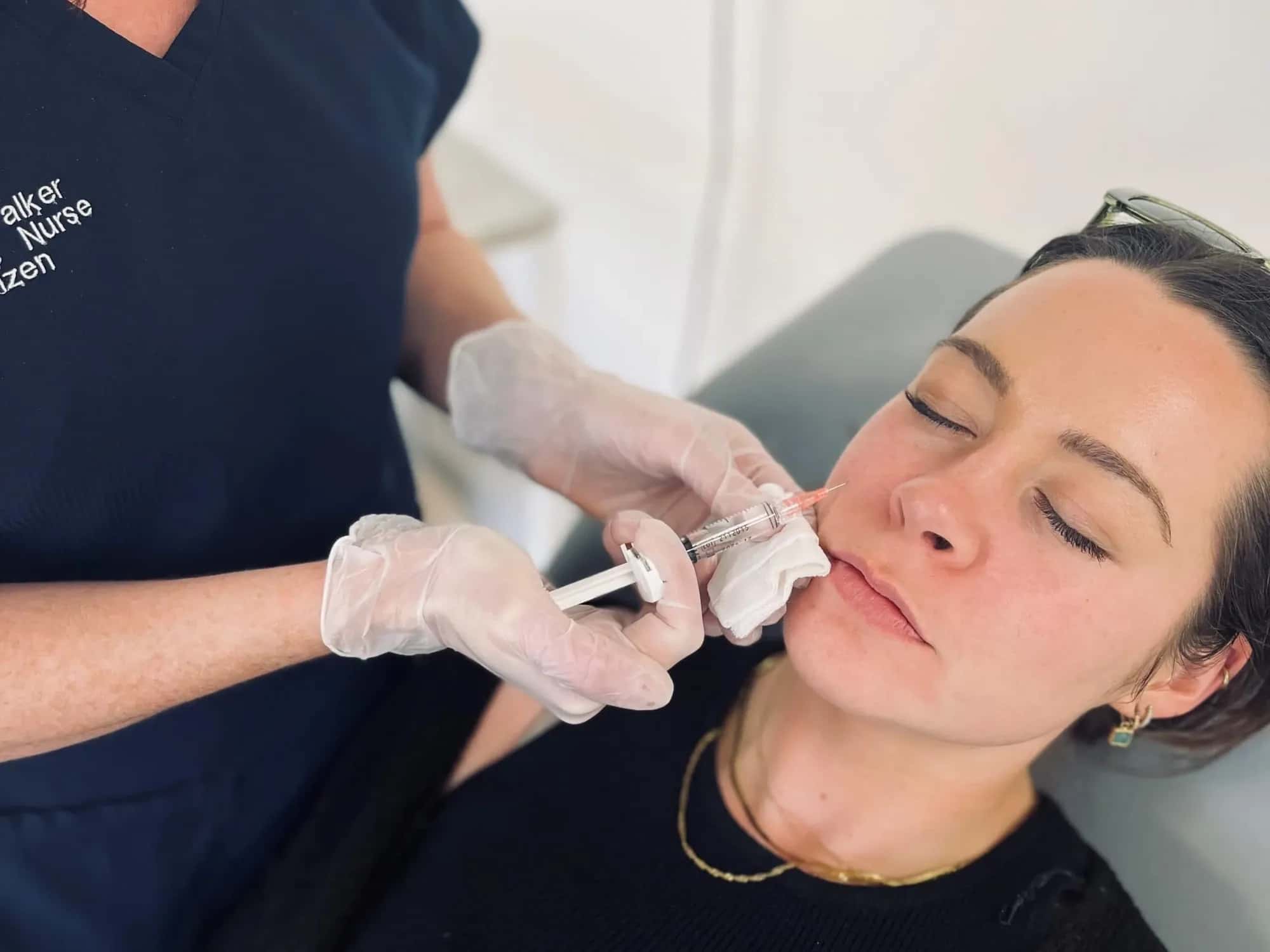


What Is Profhilo?
Profhilo is an injectable hyaluronic acid treatment developed to improve skin quality and address certain early signs of aging. Its original formulation contains a combination of high and low molecular weight hyaluronic acid, which forms stabilized complexes through a specialized manufacturing process.
Unlike traditional fillers used to define cheekbones or increase lip volume, Profhilo primarily targets skin hydration and tissue quality. The treatment is commonly described as bio-remodeling because its formulation has been investigated for possible effects on skin elasticity and the biological environment surrounding connective tissue cells.
The original Profhilo formulation contains 64 mg of hyaluronic acid in a 2 ml syringe, divided equally between high and low molecular weight components.
Although it may improve the appearance of mildly loose or crepey skin, Profhilo does not provide the structural lifting associated with surgery or replace significant facial volume.
What Are Skin Boosters?
Skin boosters are a broader category of injectable treatments intended to improve hydration, texture and selected aspects of skin appearance. Rather than identifying one specific product, the term includes different formulations with distinct ingredients and treatment methods.
Many skin boosters contain hyaluronic acid, which attracts water and supports tissue hydration. Some use non-crosslinked hyaluronic acid, while others contain lightly modified formulations designed to produce longer-lasting skin-quality improvements.
The category can also include products containing polynucleotides, amino acids or other ingredients, although these substances do not necessarily share the same biological mechanisms.
People considering different types of injectable skin boosters should distinguish between a product designed mainly for hydration and one intended to address other characteristics of skin quality.
This distinction makes direct comparisons important because two treatments marketed as skin boosters may have considerably different compositions.
Is Profhilo a Type of Skin Booster?
Profhilo is frequently included within the broader skin booster category because it aims to improve skin quality without significantly changing facial contours.
However, Profhilo refers to a specific formulation rather than the entire category of injectable hydration treatments. It has its own manufacturing technology, product characteristics and recommended administration methods.
A conventional hyaluronic acid skin booster may be placed through numerous small injections across the treatment area. Profhilo commonly uses selected injection points designed for its particular formulation.
This difference does not mean that one treatment is universally superior. It means that the products cannot automatically be substituted for each other based solely on their shared use of hyaluronic acid.
Understanding Profhilo as a specific treatment within a wider group creates a more useful comparison than treating the two names as entirely separate categories.
How Does Profhilo Work in the Skin?
Profhilo contains stabilized hybrid cooperative complexes formed from high and low molecular weight hyaluronic acid. These components are combined through a thermal process rather than the conventional chemical crosslinking used in many volumizing dermal fillers.
Hyaluronic acid attracts water, helping create a hydrated environment within the treated tissue. Profhilo's formulation is designed to spread from its injection sites and support broader skin-quality improvements.
Laboratory investigations have also explored its effects on fibroblasts and biological pathways associated with collagen and elastin.
However, laboratory findings should not be interpreted as proof that Profhilo produces substantial collagen regeneration or permanently restores youthful skin.
A 2026 systematic review examining nine studies involving 278 participants reported encouraging changes in selected measures of hydration, elasticity, density and skin laxity. The relatively small evidence base nevertheless limits certainty about the magnitude and longevity of those improvements.
How Do Other Skin Boosters Work?
The effects of skin boosters depend on their ingredients, physical properties and placement within the skin.
Hyaluronic acid formulations primarily support hydration through their ability to retain water. Increased tissue moisture may make superficial lines less noticeable and allow the skin to reflect light more evenly.
Some preparations also influence the skin's mechanical properties, although the extent of this effect must be evaluated for each product rather than assumed across the entire category.
Other injectables, including DNA-derived polynucleotides, are being investigated for their potential influence on tissue maintenance and repair. The research surrounding polynucleotide skin rejuvenation illustrates why ingredients matter when comparing skin-quality treatments.
A product designed to improve hydration should not automatically be expected to produce significant collagen growth, eliminate acne scars or correct loose skin.
What Are the Main Differences Between Profhilo and Skin Boosters?
Profhilo and other skin boosters may pursue similar cosmetic goals, but several practical distinctions separate the original Profhilo treatment from the wider range of injectable products.
-
Formulation: Profhilo contains stabilized complexes of high and low molecular weight hyaluronic acid. Other skin boosters may contain different forms of hyaluronic acid, polynucleotides or additional ingredients.
-
Injection technique: Profhilo commonly uses a defined pattern of selected injection points. Other skin boosters may involve multiple superficial injections, small papules or different distribution methods.
-
Treatment objective: Profhilo is often considered for broader improvements in hydration and mild skin-quality changes associated with aging. Other boosters may focus more specifically on hydration, texture or particular treatment areas.
-
Treatment schedule and evidence: The original Profhilo protocol commonly involves two initial sessions approximately four weeks apart. Skin booster schedules differ between products, and their clinical evidence cannot be treated as interchangeable.
Which Skin Concerns Can Profhilo and Skin Boosters Improve?
Both treatments may benefit people experiencing reduced skin hydration, superficial lines or a complexion that has become less smooth over time.
Profhilo is often considered when changes in skin elasticity accompany dehydration and fine textural irregularities. Its formulation has been investigated for these overlapping concerns, particularly in areas where early skin laxity becomes noticeable.
Hyaluronic acid skin boosters may be useful when insufficient hydration and fine surface lines are the most prominent issues.
However, neither category reliably corrects deep wrinkles caused by repeated muscle movement, substantial facial volume loss or advanced tissue sagging.
The underlying cause of a visible change is therefore more informative than the general desire for younger-looking skin.
Can Profhilo Tighten Loose Skin Better Than Skin Boosters?
Profhilo has been investigated for improvements in skin laxity and elasticity, which has contributed to its reputation as a bio-remodeling treatment.
Some clinical studies have reported favorable changes in measurements associated with skin firmness and flexibility. However, these findings do not establish that Profhilo consistently provides stronger tightening than every other skin booster.
Comparative evidence remains limited, and different studies frequently use separate products, techniques and assessment methods.
Mild crepiness or early loss of elasticity may become less noticeable after treatment. Pronounced jowls, substantial neck laxity and significant facial descent involve structural changes that injectable hydration cannot reliably reverse.
The distinction matters because improved skin quality and physical tissue lifting are not equivalent outcomes.
Which Treatment Is Better for Dehydrated Skin?
Hyaluronic acid-based treatments can be relevant to dehydrated-looking skin because they support moisture retention within the treated tissue.
Profhilo may improve hydration alongside selected elasticity measures, making it a possible option when dryness and early textural changes occur together.
A different skin booster may be more appropriate when the main objective involves superficial hydration across a particular area or when a product has evidence supporting that specific indication.
However, dehydration frequently involves the outer skin barrier. Harsh cleansing, excessive exfoliation and insufficient moisturization can contribute to water loss, and injections do not automatically correct these causes.
Daily barrier care remains important regardless of the injectable selected.
Can Profhilo or Skin Boosters Improve Wrinkles and Enlarged Pores?
Both approaches may improve the appearance of superficial wrinkles when increased hydration makes the skin smoother and more supple.
Fine lines associated with dehydration may become less noticeable, while established creases caused by strong facial muscles may remain visible.
Enlarged pores present another limitation. Their appearance depends on follicular structure, oil production and the condition of surrounding skin.
Improving surface hydration or texture can make pores appear less prominent in some individuals, but neither Profhilo nor a conventional hydration booster permanently closes pores.
Significant acne scarring, deeply established wrinkles and substantial skin laxity generally involve mechanisms beyond moisture retention.
Treatment expectations should reflect these distinctions rather than assuming that smoother skin means every visible irregularity will disappear.
Who Is a Suitable Candidate for Each Treatment?
The choice between Profhilo and another skin booster should begin with the appearance of the skin, the primary concern and the type of improvement being sought.
-
Adults with early skin laxity: Profhilo may be considered when mild loss of elasticity accompanies changes in texture and hydration, provided the expectation remains a modest improvement rather than a lifting effect.
-
People with dehydrated-looking skin: A hyaluronic acid skin booster may be appropriate when moisture-related dullness, mild roughness and fine dehydration lines are the main concerns.
-
Individuals seeking subtle aesthetic changes: Both approaches may appeal to people who want improved skin quality without substantial enlargement of the lips, cheeks or other facial structures.
-
People with realistic expectations and suitable skin health: Active infections, significant inflammation, ingredient allergies and certain medical conditions require evaluation before injectable treatment.
How Are Profhilo and Skin Boosters Injected?
Profhilo is commonly administered using the Bio Aesthetic Points technique, which involves five selected injection sites on each side of the face. This approach is designed around the product's physical characteristics and its intended distribution through the tissue.
The treatment area is assessed and cleaned before the injections are performed. Small raised areas may appear immediately afterward where the material has been deposited.
Other skin boosters can involve a different approach, including numerous superficial injections or placement through a needle or cannula.
The number of injection points alone does not establish that one treatment is safer, more effective or more comfortable.
Both procedures involve medical injections and require careful attention to facial anatomy, authentic products and the intended treatment depth.
How Many Treatment Sessions Are Needed?
The original Profhilo treatment protocol commonly begins with two sessions separated by approximately four weeks. Certain circumstances may prompt additional assessment or further treatment, but the basic schedule should not be presented as universally appropriate for every product bearing the Profhilo name.
Other skin boosters follow different treatment programs. Some products have been evaluated after one session, while others are administered through a series of appointments.
The number of sessions does not provide a reliable measure of product effectiveness. More injections may increase cost and exposure to procedural complications without necessarily delivering greater improvement.
A sensible treatment plan identifies which skin-quality changes will be assessed and allows enough time to evaluate the response before further injections are considered.
When Do Profhilo and Skin Booster Results Become Visible?
Early changes after either procedure can be misleading because injection-related swelling may temporarily make the skin appear fuller or smoother.
Profhilo results generally develop over several weeks, with the appearance becoming easier to assess after the initial treatment course. Some people notice improvements in hydration before more subtle changes in texture become apparent.
Other hyaluronic acid skin boosters may also produce gradual improvements, although the timing depends on the exact formulation and treatment schedule.
A skin-quality treatment does not need to create dramatic visible changes immediately to have an effect.
Photographs taken under consistent lighting after swelling has settled offer a more meaningful comparison than examining the skin immediately after the appointment.
How Long Does Profhilo Last Compared With Skin Boosters?
The visible effects of Profhilo are temporary. Improvements may remain noticeable for several months, and maintenance is commonly discussed around six months after the initial course, although the duration of benefit cannot be guaranteed.
Other skin boosters vary considerably. Certain hyaluronic acid products have demonstrated improvements lasting six months or longer in specific clinical studies, while other formulations have shorter or less clearly established outcomes.
This makes it inaccurate to state that Profhilo always lasts longer than standard skin boosters.
The persistence of injected hyaluronic acid also does not necessarily match the length of time a patient notices improved hydration or texture.
Long-term maintenance should reflect the actual response rather than a fixed assumption about every injectable product.
Is Profhilo Different From Traditional Dermal Fillers?
Profhilo and traditional volumizing dermal fillers may both contain hyaluronic acid, but their formulation and intended aesthetic purposes are different.
Conventional fillers often provide structural volume, improving the appearance of selected hollows or adding projection to facial features.
The original Profhilo formulation is designed primarily for skin-quality improvement rather than substantial volume replacement.
Although its injection may temporarily create local fullness, that should not be confused with deliberate structural augmentation.
Profhilo also differs from Profhilo Structura, a separate product intended for different tissue-related aesthetic goals. Results associated with one product should not be attributed automatically to the other.
Someone seeking a more projected chin or fuller cheeks should not expect the original Profhilo treatment to produce the same effect as a volumizing filler.
Can Profhilo and Skin Boosters Be Used Under the Eyes?
The under-eye region requires particular caution because its skin is thin and its anatomy makes swelling or product irregularities more noticeable.
Certain skin boosters are formulated or investigated for use around the eyes, particularly when fine texture changes and crepiness are the primary concerns.
However, the suitability of one injectable product for under-eye treatment does not establish that every skin booster can be used safely in this area.
The original Profhilo facial injection pattern is not designed to function as a conventional tear-trough filler. Its use should follow the relevant product instructions and authorized indications.
Under-eye hollowing, pigmentation and prominent fat pads also require different assessments because hydration alone cannot correct every cause of a tired appearance.
What Are the Risks and Side Effects of Both Treatments?
Profhilo and other injectable skin boosters share several risks associated with placing hyaluronic acid or other materials into facial tissues.
-
Common injection reactions: Temporary redness, swelling, tenderness, bruising and small raised bumps can occur. These effects usually improve during recovery, although individual reactions may persist longer.
-
Lumps and inflammatory complications: Persistent nodules, delayed swelling, infection or unexpected inflammatory responses may develop. These problems require assessment rather than repeated massage or home treatment.
-
Vascular complications: Accidental injection of material into a blood vessel can interrupt circulation and damage tissue. In certain facial areas, rare but devastating outcomes can include skin necrosis, visual impairment, blindness or stroke.
-
Allergies and medical considerations: Previous reactions to injectable ingredients, active infections and relevant medical conditions can affect suitability. Severe pain, unusual blanching, dusky discoloration or changes in vision after treatment require immediate emergency medical attention.
What Should You Avoid After Profhilo or Skin Booster Injections?
The skin may be temporarily sensitive after either procedure, particularly where small amounts of product have been deposited.
Forceful rubbing, aggressive massage and repeated pressure over injection sites should be avoided during early recovery. Gentle cleansing is generally more appropriate than using abrasive facial tools or exfoliating treatments.
Strenuous exercise, excessive heat and saunas may increase temporary swelling or redness, making short-term adjustments reasonable.
Strong skincare ingredients, including retinoids and concentrated exfoliating acids, may need to be paused while injection sites recover.
Aftercare also involves recognizing unexpected complications. Increasing pain, spreading redness, persistent swelling or unusual discoloration should not be dismissed as routine injection reactions.
Written instructions for the exact product should take priority over generalized advice.
How Much Does Profhilo Cost Compared With Skin Boosters?
Profhilo pricing reflects a specific branded formulation, the product quantity used and the number of sessions included in the intended treatment course.
Other skin boosters encompass a much wider price range because their ingredients, manufacturing processes and treatment schedules differ.
A relatively inexpensive single session may not represent better value if several appointments are necessary to complete the proposed treatment.
Likewise, a higher upfront price does not establish that Profhilo produces greater improvement or longer-lasting results.
The total cost should be evaluated alongside the product's evidence, intended treatment area, expected benefits and possible maintenance requirements.
Product authenticity and medical safety are more important than choosing an injection solely because its advertised price appears lower.
Can Profhilo Be Combined With Other Skin Treatments?
Profhilo may be considered alongside treatments that address concerns beyond hydration and mild skin-quality changes.
Botulinum toxin, for example, reduces selected muscle contractions and may improve expression-related wrinkles that hyaluronic acid hydration alone cannot correct.
Volumizing fillers may address structural facial hollows, while selected resurfacing procedures target aspects of texture or sun-related damage.
However, combining treatments does not automatically create a better result. Closely timed procedures can increase inflammation, complicate recovery and make it difficult to identify which treatment produced an improvement.
The timing and suitability of a combination should reflect skin condition, product instructions and the distinct purpose of each procedure.
The objective should remain a balanced improvement rather than adding multiple interventions without a clear reason.
Is Profhilo FDA Approved?
As of October 2026, the original Profhilo injectable has not received FDA approval for cosmetic skin rejuvenation in the United States.
A United States development and commercialization agreement was announced in July 2026, with commercialization anticipated in 2030 subject to regulatory approval.
Profhilo is available in several other countries, where particular products may be marketed under different regulatory frameworks.
However, authorization in one country does not establish that the product has the same approved indications elsewhere.
Its status should also be distinguished from that of other skin boosters, some of which have specific FDA approvals for defined skin-quality or smoothness indications.
Before treatment, the exact product and its authorized use should be verified rather than assuming that all injectable hyaluronic acid preparations share the same approval.
Which Is Better for Your Skin: Profhilo or Skin Boosters?
Profhilo and skin boosters are not competing treatments in a strictly equal category. Profhilo is a specific injectable formulation, while skin boosters include a range of products designed for different skin-quality concerns.
Profhilo may be relevant when mild elasticity changes occur alongside dehydration and superficial textural irregularities. Certain hyaluronic acid skin boosters may be especially useful when the primary objective involves hydration and improved skin smoothness.
Neither approach reliably replaces facial volume, corrects substantial sagging or eliminates deep expression wrinkles.
The appropriate choice depends on understanding the exact product rather than comparing promotional descriptions such as deep hydration or bio-remodeling without examining their supporting evidence.
Treatment duration, approved indications, injection-related risks and the likely need for maintenance are also important considerations.
Ultimately, the better option is the one whose formulation and demonstrated effects correspond most closely to the skin concern being addressed. A realistic outcome may involve improved hydration, softer fine lines and a more even complexion, without expecting either treatment to reverse every aspect of skin aging.
- Last updated
- Language
- English
How did you find this article?
Many singers, actors, reality stars and influencers have talked openly about getting lip filler, and a growing number have also shared why they later had it dissolved. This guide looks at what 20 of these public figures said about their own lip treatments and what their experiences can teach anyone considering filler.


Filler fatigue describes the point where repeated dermal filler treatments leave a face looking heavier, puffier or less like itself, and it is pushing many people to rethink how they approach injectables. This guide explains what causes it, how to recognize an overfilled face.
Overfilled faces develop when injectable treatments add more volume than the facial anatomy can accommodate naturally, altering contours, proportions and sometimes facial expression.
Subscribe to the Medifinder newsletter and never miss our latest content.