










Polynucleotides for Skin Rejuvenation
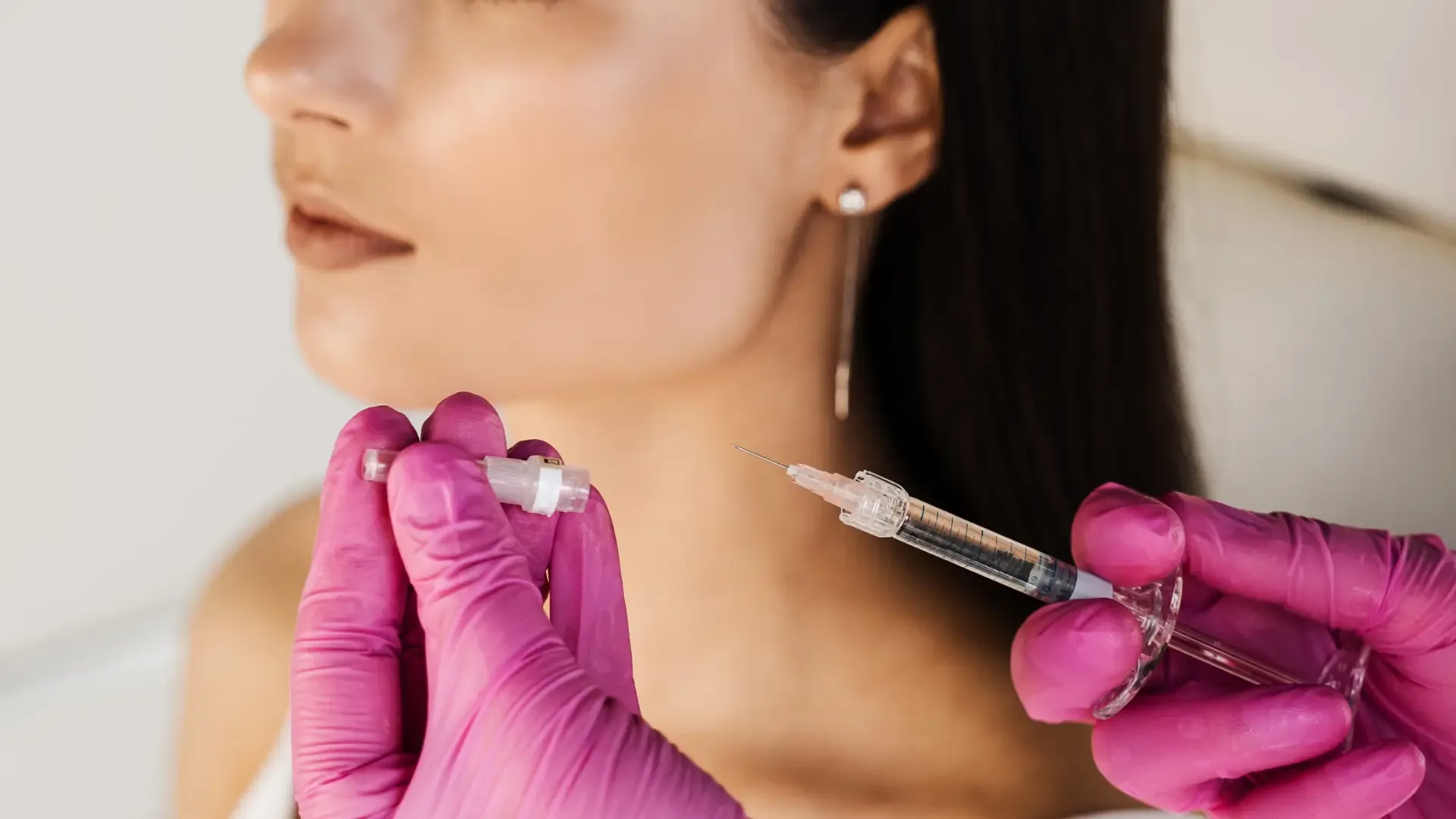
Polynucleotides for skin rejuvenation are injectable treatments designed to improve skin quality by supporting biological processes involved in tissue repair, hydration and skin remodeling.

- Last updated
- 27 reads
- 14 min read


What Are Polynucleotides for Skin Rejuvenation?
Polynucleotides are chains of nucleotides, the molecular building blocks of DNA and RNA. In aesthetic medicine, purified DNA-derived polynucleotide formulations are injected into selected layers of the skin to support its appearance and biological environment.
Unlike treatments intended primarily to change facial shape, polynucleotide injections focus on skin quality. They are investigated for concerns such as fine wrinkles, uneven texture, reduced elasticity and delicate skin that has become noticeably crepey.
These treatments are frequently described as regenerative injectables because laboratory research suggests that certain formulations can influence processes involved in tissue maintenance and repair.
However, regenerative is not a guarantee that damaged skin will return to its original condition. The available clinical evidence supports the possibility of modest improvements, while the magnitude and duration of those improvements remain less predictable than for some established aesthetic treatments.
Where Do Injectable Polynucleotides Come From?
Many injectable polynucleotide formulations originate from purified DNA extracted from salmon or trout reproductive cells. This association explains why some treatments are described as salmon DNA injections.
The manufacturing process isolates and purifies nucleic acid material rather than introducing living cells or whole fish tissue into the skin. Different preparations contain DNA fragments with different molecular lengths, concentrations and physical characteristics.
The source of the material matters for several reasons, including manufacturing quality, individual sensitivities and personal preferences.
People with a history of significant fish allergy should disclose it before treatment. Purification aims to remove proteins associated with allergic reactions, but it does not justify assuming that every fish-derived injectable is risk-free.
Products derived from similar starting materials should not automatically be considered equivalent. Their composition, regulatory classification and intended use can differ substantially.
How Do Polynucleotides Work in the Skin?
Polynucleotides appear to influence the skin through a combination of physical and biological mechanisms. Certain formulations form a water-attracting environment within the tissue, while research has explored their possible effects on cellular activity and extracellular matrix organization.
Fibroblasts, the cells responsible for producing important connective tissue components, play a central role in maintaining dermal structure. Experimental research suggests that DNA-derived treatments may support aspects of fibroblast activity and tissue recovery.
Some proposed effects also involve inflammatory signaling and the availability of molecular building blocks during cellular repair.
These mechanisms offer plausible explanations for improvements observed in small clinical studies. Nevertheless, laboratory findings cannot establish that every commercially available formulation produces significant collagen growth or lasting rejuvenation in human skin.
The most useful way to understand polynucleotide treatment is as a potential method of improving selected skin-quality measures rather than permanently rebuilding the entire dermis.
What Skin Concerns May Polynucleotides Improve?
Polynucleotide injections have been investigated for several visible skin concerns, particularly those associated with texture and early structural changes.
-
Fine lines and superficial wrinkles: Selected studies have reported improvement in mild wrinkling, especially around the eyes, where skin texture changes can become noticeable before deeper facial folds develop.
-
Reduced skin elasticity: Some clinical measurements suggest improved elasticity after treatment, although the findings do not establish an ability to correct substantial sagging or advanced tissue laxity.
-
Uneven texture and visible pores: Polynucleotides may improve surface roughness and the appearance of enlarged pores in selected patients, but they cannot permanently remove pores or correct every type of scarring.
-
Dull or dehydrated-looking skin: Certain formulations may support improvements in hydration and overall skin appearance. The extent of this effect depends on the formulation and should not be confused with immediate volumizing filler results.
What Is the Difference Between Polynucleotides and PDRN?
Polynucleotides and polydeoxyribonucleotides, commonly abbreviated as PN and PDRN, are closely related DNA-derived materials. The terms sometimes appear interchangeably in aesthetic discussions, but they do not always describe identical substances.
Polynucleotide formulations generally refer to longer DNA chains, while PDRN is often associated with shorter or medium-length fragments. Molecular size can influence how a preparation behaves in tissue and which biological pathways it may affect.
PDRN research has particularly examined mechanisms involving adenosine receptor signaling and nucleotide recycling during tissue repair. Longer polynucleotide preparations may also create a temporary hydrophilic environment within the extracellular matrix.
For a detailed comparison, the guide to PDRN skin treatments explains how these related approaches differ in composition and intended effects.
Importantly, findings for one formulation cannot automatically establish the effectiveness of every PN or PDRN product.
Can Polynucleotides Stimulate Collagen and Skin Repair?
Collagen is an important structural protein that helps maintain skin firmness and resilience. As production and organization change with age, fine lines and textural irregularities may become more noticeable.
Laboratory research suggests that some polynucleotide formulations influence fibroblast behavior and biological pathways associated with extracellular matrix maintenance. These findings have contributed to interest in their potential role in skin repair.
However, stimulating collagen-related activity in an experimental setting is not the same as demonstrating a substantial, lasting increase in facial collagen in patients.
Clinical research has shown encouraging improvements in certain skin-quality measurements, but studies remain relatively small and use differing products.
Polynucleotides should therefore not be presented as a dependable substitute for procedures specifically designed to address substantial tissue laxity or structural damage.
Do Polynucleotides Improve Fine Lines and Skin Elasticity?
Polynucleotide injections may improve fine wrinkles and selected measures of skin elasticity, particularly when concerns involve superficial texture rather than deep facial folds.
In a small randomized study involving the area around the eyes, polynucleotide injections produced improvements in several skin-quality measurements. Some elasticity, hydration and roughness outcomes compared favorably with a non-crosslinked hyaluronic acid treatment, although overall aesthetic assessments did not show a clear advantage.
More recent investigations have also reported improvements in facial texture and fine-line measurements after repeated sessions.
These results are promising but require careful interpretation. Small patient groups, differing injection techniques and limited follow-up periods make it difficult to predict a consistent outcome.
A softer fine line or smoother skin surface is a realistic possibility; complete wrinkle removal or restoration of youthful skin elasticity is not established.
Are Polynucleotides Effective for Under-Eye Rejuvenation?
The under-eye region is a particular focus of polynucleotide research because the skin is relatively thin and can develop visible fine lines, crepiness and textural changes.
Selected injectable formulations have been studied for improving skin quality around the eyes, with small trials reporting encouraging results in hydration, texture and elasticity.
However, under-eye darkness and aging have several different causes. Pigmentation, visible blood vessels, tear-trough hollowing and protruding fat pads can each create a tired appearance.
Polynucleotide injections cannot correct all these anatomical concerns. Someone with substantial under-eye hollowing should not expect skin-quality treatment to provide the same structural effect as volume replacement.
The area also has delicate anatomy and can be particularly susceptible to swelling. Product suitability and injection depth require careful assessment before treatment.
Can Polynucleotides Help With Acne Scars and Enlarged Pores?
Polynucleotides have shown potential for improving certain acne scars and enlarged-looking pores, although their effectiveness depends on the underlying skin changes.
Atrophic acne scars develop when inflammation damages supporting tissue and leaves depressions behind. Some small studies suggest that polynucleotide injections may improve scar appearance, but evidence remains insufficient to establish them as a universal scar treatment.
Pores present a different concern. Their visibility depends on follicular anatomy, oil production and surrounding skin structure.
A small randomized study published in 2026 reported improvements in pore appearance and skin texture after repeated polynucleotide injections. However, the research did not demonstrate significant improvements in every measured skin characteristic, including sebum production.
Deep tethered scars and prominent structural irregularities may require approaches that directly address those problems.
Which Areas Can Be Treated With Polynucleotides?
Polynucleotide injections may be considered for several anatomical regions where fine textural changes, reduced elasticity or skin-quality concerns are present.
-
Face and cheeks: Treatment may target superficial roughness, fine wrinkles and areas where declining skin quality makes the surface appear less even.
-
Under-eye area: Selected formulations may address fine crepiness and delicate skin texture, although significant hollowing, puffiness and pigmentation require separate assessment.
-
Neck and décolletage: Thin skin and fine surface lines in these regions may be considered for treatment, but evidence supporting specific outcomes remains limited.
-
Hands and selected scar areas: Polynucleotide-based approaches have also been explored for skin-quality improvement and tissue recovery outside the face, with suitability depending on the product and the condition being treated.
How Are Polynucleotides Different From Hyaluronic Acid Skin Boosters?
Hyaluronic acid skin boosters primarily aim to improve hydration and skin quality by placing water-attracting material within selected tissue layers. Their behavior depends on the formulation, particularly the characteristics of the hyaluronic acid used.
Polynucleotides are DNA-derived compounds investigated for their effects on the tissue environment and biological repair pathways. Some preparations also attract water, meaning their effects are not entirely separate from hydration.
The broader category of injectable skin boosters includes several formulations with different ingredients and intended outcomes.
Neither treatment category automatically provides substantial facial volume. Their primary objective is generally an improvement in skin quality rather than a major contour change.
Choosing between them requires understanding whether the priority is hydration, fine texture or another concern, alongside the strength of evidence supporting the specific product.
Can Polynucleotides Replace Botox or Dermal Fillers?
Polynucleotides, Botox and dermal fillers address different aspects of facial appearance and should not be treated as interchangeable procedures.
Botox reduces selected muscle contractions, making it useful for dynamic wrinkles such as frown lines and certain forehead creases. Polynucleotide injections do not reliably relax these muscles and therefore cannot reproduce Botox's established mechanism.
Dermal fillers, particularly volumizing hyaluronic acid products, add structural volume to selected areas. Polynucleotides are not intended to replace significant cheek fullness or increase chin projection in the same manner.
This distinction becomes especially relevant when several aging changes occur together. Fine surface lines may coexist with deeper folds, facial volume loss or sagging.
A treatment aimed primarily at skin texture should not be expected to correct structural concerns simply because both procedures involve injections.
What Happens During a Polynucleotide Injection Treatment?
A polynucleotide appointment begins with an assessment of the skin's texture, elasticity, existing conditions and the intended treatment area.
After the skin is cleaned, the selected product is administered through superficial or appropriately placed tissue injections. Some techniques use numerous small injection points, while others involve a different delivery plane or cannula approach.
Temporary raised bumps can appear where the material has been deposited, particularly after intradermal injections. Mild tenderness and swelling are also possible.
Numbing products may be used to improve comfort because repeated injections can cause discomfort, especially around sensitive areas.
There is no single universal polynucleotide injection technique suitable for every formulation. Molecular characteristics, product instructions and anatomical considerations influence administration.
The treatment should be performed by a qualified medical professional using an authentic product authorized for its intended use in the relevant jurisdiction.
How Many Polynucleotide Treatment Sessions Are Needed?
Polynucleotide rejuvenation is commonly investigated through a course of treatments rather than a single session. Published studies have used different protocols, often involving two or three appointments separated by several weeks.
For example, some controlled studies have evaluated three sessions at two-week intervals, while others have examined treatments delivered approximately three to four weeks apart.
These schedules reflect particular research protocols rather than one universally established recommendation for all products.
The number of appointments should be considered alongside the intended concern and the available evidence. More frequent injections do not automatically create greater biological repair.
Repeat procedures also increase cumulative injection exposure, treatment costs and the possibility of local reactions.
A clear plan should explain what improvement is being evaluated and when reassessment is appropriate, without promising that a fixed course will produce identical results for every patient.
When Do Polynucleotide Results Become Visible?
Polynucleotide treatment generally produces gradual changes rather than the immediate contour alteration associated with volumizing fillers.
Temporary swelling after injections can make the skin look fuller during the first few days, but this early change should not be confused with genuine improvement in texture or elasticity.
Clinical investigations commonly assess results several weeks after treatment or after a series of sessions. Reported changes may include smoother-looking skin, reduced roughness and softer fine lines.
The development of these improvements depends on tissue responses that cannot be judged immediately after product placement.
Consistent photographs taken under similar lighting conditions can be more useful than comparing the skin at different times of day.
The most reliable expectation is progressive, potentially subtle improvement rather than an overnight transformation.
How Long Do Polynucleotide Results Last?
The precise duration of polynucleotide skin rejuvenation results has not been firmly established. Existing studies use different formulations and treatment intervals, and many evaluate outcomes over only a few months.
Some research has demonstrated improvements that remain measurable during short-term follow-up, but that does not establish a universal six-month or twelve-month result.
Normal skin aging, environmental exposure and underlying biological processes continue after treatment. The product's physical presence in tissue also should not be confused with the duration of a measurable cosmetic benefit.
Maintenance injections are discussed in aesthetic practice, yet high-quality research has not determined one optimal long-term schedule.
Anyone considering repeat sessions should understand that the evidence supports possible improvements in skin quality, not a guaranteed period of rejuvenation.
What Are the Side Effects and Risks of Polynucleotide Injections?
Polynucleotide injections have generally been well tolerated in small clinical studies, but the limited evidence does not eliminate the possibility of uncommon or serious complications.
-
Swelling, redness and tenderness: Temporary inflammation around injection sites is common. Small raised bumps may occur after superficial treatment and usually settle as the material disperses and the skin recovers.
-
Bruising and discomfort: Repeated needle punctures can cause localized bruising, particularly in delicate facial areas. Some formulations may produce more injection-related discomfort than others.
-
Allergic reactions and infection: Sensitivity to product components, including concerns associated with fish-derived materials, must be considered. Any injection can introduce infection if appropriate medical hygiene is not maintained.
-
Uncommon serious complications: Persistent nodules, significant inflammatory reactions or unintended injury to nearby structures may occur. Severe increasing pain, unusual skin discoloration or visual symptoms following facial injections require urgent medical assessment.
Who Should Avoid Polynucleotide Skin Treatments?
Polynucleotide injections are not appropriate for every person seeking cosmetic skin improvement.
Active infection, significant inflammation or unexplained skin lesions at the intended treatment site should be evaluated before proceeding. A history of serious reactions to injectable materials also requires careful consideration.
People with known allergies to ingredients in the selected product should avoid exposure to those substances. Fish allergy deserves particular discussion when the formulation originates from salmon or trout, although purification processes may substantially reduce protein content.
Elective treatment is generally postponed during pregnancy and breastfeeding because adequate safety data are lacking.
People taking anticoagulants or living with conditions that affect healing may face additional procedural considerations. Prescribed medication should never be stopped solely to prepare for an aesthetic appointment without appropriate medical guidance.
What Should You Do After Polynucleotide Injections?
After treatment, the priority is to protect the injection sites while temporary swelling and irritation settle.
Gentle cleansing and appropriate moisturization can support skin comfort. Strong rubbing, aggressive massage and exfoliating products should be avoided during the initial recovery period when the skin remains sensitive.
Saunas, excessive heat and strenuous exercise may increase temporary redness or swelling, making short-term activity restrictions sensible.
Daily broad-spectrum sun protection also remains important because polynucleotide injections do not prevent ultraviolet damage.
Persistent or worsening redness, spreading warmth, increasing pain or unusual swelling should prompt medical review rather than repeated application of cosmetic products.
A comfortable recovery is important, but it should not be mistaken for proof that a regenerative effect has occurred. Cosmetic results require a longer observation period.
Can Polynucleotides Be Combined With Other Skin Treatments?
Polynucleotides are sometimes considered alongside treatments that address different aspects of skin aging, including botulinum toxin, hyaluronic acid injectables, microneedling and energy-based procedures.
A combined approach may make sense when skin texture, muscle-related wrinkles and facial volume loss contribute separately to the appearance.
Research has also investigated polynucleotide injections following procedures that intentionally create controlled tissue injury, including radiofrequency microneedling. Some preliminary findings suggest improved recovery and selected skin-quality outcomes.
However, combining procedures makes it harder to identify which treatment produced a particular improvement. It can also increase swelling, irritation and recovery demands.
Treatment timing should account for the condition of the skin and the specific procedures involved. Additional injections should not be introduced merely because they can be performed together.
How Much Do Polynucleotide Injections Cost?
Polynucleotide treatment costs reflect the selected formulation, the amount of material used, the number of treatment areas and the planned course of injections.
A limited under-eye application may involve a different amount of product from treatment covering the cheeks, neck or several facial regions.
Because the treatment is often administered through multiple sessions, the first appointment price may not represent the total expense associated with the intended course.
Products described broadly as polynucleotides may also differ in concentration and molecular characteristics, making price comparisons based only on volume misleading.
Long-term costs are difficult to calculate precisely because evidence has not established one reliable maintenance interval.
The financial decision should therefore consider the expected degree of skin improvement, the need for additional sessions and the strength of clinical evidence supporting the product.
Are Polynucleotides Worth Considering for Skin Rejuvenation?
Polynucleotides may be worth considering for selected adults who want modest improvements in fine lines, skin texture or elasticity without seeking substantial changes in facial shape.
Current research provides encouraging evidence, particularly for certain facial and periocular skin-quality measurements. Nevertheless, many studies involve relatively small groups, differing formulations and limited follow-up periods.
Polynucleotides cannot reliably replace lost facial volume, eliminate deep scars, correct pronounced skin sagging or permanently stop skin aging.
Understanding these limitations is essential because a treatment that improves superficial texture may still leave other visible concerns unchanged.
The most appropriate decision begins with identifying the actual skin problem, reviewing the safety and regulatory status of the proposed product and deciding whether a gradual, potentially subtle result matches the desired outcome.
For skin rejuvenation, the value of polynucleotides lies in their potential contribution to skin quality rather than a promise of complete regeneration. A balanced approach recognizes both their emerging clinical potential and the questions that remain unanswered.
- Last updated
- Language
- English
How did you find this article?
Many singers, actors, reality stars and influencers have talked openly about getting lip filler, and a growing number have also shared why they later had it dissolved. This guide looks at what 20 of these public figures said about their own lip treatments and what their experiences can teach anyone considering filler.

Filler fatigue describes the point where repeated dermal filler treatments leave a face looking heavier, puffier or less like itself, and it is pushing many people to rethink how they approach injectables. This guide explains what causes it, how to recognize an overfilled face.
Overfilled faces develop when injectable treatments add more volume than the facial anatomy can accommodate naturally, altering contours, proportions and sometimes facial expression.
Subscribe to the Medifinder newsletter and never miss our latest content.