










Skin Boosters in Turkey
International patients research skin boosters in Turkey because the country offers many aesthetic clinics and medical tourism services. Costs, product choices, language support, and travel access may also influence their research.

- Last updated
- 186 reads
- 16 min read


What Are Skin Boosters?
Skin boosters are injectable treatments designed to support hydration, texture, and overall skin quality. They usually place small product amounts within selected skin layers.
“Skin booster” is a broad commercial and clinical term rather than one standardized procedure. Products can contain different ingredients and work through different mechanisms.
A qualified healthcare professional must assess suitability, treatment areas, product choice, injection technique, and aftercare requirements.
How Do Skin Boosters Work?
Skin boosters work by delivering selected substances into specific skin layers. Their intended effects depend on the product’s composition and placement. Some products contain hyaluronic acid, which attracts and retains water within tissues. This action may support skin hydration and surface smoothness. Other products aim to support tissue quality or collagen-related processes. However, not every skin booster stimulates collagen or produces identical effects.
Why Do People Consider Skin Boosters in Turkey?
Patients consider Turkey because of its medical tourism sector, clinic availability, international connections, and multilingual services. Different prices and product options may also encourage comparison. Some clinics offer combined treatment planning, transfers, translation, or accommodation packages. These practical features do not prove superior clinical quality.
Qualifications, products, hygiene standards, and follow-up procedures vary between providers. Patients should assess each clinic independently before booking treatment.
What Skin Concerns May Skin Boosters Address?
Skin boosters may support selected skin concerns, depending on the product and patient assessment. Common goals include improved hydration, texture, and skin quality.
Providers may discuss treatment for dehydrated-looking skin, fine surface lines, dullness, reduced elasticity, or a crepey appearance. Possible areas include the face, neck, hands, and décolletage.
Skin boosters do not treat every cosmetic concern. Deeper wrinkles, pigmentation, acne scarring, volume loss, or significant laxity may need different approaches.
They should not replace medical assessment for rashes, lesions, infections, or other suspected skin diseases.
Which Areas Can Be Treated With Skin Boosters?
Common treatment areas include the face, neck, décolletage, hands, under-eyes, and skin around the mouth. Product suitability varies across these anatomical areas.
The perioral area surrounds the mouth and may develop fine movement-related lines. Its anatomy requires careful product placement and treatment planning.
The under-eye region has thin skin, visible blood vessels, and a tendency toward swelling. It therefore requires particular caution and appropriate product selection.
What Ingredients Are Used in Skin Boosters?
Skin booster ingredients vary between brands, formulations, and treatment categories. Common options include hyaluronic acid, polynucleotides, amino acids, and mixed mesotherapy formulations.
Products may have different legal classifications, approved uses, and instructions across countries. Patients should request the exact name and ingredient information.
Hyaluronic Acid Skin Boosters
Hyaluronic acid skin boosters use injectable formulations intended to support hydration and skin quality. Hyaluronic acid naturally attracts and retains water.
These products usually differ from volumizing dermal fillers in concentration, structure, spread, and intended placement. However, individual formulations can overlap with filler categories.
The provider should select a product based on anatomy, skin condition, goals, and approved instructions.
Polynucleotide Skin Treatments
Polynucleotide treatments contain molecules derived from chains of nucleotides, which form genetic material. They are marketed for tissue support and skin-quality goals.
Available products, evidence, regulation, and approved indications vary between countries. Polynucleotides are not proven solutions for every concern or patient.
Their source materials may also matter for people with particular allergies or personal preferences. Product composition should be reviewed during consultation.
Amino Acids, Vitamins and Other Injectable Formulations
Some injectable formulations combine amino acids, vitamins, minerals, hyaluronic acid, or other substances. Providers often describe these approaches as mesotherapy.
Composition, clinical purpose, regulation, and supporting evidence can differ considerably. Injectable vitamins do not automatically improve skin health.
Patients should understand each ingredient, intended benefit, limitation, and possible risk before treatment.
Are Skin Boosters the Same as Mesotherapy?
No, skin boosters and mesotherapy are not always the same treatment. Mesotherapy describes a broad injection approach using varied formulations.
Some clinics market particular mesotherapy products as skin boosters. However, ingredients and treatment purposes can differ significantly between products. Patients should request the full product name, ingredient list, manufacturer, and intended treatment area.
Are Skin Boosters the Same as Dermal Fillers?
No, skin boosters and dermal fillers generally serve different cosmetic purposes. Fillers usually add volume, shape, or structural tissue support. Skin boosters usually focus on hydration, texture, and general skin quality. They are not intended to create major facial contour changes.
Some products share hyaluronic acid as an ingredient. Their formulation, placement, injection technique, and clinical purpose may still differ.
What Is the Difference Between Skin Boosters and Profhilo?
Profhilo is a specific hyaluronic acid injectable, while skin booster describes a broader treatment category. It has its own formulation and product instructions.
Clinics may group Profhilo with skin boosters because both target skin-quality concerns. However, it is not interchangeable with every injectable hydration product. Its availability, approved indications, and regulatory status vary between countries. Suitability requires an individual clinical assessment.
Who May Be Suitable for Skin Booster Treatment?
Suitable candidates may include healthy adults seeking modest changes in hydration, texture, or skin quality. They should also have realistic expectations.
General health, skin condition, treatment goals, allergies, and previous procedures influence suitability. Product compatibility and aftercare commitment also matter. Results are temporary and vary between individuals. Age alone cannot determine whether treatment is appropriate.
Who Should Avoid or Postpone Skin Boosters?
Some patients should postpone treatment or receive additional medical assessment before proceeding. Relevant considerations include pregnancy, breastfeeding, infection, inflammation, and known ingredient allergies. Bleeding disorders, certain autoimmune conditions, immunosuppressive treatment, or uncontrolled illnesses may affect the treatment plan. Previous severe injectable reactions also require careful review.
Recent facial procedures, planned surgery, and medicines affecting bleeding or immune responses should be disclosed. Patients should not stop prescribed medicines independently.
Any medication change requires advice from the clinician who prescribed it.
What Happens During a Skin Booster Consultation?
A skin booster consultation assesses treatment goals, skin condition, facial anatomy, health history, and product suitability. It should occur before treatment begins. The provider should review medicines, allergies, earlier procedures, and previous injectable reactions. They should also examine the proposed treatment area.
Product options, limitations, risks, alternatives, and expected recovery should receive clear explanations. The discussion should include aftercare and follow-up planning. The patient should provide informed consent after receiving sufficient information. Consultation quality should not depend only on price or package size.
How Are Skin Boosters Injected?
Skin boosters are injected using a needle or cannula after assessment, cleansing, and antiseptic preparation. A cannula is a flexible, blunt-ended tube.
The provider may mark selected points before placing small product amounts. They should review the area afterward and provide written aftercare instructions.
Techniques may involve small raised papules, linear injections, cannula placement, or product-specific patterns. Papules are temporary raised bumps at injection sites.
Depth, pattern, and product amount depend on anatomy, formulation, manufacturer instructions, and clinical goals.
How Long Does a Skin Booster Appointment Take?
Appointment length varies according to consultation needs, treatment areas, product choice, and injection technique. Numbing time can also affect the schedule.
Treating several areas generally takes longer than treating one limited area. Patients should not assume that every clinic follows identical appointment times.
Are Skin Booster Injections Painful?
Skin booster injections can cause brief discomfort, although experiences vary between patients. Sensations may include stinging, pressure, pinching, or tenderness.
Discomfort depends on the area, technique, needle size, product, and individual sensitivity. The under-eye and mouth regions may feel particularly sensitive.
A topical anaesthetic may be considered when suitable. Skin booster treatment should not be described as completely painless.
How Many Skin Booster Sessions Are Needed?
The required number of sessions depends on the product, skin condition, treatment goals, and patient response. No schedule suits everyone.
The treatment area, provider assessment, manufacturer instructions, and maintenance preferences also affect planning. Some products use staged sessions, while others follow different protocols.
More sessions do not guarantee stronger or longer-lasting results. The provider should reassess progress before recommending further treatment.
When Do Skin Booster Results Appear?
Skin booster results usually develop gradually rather than appearing fully after treatment. Initial swelling can temporarily change the treated area’s appearance.
Some patients notice early hydration-related changes after reactions settle. Other skin-quality changes may take longer to assess.
Timing depends on the product, skin condition, injection technique, and individual response. Cosmetic outcomes cannot be guaranteed.
How Long Do Skin Booster Results Last?
Skin booster results are temporary and gradually reduce over time. Their duration varies between products and patients.
Relevant factors include formulation, treatment area, metabolism, skin condition, lifestyle, and injection technique. Previous procedures and individual biological responses may also influence duration.
Repeated treatment does not always produce longer-lasting results. Maintenance decisions should follow clinical assessment rather than a fixed package.
What Is Recovery Like After Skin Boosters?
Recovery is often brief, but visible injection reactions may remain temporarily. Normal activities may still require some adjustment.
Common effects include redness, swelling, tenderness, bruising, itching, sensitivity, and temporary unevenness. Small raised injection points may remain visible after certain techniques.
Recovery varies by product, treatment area, technique, and individual response. Important events should not be scheduled immediately afterward.
What Should Patients Avoid After Skin Booster Treatment?
Aftercare restrictions depend on the product, treatment area, and provider’s instructions. Patients should follow the written guidance from their treating clinic.
Common precautions may involve rubbing, intense exercise, saunas, steam rooms, excessive heat, and alcohol. Advice may also cover makeup, swimming, sunlight, and facial massage.
Other cosmetic procedures may require careful spacing. The treating provider’s instructions should take priority over general online guidance.
What Are the Side Effects of Skin Boosters?
Skin boosters commonly cause temporary injection-site reactions, but less common complications can occur. Expected effects include redness, swelling, tenderness, bruising, and small bumps.
Possible complications include infection, persistent swelling, allergic reactions, nodules, inflammation, discoloration, migration, and asymmetry. A nodule is a persistent lump beneath the skin.
Vascular complications occur when injected material affects blood flow within a vessel. They can damage tissue and may threaten vision in certain facial areas.
Serious pain, skin colour changes, visual symptoms, or unusual weakness require urgent assessment. Breathing difficulties or severe allergic symptoms need emergency medical care.
Can Skin Boosters Cause Lumps or Swelling?
Temporary swelling and raised bumps can occur after skin booster injections. Certain techniques intentionally create small papules that settle during recovery.
Persistent nodules differ from expected injection-site bumps. They may involve product placement, inflammation, infection, or another reaction.
Worsening pain, warmth, redness, discharge, or prolonged swelling requires professional review.
How Much Do Skin Boosters Cost in Turkey?
Skin booster prices in Turkey vary between patients, products, clinics, and treatment plans. No universal price applies to every procedure.
Costs depend on the brand, authenticity, product amount, treatment area, and number of sessions. Provider qualifications and clinic location also affect pricing.
Consultations, anaesthetic, follow-up care, and combined procedures may change the total. Currency movements can affect costs for international patients.
Advertised starting prices may exclude necessary products or services. Patients should not choose a provider solely because of a low quotation.
What Is Included in a Skin Booster Treatment Price?
Skin booster packages may include clinical and non-clinical services, but inclusions vary between providers. Patients should request an itemized quotation.
Clinical charges may include consultation, skin assessment, product, injections, anaesthetic, aftercare materials, and follow-up. Some services may cost extra.
Travel packages can include translation, transfers, or accommodation. These non-medical features do not indicate treatment quality.
The quotation should identify the product quantity, session number, payment currency, taxes, and cancellation terms.
How Can Patients Verify the Skin Booster Product?
Patients should request complete, traceable information about any proposed injectable product. This includes its name, manufacturer, batch number, and expiry date.
They can ask to inspect sealed original packaging before treatment. The clinic should explain storage requirements, intended areas, and regulatory status.
Patients should avoid unlabelled syringes, unclear products, or packaging that cannot be inspected. Packaging checks alone cannot guarantee clinical safety.
The person administering the product must also hold appropriate qualifications and legal authority.
How Should Patients Choose a Skin Booster Clinic in Turkey?
Patients should prioritize practitioner qualifications, product traceability, clinical standards, and accessible follow-up care. Price and social media visibility should remain secondary.
Confirm the practitioner’s professional title, legal authority, anatomy training, and product experience. Check whether the clinic holds relevant licensing or authorization.
Review hygiene practices, product storage, emergency procedures, consultation quality, and informed consent. Ask how the clinic manages infection, vascular problems, allergies, and persistent nodules.
The clinic should provide transparent pricing, written aftercare, suitable communication support, and clear follow-up arrangements. Photography and data policies should protect patient privacy.
Social media popularity does not prove clinical quality. Before-and-after photographs show previous cases but cannot guarantee individual outcomes.
What Questions Should Patients Ask Before Booking?
Patients should confirm qualifications, product details, realistic outcomes, risks, pricing, and follow-up arrangements before booking.
- Who will perform the injections?
- What is the practitioner’s professional qualification?
- Is the clinic legally authorized to provide injectable treatments?
- Which exact product will be used?
- Why is that product suitable for the treatment goal?
- Is the product approved for the intended area?
- Can I inspect the sealed packaging?
- How will the product amount be determined?
- What results are realistic?
- Which side effects are common?
- Which serious complications are possible?
- How does the clinic manage complications?
- Does the price include follow-up care?
- Who can I contact after returning home?
- What exactly does the quoted price include?
How Should International Patients Plan Treatment in Turkey?
International patients should allow flexible scheduling, recovery time, and access to reliable follow-up care. Travel plans should accommodate possible swelling and bruising.
Patients should confirm consultation timing, accommodation, transport, translation, and payment arrangements. They should also request written medical and product documentation.
Travel insurance may exclude elective cosmetic procedures or related complications. Policy terms should therefore be checked before departure.
The clinic should provide contact arrangements for concerns after the patient returns home. Treatment should not occur immediately before weddings, meetings, photographs, or other important events.
Injectable treatment requires medical planning and should not be treated as a casual tourism activity.
Can Patients Fly After Skin Booster Treatment?
Some patients can fly after treatment, but individual travel advice depends on their procedure and condition. No universal waiting period suits everyone.
Flying can complicate access to the treating provider if swelling, pain, or another problem develops. Bruising and discomfort may also affect travel comfort.
Patients should discuss flight timing with their qualified practitioner. They should understand warning symptoms and emergency options before leaving Turkey.
Can Skin Boosters Be Combined With Other Treatments?
Skin boosters may accompany other treatments, but every combination requires an individualized clinical plan. Timing and treatment order can affect risk and recovery.
Possible combinations include botulinum toxin, dermal fillers, microneedling, lasers, chemical peels, and radiofrequency. Ultrasound procedures, facials, and other injectables may also need scheduling adjustments.
Different treatments affect tissues through different mechanisms. Combining them solely to increase package value is not medically appropriate.
Can Skin Boosters Treat the Under-Eye Area?
Selected skin booster products may suit certain under-eye concerns after careful professional assessment. Not every product is appropriate for this area.
Under-eye skin is thin and contains visible vessels near important anatomical structures. The area can also retain fluid and develop prolonged swelling.
Darkness, hollows, pigmentation, eye bags, and thin skin have different causes. Skin boosters cannot correct every under-eye concern.
Do Skin Boosters Look Natural?
Subtle results may be possible when treatment matches the patient’s anatomy and goals. Skin boosters usually target skin quality rather than major volume changes.
Product choice, placement, amount, and injection technique influence the appearance. Temporary swelling or bumps can affect early results.
No provider can guarantee a natural-looking outcome. Realistic expectations should form part of the consultation.
Are Skin Boosters Permanent?
No, skin booster effects are temporary and gradually reduce over time. Injectable products break down or change within tissues.
Duration depends on formulation, metabolism, skin condition, treatment area, and individual response. Maintenance remains a personal decision requiring professional assessment.
Patients should not expect permanent results from temporary injectable products.
When Should Patients Contact Their Clinic?
Patients should contact their clinic when symptoms worsen, persist unexpectedly, or differ from explained recovery effects. Increasing pain or swelling requires assessment.
Other concerning signs include heat, discharge, new lumps, persistent redness, prolonged asymmetry, and skin colour changes. The clinic should provide clear contact instructions.
Vision changes, breathing problems, severe pain, or serious allergic symptoms require urgent medical attention.
How Can MediFinder Support Clinic Research?
MediFinder can support research into available doctors, clinics, treatments, locations, profiles, and contact options. These features may help patients create a shortlist.
Users can compare listed services and identify questions for prospective providers. However, directory details require independent verification.
Patients should confirm qualifications, licensing, products, prices, and treatment suitability directly. MediFinder does not diagnose conditions or select one provider.
It also does not guarantee clinical standards, treatment suitability, or cosmetic outcomes.
Skin Boosters in Turkey Cost 2026
Skin boosters in Turkey typically cost €150 to €400 per session in 2026, depending on product, clinic, and treatment area.
Popular options include Profhilo, hyaluronic acid boosters, polynucleotides, and mesotherapy formulas for hydration and skin renewal. Prices may rise when premium brands, multiple syringes, or several sessions are recommended. Most clinics create personalized plans after assessing skin condition, age, and desired results.
Frequently Asked Questions
Are skin boosters safe in Turkey?
Skin boosters can be performed safely in suitable clinical settings, but every injection carries risks. Turkey alone does not determine treatment safety.
Patients should verify practitioner qualifications, clinic authorization, product authenticity, hygiene, and emergency procedures. A thorough consultation and follow-up plan also remain essential.
Are skin boosters cheaper in Turkey?
Skin boosters may cost less than treatments in some countries, but this varies considerably. Product choice, exchange rates, provider qualifications, and package inclusions affect comparisons.
A low price does not confirm value or clinical quality. Patients should compare itemized quotations and verify the exact injectable product.
What is the best age for skin boosters?
There is no single ideal age for skin booster treatment. Suitability depends on skin condition, health, expectations, and treatment goals.
Age alone cannot determine whether an injectable procedure is appropriate. A qualified practitioner should assess the patient before recommending any product or schedule.
How many skin booster sessions are usually required?
The number of sessions varies according to product instructions, treatment goals, skin condition, and patient response. No universal course suits everyone.
Some products involve staged sessions, while others follow different plans. More appointments do not guarantee better or longer-lasting results.
How long do skin booster results last?
Skin booster results are temporary, and their duration varies between patients and products. Formulation, metabolism, area, technique, and lifestyle can influence longevity.
The effect usually reduces gradually rather than ending suddenly. Repeated sessions do not guarantee increasingly durable outcomes.
Can skin boosters replace dermal fillers?
No, skin boosters cannot automatically replace dermal fillers. The treatments usually address different concerns and use different placement techniques.
Fillers often provide volume or structural support. Skin boosters generally target hydration, texture, and overall skin quality.
Do skin boosters add facial volume?
Skin boosters usually aim to support skin quality rather than create significant facial volume. However, formulations can differ between products.
Temporary swelling may initially make an area appear fuller. Patients seeking structural changes may need assessment for another treatment category.
Can skin boosters reduce wrinkles?
Skin boosters may soften some fine surface lines by supporting hydration or skin quality. They cannot correct every wrinkle type.
Deep folds, movement-related lines, volume loss, and skin laxity have different causes. Other treatments may be more appropriate after assessment.
Can skin boosters treat acne scars?
Skin boosters are not standard solutions for every form of acne scarring. Scar type, depth, colour, and activity require professional assessment.
Microneedling, lasers, resurfacing, subcision, or other procedures may receive consideration. Active acne or inflammation may require separate medical care.
Can skin boosters be used under the eyes?
Selected products may be considered under the eyes for carefully assessed patients. The area requires advanced anatomical knowledge and cautious technique.
Swelling, visible vessels, thin skin, and product behaviour create specific risks. Skin boosters cannot address every cause of under-eye darkness or bags.
How long does swelling last after skin boosters?
Swelling usually settles during early recovery, but its duration varies between products, areas, and patients. Under-eye swelling may behave differently.
Persistent or worsening swelling needs professional review. Pain, heat, redness, discharge, or skin colour changes require prompt assessment.
Can I wear makeup after skin booster injections?
Makeup timing depends on the injection sites, skin condition, product, and provider’s protocol. Applying cosmetics too early may irritate treated skin.
Patients should follow their clinic’s written aftercare instructions. Clean products and application tools remain important when makeup resumes.
Can I fly home after skin booster treatment?
Flying may be possible after treatment, but travel timing requires individual advice. Patients should consider swelling, bruising, discomfort, and follow-up access.
A complication may be harder to manage during travel. The treating professional should explain warning symptoms and appropriate flight timing.
How can I verify the product used?
Ask for the product name, manufacturer, batch number, expiry date, and original sealed packaging. The clinic should explain storage and regulatory status.
Avoid treatment involving unlabelled syringes or unclear product origins. Product verification does not replace checking practitioner qualifications and clinic standards.
Conclusion
Skin booster treatment in Turkey requires careful research rather than price-based decisions. Provider qualifications and authentic, traceable products should remain central considerations.
A responsible plan includes individual assessment, realistic expectations, transparent pricing, and clear complication management. Reliable follow-up care remains especially important for international patients.
- Last updated
- Language
- English
How did you find this article?
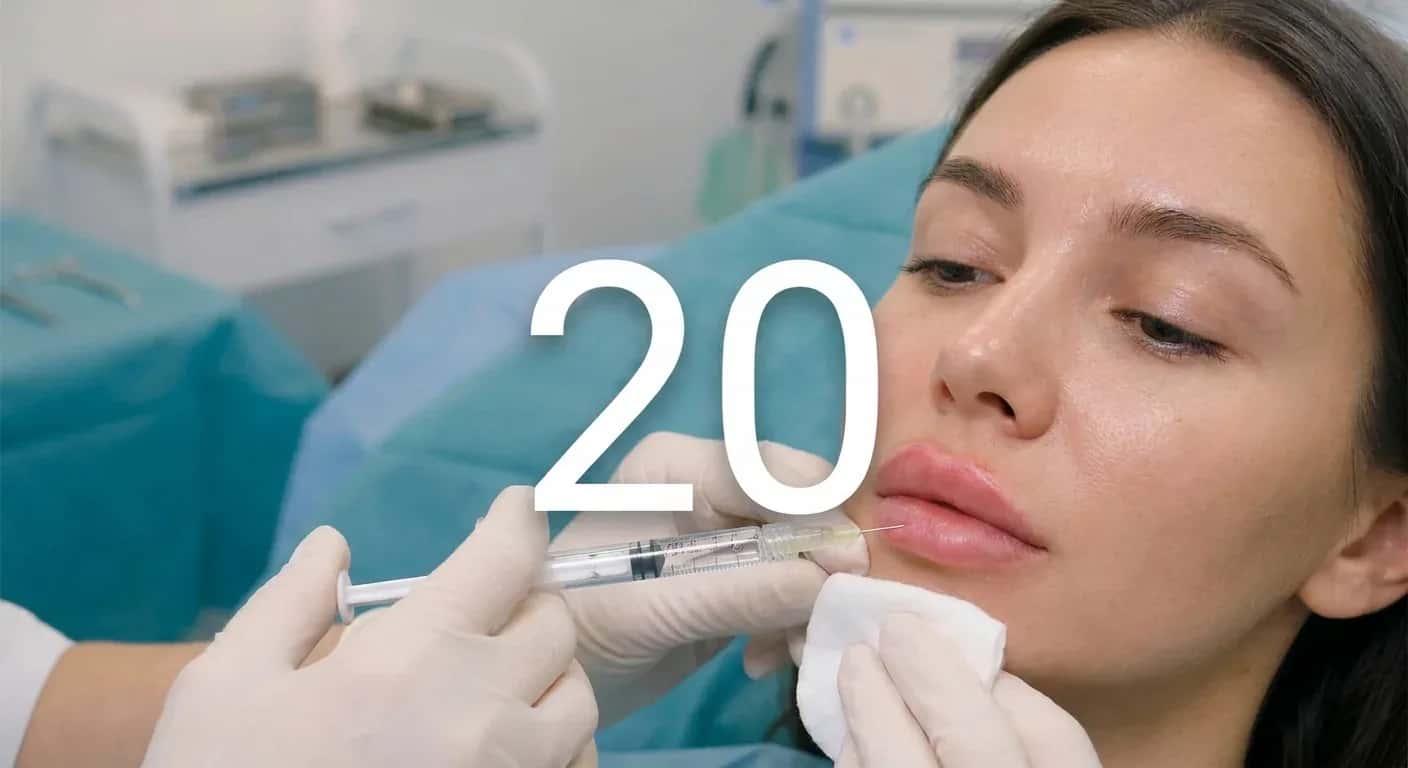
Many singers, actors, reality stars and influencers have talked openly about getting lip filler, and a growing number have also shared why they later had it dissolved. This guide looks at what 20 of these public figures said about their own lip treatments and what their experiences can teach anyone considering filler.

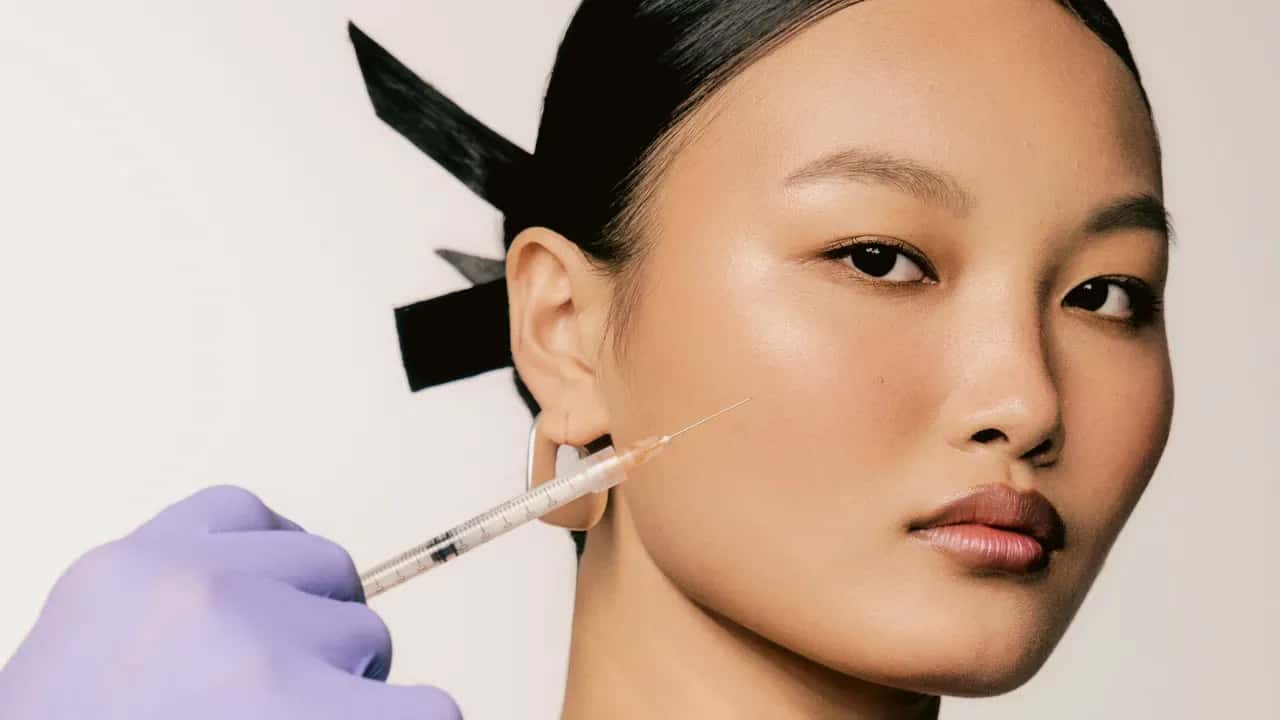
Filler fatigue describes the point where repeated dermal filler treatments leave a face looking heavier, puffier or less like itself, and it is pushing many people to rethink how they approach injectables. This guide explains what causes it, how to recognize an overfilled face.
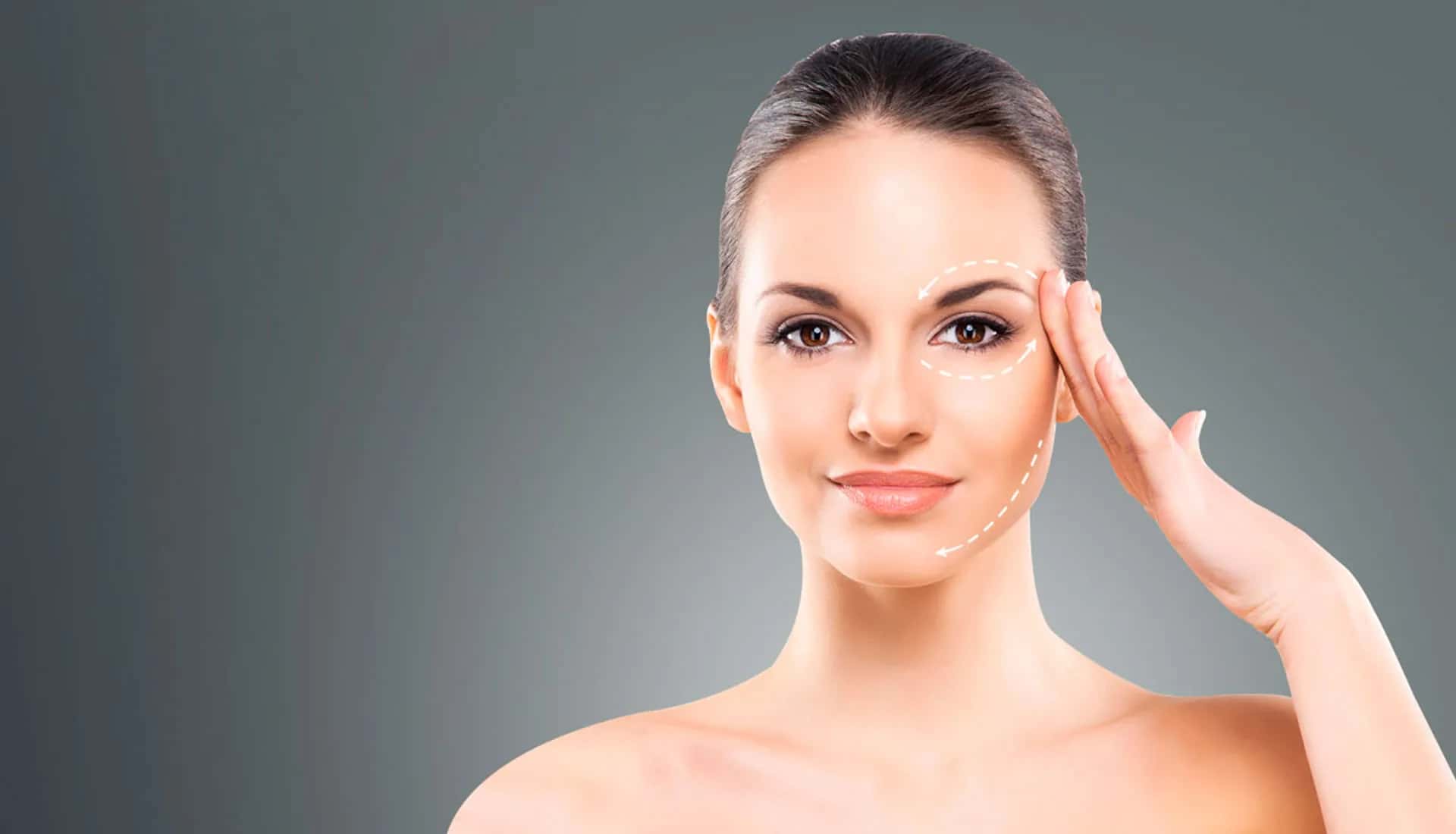
Overfilled faces develop when injectable treatments add more volume than the facial anatomy can accommodate naturally, altering contours, proportions and sometimes facial expression.
Subscribe to the Medifinder newsletter and never miss our latest content.