










Minoxidil Beard Serum
This guide explains how minoxidil beard serum may affect facial hair growth, including expected results, application, side effects, shedding, patchy areas, and long-term use.

- Last updated
- 30 reads
- 10 min read


What Is Minoxidil Beard Serum?
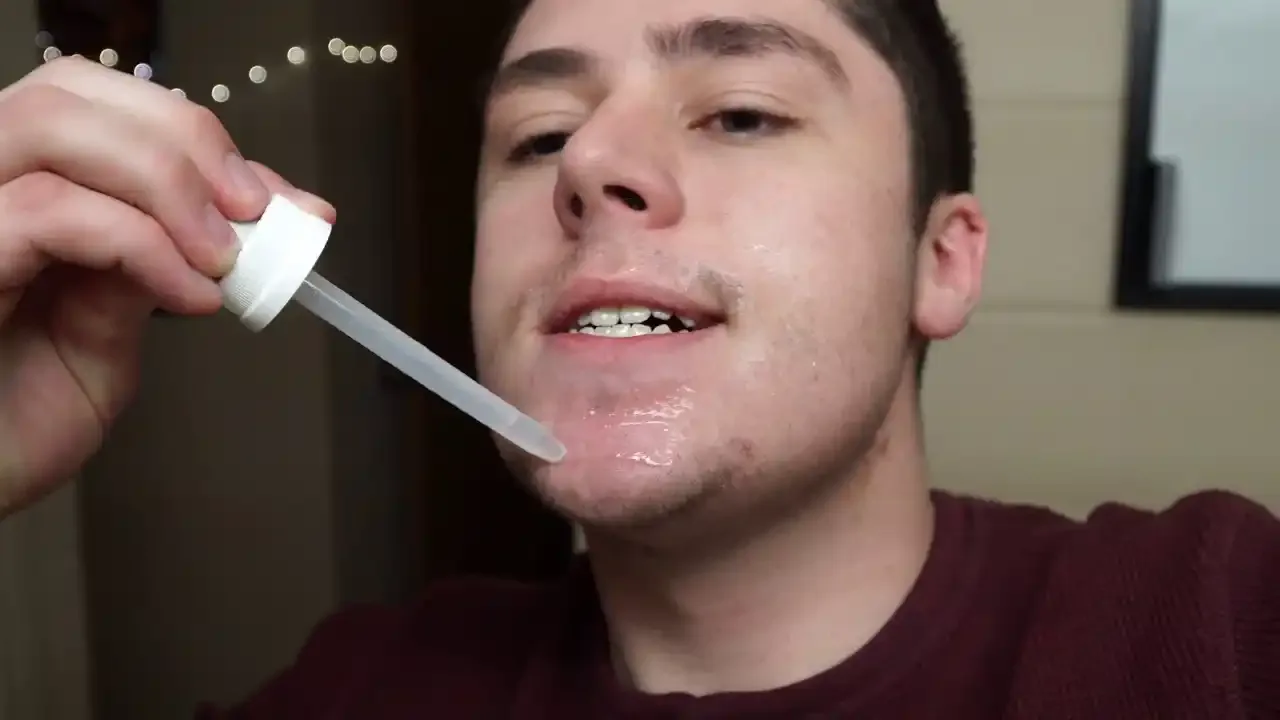
Minoxidil beard serum usually refers to topical minoxidil applied to facial hair areas in an attempt to support beard growth.
Minoxidil was developed as a medication and is widely used topically for certain forms of scalp hair loss. Its use on the beard is different because facial application is considered off-label. The liquid or foam is placed on areas where the beard appears sparse or uneven. Minoxidil may encourage susceptible follicles to remain in the active growth phase longer. The result can be increased visibility, thickness, or density in some users, although individual response varies considerably.
Does Minoxidil Work for Beard Growth?
Minoxidil can improve beard density in some people, but results are not guaranteed and facial use remains off-label.
The medication may encourage existing facial follicles to produce more visible hair. Some users notice thicker strands, improved coverage, or better growth in previously weak areas. Response depends partly on genetics and whether functioning follicles are already present. Minoxidil cannot create new follicles where none exist. This means a completely hairless area may respond less strongly than an area containing fine or barely visible hairs. Changes also develop gradually, so consistent use over several months is usually needed before judging the response.
Is Minoxidil Approved for Beard Growth?
Minoxidil is not specifically approved as a beard-growth treatment, so using it on facial hair areas is considered off-label.
Topical minoxidil is better established for certain types of scalp hair loss. Facial skin behaves differently from the scalp and may be more prone to dryness or irritation. Off-label use does not automatically mean a medication is ineffective or unsafe, but it means the specific application is outside its standard approved indication. People considering facial use should therefore treat minoxidil as a medication rather than a cosmetic beard serum. Potential side effects and systemic absorption still need to be taken seriously.
How Does Minoxidil Affect Beard Hair?
Minoxidil may support beard growth by extending the active growth phase and helping some existing facial follicles produce thicker or longer hairs.
Facial follicles naturally vary in size and sensitivity to hormones. Some produce coarse terminal hairs, while others produce finer strands that are less visible. Minoxidil may help certain follicles remain active for longer, which can improve apparent density. The medication does not change every follicle equally, so growth can remain uneven during the first months. Early hairs may also appear soft or light before becoming more noticeable. The final response depends on the follicles already present in the treated area.
Can Minoxidil Fill Patchy Beard Areas?
Minoxidil may improve patchy beard areas when those regions contain functioning follicles capable of producing stronger facial hair.
Patchiness can occur because follicle density and maturity vary naturally across the cheeks, jawline, and chin. Applying minoxidil may encourage some finer hairs to become more visible. However, completely smooth areas without active follicles may show little change. Growth can also develop at different speeds across the face, so one patch may improve before another. The best way to judge progress is through consistent photographs taken over several months rather than checking for daily changes in the mirror.
How Long Does Minoxidil Take to Work on a Beard?
Minoxidil usually requires several months of regular use before meaningful beard changes become visible.
The first signs may include slightly darker or longer fine hairs rather than immediate thick beard growth. As follicles continue through new growth cycles, these strands may become more noticeable. Some users see early changes within a few months, while fuller improvement takes longer. Facial hair also grows at different speeds across separate regions. The cheeks may respond differently from the chin or jawline. A short trial lasting only a few weeks is generally too brief to determine whether beard minoxidil is producing a meaningful response.
What Results Can You Expect From Minoxidil on the Beard?
The most realistic result from minoxidil is improved visibility, thickness, or density of existing facial hair rather than guaranteed creation of a completely new beard.
Some users develop stronger coverage in patchy areas. Others notice only subtle thickening. Response depends heavily on genetics, age, baseline follicle density, and the maturity of facial hair. The medication cannot reliably transform every fine hair into a permanent coarse beard strand. Progress also tends to be gradual and uneven. Comparing monthly photographs under similar lighting provides a more accurate picture than judging density after each shave or trim.
Does Minoxidil Make Beard Hair Thicker?
Minoxidil can make some beard hairs appear thicker by supporting follicles that are already producing fine or weak strands.
Hair follicles move through different growth stages, and minoxidil may help extend active growth. This can allow strands to become longer and more visible. Some fine hairs may gradually develop a stronger appearance, although not every follicle will respond. Thickness also depends on genetics and androgen sensitivity. Minoxidil does not permanently increase the physical size of every follicle. The visible improvement usually comes from a combination of stronger growth, increased length, and more active hairs within the treated area.
Can Minoxidil Grow a Beard Where There Is No Hair?
Minoxidil is unlikely to create a full beard in an area that genuinely lacks functioning facial hair follicles.
The medication works by influencing existing follicles rather than generating new follicular structures. Areas containing fine, light, or barely visible hairs may have more potential than completely smooth regions. This is why some patchy areas improve while others remain unchanged. Genetics largely determines where beard follicles are distributed and how strongly they respond to androgens. Minoxidil may enhance that existing potential, but it cannot fully overcome an absent follicle population. Expectations should therefore reflect the natural starting pattern.
Can Minoxidil Cause Beard Shedding?
Temporary shedding can occur after starting minoxidil because some hairs may leave the resting phase as the growth cycle begins to change.
This can make the beard look temporarily thinner or more uneven. Shedding does not always mean the treatment is failing. Older hairs can fall as follicles transition toward a new growth phase. The effect usually settles as the cycle stabilizes. However, severe or persistent shedding should not automatically be dismissed as normal. Beard hair naturally sheds as well, so minor loss may also be unrelated to treatment. Changes should be assessed over several weeks rather than based on a few isolated hairs.
How Should Minoxidil Be Applied to the Beard Area?
Minoxidil should be applied carefully to clean, dry facial skin while avoiding the lips, eyes, nostrils, and irritated or damaged areas.
A small amount should be spread only across the intended beard zone rather than over the entire face. Hands should be washed afterward to prevent accidental transfer. The product should be allowed to dry before touching clothing or bedding. Applying extra product does not guarantee faster beard growth and may increase irritation or systemic absorption. Moisturizer can be helpful once the minoxidil has dried if the skin becomes dry. Facial application should always be approached cautiously because the skin can be more sensitive than the scalp.
How Often Should Minoxidil Be Used on the Beard?
Minoxidil should only be used at a frequency that matches the product instructions and remains well tolerated by the facial skin.
Using it more often than recommended does not necessarily improve results. Excessive application may instead increase redness, dryness, dizziness, or unwanted hair growth around nearby areas. Consistency matters more than repeatedly applying large amounts. Facial skin can also react more quickly than scalp skin, so irritation should not be ignored. If a routine causes persistent burning or inflammation, continuing at the same intensity may worsen the problem. Minoxidil should be treated as a medication rather than a cosmetic product that can be layered freely.
What Are the Side Effects of Minoxidil Beard Serum?
Minoxidil beard use can cause local skin reactions and, less commonly, systemic side effects because some medication can be absorbed through the skin.
Possible side effects include:
-
Dryness or flaking
-
Redness
-
Itching
-
Burning or irritation
-
Unwanted hair outside the beard area
-
Headache
-
Dizziness
-
Palpitations
-
Fluid retention in uncommon cases
Most facial complaints involve irritation rather than serious systemic effects. However, chest symptoms, fainting, significant swelling, or persistent rapid heartbeat require prompt medical attention. Using more product than intended may increase the likelihood of side effects.
Can Minoxidil Cause Dry Skin on the Face?
Minoxidil can cause dry facial skin, especially when the liquid formulation contains ingredients that increase irritation or evaporation.
The beard area may start to feel tight, flaky, or rough after repeated use. Facial skin is often more sensitive than the scalp, which makes dryness particularly noticeable around the cheeks and jawline. Applying a gentle moisturizer after the minoxidil has fully dried can help maintain comfort. Harsh scrubs and strong acids may worsen irritation when used at the same time. Persistent cracking, burning, or inflammation suggests the skin barrier is becoming compromised and the routine should not simply be intensified.
Can Minoxidil Cause Acne or Irritation?
Minoxidil may contribute to irritation or acne-like breakouts in some users because the formulation can dry the skin or interact with an existing skincare routine.
Redness, itching, and flaking are more typical than true acne. However, heavy products layered over minoxidil may also contribute to blocked pores in acne-prone skin. Irritation can resemble small bumps, making the cause difficult to identify. Simplifying the routine can help determine whether minoxidil is responsible. Applying it to already inflamed, cut, or freshly irritated skin can increase discomfort. Facial tolerance should be monitored carefully rather than assuming every reaction is part of normal beard growth.
Can Minoxidil Affect Blood Pressure When Used on the Face?
Topical minoxidil can occasionally affect blood pressure because a small amount may enter the bloodstream through the skin.
Systemic effects are much less common than local dryness or irritation, but they remain possible. Dizziness, lightheadedness, palpitations, or unusual swelling should therefore be taken seriously. Applying excessive amounts or using the product on damaged skin may increase absorption. People with cardiovascular conditions should be particularly cautious because minoxidil was originally developed as a blood-pressure medication. Facial use should not be considered risk-free simply because the product is applied externally rather than taken as a tablet.
What Happens If You Stop Using Minoxidil on the Beard?
Stopping minoxidil may lead to some loss of treatment-supported beard growth, especially when the hairs have not fully matured.
Early gains may depend on continued stimulation from minoxidil. If treatment stops, some follicles can return to their previous growth pattern. More established terminal beard hairs may remain more stable, but permanence cannot be guaranteed. The response varies because facial hair maturation is influenced by both genetics and hormones. Stopping suddenly does not usually create permanent damage to the beard. However, density may gradually move closer to the original baseline if the improvement depended strongly on ongoing use.
Are Minoxidil Beard Results Permanent?
Some minoxidil-supported beard hairs may remain after treatment stops, but permanent retention of every new hair cannot be guaranteed.
Facial hair can naturally mature over time, especially in younger adults. This makes it difficult to separate minoxidil-related changes from normal beard development. Hairs that become coarse and terminal may be more stable than fine transitional hairs. Even so, controlled long-term evidence for beard use remains limited compared with scalp treatment. People should therefore avoid assuming that several months of minoxidil will permanently lock in every gain. Continued observation after stopping is the only way to see how stable the result remains.
Can Women Use Minoxidil on Facial Hair Areas?
Using minoxidil to increase facial hair in women is generally not a routine cosmetic application and requires careful consideration of the underlying reason.
Facial hair growth in women can be influenced by hormone levels, genetics, and medical conditions. Increasing hair in this area may also be an unwanted side effect rather than a treatment goal. Minoxidil can promote unwanted facial hair even when applied to the scalp. Pregnancy and breastfeeding create additional safety considerations. Anyone seeking increased facial hair for a specific medical or personal reason should approach minoxidil as a medication with systemic effects rather than a standard skincare serum.
Who Should Avoid Using Minoxidil Beard Serum?
Minoxidil beard serum may be unsuitable for people with certain cardiovascular problems, very irritated skin, medication interactions, or conditions that increase sensitivity to its effects.
Particular caution is important when there is a history of low blood pressure, significant heart disease, unexplained palpitations, or fluid retention. The product should not be applied to broken or inflamed facial skin. Pregnancy and breastfeeding also require specific medical consideration. Anyone who develops severe dizziness, chest discomfort, fainting, rapid heartbeat, or significant swelling should stop treating the product as a cosmetic issue. These symptoms require prompt medical evaluation.
Minoxidil Beard Serum: Is It Worth Using?
Minoxidil beard serum may be worthwhile for some people with patchy facial hair, but the potential benefit should be weighed against off-label use and side effects.
It can improve visible density in areas where responsive follicles already exist. However, it cannot guarantee a full beard or create follicles where none are present. Results require patience and often several months of consistent use. Dryness, irritation, unwanted hair growth, and occasional systemic effects also need consideration. Minoxidil is therefore better understood as a medication that may support beard growth rather than a simple cosmetic serum promising predictable results.
- Last updated
- Language
- English
How did you find this article?
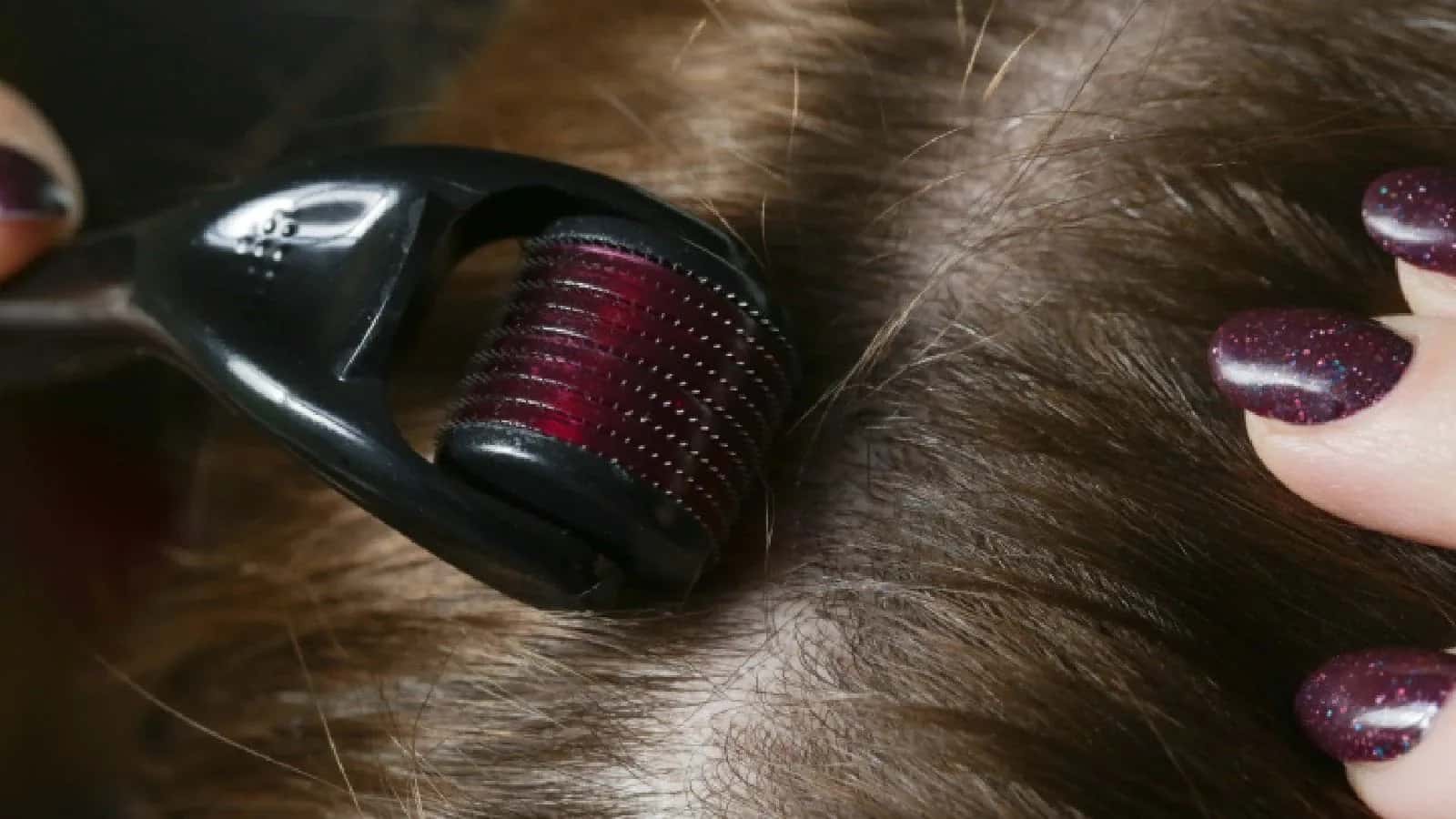
This guide explains whether a dermaroller can support hair growth, how scalp microneedling works, who may benefit, and what results can realistically be expected.

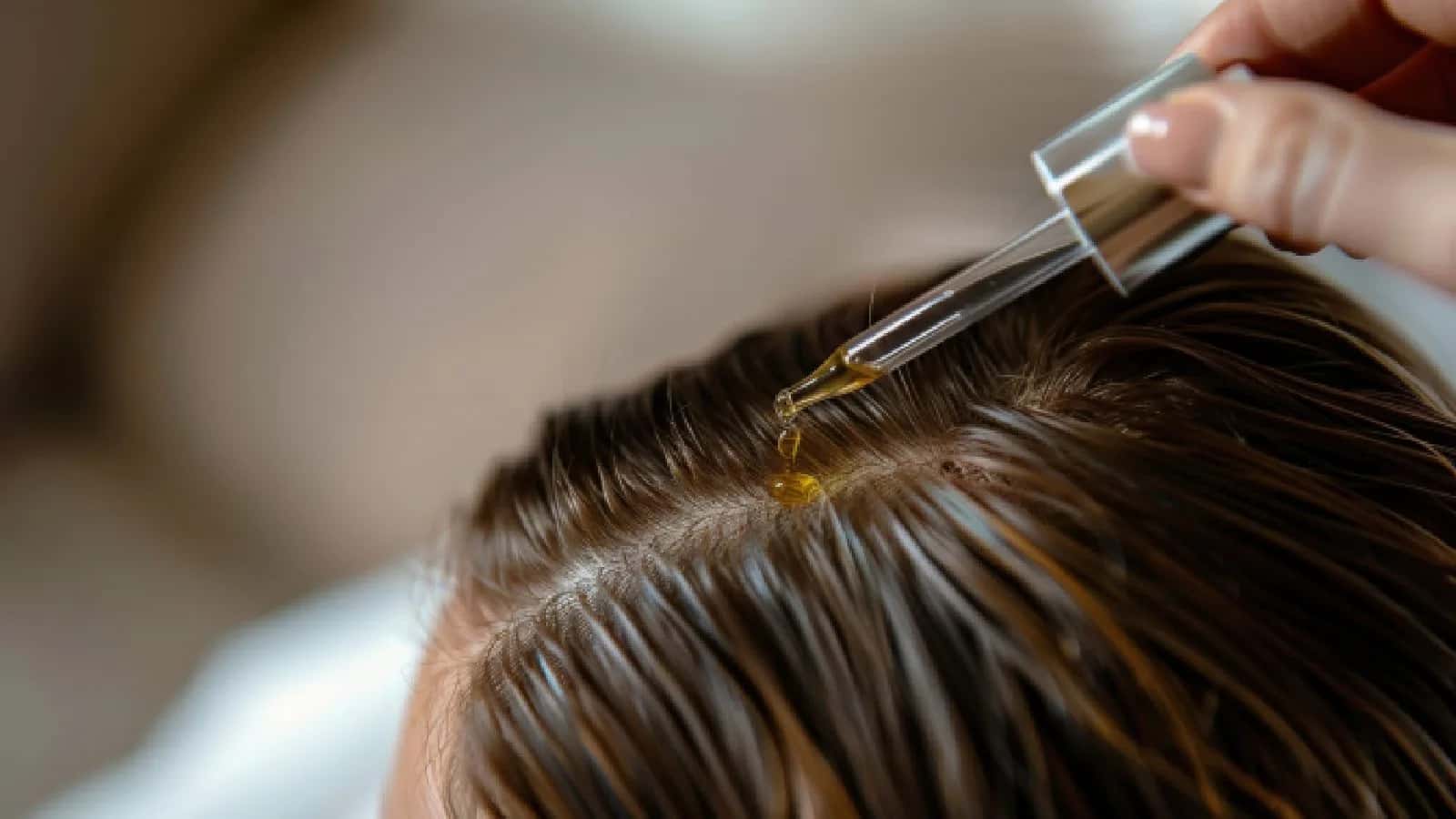
This guide explains issues associated with Procapil use, such as scalp irritation, dryness, itching, redness, concerns about hair shedding, allergic reactions, and long-term use.
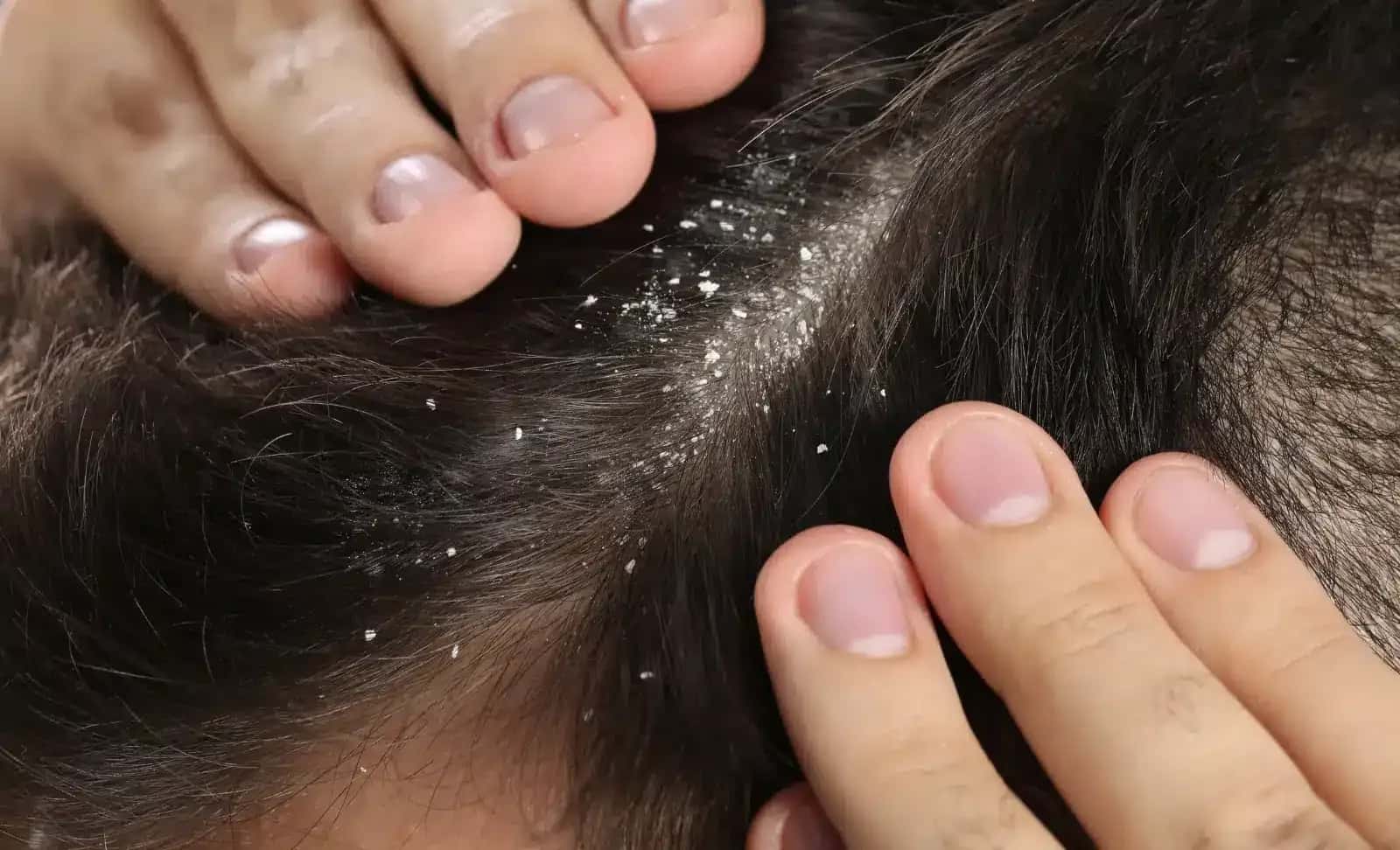
This guide explains how Nizoral shampoo works, what it is used for, how often it can be applied, and what to expect from ketoconazole scalp care.
Subscribe to the Medifinder newsletter and never miss our latest content.