










Pimples After Hair Transplantation
Pimples after hair transplantation are a temporary condition that may occur due to clogged skin pores or increased scalp sensitivity in the transplanted area.

- Last updated
- 197 reads
- 9 min read


Pimples after hair transplantation are a temporary condition that may occur in the transplanted area or donor area due to the healing of hair follicles, the beginning of new hair growth, clogged skin pores, or increased scalp sensitivity. This condition appears mildly in many patients and is generally considered a natural part of the hair transplant healing process. However, if the number of pimples increases, pain becomes more noticeable, or an inflamed appearance develops, medical evaluation is necessary.
After a hair transplant operation, the scalp becomes more sensitive than usual. Small channels are opened in the transplanted area, hair follicles are extracted from the donor area, and the skin begins repairing itself after these micro procedures. During this healing process, redness, crusting, itching, sensitivity, and occasionally small pimple like bumps may occur. Especially after the second week or during the months when new hair begins to grow, pimples after hair transplantation may become more noticeable.
This condition generally should not cause panic. However, not every bump that appears after hair transplantation means the same thing. Some are simple clogged pores, some may resemble ingrown hairs, and some may indicate infection. Therefore, the appearance of the pimples, the level of pain, their spread, and how long they persist are important factors.
The Process of Pimples After Hair Transplantation
During the first days after hair transplantation, crusting and redness are more prominent on the scalp. During this period, intense pimple formation is generally not expected. Once the first washes begin and the crusts gradually fall off, the skin starts to breathe again. During this process, oil, dead skin, and healing tissue accumulated in the pores may cause small bumps.
Between the second and fourth weeks, some patients may develop small white headed pimples in the transplanted area or donor area. These are usually superficial and temporary. As the skin renews itself around the implanted hair follicles, mild inflammation may develop. This may create small bumps resembling pimples.
Pimples may also occur during the new hair growth phase that begins after the third month. As new hair strands try to reach the skin surface, some may become trapped beneath the skin. This may lead to small ingrown hair like swellings. As hair growth accelerates, these bumps may sometimes increase and then decrease on their own.
Why Do Pimples Occur After Hair Transplantation?
-
The adaptation of hair follicles to their new locations may create small inflammatory areas on the skin.
-
Clogging of pores with oil, crust residue, or dead skin may cause a pimple like appearance.
-
Difficulty of new hair strands emerging through the skin surface may create ingrown hair like bumps.
-
Sensitivity and small rough bumps may develop around healing hair follicles in the donor area.
-
Excessive oiliness of the scalp may increase pore blockage.
-
Non recommended creams, oils, lotions, or cosmetic products may irritate the skin.
-
Insufficient cleaning or overly harsh washing may disrupt the skin’s balance.
-
Sweating, wearing tight hats, and lack of scalp ventilation may increase pimple formation.
-
Some individuals are naturally more prone to acne and folliculitis due to their skin structure.
Although most of these causes are temporary, pimples may become more uncomfortable if the care process is not managed properly. Especially squeezing pimples, removing crusts, or scratching the area with fingernails may prolong the healing process.
The Difference Between Normal Pimples and Infection
Mild pimples after hair transplantation are generally seen as small, localized, and mildly sensitive bumps. These bumps usually subside within a few days or can be controlled with the simple care routine recommended by the doctor. Pimples considered normal are generally not accompanied by widespread redness, foul odor, severe pain, or fever.
In cases where infection is suspected, the situation appears different. The skin around pimple like bumps may become noticeably red, warmth may be felt upon touch, and the pain may gradually increase. Yellow green discharge, foul odor, throbbing, and swelling should be evaluated differently from simple pimples.
Although infection after hair transplantation is rare, it is a condition that should be taken seriously. The scalp is sensitive during the early period, and improper intervention may negatively affect both healing and comfort. Therefore, instead of using antibiotic creams without medical advice, it is safer to consult the physician who performed the operation when suspicious symptoms occur.
Why Is Squeezing Pimples Risky?
Squeezing pimples after hair transplantation is one of the riskiest behaviors possible. The skin in the transplanted area may not yet have fully recovered. Squeezing pimples may irritate the surrounding tissue, remove crusts, and damage sensitive hair follicles. Especially during the early period, applying pressure may negatively affect the graft settlement process.
When a pimple is squeezed, a small opening forms on the skin surface. This opening may create a suitable environment for bacterial entry. As a result, a simple bump may turn into an inflamed and painful lesion. In addition, squeezing may increase the risk of scarring. The same applies to the donor area. If small bumps on the back of the scalp are squeezed, the healing points may become irritated again.
For this reason, when pimples are noticed after hair transplantation, the best approach is not to touch the area. If a pimple appears large, painful, or inflamed, intervention should not be performed at home. If necessary, the doctor may evaluate the area under sterile conditions and plan appropriate treatment.
Proper Washing and Scalp Hygiene
One of the most important ways to reduce pimples after hair transplantation is maintaining a proper washing routine. The first washes are generally performed according to the clinic’s instructions. During this process, harsh pressure on the scalp, using fingernails, and forcefully removing crusts should be avoided. Gentle washing supports healthier healing of both the transplanted area and the donor area.
Very hot water may irritate the scalp. Therefore, lukewarm water should be preferred. Shampoo selection is also important. During the postoperative period, products recommended by the doctor should be used, while strong anti dandruff shampoos, heavily scented products, or aggressive cleansers should be avoided. Since the skin barrier is sensitive, choosing the wrong products may increase pimples.
Insufficient cleaning may also create problems. Oil, sweat, and product residue accumulating on the scalp may clog the pores. However, balance is important here. While washing too frequently and harshly may dry and irritate the skin, insufficient cleaning may increase pore blockage. Therefore, the postoperative care plan should be guided by the doctor according to the individual healing process.
Sweating, Hats, and Daily Habits
Heavy sweating during the early period after hair transplantation may increase pimples. Sweat may irritate sensitive areas on the scalp and contribute to clogged pores. For this reason, heavy exercise, sauna, Turkish bath, and excessively hot environments should be avoided for a period of time. Light walking is generally considered safer, but the timing of returning to sports activities should always be determined according to the doctor’s recommendations.
Wearing tight hats, beanies, or helmets may also create friction and poor ventilation on the scalp. Especially before the transplanted area has fully healed, tight accessories may increase the risk of pimples, irritation, and redness. Protecting the head when going outside may be necessary, but the timing and type of products used should comply with the doctor’s recommendations.
Keeping the pillowcase clean is important for scalp hygiene. During the first weeks, the donor area touching the pillow may be more sensitive. A clean sleeping environment helps reduce both irritation and bacterial exposure. In addition, frequently touching the scalp with the hands may also increase pimples. Since hands come into contact with many surfaces during the day, unnecessary touching of the transplanted area is not appropriate.
In Which Situations Should a Doctor Be Consulted?
-
If the pimples are growing larger and increasing in number, a doctor should be consulted.
-
If there is intense redness, warmth, and swelling around the bumps, medical evaluation is necessary.
-
If yellow or green discharge, foul odor, or signs of infection are noticed, medical attention should not be delayed.
-
If the pimples become painful, throbbing, and highly sensitive to touch, they should be evaluated.
-
If symptoms such as fever, weakness, or general deterioration accompany the condition, medical support is necessary.
-
If the pimples recur frequently and do not decrease despite following care recommendations, medical advice should be sought.
-
If there is bleeding, suspected graft loss, or an open wound appearance in the transplanted area, the clinic should be contacted.
-
If burning, rash, or sudden redness develops after using a product, the product should be discontinued and the physician informed.
These symptoms may not always indicate a serious problem, but early evaluation during the postoperative period is a safer approach.
Do Pimples After Hair Transplantation Affect Hair Growth?
Mild pimples generally do not negatively affect the results of a hair transplant. Especially small and superficial bumps may be related to the skin’s healing process and new hair growth. These types of pimples usually do not cause permanent problems when proper care is followed.
However, severe, inflamed, and untreated pimples may irritate the skin. Continuous scratching, squeezing, or using incorrect products may increase sensitivity in the transplanted area. Therefore, the issue is not the presence of pimples themselves but how they are managed. Applying pressure to the area, removing crusts, and using medications carelessly may complicate healing after hair transplantation.
The small bumps that appear during the new hair growth period may sometimes worry patients. However, this period is part of the process in which the scalp becomes active again. Temporary roughness may occur as fine hair strands try to reach the skin surface. Still, if these bumps become painful, widespread, or inflamed, they should be medically evaluated.
The Risk of Care Products and Unconscious Applications
Some patients experiencing pimples after hair transplantation may want to use creams, oils, herbal mixtures, or acne products to find a quick solution. However, this approach may further irritate the scalp. Acne products designed for facial use may not be suitable for sensitive skin after hair transplantation. Alcohol, acids, strong fragrances, or aggressive active ingredients may increase burning and redness.
Herbal oils are not always harmless either. Some oils may clog pores and increase pimples. In addition, applying non sterile products to the transplanted area may increase the risk of infection. Therefore, every product used after hair transplantation should be approved by the doctor.
The safest way to soothe the scalp is to follow the recommended washing routine and keep the area clean. If necessary, the doctor may recommend suitable lotions, shampoos, or medical treatments. Treatment should be planned individually because not every pimple develops for the same reason.
A Patient and Controlled Healing Process
Recovery after hair transplantation is not a process completed in a single day. During the first weeks, crusting occurs; in the following weeks, shock shedding may appear; and in the following months, new hair growth begins. Each of these changes may cause different sensations and appearances on the scalp. Pimples are also a temporary symptom that may occur during some stages of this process.
What patients need most during this period is patience. Hair transplant results develop over several months, and the scalp renews itself during this process. Small bumps usually subside within a few days. The important thing is not to pick at these bumps and not to go beyond the care plan provided by the doctor.
At the same time, interpreting every change with panic is not appropriate. After hair transplantation, itching, stinging, dryness, roughness, and sensitivity may occur on the scalp from time to time. The severity, duration, and accompanying symptoms of these signs should be monitored. If an unusual condition is noticed, the most reliable source is the physician who performed the operation.
- Last updated
- Language
- English
How did you find this article?
Air conditioning can dry out your scalp by reducing indoor humidity and affecting the skin's ability to maintain adequate moisture. Prolonged exposure to dry, cooled air may contribute to itching, flaking, tightness, and irritation, particularly when the scalp is already sensitive or prone to dryness.

Certain dietary supplements can cause hair loss when taken in excessive amounts, particularly products containing high doses of vitamin A, selenium, or other concentrated nutrients. While supplements can help correct nutritional deficiencies that affect hair growth.
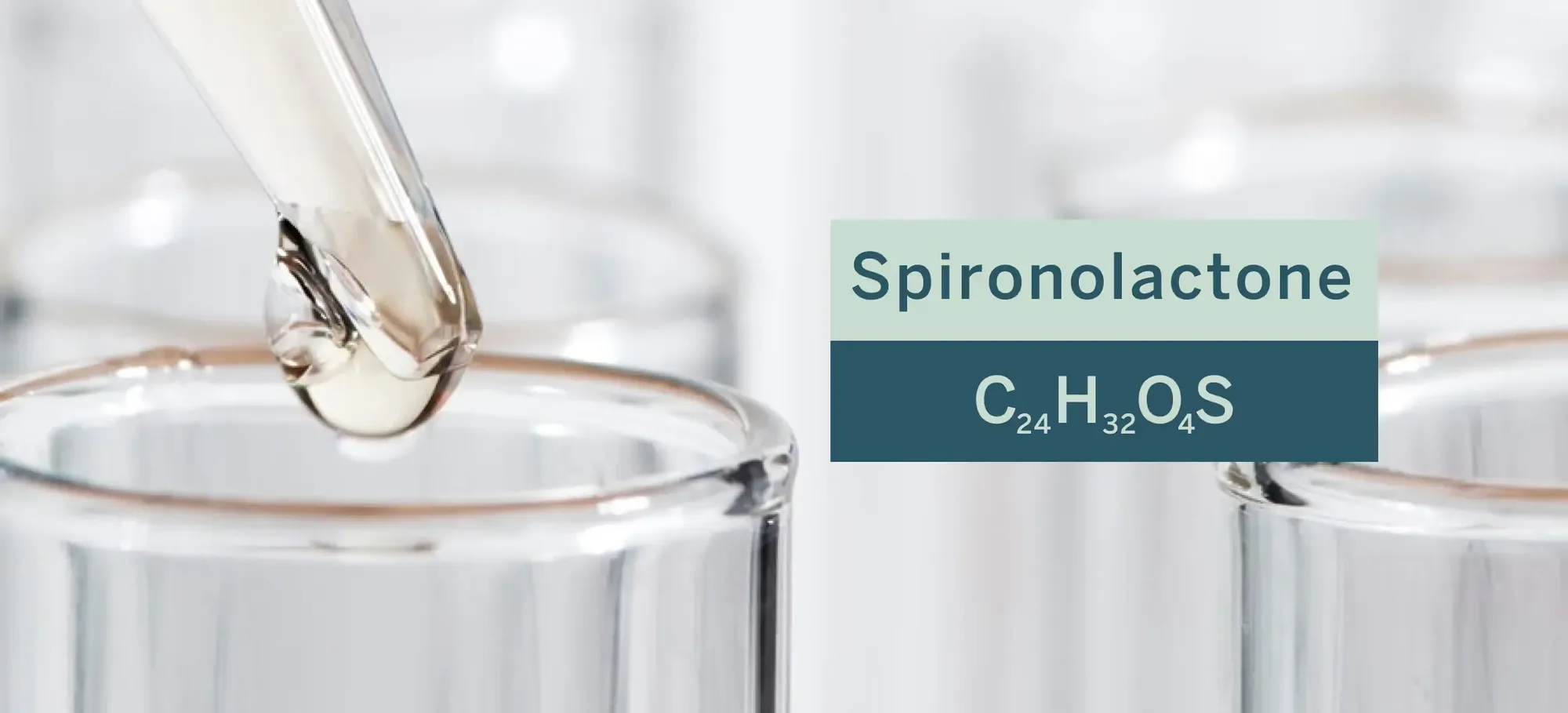
Spironolactone for female hair loss can help slow progressive thinning and improve hair density by reducing the effects of androgens on sensitive hair follicles. Although this prescription medication is not specifically approved for hair loss, clinical research supports its use in selected women.
Subscribe to the Medifinder newsletter and never miss our latest content.