










Nutrition on the Day of a Hair Transplant
Nutrition on the day of a hair transplant includes what is eaten and drunk on the morning of the operation, which foods should be avoided, and how the body is supported after the procedure.

- Last updated
- 176 reads
- 11 min read


The hair transplant process is not limited to the procedure performed on the day of the operation alone. The preparation period, the hours spent during the operation day, and post-procedure care all directly affect the comfort of the outcome. Among these preparations, there is an often overlooked yet highly important topic: nutrition on the day of a hair transplant. What is eaten and drunk on the morning of the procedure, which foods are avoided, and how the body is supported afterward can help the person feel more comfortable throughout the day.
Hair transplantation is generally a planned procedure performed under local anesthesia and may last several hours. Therefore, the body should remain balanced on the operation day. Staying hungry may lead to low blood sugar and feelings of weakness. On the other hand, very heavy meals may strain the stomach, causing bloating and discomfort. The right approach is to start the day with light yet nutritious foods.
Nutrition on the day of a hair transplant does not mean following a special diet. The goal here is to provide energy without unnecessarily tiring the body, keep the stomach comfortable, maintain fluid balance, and make the operation process more comfortable. Every clinic may have its own preparation instructions. Therefore, the personalized recommendations given before the operation should always be taken into consideration.
Why Is Nutrition Important on the Day of a Hair Transplant?
During a hair transplant, it may be necessary to remain in the same position for a long time. The duration of the procedure varies from person to person; the number of grafts to be transplanted, the technique used, and the operation plan determine this period. In a long procedure, the body needs energy. Going into the operation hungry may cause dizziness, nausea, weakness, and restlessness, especially in individuals with blood sugar sensitivity.
At the same time, excessively fatty, heavy, and spicy foods are also not the right choice. A full stomach may cause discomfort during the operation. On the day of a hair transplant, the goal is to be neither too hungry nor overly full. A balanced breakfast or a light meal helps you feel more comfortable throughout the operation process.
Nutrition is also related to the recovery period after the procedure. The area where the hair follicles are implanted enters a sensitive healing process. During this period, the body needs protein, vitamins, minerals, and fluid support. Of course, a single meal does not determine the result of a hair transplant; however, proper nutrition is one of the important habits that support the healing process.
What Should Be Eaten for Breakfast on the Day of a Hair Transplant?
The breakfast consumed on the morning of the operation should be light, simple, and nutritious. It is not advisable to try foods you have never consumed before or foods you are unsure how your stomach will react to. Familiar, easy to digest foods that can keep you full for a long time should be preferred.
-
A balanced breakfast including boiled eggs, cheese, and whole wheat bread may be consumed.
-
Options such as oats, yogurt, and bananas that do not strain the stomach may be preferred.
-
A low fat toast or a light sandwich can be a good alternative.
-
Very sugary jams, chocolate spreads, and pastry heavy breakfasts should be avoided.
-
Breakfast should not be eaten immediately before the operation but within the timeframe recommended by the clinic.
-
Drinking water should not be neglected, but excessive fluid intake that unnecessarily fills the stomach should also be avoided.
-
The clinic’s instructions regarding caffeine should be followed; in some cases, avoiding coffee and energy drinks may be recommended.
Breakfast is a small but powerful preparation. Starting the day in a balanced way helps your energy levels remain more stable during the operation. Especially in long hair transplant procedures, maintaining stable blood sugar is important for comfort.
What Should Be Avoided on the Day of a Hair Transplant?
Avoiding certain foods and drinks on the day of a hair transplant may help make the operation more comfortable. The goal is to avoid tiring the body, upsetting the stomach, and creating unnecessary sensitivity during the procedure.
-
Alcohol should definitely not be consumed.
-
Very fatty fried foods and fast-food style meals should be avoided.
-
Excessively spicy foods are not suitable on the operation day.
-
Energy drinks should not be preferred.
-
Excessive coffee consumption should be avoided.
-
Very salty snacks are not recommended as they may increase the feeling of swelling.
-
Excessively sugary foods may cause blood sugar fluctuations.
-
Previously unused herbal teas, supplements, or mixtures should not be tried.
-
Large portions that may strain the stomach on the morning of the operation should be avoided.
At this point, the safest approach is to stick with simple and familiar foods. On the day of a hair transplant, the body does not like surprises. Foods that do not upset your stomach and that you have comfortably consumed before are the best options.
Is It Right to Go to the Operation Hungry?
On the day of a hair transplant, many people wonder, “Should I go hungry?” In general, prolonged fasting is usually not necessary for hair transplant procedures performed under local anesthesia. In fact, going hungry may be uncomfortable for some individuals. When blood sugar drops, dizziness, trembling, weakness, and stress may increase.
However, there is an important distinction here. In some special cases, if additional sedation is planned or if the person has a different medical condition, the clinic may provide different instructions. Therefore, the most accurate decision is to act according to the personalized information given to you before the operation. If you are instructed to come hungry, this instruction should be followed. If there is no such instruction, a light breakfast generally helps you have a more comfortable day.
In addition, individuals with diabetes, stomach disorders, blood pressure problems, or regular medication use should clarify their nutrition plan with their physician. It is not correct to establish a single rule for everyone. Nutrition on the day of a hair transplant should be arranged according to the person’s medical history.
How Should Water Consumption Be?
It is important not to become dehydrated on the operation day. Maintaining good fluid balance in the body supports overall comfort. Drinking enough water may help prevent complaints such as headaches, weakness, and dry mouth. However, the idea that “the more water I drink, the better” is also incorrect. Drinking excessive amounts of water immediately before the operation may create a frequent need to use the restroom during the procedure, which can interrupt the process.
The best approach is to drink a reasonable amount of water starting from the early hours of the day. Water consumption should be spread out in small intervals. Whether water can be consumed during the operation or breaks may vary according to the clinic’s arrangements. Following the team’s guidance on the procedure day is the most comfortable approach.
Tea, coffee, and carbonated beverages do not replace water. In fact, excessive caffeine may cause palpitations, restlessness, or dry mouth in some individuals. Therefore, water is the safest beverage on the day of a hair transplant. Sugary drinks should also be consumed in moderation, as they may rapidly raise and lower blood sugar levels.
How Should the First Meal After Hair Transplantation Be?
After the hair transplant is completed, the person generally feels the fatigue of a long day. At this stage, instead of a heavy meal, an easy to digest and nutritious meal should be preferred. Foods containing protein, not excessively fatty, and not upsetting the stomach are suitable. Chicken, fish, eggs, yogurt, soups, vegetable dishes, and whole grain options are good alternatives after the procedure.
For the first meal, it is better to avoid very spicy, very salty, or very fatty foods. The body may be sensitive after the procedure. Instead of consuming large portions that strain the stomach on the same day, a simpler and more balanced dinner may be preferred.
Alcohol should not be consumed after the procedure. Alcohol may disrupt the body’s fluid balance and negatively affect the healing process. In addition, consuming alcohol together with postoperative medications may be risky. Therefore, alcohol should be avoided until permitted by the clinic.
Why Is Protein Important After Hair Transplantation?
Protein plays an important role in the basic structure of hair. During the period after a hair transplant, the body’s repair process becomes active. Consuming adequate protein during this process supports tissue recovery and the general healing mechanism. Protein is not obtained only from meat; eggs, yogurt, cheese, legumes, fish, chicken, and nuts are also good sources.
However, protein consumption should not be exaggerated. A balanced diet is always a healthier approach. Focusing only on protein while neglecting vegetables, fruits, whole grains, and healthy fats is not correct. After a hair transplant, the body also needs different vitamins and minerals.
Iron, zinc, B vitamins, vitamin C, and vitamin D are among the nutritional elements associated with hair health. Whether these vitamins and minerals should be used as supplements should be determined according to individual needs. Taking high dose supplements on your own is not appropriate. If necessary, a plan should be made through blood tests and physician evaluation.
Should Supplements Be Used on the Operation Day?
Many people who undergo hair transplantation consider using vitamin, mineral, or herbal supplements during the operation period. However, starting a new supplement on the operation day is not the right approach. Some supplements may affect bleeding tendency, upset the stomach, or interact with medications being used.
If you regularly use vitamins, fish oil, herbal products, or other supportive products, these should definitely be reported to the clinic before the operation. You will be informed about which products you should stop or continue and when. Especially on the day of a hair transplant, taking extra products with the idea of “recovering faster” may be risky.
The main goal in nutrition should be natural and balanced foods. Supplements are only meaningful if there is a real need and they are recommended by a specialist. Otherwise, a well intentioned choice may unnecessarily complicate the operation process.
Common Nutrition Mistakes on the Day of a Hair Transplant
One of the most common mistakes is going into the operation completely hungry. Some people skip breakfast thinking that eating before the procedure may be harmful. This may create weakness and stress, especially in long procedures. Another mistake is the exact opposite: eating very heavy meals. A fatty, spicy, and large breakfast may upset the stomach.
Some individuals drink excessive coffee before the operation to stay awake. However, too much caffeine may increase palpitations, nervousness, and feelings of discomfort. Similarly, energy drinks are not a good option on the day of a hair transplant. Alcohol is also among the drinks that should be avoided both before and after the procedure.
Another mistake is trying a new food or supplement on the operation day. A food that you do not know how your stomach will react to may create unexpected discomfort on the procedure day. Therefore, the best choice is simple and familiar foods.
How Should Nutrition Continue in the First Days After Hair Transplantation?
In the first days after the operation, the diet should support the healing process. Instead of very heavy, excessively salty, and processed foods, more natural, balanced, and nutritious meals should be preferred. A regular nutrition plan consisting of protein, vegetables, fruits, whole grains, and healthy fats helps the body recover.
Water consumption is also important during this period. Adequate fluid intake supports overall well being. Habits such as smoking and alcohol should be avoided for the period specified by the clinic, as they may negatively affect the healing process. After a hair transplant, not only external care but also internal support is important.
Sleep routine, stress management, and proper medication use are just as valuable as nutrition. It is not possible to make the entire process perfect simply by eating very well; however, proper nutrition is one of the important parts of a well planned recovery process.
General Evaluation of Nutrition on the Day of a Hair Transplant
Nutrition on the day of a hair transplant is a simple but important preparation step that affects operation comfort. Having a balanced breakfast, drinking enough water, avoiding heavy foods, and following the clinic’s instructions help the process go more comfortably. The goal is not to follow a special diet but to support the body without unnecessarily straining it.
For most people, staying hungry on the operation day is not the right choice; however, personal health conditions and clinic instructions should always come first. If there are conditions such as diabetes, blood pressure problems, stomach disorders, or regular medication use, the nutrition plan should definitely be clarified in advance.
Hair transplantation requires successful planning. This planning includes not only the operation technique, doctor’s experience, hairline design, and graft placement but also the person’s preparation. Proper nutrition is one of the most practical and easiest parts of this preparation to implement.
Frequently Asked Questions
Can coffee be consumed on the day of a hair transplant?
Some clinics recommend avoiding coffee and caffeinated beverages on the day of a hair transplant. Caffeine may cause palpitations, restlessness, and sensitivity in some individuals. Therefore, following your clinic’s instructions before the operation is the most appropriate approach.
Can sweets be eaten after a hair transplant?
Consuming small amounts of sweets does not create a major problem for most people; however, avoiding excessively sugary foods in the first days after the procedure is a more balanced choice. Sugary foods may cause blood sugar fluctuations and should not replace a healthy nutrition routine.
Is it allowed to drink water on the day of a hair transplant?
Generally, drinking water is allowed and is important for maintaining the body’s fluid balance. However, drinking excessive water immediately before the procedure may cause a frequent need to use the restroom. The best approach is moderate water consumption spread throughout the day.
When can alcohol be consumed after a hair transplant?
Alcohol may negatively affect the healing process after the operation and may not be compatible with the medications used. Therefore, the waiting period specified by your clinic should definitely be followed before consuming alcohol.
Can vitamins be taken on the day of a hair transplant?
Regularly used supplements should be reported to the clinic before the operation. Starting a new vitamin or herbal supplement on the operation day is not appropriate. Necessary supplements should be planned under specialist guidance.
- Last updated
- Language
- English
How did you find this article?
Air conditioning can dry out your scalp by reducing indoor humidity and affecting the skin's ability to maintain adequate moisture. Prolonged exposure to dry, cooled air may contribute to itching, flaking, tightness, and irritation, particularly when the scalp is already sensitive or prone to dryness.

Certain dietary supplements can cause hair loss when taken in excessive amounts, particularly products containing high doses of vitamin A, selenium, or other concentrated nutrients. While supplements can help correct nutritional deficiencies that affect hair growth.
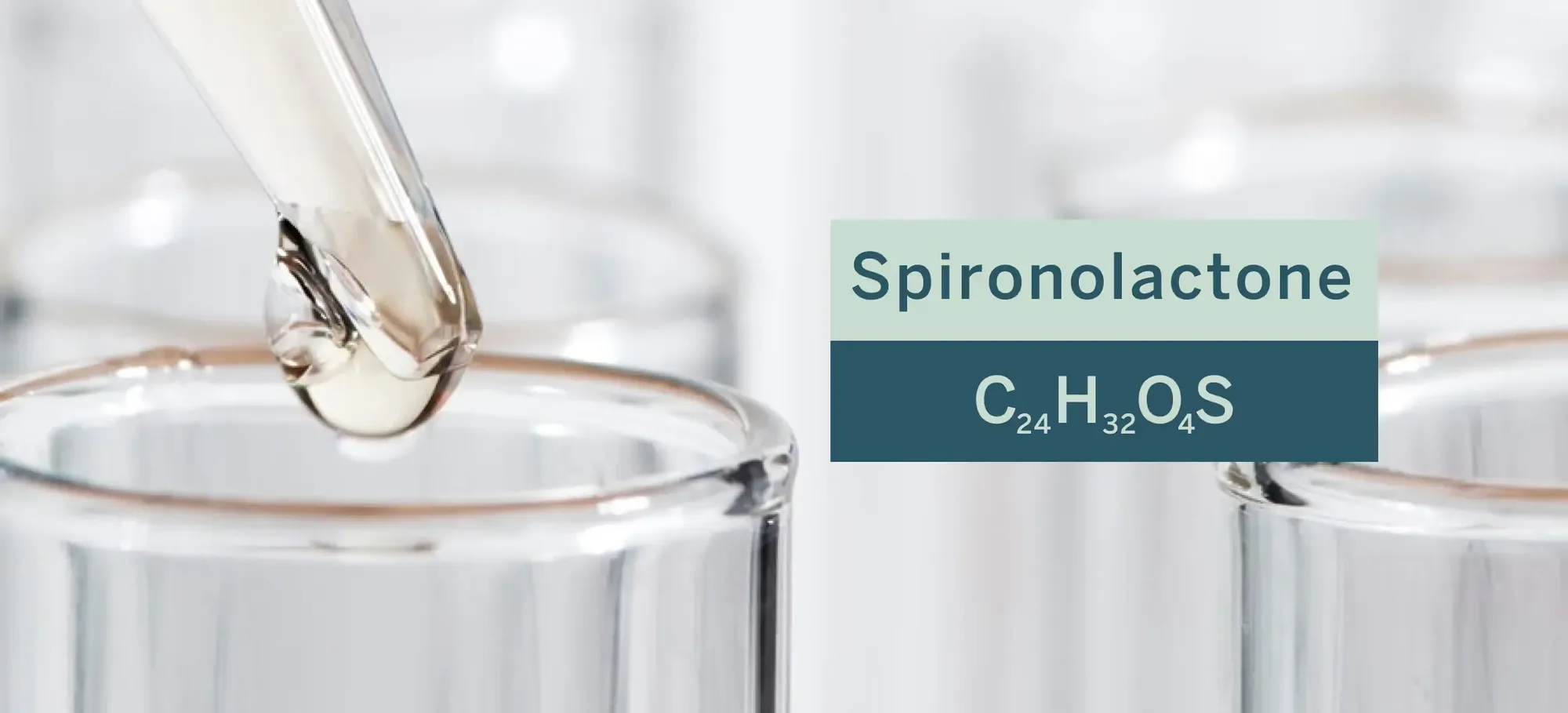
Spironolactone for female hair loss can help slow progressive thinning and improve hair density by reducing the effects of androgens on sensitive hair follicles. Although this prescription medication is not specifically approved for hair loss, clinical research supports its use in selected women.
Subscribe to the Medifinder newsletter and never miss our latest content.