









No-Shave Hair Transplant: Procedure, Candidates, Recovery and Costs
A no shave hair transplant refers to hair restoration surgery performed without fully shaving the patient's scalp. While standard procedures typically require clipping the entire head to maximize visibility, various techniques allow surgeons to leave existing hair long.

- Last updated
- 240 reads
- 19 min read


The phrase "no shave" is an umbrella term that describes several different preparation methods rather than one standardized surgical technique. Some procedures leave both the donor and recipient areas completely unshaven, while others involve shaving a concealed donor section or leaving only the recipient area long. Your candidacy for these approaches depends on your current hair length, donor density, graft requirements, hair-loss pattern, and the surgeon’s technical experience.
What Is a No-Shave Hair Transplant?
A no-shave hair transplant usually refers to a follicular unit excision (FUE) procedure performed without a full-head shave. Because the exact meaning varies significantly between providers, the term can describe several different levels of hair trimming.
Some clinics use the term when there is no full-head shave, while others mean no donor shave or no recipient shave. Methods range from clipping a hidden section of the donor area to individually pretrimming selected donor hairs or extracting long-hair grafts entirely intact.
Advisory: Before accepting a no-shave treatment quote, ask the clinic to state in writing which areas will be shaved, clipped or individually trimmed.
What Are the Different Types of No-Shave Hair Transplant?
Partial-Shave or Hidden-Shave FUE
In this approach, a narrow donor zone is clipped short to allow for standard FUE extraction. The longer surrounding hair is then combed over to conceal the clipped area, while the recipient area remains completely unshaven. This method may be easier to perform than fully unshaven extraction. The amount of concealment depends entirely on your existing hair length and density.
Pretrimmed Non-Shaven FUE
For this method, selected donor hairs are individually shortened before extraction. The surrounding donor hair remains long and untouched. The surgeon identifies and extracts only the shortened follicular units using specialized punches. This technique preserves the appearance of the longer surrounding hair but may require additional preparation time and high technical skill.
Direct Non-Shaven FUE
During direct non-shaven FUE, follicular units are harvested without first individually pretrimming the selected hairs. Instead, the hair shaft may be cut during or immediately before the extraction punch is applied, depending on the specific technique and device. This method should not be described as universally faster or more accurate, as technical approaches vary widely between surgeons and devices.
Long-Hair FUE
Long-hair FUE involves extracting follicular units while intentionally retaining the longer hair shafts. When these grafts are placed in the recipient area, the longer shafts provide an early visual preview of hair direction and distribution. However, the transplanted shafts will usually still shed a few weeks after surgery. The retained hair length does not mean hair growth is immediate or permanent from day one.
Recipient-Only No-Shave Hair Transplant
Some procedures focus entirely on preserving the hair in the recipient area. The recipient hair remains long, and grafts are carefully placed between existing hairs where appropriate. Meanwhile, the donor area may still be partially or fully shaved for extraction. This approach is useful when concealment of the recipient area is your primary concern, though dense existing hair can make visualization and placement more challenging.
FUT Without a Full Shave
Follicular unit transplantation (FUT) can often be performed without fully shaving the donor area. The surgeon removes a narrow strip of donor scalp and closes the incision, which produces a linear donor scar. The surrounding long hair immediately conceals the sutured donor incision. FUT is a strip-harvesting method and is not the same as no-shave FUE.
Is No-Shave Hair Transplant the Same as DHI?
No. These terms describe entirely different aspects of hair transplant surgery. No-shave describes the preparation of the hair, while FUE describes how the individual follicular units are harvested.
Direct Hair Implantation (DHI) commonly refers to the method of graft placement using a specialized implanter pen. Slit-and-place techniques can also be used effectively in an unshaven recipient area. An implanter does not prove that extraction was performed without shaving, and DHI does not automatically mean no-shave surgery. A clinic may combine unshaven harvesting with an implanter, but the terms are not interchangeable.
How Is a No-Shave FUE Hair Transplant Performed?
The surgical process follows several distinct stages. It begins with a hair-loss diagnosis, donor-area assessment, and precise planning of the hairline and recipient area. Based on this, the surgeon selects the most appropriate shaving or trimming approach.
Following local anesthesia, the surgeon begins individual follicular-unit harvesting. The clinical team then examines and prepares the extracted grafts. After recipient-site planning, the surgeon carefully places the grafts into the scalp. During the procedure, long surrounding hair may need to be continuously separated or taped down so the surgeon can see the scalp. This careful navigation between existing hairs is why the procedure often takes longer than standard FUE.
Does No-Shave Mean No Hair Is Cut?
Not always. The definition of "no-shave" varies widely among clinics, and some hair cutting is frequently involved.
During the procedure, some hairs may be individually pretrimmed to facilitate extraction. In other cases, a concealed donor zone may be heavily clipped, or extracted long hair may be shortened during clinical handling. Sometimes, only the recipient area stays long while the donor area is fully shaved. You should always request preoperative photographs or a diagram from your clinic showing exactly which preparation areas will be cut or trimmed.
Who May Be Suitable for a No-Shave Hair Transplant?
Suitability depends on careful medical evaluation. Potential considerations for candidacy may include:
- Patients with sufficiently long surrounding hair to conceal surgical marks.
- Patients requiring a limited or moderate number of grafts.
- Patients with adequate donor density.
- Patients undergoing hairline or temple refinement.
- Women with localized thinning rather than diffuse loss.
- Patients needing transplantation into an existing hair-bearing area.
- Patients who need to conceal donor preparation for social or professional reasons.
- Public-facing professionals who cannot take extended time off.
- Patients with realistic expectations who understand the procedure may take longer or cost more.
The underlying cause of hair loss must always be assessed by a qualified doctor before surgery is considered.
Who May Not Be an Ideal Candidate?
Several factors may limit suitability for unshaven approaches. Patients with very high graft requirements or advanced, rapidly progressing hair loss often require maximum visibility and access.
Weak donor density, diffuse donor miniaturization, and very short surrounding hair make concealment difficult. Active inflammatory scalp disease, unstable alopecia areata, or scarring alopecia require appropriate evaluation before any surgery. If you need extensive donor-area access, have had previous surgery affecting donor availability, or expect the surgery to be completely undetectable, you may not be an ideal candidate. You may be better served by standard shaved FUE, partial-shave FUE, FUT, or medical treatment.
Can Women Have a No-Shave Hair Transplant?
Yes, no-shave techniques often appeal to women because they allow the avoidance of an obvious full-head shave. The approach permits the concealment of limited donor preparation and allows for graft placement between existing long hairs. It is frequently utilized for hairline lowering, hairline refinement, and selected cases of female pattern hair loss.
However, significant limitations exist. Female hair loss may be diffuse, and generalized donor miniaturization can severely affect surgical suitability. Hormonal, nutritional, inflammatory, or medical causes must be fully investigated before considering surgery. Surgery may not stop continuing native hair loss, and existing hair can be temporarily affected by shock loss.
Can No-Shave FUE Be Used for the Hairline, Crown or Scar?
Hairline
No-shave approaches are highly popular for the hairline because this area often requires fewer grafts than extensive restoration. Existing frontal hair may help conceal the early recipient changes, making early recovery more discreet. Any hairline design must carefully consider the likelihood of future hair loss behind the transplanted zone.
Crown
The crown may require a substantial number of grafts to achieve adequate coverage. The existing hair direction and complex whorl pattern increase the difficulty of surgical planning. High graft requirements in this region often make full no-shave harvesting less practical and highly time-consuming.
Scars
Transplanting into scars without shaving is possible, but suitability depends heavily on the scar type, tissue blood supply, and the original cause of scarring. Graft survival in scar tissue may differ from healthy skin. The underlying condition that caused the scar must be clinically stable before proceeding.
How Many Grafts Can Be Transplanted Without Shaving?
Practical graft capacity depends heavily on your donor density, hair length, extraction method, and surgeon experience. It also factors in procedure duration, graft quality, the size of the hair-loss area, and strict adherence to donor safety.
Some surgeons reserve fully unshaven approaches strictly for lower or moderate graft numbers to ensure patient safety and minimize fatigue. Conversely, partial shaving (hidden clipping) may allow for broader harvesting. Because these variables differ widely, there is no fixed universal graft threshold that applies to every patient or clinic.
Does No-Shave FUE Take Longer?
Yes, performing FUE without shaving generally requires more time. The surgeon must carefully work between long hairs, making donor follicles much harder to visualize.
Individual trimming may be necessary, and surrounding hair must be separated repeatedly throughout the operation. Graft handling may also be more complex to preserve the hair shafts. A smaller surgical team may need to take additional care to prevent tangling or accidental damage to the surrounding hair. Procedure duration, however, should be distinguished from overall treatment quality.
Is a No-Shave Hair Transplant More Expensive?
The price may be significantly higher than standard FUE. This increase is driven by the longer procedure time, additional preoperative preparation, and greater technical complexity.
No-shave surgeries often require specialized instruments and dictate a lower number of patients treated per day by the clinic. High surgeon involvement, careful long-hair graft handling, the total number of grafts, and whether the surgery requires multi-session planning all influence the final quote. Always confirm exactly what the price includes—such as surgeon fees, facility costs, medications, and follow-up care—when comparing individual quotes.
What Are the Potential Advantages?
The primary benefits are cosmetic and practical during the early recovery phase. Potential advantages may include:
- Less visible donor preparation immediately after surgery.
- Easier concealment of extraction sites using existing hair.
- Reduced disruption to the patient’s usual daily hairstyle.
- Greater discretion during the early postoperative recovery period.
- The ability to preview graft direction when long-hair FUE is performed.
- A potentially easier return to public-facing activities or work.
These are strictly cosmetic and practical considerations; they do not serve as clinical proof of improved graft survival or higher final density.
What Are the Disadvantages and Limitations?
Choosing not to shave introduces several practical and surgical challenges.
- Longer operation time and higher financial cost.
- Limited availability of highly experienced surgeons offering the technique.
- Greater technical difficulty in both harvesting and placement.
- Reduced visibility of the donor scalp, which may lead to possible restrictions on graft numbers.
- Existing hair may interfere with extraction or placement accuracy.
- More difficult scalp washing and postoperative crust management.
- Blood or postoperative fluid can become visible and clump in long hair.
- Recipient redness will remain visible if not covered by existing hair.
- Shock loss may still temporarily thin the surrounding native hair.
- There is a risk of tangling or accidental hair damage during the procedure.
Keeping your hair long does not remove the standard surgical risks of hair transplantation, nor does it guarantee complete concealment.
Is No-Shave Hair Transplant Scarless?
No. Every surgical extraction creates a tissue injury that results in a scar.
FUE commonly leaves small circular donor marks where the punches were made. The visibility of these marks depends on the punch size, your individual healing response, skin-hair color contrast, the extraction distribution, and your future haircut length. FUT creates a permanent linear donor scar. While long surrounding hair may successfully conceal these scars during your daily life, it does not eliminate them. Furthermore, overharvesting can produce visible donor thinning regardless of the technique used.
What Is Recovery Like After a No-Shave Hair Transplant?
Recovery involves managing the biological healing process while dealing with the challenges of long hair. You will experience redness, swelling, crusting, mild discomfort, itching, and temporary numbness.
Visible dried blood may become caught in your long hair, making early washing routines more challenging. While your existing hair helps cover the treated areas, you must be extremely careful not to dislodge new grafts while brushing or styling. Temporary shedding will occur. Your return to work and exercise will depend on the surgeon's guidelines. Importantly, the biological healing and hair-growth timeline is not faster simply because the surrounding hair was left long.
Does the Transplanted Long Hair Fall Out?
Yes, the transplanted hair shafts typically shed during the first few weeks after surgery, even when longer hair shafts were intentionally retained during long-hair FUE.
This shedding is a normal part of the hair-growth cycle following surgical trauma. The shedding of the shaft does not automatically mean the underlying follicle has been lost. The follicle rests beneath the skin and will later produce a new hair shaft. The long-hair appearance immediately after surgery is temporary and should not be treated as the final cosmetic result.
When Do Results Become Visible?
New growth usually develops gradually over several months. During the first days, you will experience redness, crusting, and visible graft sites. In the first weeks, healing progresses, and temporary shedding begins.
Throughout the first few months, you will see limited visible growth as the follicles remain in a resting phase. Gradual emergence and thickening begin in the later months. Around six to twelve months, many patients see increasing cosmetic improvement. Maturation in some areas, particularly the crown, may continue well beyond one year.
Can Existing Hair Hide the Procedure Completely?
Complete concealment cannot be guaranteed. Concealment depends entirely on your existing hair length, hair density, hair color, and the contrast against your scalp.
The number of grafts, the specific donor preparation method used, and the recipient location play major roles in visibility. Postoperative redness, swelling, and crusting are difficult to hide if the surrounding hair is thin. While a careful hairstyle and favorable lighting may make the procedure significantly less noticeable, you should prepare for the possibility that early surgical signs may still be visible to close observers.
No-Shave FUE vs Shaved FUE
| Feature | No-Shave FUE | Shaved FUE | Important Qualification |
| Donor preparation | Hair kept long; may involve trimming | Full scalp clipped to 1–2 mm | Shaving maximizes visibility |
| Recipient preparation | Hair kept long | Often clipped short | Shaving aids graft placement |
| Procedure duration | Takes significantly longer | Generally faster and more efficient | FUE is naturally time-consuming |
| Graft capacity | Often limited to lower numbers | Suitable for high graft requirements | Safety dictates extraction limits |
| Early concealment | Easier to hide with existing hair | Surgery is highly visible | Concealment is temporary |
| Washing | More challenging due to tangling | Much easier to clean crusts | Careful washing protects grafts |
| Cost | Usually more expensive | Standard pricing | Price reflects time and skill |
| Scarring | Circular marks (concealed) | Circular marks (visible early on) | Neither is scarless |
| Recovery biology | Standard biological timeline | Standard biological timeline | Leaving hair long does not speed healing |
No-Shave FUE vs Partial-Shave FUE
Partial-shave FUE clips a specific, narrow band of hair at the back of the head, leaving the hair above it long to drape over and conceal the donor area. No-shave FUE typically involves extracting from the donor area without creating a clipped bald patch, relying on individual pretrimming or direct long-hair extraction.
Partial-shave FUE allows the surgeon better visibility and faster extraction within the clipped zone, making it less technically complex and usually less expensive than fully unshaven FUE. It may allow for a slightly higher graft number. However, it requires the patient to have hair long enough to fully cover the shaved band. Clinics sometimes market partial-shave FUE as "no-shave" surgery, so clarification is essential.
No-Shave FUE vs FUT
FUT (strip harvesting) removes a continuous strip of scalp tissue from the back of the head, creating a linear scar. It frequently does not require the surrounding donor area to be shaved, as the long hair immediately falls over the sutured incision. No-shave FUE extracts individual follicular units one by one, creating small circular marks dispersed across the donor zone.
FUT is generally a faster procedure and can yield a high graft capacity in a single session. However, it involves a different recovery process with specific exercise restrictions to prevent stretching the linear scar. No-shave FUE avoids a linear scar but takes much longer and may yield fewer grafts per session. Suitability for repeat surgery planning differs significantly between the two methods.
No-Shave FUE vs DHI
This comparison addresses different stages of the procedure. "No-shave FUE" relates to how the hair is prepared and harvested. "DHI" (Direct Hair Implantation) commonly relates to how the grafts are placed into the recipient area using an implanter pen.
A surgeon can perform an unshaven FUE extraction and then use an implanter pen to place the grafts, combining both approaches. Conversely, a DHI procedure may still require the patient to undergo a partial or full donor shave. Comparing the two directly is inaccurate because they describe different technical variables rather than mutually exclusive surgeries.
What Are the Risks?
Keeping the hair long does not remove the standard surgical risks of hair transplantation. Risks include:
- Bleeding and infection.
- Swelling, pain, or tenderness.
- Temporary numbness and folliculitis.
- Prolonged redness and difficult-to-manage crusting.
- Shock loss affecting existing native hair.
- Poor graft growth or unnatural direction and distribution.
- Overharvesting leading to visible donor thinning.
- Small circular scars or textural changes (cobblestoning).
- The need for revision surgery.
- Continuing native hair loss behind the transplanted area.
- General dissatisfaction with the final density.
When Should You Contact the Clinic?
You should contact your clinic if you experience warning signs that fall outside typical recovery. Seek prompt medical assessment for:
- Increasing, rather than improving, pain.
- Persistent bleeding that does not stop with light pressure.
- Worsening swelling after the first few days.
- Spreading redness or warmth across the scalp.
- A high fever.
- Pus or foul-smelling discharge from the extraction or recipient sites.
- Significant wound changes or sudden visual symptoms.
For severe symptoms, you should seek urgent local medical assessment rather than relying only on online messages to an international clinic.
How Should You Choose a No-Shave Hair Transplant Doctor?
Choosing the right provider requires asking specific questions about their technical experience. Evaluate doctors using this checklist:
- Check their relevant medical qualification and active professional registration.
- Verify their experience with hair-loss diagnosis, non-shaven FUE, long-hair FUE, and partial-shave techniques.
- Confirm direct physician involvement rather than heavy reliance on unlicensed technicians.
- Ensure a clear division of surgical responsibilities is established.
- Ask how they perform donor-capacity assessments.
- Expect a discussion of surgical alternatives and realistic graft planning.
- Demand a transparent explanation of exactly what shaving will occur.
- Request written documentation of who performs the extraction and who creates the recipient sites.
- Understand their complication management and long-term hair-loss planning protocols.
- Review their follow-up schedule and transparent pricing structure.
A responsible clinic offering no-shave surgery will be willing to recommend a shaved method or medical therapy when clinically appropriate for your safety and outcome.
What Should You Ask Before Booking?
- What does “no shave” mean in this clinic?
- Will any part of the donor area be clipped?
- Will individual hairs be pretrimmed?
- Will the recipient area be shaved?
- Is this fully unshaven FUE, partial-shave FUE, or long-hair FUE?
- Will an implanter pen be used?
- Who will perform the follicular-unit extraction?
- Who will create the recipient sites?
- Who will place the grafts?
- How many grafts are realistically planned?
- Why is no-shave surgery appropriate for my specific hair-loss pattern?
- Would standard shaved FUE provide any technical advantage for me?
- What donor scars should I expect?
- Can my existing hair experience shock loss?
- How visible might the postoperative redness and crusting remain?
- How long might the procedure take?
- What does the price include exactly?
- What happens if additional shaving becomes necessary during surgery?
- How will complications be managed if I travel home?
- How will ongoing native hair loss be addressed?
Frequently Asked Questions
Can you get a hair transplant without shaving your head?
Yes. Techniques exist to perform a hair transplant without a full-head shave. Surgeons can utilize partial-shave methods, pretrimmed non-shaven FUE, or long-hair FUE. However, candidacy depends heavily on your hair-loss pattern, the required number of grafts, and your existing hair length.
Does no-shave FUE require any trimming?
Often, yes. While the entire head isn't shaved, many clinics will clip a narrow, concealable band at the back of the head or individually pretrim selected hairs down to a millimeter to facilitate accurate extraction. Always clarify what trimming will occur.
Is no-shave hair transplant the same as DHI?
No. No-shave refers to how your hair is prepared prior to extraction. DHI (Direct Hair Implantation) refers to how the grafts are placed into the scalp using an implanter pen. A clinic may use an implanter pen whether your head is shaved or not.
Is no-shave FUE scarless?
No. Every surgical extraction creates a wound, which results in a scar. FUE creates small circular marks in the donor area. While keeping your surrounding hair long helps to conceal these marks effectively, the procedure itself is never entirely scarless.
Is no-shave FUE suitable for women?
Yes, it is highly suitable and frequently used for women who want to avoid shaving their heads. However, women must undergo thorough diagnosis first to rule out diffuse thinning, medical conditions, or hormonal imbalances that might make surgery ineffective.
Can no-shave FUE treat the crown?
Yes, but it is often less practical. The crown typically requires a high number of grafts to achieve visual density. Extracting and placing a massive number of grafts between existing long hairs is technically difficult, highly time-consuming, and may increase surgical risks.
How many grafts can be transplanted without shaving?
There is no universal maximum. Capacity depends on your donor density, the specific extraction method used, and the surgeon's skill. Many surgeons prefer to limit fully unshaven procedures to smaller graft numbers (often under 2,000) to minimize fatigue and protect donor integrity.
Does a no-shave hair transplant take longer?
Yes. The surgeon must carefully navigate between existing long hairs to extract and place grafts, which reduces visibility and requires meticulous handling. Consequently, the procedure is significantly slower and more labor-intensive than a standard shaved FUE operation.
Is no-shave FUE more expensive?
Generally, yes. Because it requires more time, specialized tools, and advanced surgical skill, clinics usually charge a premium. The longer duration also means the clinic can treat fewer patients per day, which is reflected in the increased price of the procedure.
Is no-shave FUE more painful?
No. The type of local anesthesia used to numb the scalp is the same regardless of hair length. You may experience some increased tangling or pulling during washing and aftercare, but the surgical incisions themselves do not cause more pain.
Does long transplanted hair fall out?
Yes. Even if long-hair grafts are implanted, the trauma of relocation typically causes the hair shafts to shed a few weeks after surgery. The follicle remains safely anchored beneath the skin and will gradually produce a new hair shaft months later.
Does no-shave FUE heal faster?
No. Leaving the surrounding hair long does not accelerate the biological tissue-healing process or the hair-growth timeline. It simply masks the redness, crusting, and extraction sites, giving the cosmetic illusion of a faster recovery.
When can you return to work?
If your existing hair successfully conceals the recipient redness and donor extraction sites, you might return to non-strenuous desk work within a few days. However, physically demanding work or jobs requiring hard hats will still require several weeks of clearance.
Can existing hair hide the transplant?
It can significantly reduce visibility, but complete concealment is never guaranteed. Successful camouflage depends on your existing hair length, thickness, and styling. Postoperative swelling, crusting, and temporary shock loss may still be noticeable to close observers.
Is no-shave FUE better than shaved FUE?
Neither is universally better. Shaved FUE provides the surgeon with maximum visibility, efficiency, and easier graft handling, making it ideal for larger sessions. No-shave FUE offers better early cosmetic discretion but is restricted by technical complexity and lower graft limits.
What is the difference between no-shave FUE and partial-shave FUE?
Partial-shave FUE involves clipping a defined section of the donor area, which is then covered by longer hair falling over it. Fully no-shave FUE avoids clipping a dedicated patch entirely, relying instead on individually pretrimming hairs or extracting them long.
What should you ask a clinic before booking?
Always ask exactly what "no shave" means in their practice. Request written confirmation detailing whether the donor area will be partially clipped, if individual hairs will be trimmed, and who exactly will perform the surgical extraction and graft placement.
Conclusion
A no-shave hair transplant is an umbrella term rather than one standardized surgical method. Depending on the clinic's specific approach, the donor area, recipient area, or both may remain largely unshaven. However, many procedures marketed as "no shave" still involve hidden clipping or individual hair trimming.
It is vital to understand that no-shave FUE does not mean scarless surgery, nor does it automatically improve hair growth, density, or overall graft survival. Your suitability depends heavily on an accurate medical diagnosis, your available donor capacity, graft requirements, and technical surgical planning. Because definitions vary so widely, you should request a precise written explanation of what will be shaved and who will perform each surgical stage. By researching appropriately qualified hair-restoration physicians and clinics through MediFinder, you can safely evaluate which technique aligns best with your hair-loss pattern and lifestyle.
- Last updated
- Language
- English
How did you find this article?
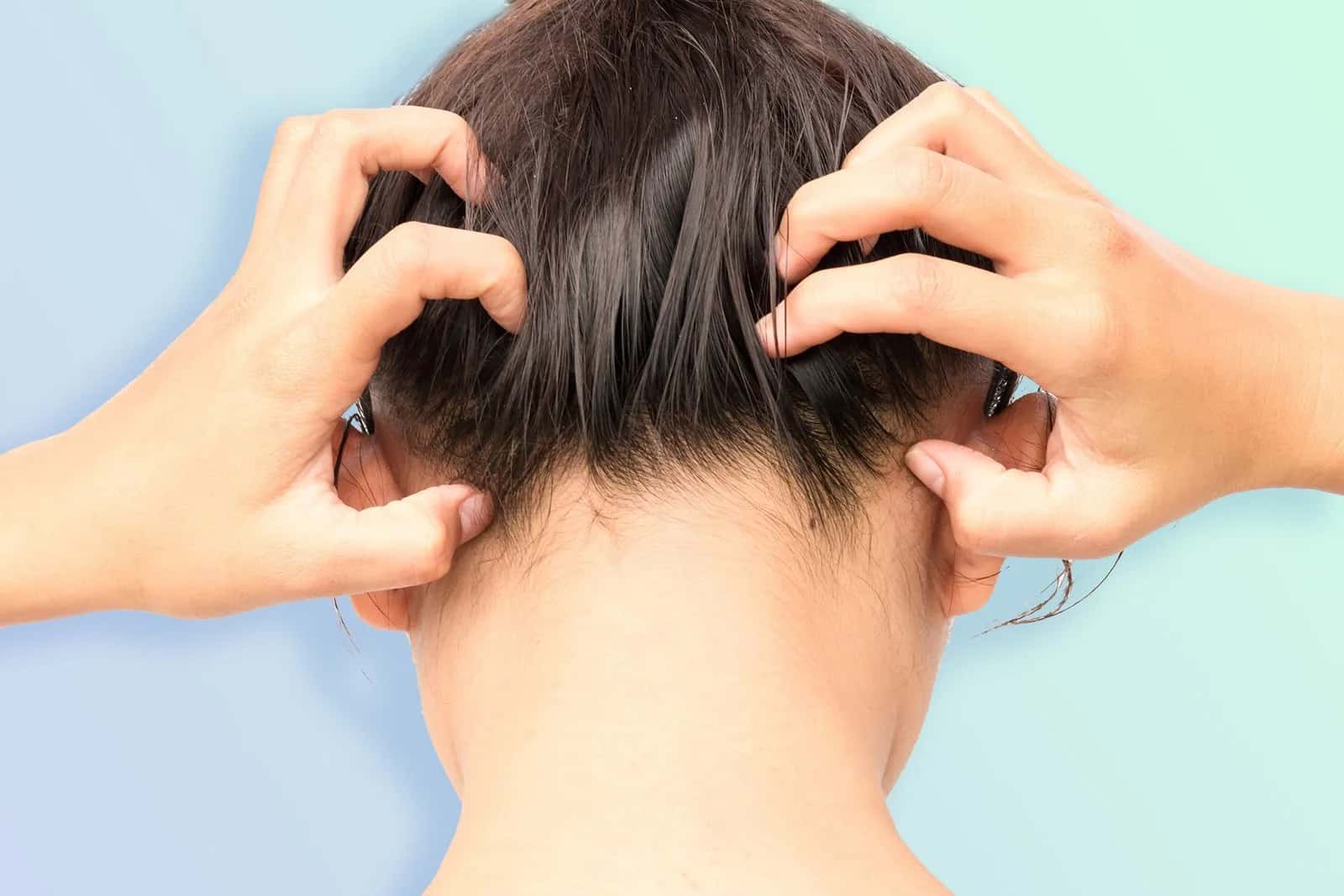
Air conditioning can dry out your scalp by reducing indoor humidity and affecting the skin's ability to maintain adequate moisture. Prolonged exposure to dry, cooled air may contribute to itching, flaking, tightness, and irritation, particularly when the scalp is already sensitive or prone to dryness.
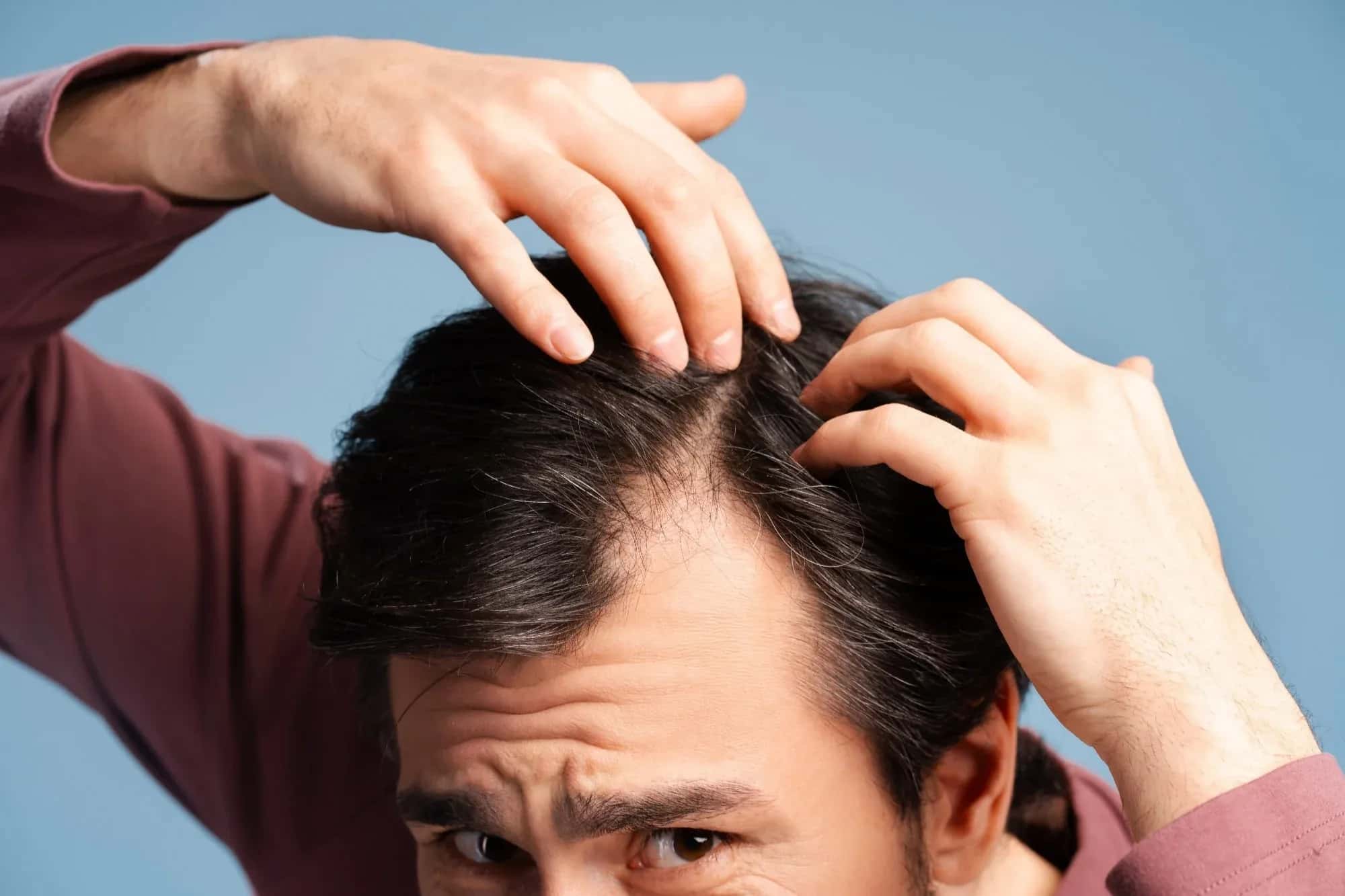
Certain dietary supplements can cause hair loss when taken in excessive amounts, particularly products containing high doses of vitamin A, selenium, or other concentrated nutrients. While supplements can help correct nutritional deficiencies that affect hair growth.

Spironolactone for female hair loss can help slow progressive thinning and improve hair density by reducing the effects of androgens on sensitive hair follicles. Although this prescription medication is not specifically approved for hair loss, clinical research supports its use in selected women.
Subscribe to the Medifinder newsletter and never miss our latest content.