










Transform Your Look with Advanced Neograft Hair Transplant Surgery
Discover the life-changing benefits of neograft hair transplant surgery. Learn about the automated FUE process, the recovery timeline, and how to achieve natural results.

- Last updated
- 75 reads
- 9 min read


When you decide to restore your receding hairline, exploring neograft hair transplant surgery provides a highly advanced, minimally invasive path to permanent confidence. Modern technology has completely revolutionized the way specialists approach hair restoration. In the past, patients faced painful procedures leaving long linear scars across the back of their heads. Today, neograft hair transplant surgery eliminates those outdated drawbacks by utilizing state-of-the-art automated follicular unit extraction (FUE). This innovative system gently harvests individual hair follicles using pneumatic pressure, ensuring maximum graft survival while offering a dramatically faster and more comfortable healing process. If you want to achieve dense, incredibly natural-looking results without the extended downtime, understanding how this sophisticated medical device works transforms the way you view cosmetic restoration.
The Mechanics Behind the Technology
To appreciate the superiority of this automated system, you must first understand the delicate biology of a hair follicle. A single follicular unit contains one to four individual hair strands, a sebaceous gland, a tiny muscle, and a microscopic blood supply. When a surgeon extracts this unit from your scalp, the tissue experiences immediate physical trauma. The automated handpiece changes this dynamic entirely. Instead of relying on manual twisting and pulling with forceps, the device utilizes a highly controlled pneumatic pressure system.
The surgeon guides a microscopic punch over the targeted hair. The machine then applies a gentle, calculated suction that smoothly slides the follicle out of the surrounding tissue. This no-touch technique prevents the physical crushing or severing of the delicate root bulb. By eliminating the mechanical friction associated with standard manual extraction, the survival rate of the harvested grafts skyrockets. The system immediately stores these extracted units in a sterile, temperature-controlled collection chamber that continuously bathes them in a nutrient-rich mist. This immediate hydration prevents the cells from drying out and dying before the surgeon implants them into the bald areas.
Traditional Methods Versus Modern Automation
You cannot fully grasp the value of this modern approach without comparing it directly to the older techniques that dominated the industry for decades. The traditional Follicular Unit Transplantation (FUT) method requires the surgeon to slice a long, horizontal strip of flesh directly from the back of your scalp. After excising this strip, the medical team physically sews or staples the gaping wound shut. This brutal method leaves a permanent, highly visible linear scar stretching from ear to ear. It also routinely causes permanent nerve damage, leaving patients with a chronic sensation of tightness or total numbness at the back of their heads.
Automated extraction leaves absolutely no linear scar, utilizes no scalpels, and requires zero stitches. The microscopic punch creates tiny, circular, millimeter-sized punctures that naturally close up and heal on their own within a few days. Even when compared to manual FUE, the automated system holds distinct advantages. Manual extraction relies heavily on the physical stamina and wrist stability of the surgeon. As a long surgery drags on for six or eight hours, human fatigue inevitably sets in, increasing the risk of transecting (cutting in half) the follicles. The automated handpiece maintains mathematical precision and unwavering consistency from the first extraction to the thousandth, protecting your precious, finite donor supply.
The Ideal Candidate Profile
While this technology offers miraculous results, it does not apply universally to every single person experiencing hair loss. You must possess a specific physiological profile to qualify as an ideal candidate. First and foremost, you need a robust, healthy donor area located at the back and sides of your head. This horseshoe-shaped zone contains hair follicles genetically resistant to the DHT hormone that causes male pattern baldness. If your hair loss has aggressively thinned out this safe zone, you simply will not possess enough viable grafts to cover the bald areas on top.
Furthermore, you must hold realistic aesthetic expectations. You cannot mathematically recreate the exact hair density you possessed as a teenager. The goal focuses on creating a masterful illusion of density by strategically framing your face and blocking light from reflecting off the scalp. Candidates with strong contrasts between their skin tone and hair color often require slightly more grafts to achieve this visual blockage, whereas those with wavy hair or low skin-to-hair contrast achieve the illusion of thick coverage much faster. You should also be in good general health, free from bleeding disorders, and fully committed to adhering to the post-operative care instructions.
Preparing for Your Procedure
The success of your restoration heavily depends on the environment you create within your body before you even walk into the clinic. You must actively prepare your scalp to ensure the tissue provides the perfect, nutrient-rich bed for the new grafts to take root. Two weeks prior to your surgical date, you absolutely must cease all nicotine consumption. Smoking violently constricts your blood vessels, drastically limiting the amount of oxygen that reaches your scalp. Starving the tissue of oxygen leads to massive graft failure and terrible tissue necrosis.
You also need to avoid alcohol and blood-thinning medications, including standard ibuprofen and certain herbal supplements, for at least ten days before the operation. These substances thin your blood, causing excessive bleeding during the extraction and implantation phases. When the scalp bleeds heavily, the flowing blood literally pushes the newly implanted grafts out of their tiny channels, destroying the precise design the surgeon created. Focus on a diet rich in iron, zinc, and high-quality proteins to fuel the impending cellular repair process.
Step-by-Step Surgical Experience
Walking into the clinic on the morning of your procedure, you will find the environment remarkably relaxed. You remain completely awake and conscious for the entire duration of the process. The clinical team begins by shaving your donor area to allow the automated punch unobstructed access to the optimal follicles. They then administer a local anesthetic to thoroughly numb your scalp. You will feel a slight, temporary stinging sensation during these initial injections, but once the medication takes effect, you will feel absolutely zero pain.
The procedure divides into two distinct phases. During the morning, the surgeon utilizes the automated handpiece to harvest the required thousands of grafts from the back of your head. You simply lie face down on a comfortable massage-style chair, often listening to music or watching a movie on a tablet. After the medical team collects all necessary grafts, you take a short break for lunch.
In the afternoon, the focus shifts entirely to the artistic design. The surgeon uses a tiny, custom-angled sapphire blade to create microscopic recipient sites across your bald areas. The angle, depth, and direction of these incisions dictate exactly how the new hair will lay and flow as it grows. Finally, the team meticulously places the preserved grafts one by one into these empty channels, executing the exact hairline design agreed upon during your consultation.
Post-Operative Healing and Aftercare
The way you treat your scalp during the first ten days after the procedure determines the ultimate survival rate of your new hair. You leave the clinic with thousands of tiny, vulnerable wounds. You must completely abandon your normal sleeping habits and sleep in a semi-upright position, elevated at a forty-five-degree angle. This elevation prevents your swollen forehead from filling with excess fluid and entirely stops you from rolling over and physically rubbing the fragile grafts against your pillowcase.
Around the second or third day, you will notice tiny scabs forming around the base of every implanted hair. You must never pick, scratch, or aggressively scrub these crusts. Your clinic will provide you with a specialized panthenol foam and an ultra-gentle medical shampoo. You will carefully dab these products onto the scalp, letting them sit and soften the scabs so they naturally wash away without any mechanical force. By day ten to fourteen, the scabs will completely fall off, and the follicles will lock permanently into the dermal tissue. At this point, the danger of accidentally dislodging a graft drops to zero.
Expected Timeline for Visible Results
Patience serves as your greatest ally following a restoration procedure. You will not see instant cosmetic density. In fact, between weeks three and eight, you will experience a highly stressful physiological phase known as "shock loss." The trauma of the surgery forces the newly implanted hairs to enter a resting state, causing the actual hair shafts to shed and fall out. You will likely look exactly as bald as you did before the surgery. You must remain calm; the vital root remains safely anchored deep beneath the skin, gathering energy.
Around the three-to-four-month mark, you will finally notice the first signs of genuine success. Extremely fine, colorless vellus hairs will begin to sprout through the skin. They might look like peach fuzz initially, but they represent the beginning of the permanent growth cycle. By the sixth month, you will witness a dramatic cosmetic transformation as these fine hairs thicken, darken, and fill out the previously bare areas. You will continue to see ongoing improvements in density and hair texture up to the twelve-to-fifteen-month mark, which is when you officially evaluate your final, mature result.
Long-Term Maintenance and Success
While the transplanted hairs come from the safe donor zone and carry a permanent resistance to the DHT hormone, your restoration journey does not end when the new hair grows in. The native, original hairs surrounding the transplanted zone remain highly susceptible to genetic balding. If you do nothing to protect them, your native hair will continue to thin and recede over the coming decades, eventually leaving an unnatural gap behind your beautifully restored frontal hairline.
You must view the surgery as one powerful tool in a broader hair preservation strategy. Incorporating clinically proven supportive therapies creates a protective shield over your existing native hair. Utilizing daily topical treatments, exploring oral medications designed to block DHT production, and adopting clinical laser light therapy will lock your overall aesthetic in place. By combining the permanent automated grafts with aggressive preventative maintenance, you guarantee a thick, youthful head of hair for the rest of your life.
Frequently Asked Questions
Does the extraction process hurt?
You will not experience any pain during the extraction or implantation phases. The clinical team uses highly effective local anesthetics to completely numb the entire scalp before any mechanical work begins. You will only feel a slight pressure or vibration from the handpiece, allowing you to comfortably watch movies, listen to music, or even fall asleep during the procedure.
How long does the device take to complete the session?
The total duration depends entirely on the specific volume of tissue you require to achieve your desired aesthetic goals. A standard session involving two thousand to three thousand grafts typically takes between six and eight hours. The automated pneumatic system speeds up the extraction phase significantly compared to manual methods, reducing the time the follicles spend outside your body.
Will anyone notice the extraction sites?
The automated punch utilizes microscopic tools that create punctures less than a millimeter wide. Because the system extracts individual units without using scalpels, it leaves no linear scar. Once the initial tiny scabs heal and fall off within the first ten days, the donor area heals cleanly. When you keep your hair cropped short, the naked eye cannot detect the microscopic, randomly scattered dots left behind.
Are the newly implanted hairs permanent?
Yes, the results remain completely permanent. The system harvests follicles specifically from the horseshoe-shaped region at the back of your head. These specific hairs possess a unique genetic coding that makes them permanently immune to the hormones that cause male pattern baldness. When the surgeon moves them to the front of your scalp, they retain this genetic immunity and will continue to grow naturally for the remainder of your life.
- Last updated
- Language
- English
How did you find this article?
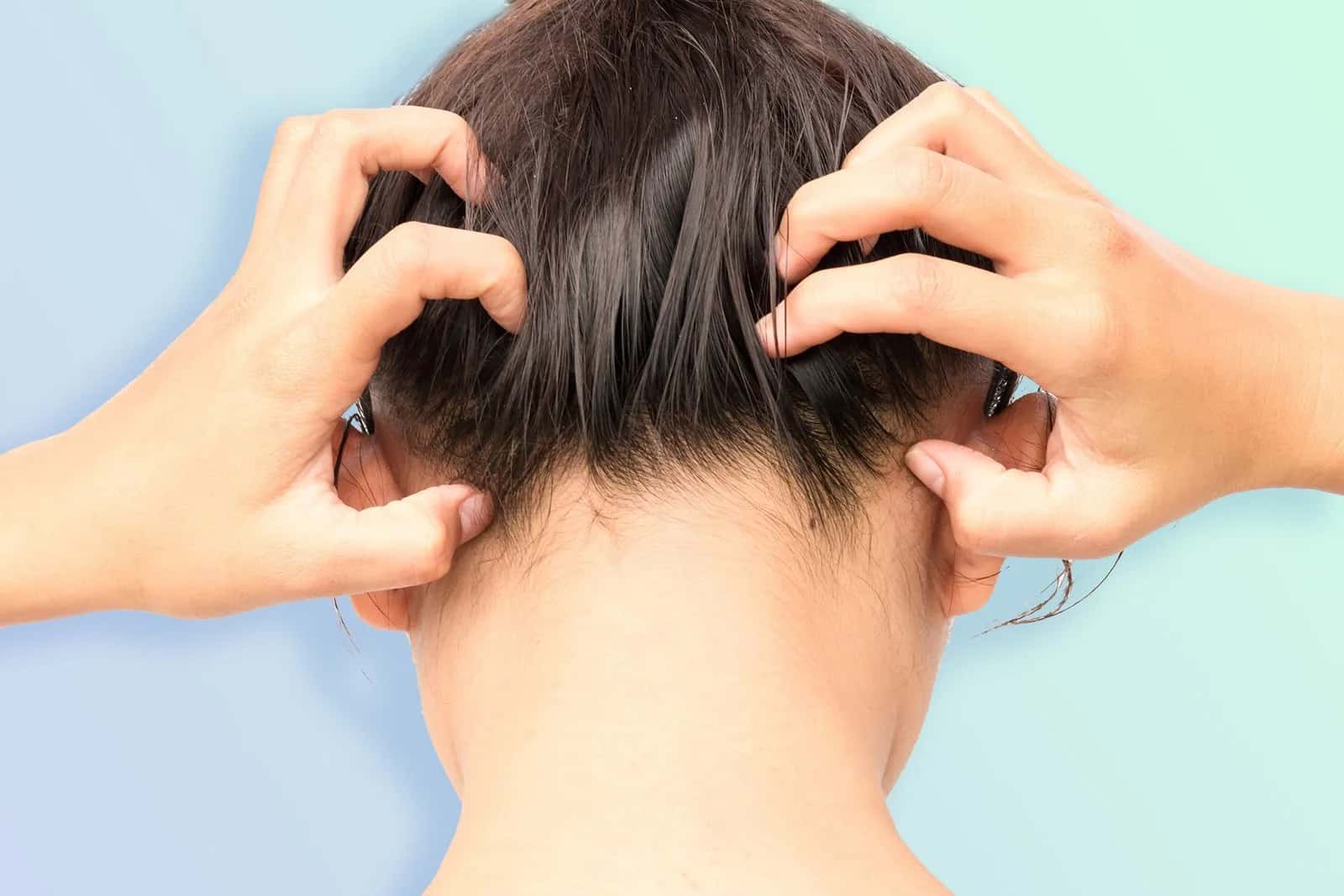
Air conditioning can dry out your scalp by reducing indoor humidity and affecting the skin's ability to maintain adequate moisture. Prolonged exposure to dry, cooled air may contribute to itching, flaking, tightness, and irritation, particularly when the scalp is already sensitive or prone to dryness.
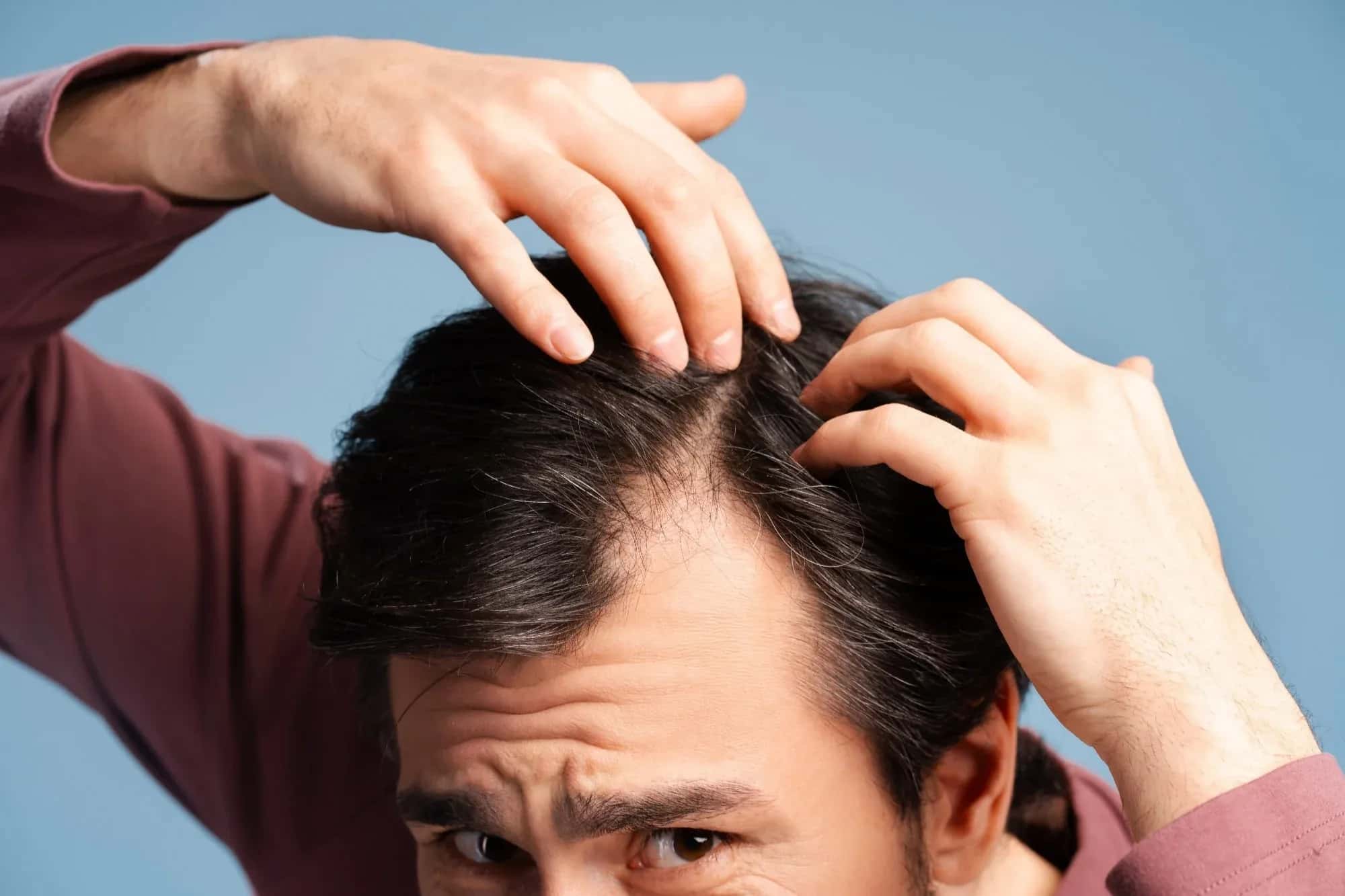
Certain dietary supplements can cause hair loss when taken in excessive amounts, particularly products containing high doses of vitamin A, selenium, or other concentrated nutrients. While supplements can help correct nutritional deficiencies that affect hair growth.
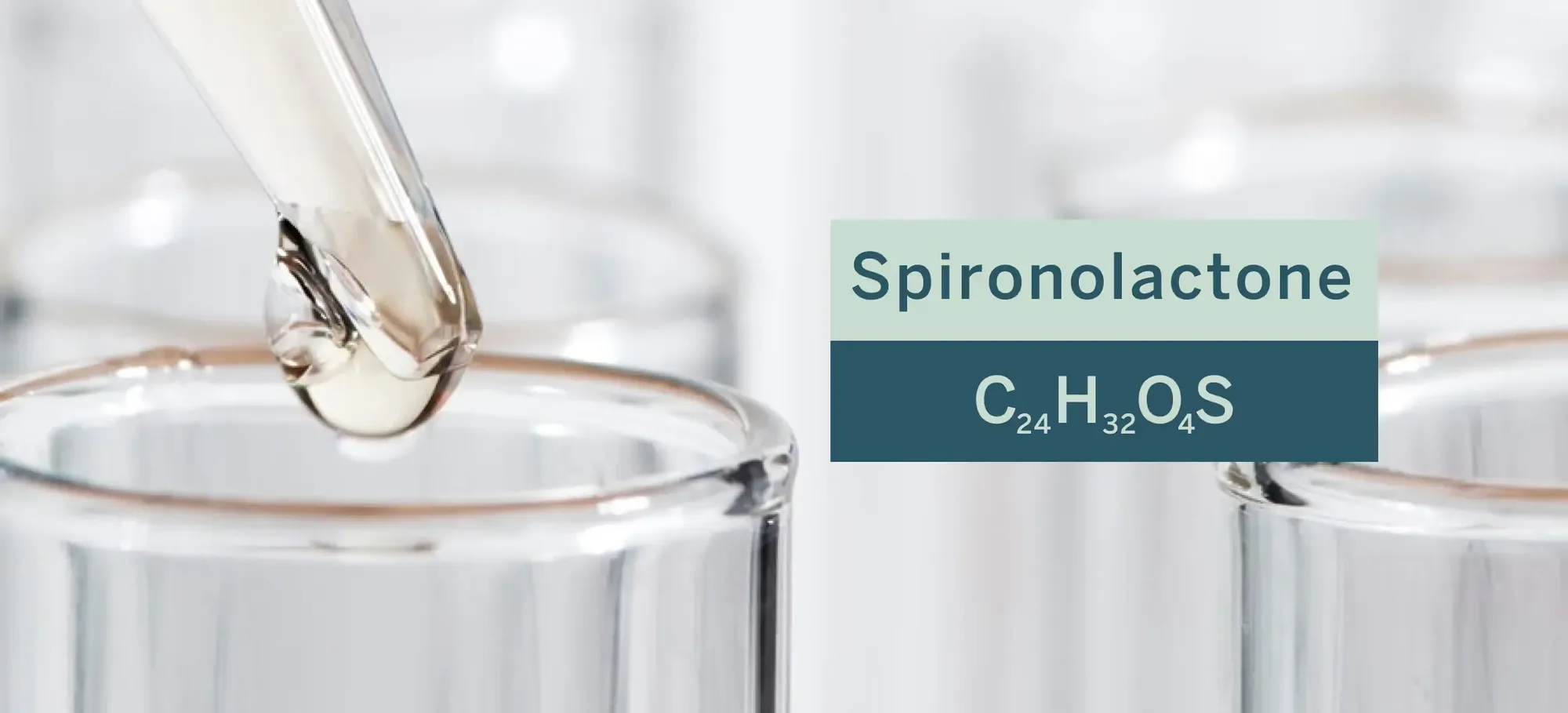
Spironolactone for female hair loss can help slow progressive thinning and improve hair density by reducing the effects of androgens on sensitive hair follicles. Although this prescription medication is not specifically approved for hair loss, clinical research supports its use in selected women.
Subscribe to the Medifinder newsletter and never miss our latest content.