










Maximum Grafts in One Hair Transplant Session
This guide explains how many grafts can be transplanted in one hair transplant session, what limits graft numbers, and why donor preservation matters more than reaching the highest possible count.

- Last updated
- 60 reads
- 10 min read
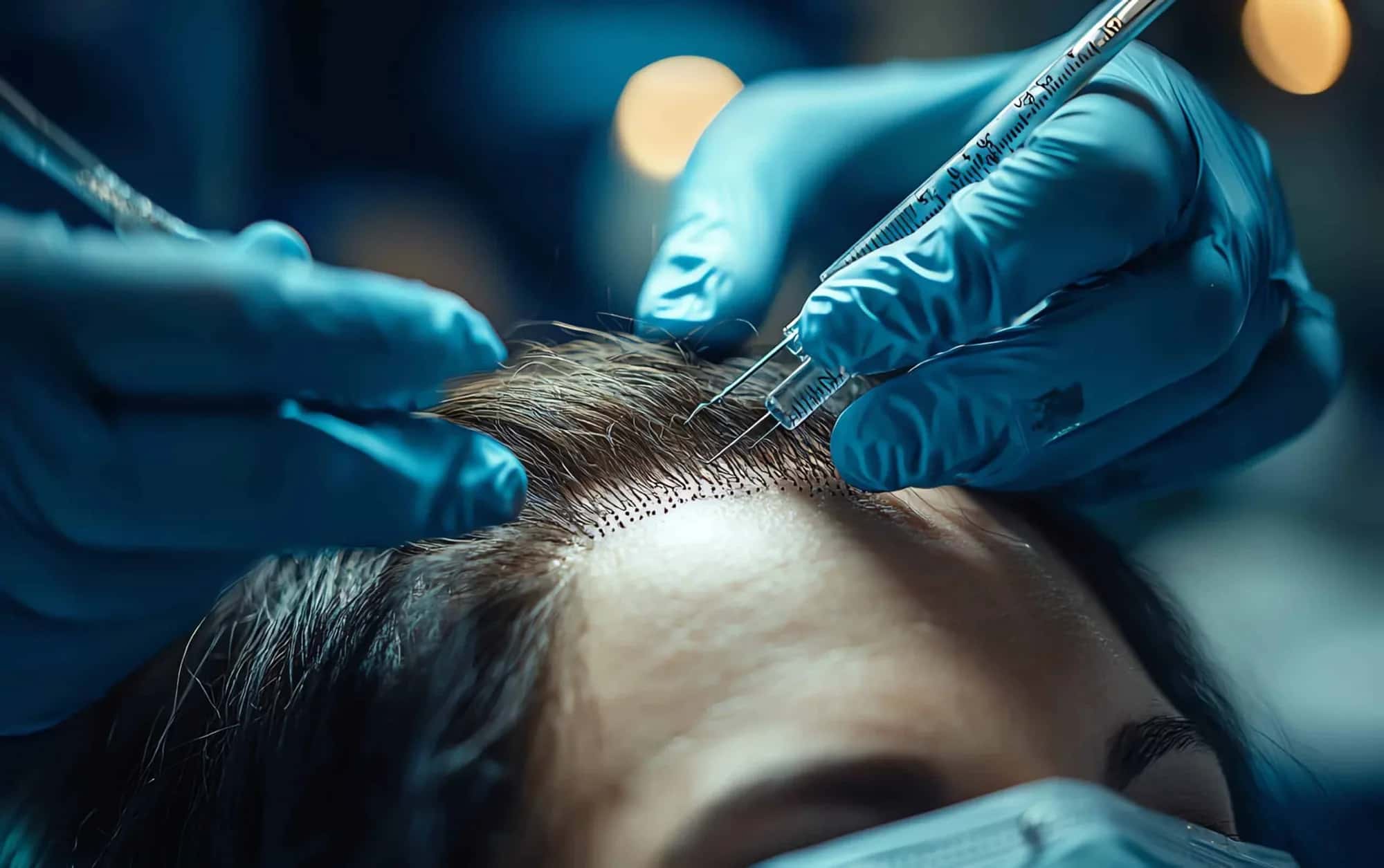


What Is the Maximum Number of Grafts in One Hair Transplant Session?
There is no universal maximum graft number for one hair transplant session because safe harvesting depends primarily on the available donor supply and remaining donor density. Around 2,500 to 3,000 scalp grafts represents a commonly referenced upper range for routine single-session harvesting without creating obvious donor depletion.
Larger sessions above 3,500 or 4,000 grafts are possible in selected donor areas, but the technical and aesthetic demands increase considerably.
The correct maximum therefore comes from measuring what the donor can safely lose, not from choosing an impressive graft number before examining the scalp.
Is 3,000 Grafts a Large Hair Transplant Session?
A 3,000-graft hair transplant qualifies as a substantial session because it can cover a meaningful recipient area while placing significant demands on the donor region. Large-session terminology differs, but procedures around this size already require careful extraction distribution and recipient planning.
Three thousand grafts can contain considerably more than 3,000 individual hairs because many follicular units naturally contain two, three, or occasionally more hairs. This distinction affects visual coverage.
The procedure should therefore focus on follicular quality and placement rather than graft number alone. A well-distributed 3,000-graft transplant can create greater cosmetic impact than a larger poorly allocated session.
Can 4,000 Grafts Be Transplanted in One Session?
A 4,000-graft hair transplant can be performed in one session when donor capacity, scalp characteristics, procedure planning, and recipient needs support a session of that size. However, 4,000 grafts already falls into a high-volume range where donor preservation becomes especially important.
Extracting thousands of follicular units reduces donor density permanently because removed follicles do not regenerate in their original locations. The remaining hair must therefore continue providing adequate visual coverage.
A patient with a broad, dense donor zone can tolerate more harvesting than someone with limited density. The target should remain sustainable coverage rather than reaching exactly 4,000 grafts.
Is a 5,000-Graft Hair Transplant Possible?
A 5,000-graft hair transplant is technically possible in selected circumstances, but harvesting that number from the scalp alone can create significant donor-management challenges. Combination approaches can sometimes increase the available graft total by using different harvesting techniques or additional donor sources.
A large number should never automatically become the treatment goal. Advanced hair loss often creates a large recipient area, yet spreading 5,000 grafts too widely can still produce disappointing density.
The critical question is whether enough donor hair remains afterward. A one-session result loses value when aggressive harvesting leaves visible thinning across the back and sides.
What Determines How Many Grafts Can Be Taken in One Session?
The maximum graft count depends on donor density, donor area size, hair characteristics, scalp anatomy, future hair-loss risk, recipient requirements, and the harvesting technique. These factors determine how much hair can leave the donor while preserving acceptable coverage.
Important considerations include:
-
Follicular units per square centimeter
-
Number of hairs within each graft
-
Hair shaft thickness
-
Size of the safe donor zone
-
Existing donor miniaturization
-
Hair and scalp color contrast
-
Planned extraction distribution
-
Expected future transplantation needs
A high graft target becomes inappropriate when these factors indicate limited reserve. Safe planning starts with donor capacity and works forward.
How Does Donor Density Affect the Maximum Graft Count?
Donor density directly affects the maximum graft count because a denser donor area contains more follicular units that can potentially be removed while maintaining adequate coverage. Lower-density donor areas reach visible thinning sooner when surgeons extract the same number of grafts.
Density should also be considered together with hair caliber and follicular unit composition. Thick hair containing many multi-hair grafts can provide strong visual coverage even when follicular density is not exceptionally high.
The available surface area matters as well. A broad stable donor region can distribute extraction more effectively than a narrow zone, reducing the concentration of visible thinning after FUE.
How Much of the Donor Area Can Safely Be Harvested?
Only a limited proportion of the donor area can be harvested safely because every FUE extraction permanently reduces follicular density at that location. The correct percentage depends on starting density, hair caliber, donor size, contrast, and hairstyle preferences.
Research on FUE donor planning shows that aggressive extraction can push residual density low enough to create a thin or mottled appearance.
Extraction should therefore spread across the stable donor region rather than concentrate within one convenient zone. Preserving uniform remaining density usually produces a better long-term appearance than maximizing the number removed from each square centimeter.
What Happens When Too Many Grafts Are Extracted?
Extracting too many grafts can create visible donor thinning, patchy density, increased scalp visibility, and a depleted appearance that becomes particularly obvious with short hairstyles. This condition is commonly described as donor overharvesting.
Once follicles leave the donor through FUE, they do not grow back in those extraction sites. The surrounding hair must conceal the reduction, which becomes increasingly difficult as more units disappear.
High-volume sessions above roughly 3,000 to 4,000 grafts require particular caution when donor density cannot support extensive harvesting.
A fuller recipient area should never come at the expense of permanently damaging the visual quality of the donor region.
Can Overharvesting Permanently Thin the Donor Area?
Overharvesting can permanently thin the donor area because follicles removed through FUE do not regenerate at their original locations. The remaining density determines whether the extraction pattern stays visually acceptable.
Early overharvesting may appear as increased scalp visibility after shaving the donor area. More severe depletion can remain noticeable even when the hair grows longer, especially when extractions concentrate within narrow zones.
Hair caliber and contrast influence how visible this becomes. Coarse hair can hide density reduction more effectively than fine hair, while strong contrast between hair and scalp can reveal gaps sooner.
Preventing donor depletion remains far easier than trying to camouflage it afterward.
Does FUE Limit the Number of Grafts in One Session?
FUE naturally limits graft numbers because each follicular unit must be removed individually while enough surrounding follicles remain to preserve donor density. Increasing the number of extractions therefore progressively reduces coverage across the donor region.
Large FUE sessions are technically possible, but extraction distribution becomes increasingly important as the graft count rises. Procedure duration and operator fatigue can also become relevant during extensive sessions.
FUE provides access to a broad donor surface, yet that access should not be confused with unlimited supply. The most important limit is the density that must remain after harvesting, not how many individual follicles can technically be reached.
Can FUT Provide More Grafts Than FUE in One Session?
FUT can provide a large number of grafts from one donor strip because all suitable follicular units within the removed tissue can be dissected and transplanted. Unlike FUE, the method does not create thousands of separate extraction points throughout the donor region.
However, FUT leaves a linear donor scar and depends on scalp laxity, strip dimensions, donor density, and safe wound closure. It therefore has different limitations rather than having no limit.
For selected patients, FUT can preserve surrounding donor density while producing a substantial graft yield. The trade-off involves the linear scar and a different recovery pattern compared with individual FUE extraction.
Can FUE and FUT Be Combined for a Larger Session?
Combining FUE and FUT can increase the total number of available grafts because each technique accesses donor follicles through a different harvesting strategy. Published surgical examples describe combined sessions approaching approximately 5,000 follicular units in carefully planned circumstances.
FUT can provide grafts from a defined strip while FUE harvests additional units outside that area. This approach can preserve more untouched donor tissue than simply increasing FUE extraction density excessively.
However, a larger available supply does not automatically mean every graft should be used immediately. The recipient area and long-term hair-loss pattern still determine how much transplantation makes sense.
Does the Recipient Area Limit the Number of Grafts?
The recipient area can limit graft numbers because transplanted follicles require adequate spacing, blood supply, and appropriate positioning within the thinning scalp. Packing more grafts into a small region does not indefinitely increase visible density.
The existing native hair also matters. Implanting aggressively between miniaturized hairs can increase tissue trauma and may make postoperative shedding more noticeable.
Large bald areas create a different problem because spreading available grafts too widely produces weak coverage. Treatment planning therefore balances recipient size with achievable density.
The correct number comes from matching donor supply to realistic recipient demand rather than attempting to place every available graft simply because the donor can provide it.
Can Too Many Grafts Reduce Graft Survival?
Placing excessive numbers of grafts can threaten graft survival when overly dense recipient sites increase tissue trauma, compromise available space, or prolong the time grafts remain outside the body. High numbers therefore require efficient extraction, handling, storage, and implantation.
Grafts are living follicular structures, so careful handling matters throughout a long procedure. Simply obtaining a high count does not guarantee that every harvested graft will produce strong hair growth.
Dense placement must also respect scalp blood supply and recipient anatomy. The objective is not maximum mathematical density but the highest practical density that supports healthy healing and natural distribution.
Does Procedure Length Affect Large Hair Transplant Sessions?
Procedure length matters during large hair transplant sessions because thousands of extractions and implantations require prolonged concentration, graft handling, positioning, and patient cooperation. Larger sessions can extend for many hours and increase fatigue for everyone involved.
Extended surgery can also increase the time between extraction and implantation for some grafts unless the workflow carefully controls storage and placement.
Breaking the work into organized extraction and implantation stages can reduce unnecessary delays. High graft counts therefore require more than a large donor area. The surgical workflow must maintain consistent graft quality from the first follicular unit to the last.
How Many Grafts Are Needed for Advanced Hair Loss?
Advanced hair loss may require several thousand grafts because the frontal scalp, mid-scalp, and crown together create a large recipient surface. Some extensive patterns can require 4,000 to 5,000 grafts or more to achieve meaningful coverage.
That number does not always need to enter the scalp during one procedure. Prioritizing the frontal region can create a stronger cosmetic result while preserving grafts for later crown restoration.
Hair caliber and curl also affect how much coverage each transplanted hair creates. Advanced loss therefore requires a long-term distribution strategy rather than simply filling every bald square centimeter at equal density.
Is One Large Session Better Than Two Smaller Sessions?
One large session is not automatically better than two smaller sessions because splitting treatment can protect donor planning, reduce procedural intensity, and allow the first result to guide later graft placement. A single session can still be practical when donor and recipient conditions support the required graft count.
Staged transplantation offers another advantage when hair loss continues. The second procedure can respond to changes that become visible after the first transplant matures.
However, multiple procedures also mean repeated recovery periods. The choice should therefore prioritize long-term donor preservation and coverage rather than assuming fewer surgical days always produce the strongest result.
Why Should Future Hair Loss Affect the First Graft Count?
Future hair loss should influence the first graft count because transplanted hair may remain while surrounding native hair continues thinning over the following years. Using most available donor follicles early can leave insufficient reserve for later areas that become exposed.
A low, dense hairline can consume thousands of grafts before the crown or mid-scalp receives treatment. If progression continues, the remaining donor supply may struggle to maintain balanced coverage.
Long-term planning therefore treats donor follicles as a finite resource. The first transplant should create an appearance that remains manageable even if additional native hair disappears and another procedure becomes necessary.
Can Beard Hair Increase the Number of Available Grafts?
Beard hair can increase the available graft supply in selected advanced hair-loss cases when the scalp donor alone cannot provide enough follicles for the intended coverage. Beard follicles often have a thicker shaft, which can contribute useful visual density.
These grafts generally work better as supplementary hair within selected regions than as the primary source for a soft frontal hairline. Their texture, growth cycle, and appearance can differ from scalp hair.
Published approaches for extensive baldness have combined scalp and body donor sources to reach larger transplantation totals.
Additional donor sources should expand strategic options rather than justify unnecessarily aggressive scalp harvesting.
What Is the Safest Approach to Maximum Graft Planning?
The safest approach to maximum graft planning starts by calculating what the donor can lose while preserving enough density for both appearance and possible future procedures. This principle matters more than reaching 3,000, 4,000, or 5,000 grafts.
Donor density, hair caliber, follicular unit composition, stable donor size, recipient area, and future progression should shape the final number. Large sessions become reasonable only when these factors support them together.
A successful transplant therefore does not use the highest achievable graft count. It uses enough grafts to create meaningful coverage while leaving the donor area visually balanced and capable of supporting long-term hair restoration needs.
- Last updated
- Language
- English
How did you find this article?
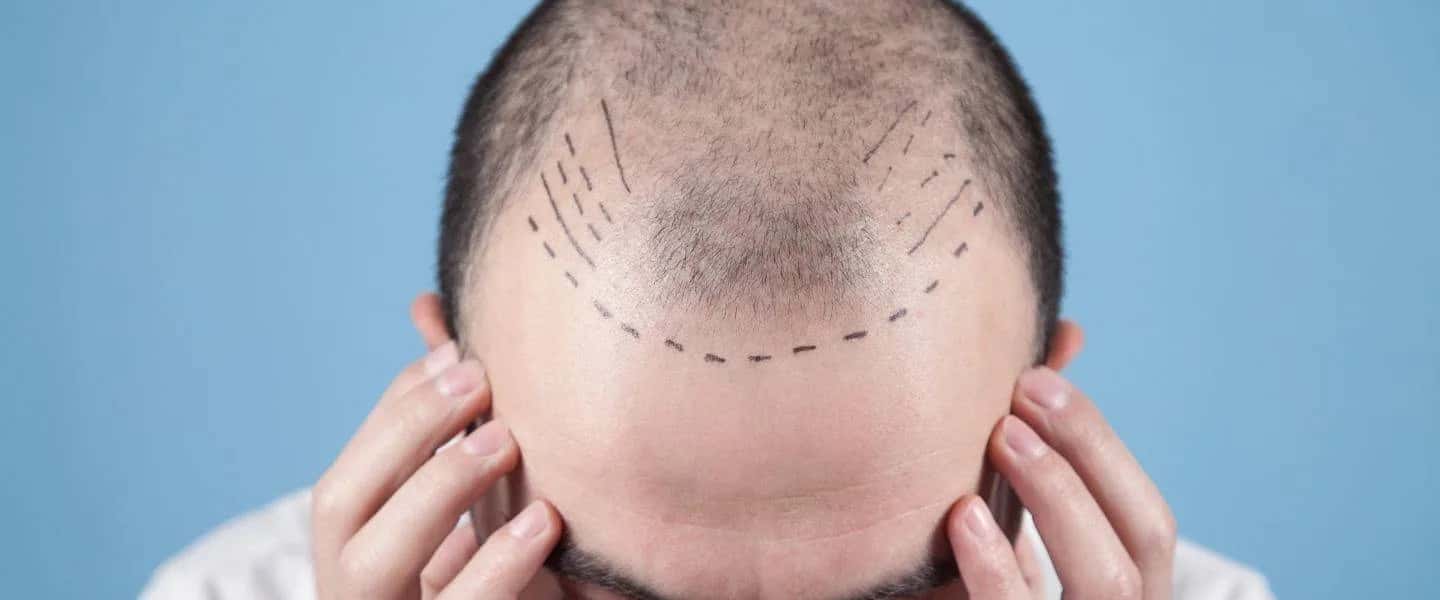
FUE after a previous FUT hair transplant offers an opportunity to improve hair density, address areas of continued hair loss and reduce the visibility of an existing linear scar. Understanding how the earlier procedure affects donor hair availability, graft placement and recovery is essential when planning.
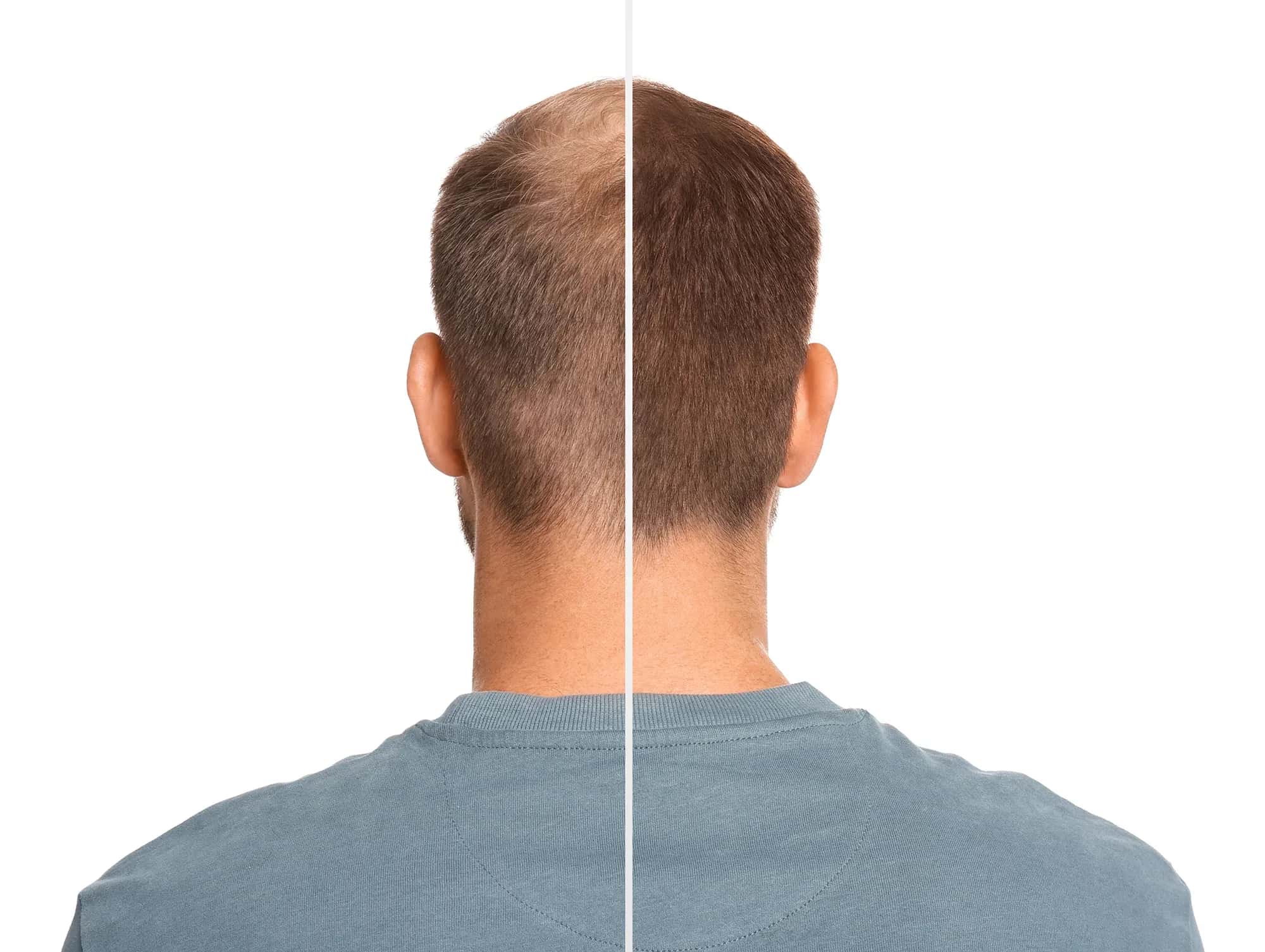
A vertex hair transplant can achieve a high graft survival rate when healthy donor follicles are handled and implanted correctly, but there is no scientifically established success percentage that applies specifically to every crown transplant.

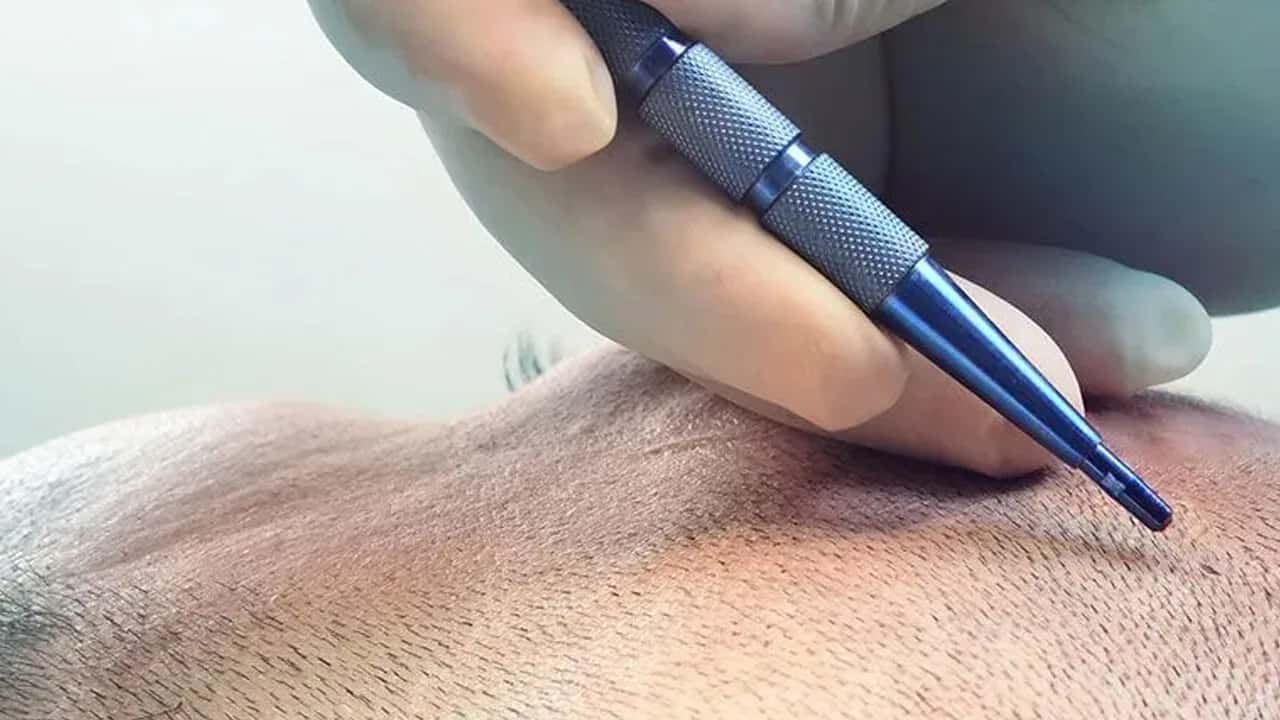
Sapphire FUE technology uses precision-cut synthetic sapphire blades to create the recipient sites where extracted hair follicles are implanted. The sapphire component does not usually extract the follicles; instead, it changes the instrument used during one of the most important stages of transplantation.
Subscribe to the Medifinder newsletter and never miss our latest content.