










Low AMH With Regular Periods: Can You Get Pregnant?
Low AMH with regular periods does not automatically rule out pregnancy. Learn what AMH measures, how ovulation fits in, and which factors matter next.

- Last updated
- 8 reads
- 7 min read



A low AMH result can sound alarming when your periods are still regular. Regular bleeding suggests that ovulation may be occurring, while AMH mainly reflects the number of small follicles visible in the ovaries. These are related parts of reproductive health, but they are not the same measurement. A low result does not automatically mean pregnancy is impossible.
What AMH Tells You
Anti Mullerian hormone is produced by cells around developing follicles. The blood test is commonly used as one piece of information about ovarian reserve, meaning the approximate pool of follicles that may respond during a fertility treatment cycle. AMH does not directly measure egg quality, confirm ovulation, or predict whether a person will conceive naturally in a particular month.
Levels can vary between laboratories and may be influenced by hormonal contraception, recent ovarian surgery, some medical conditions, and the timing of testing. A single number should be interpreted alongside age, cycle history, ultrasound findings, and other hormone results.
Can You Ovulate With Low AMH?
Yes. Regular periods often indicate that the hormonal pattern needed for ovulation is continuing. A person can release an egg each month even when the estimated follicle pool is smaller. The chance of conception in each cycle depends on ovulation, sperm factors, fallopian tube function, the uterine environment, age, and timing of intercourse or treatment.
Low AMH may become more relevant when fewer follicles respond during ovarian stimulation. It does not tell you that no eggs are available today. It describes a reserve estimate, not a direct count of every remaining egg.
Why Regular Periods Matter
Cycle regularity can provide useful information about ovulatory rhythm. Predictable cycles make it easier to identify the fertile window and plan testing. They do not guarantee that every cycle produces a mature egg, but they are generally more reassuring than irregular or absent bleeding.
Period timing can also remain regular in some conditions that affect egg supply. That is why AMH should not be used alone to label fertility as normal or reduced. The full pattern matters more than a single symptom or test.
What Low AMH May Influence
Response to Fertility Medication
During IVF or egg freezing, a lower reserve estimate may be associated with fewer follicles developing after stimulation. Fewer eggs can mean fewer embryos available, but the result of one cycle cannot be predicted from AMH alone.
Time Planning
A low result may encourage a person to discuss reproductive plans sooner, particularly when pregnancy is important and other factors are present. It is information for planning, not a deadline printed on a calendar.
Interpretation of Ovarian Reserve
AMH is best considered with antral follicle count, follicle stimulating hormone, estradiol, age, and prior treatment response. The combination can provide a clearer picture than any one test.
- Low AMH does not prove that ovulation has stopped.
- Regular periods can occur with a lower ovarian reserve.
- AMH says more about quantity than egg quality.
- Pregnancy remains possible while ovulation and other fertility factors are favourable.
Natural Conception With Low AMH
Natural conception can occur with low AMH because only one mature egg is needed for fertilisation in a given cycle. The probability depends on more than the size of the follicle pool. Age, sperm health, tubal openness, endometriosis, uterine conditions, and intercourse timing all contribute.
Use the regular cycle to identify the fertile window. Ovulation predictor tests, cervical mucus changes, and cycle tracking may help, although no home method can confirm every aspect of egg quality or tubal function.
When Additional Evaluation Is Useful
Further assessment is useful when pregnancy has not occurred after a period of trying, when there is a history of ovarian surgery or chemotherapy, or when there are symptoms such as severe pelvic pain or irregular bleeding. An ultrasound can estimate antral follicle count and assess the ovaries and uterus.
Testing a partner’s semen is equally important because sperm factors contribute to a large proportion of fertility difficulties. Tubal evaluation may be considered when the history suggests a possible blockage or when pregnancy has not occurred despite regular ovulation.
Can AMH Improve?
AMH can fluctuate modestly between tests, and different laboratories use different methods. A higher repeat value does not necessarily mean that the ovarian reserve has grown, just as a lower result does not prove a sudden loss. The most useful approach is to interpret the trend with the same laboratory and the same clinical context whenever possible.
Supplements marketed as AMH boosters cannot restore a depleted follicle pool. Healthy habits support general health, but they cannot guarantee a specific hormone value or pregnancy outcome. Avoid expensive promises based on one blood test.
How Age Fits Into the Picture
Age remains one of the strongest factors influencing egg quality and the chance of miscarriage. AMH does not replace age as a predictor. A younger person with low AMH may still have good egg quality, while a higher AMH at an older age does not remove age related changes in chromosome health.
This is why an AMH result should lead to a thoughtful conversation about goals and timing rather than a simple yes or no answer about fertility.
Planning a Fertility Conversation
Bring the exact AMH value, laboratory range, test date, cycle history, medication list, ultrasound reports, and any prior pregnancy or treatment information. Ask how the result fits with ovulation, antral follicle count, age, and the time you wish to spend trying naturally.
- Write down your cycle length and the first day of each period.
- Record ovulation test results and major symptoms.
- Include prior pelvic surgery, chemotherapy, or endometriosis history.
- Discuss both natural conception and treatment options without assuming one path.
Frequently Asked Questions About Low AMH With Regular Periods
Can I get pregnant naturally with low AMH?
Pregnancy can occur because low AMH does not automatically stop ovulation. The likelihood also depends on age, sperm health, the tubes, the uterus, and timing.
Does low AMH mean I am approaching menopause?
AMH is one marker of ovarian reserve and cannot predict the exact timing of menopause. Regular cycles provide additional information, but no single test gives a precise date.
Can regular periods happen without ovulation?
Some bleeding patterns can occur without a typical ovulation, although regular predictable cycles often suggest an ovulatory rhythm. Other tests can confirm whether ovulation is occurring.
Should I repeat a low AMH test?
A repeat test may be useful when the result does not fit the clinical picture or when testing conditions could have affected it. Use the same laboratory when possible and interpret the value with other findings.
When should I seek a fertility evaluation?
Consider evaluation when pregnancy has not occurred after an appropriate period of trying, when there are known risk factors, or when you want a clearer plan based on your age and reproductive goals.
Using the Result Without Losing Perspective
Low AMH with regular periods is not a contradiction. It means the estimated follicle pool may be lower while the cycle remains active. Pregnancy is influenced by the quality and timing of the egg released, sperm, tubes, uterus, age, and many other factors. A complete assessment turns one worrying number into practical information for the next decision.
It is easy to give AMH more power than it deserves because the result arrives as a precise number. Fertility, however, is not a single laboratory value. A low result may influence how many eggs are collected during stimulation, yet natural conception depends on whether an egg is released, reaches the tube, meets healthy sperm, and implants in a receptive uterus.
Regular periods can also help with practical planning. If cycles are predictable, intercourse can be timed around the fertile window, and an ovulation test can provide an additional clue. These steps do not guarantee pregnancy, but they make the information from the cycle more useful.
Nutrition, movement, sleep, and avoiding tobacco support overall reproductive health. They should be viewed as supportive habits, not as a way to reverse a reserve estimate. Be cautious with products that promise to raise AMH quickly or protect fertility without clear evidence.
Emotional support matters when a low result creates fear. Share the report with someone you trust, write down questions before an appointment, and avoid comparing your number with another person’s number. Different laboratories and personal histories make direct comparisons unreliable.
If pregnancy is a current goal, use the result to start a timely, informed discussion rather than to assume that the opportunity has disappeared. If pregnancy is a future goal, the same information can help you think about options without turning one test into a prediction of your entire reproductive future.
That balanced perspective keeps the result useful without allowing it to become a verdict.
- Last updated
- Language
- English
How did you find this article?
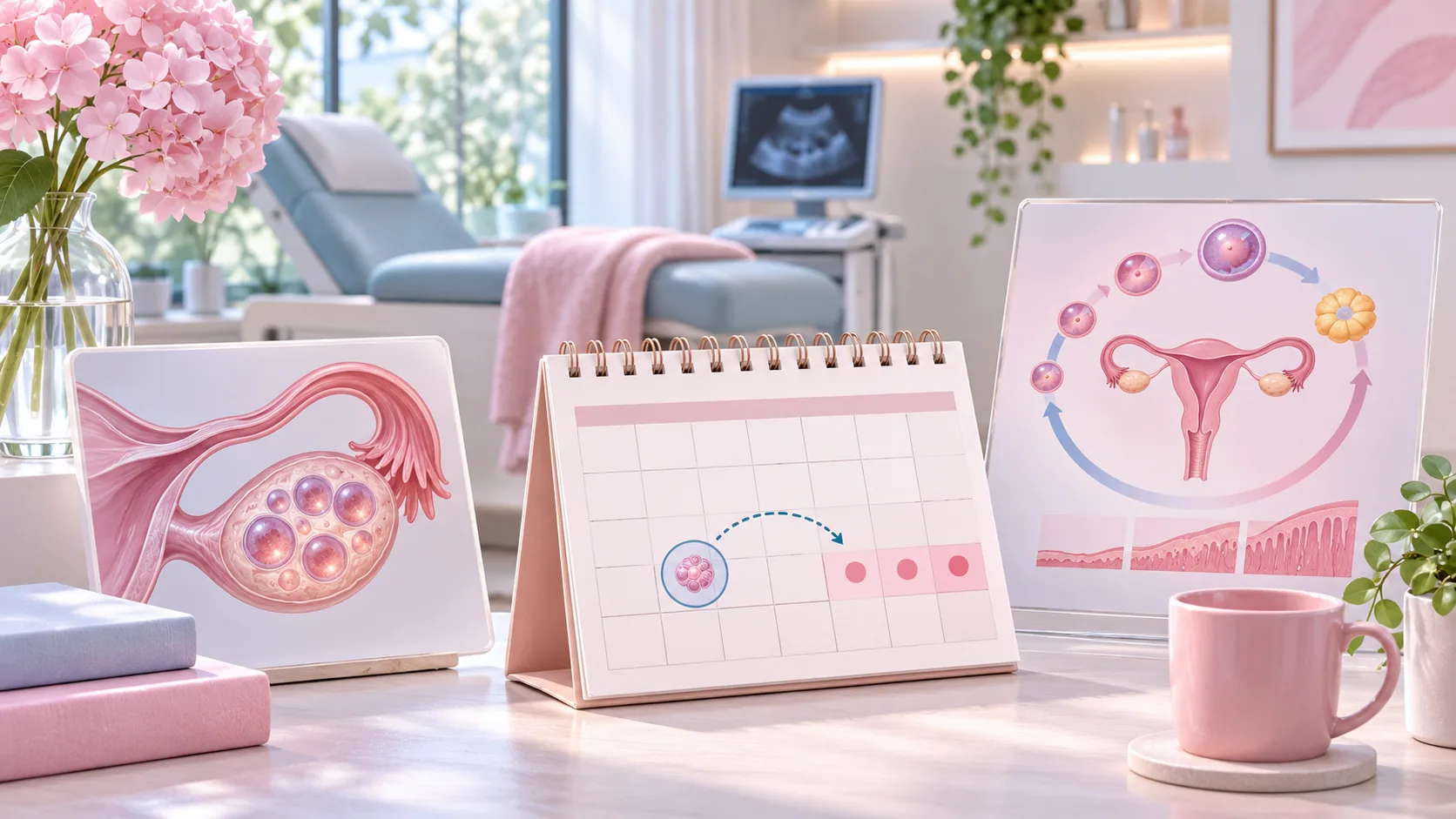
Learn when a period may start after egg retrieval, why timing varies, how progesterone and transfer affect bleeding, and which warning signs need attention.
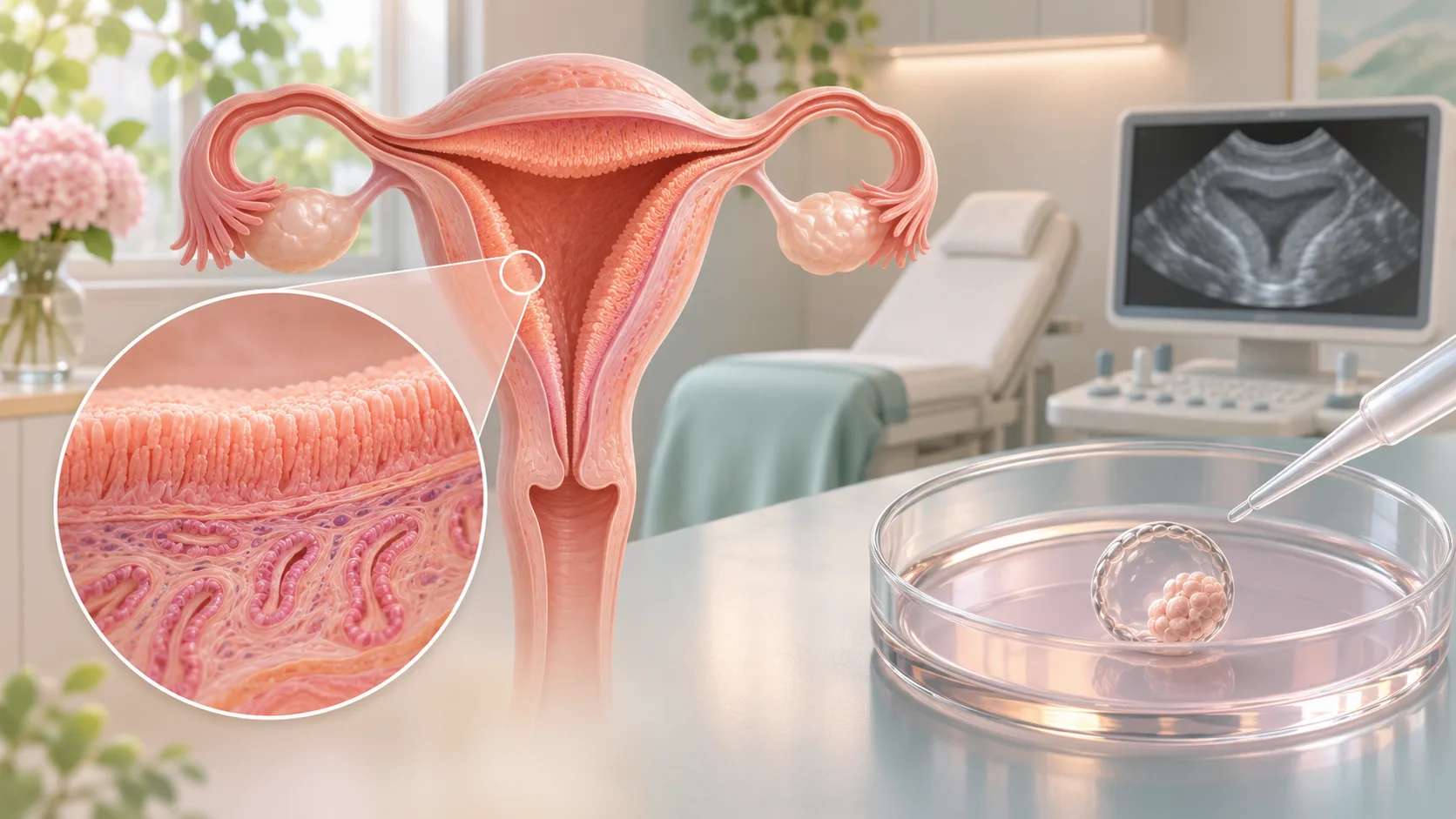
A 6mm endometrial lining for IVF is considered thin in many settings, but implantation also depends on pattern, timing, uterine health and embryo factors.
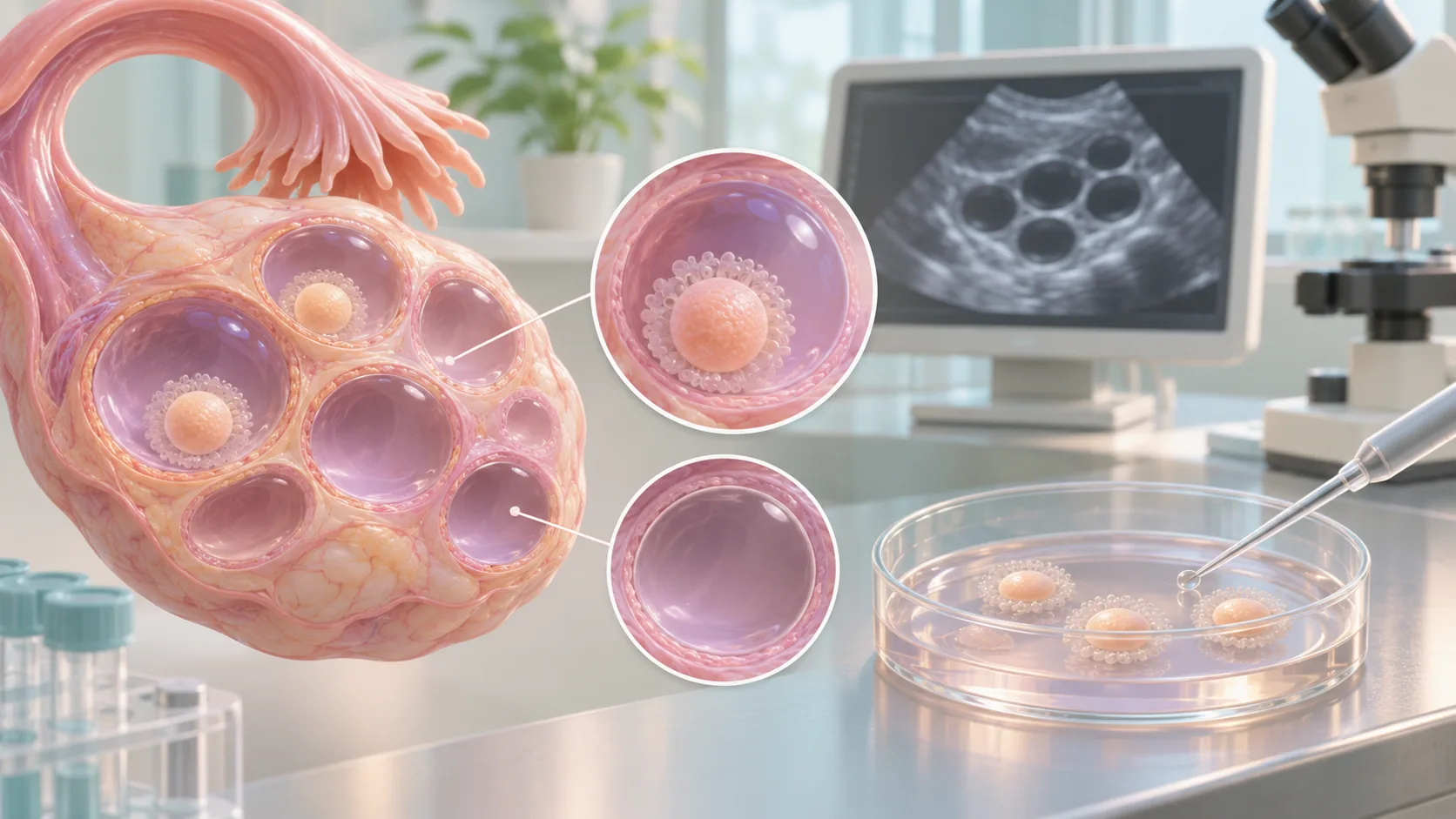
Empty follicles during IVF can relate to trigger timing, follicle maturity, retrieval factors or ovarian biology, and one cycle does not define future results.
Subscribe to the Medifinder newsletter and never miss our latest content.