










Empty Follicles During IVF: Why Does It Happen?
Empty follicles during IVF can relate to trigger timing, follicle maturity, retrieval factors or ovarian biology, and one cycle does not define future results.

- Last updated
- 5 reads
- 6 min read
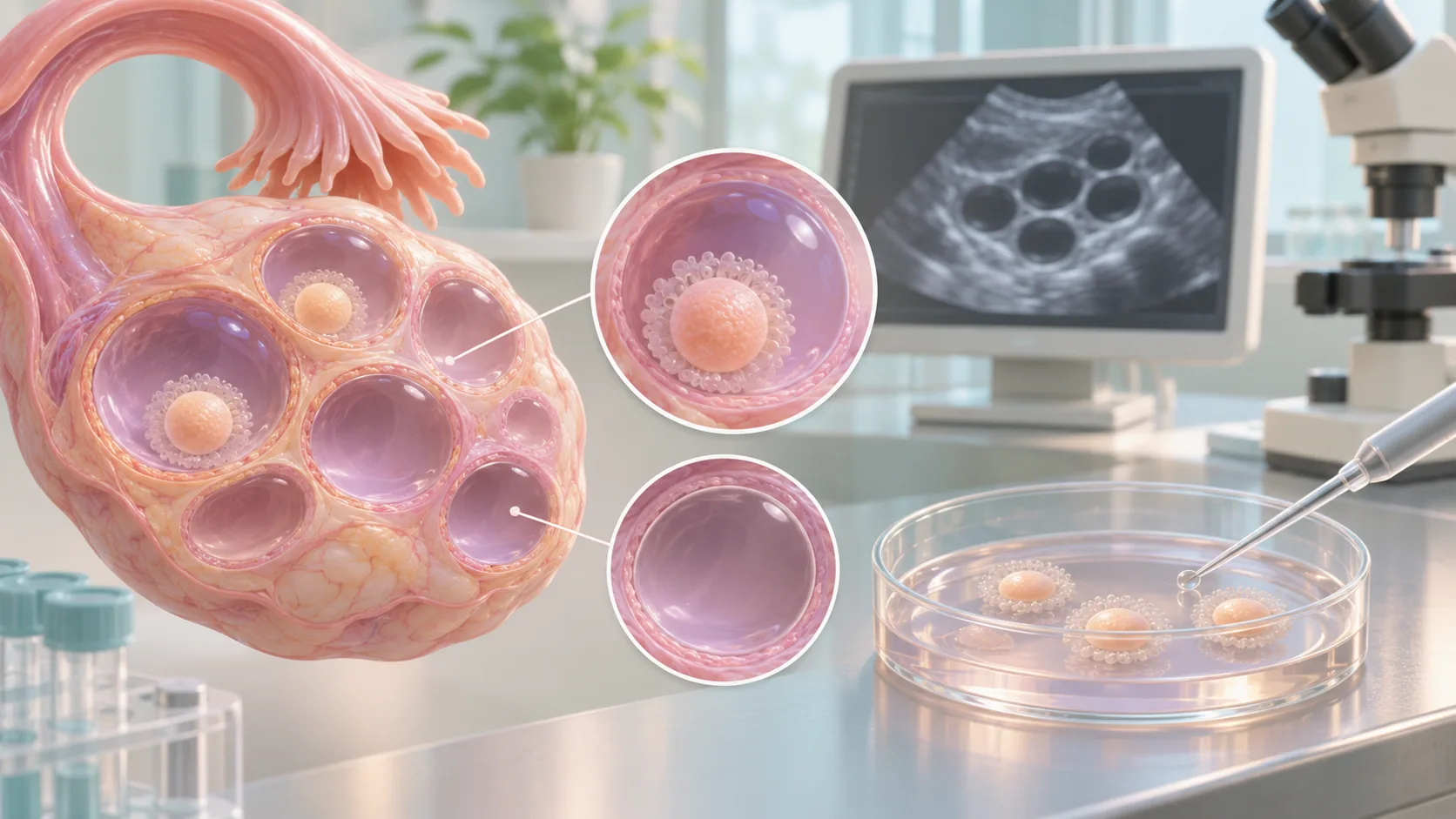


Hearing that no eggs were found during IVF retrieval can be shocking, especially after scans showed several follicles. The phrase empty follicle describes a follicle from which no egg was recovered at aspiration. It does not always mean the ovary produced no eggs or that future treatment cannot work. The finding can result from timing, follicle development, trigger response, retrieval factors or ovarian biology.
What Is an Empty Follicle?
A follicle is a fluid filled structure that may contain a developing egg. During retrieval, a needle drains the follicular fluid and the laboratory searches it for an egg. An empty follicle means no egg was identified in that sample. Sometimes only one follicle is empty while others yield mature eggs. In rarer situations, most or all follicles appear empty.
How Often Can It Happen?
Empty follicles are uncommon, but a single empty follicle is not unusual during a retrieval involving several follicles. The significance depends on whether other eggs were collected, how large the follicles were, the hormone results and whether the same pattern occurs again. One disappointing retrieval does not establish a permanent problem.
- A follicle can look mature on ultrasound without containing a recoverable egg.
- One empty follicle is different from a cycle with no eggs at all.
- Trigger timing and response are central to final maturation.
- The laboratory report helps distinguish a retrieval issue from ovarian response.
Why Do Empty Follicles Happen During IVF?
Trigger Timing or Incomplete Trigger Response
The final maturation trigger prepares the eggs for retrieval and helps loosen them from the follicle wall. If the trigger is given at the wrong time, absorbed incompletely or not followed by the expected hormone response, eggs may remain immature or attached. Blood testing after the trigger can sometimes confirm whether the body responded as intended.
Follicles That Were Not Truly Mature
Follicle size on ultrasound is useful but not a direct view of egg maturity. Some follicles grow with fluid but contain an immature egg or a follicle that is not ready for retrieval. A group of follicles may also mature unevenly, leaving smaller structures less likely to produce an egg.
Eggs That Are Too Small to Identify
Very immature eggs may be difficult to recognize in the follicular fluid. The laboratory can search carefully, wash the sample and examine it under magnification, but a tiny or fragile egg may not be recovered. Immaturity is different from true absence, and the embryology notes can clarify what was observed.
Technical Retrieval Factors
Needle position, follicle collapse, fluid flow, blood in the sample and access to the ovary can affect recovery. If a follicle is difficult to reach or drains poorly, the sample may not contain the expected egg even when one was present. The retrieval team records these details because they help explain an unexpected result.
Ovarian Reserve and Follicle Biology
Lower ovarian reserve can reduce the chance that every visible follicle contains a mature egg. Previous ovarian surgery, endometriosis, age and certain medical conditions may influence the relationship between follicle appearance and egg yield. The pattern is interpreted across the whole cycle rather than from one ultrasound image.
What Is Empty Follicle Syndrome?
Empty follicle syndrome refers to a retrieval in which no eggs are found despite apparently mature follicles. It can be described as genuine when the trigger and procedure were appropriate, or false when a medication, timing or technical issue explains the result. The distinction matters because the next step may involve adjusting the trigger, checking hormone response or changing retrieval planning.
Can a Follicle Be Empty on Ultrasound but Yield an Egg Later?
Sometimes the first aspirate from a follicle contains no visible egg, but repeated flushing or examination of additional fluid reveals one. Follicles may collapse unevenly, and an egg can remain within the structure or become visible after the sample is processed. The embryology laboratory may continue checking the collected fluid before reporting the final number.
How Does the Trigger Shot Matter?
The trigger starts the final maturation process and sets the retrieval clock. The type, dose, injection technique and timing all influence the response. If the medication was missed, stored incorrectly, injected late or not fully absorbed, the expected hormone rise may not occur. A blood test can help confirm exposure, although the result must be interpreted with the exact timing of the sample.
What Happens After an Empty Retrieval?
The team reviews the stimulation record, follicle measurements, hormone results, trigger details, retrieval notes and embryology report. If some eggs were found, their maturity and fertilization outcome add useful context. If none were found, the review focuses on whether the ovaries responded, whether the trigger worked and whether access or timing affected collection.
- Ask for the number of follicles seen and the number aspirated.
- Review trigger timing, dose and any post trigger blood result.
- Note whether follicles were large, mixed in size or difficult to access.
- Keep the embryology report for comparison with future cycles.
Can the Next IVF Cycle Be Different?
A future cycle may use a different trigger strategy, altered timing, closer hormone monitoring or a modified stimulation plan. The aim is to address the most plausible explanation rather than simply increasing medication. If a technical issue was suspected, the retrieval approach may be reviewed. If reserve or maturity was the main concern, expectations and timing may change.
Does an Empty Follicle Mean Poor Egg Quality?
Not necessarily. Empty follicle describes recovery, not chromosome status or the quality of an egg that was never retrieved. When eggs are collected, maturity, fertilization and embryo development provide separate information. One empty follicle cannot predict the quality of eggs in other follicles or in a later cycle.
Can Empty Follicles Be Prevented?
No method can guarantee that every follicle will yield an egg. Careful monitoring, accurate trigger timing, reliable medication storage and clear injection instructions reduce avoidable problems. Reporting vomiting, a missed dose or uncertainty about the injection promptly can also help the treatment team respond before retrieval.
When Is Further Evaluation Important?
Further review is especially useful when most follicles were empty, when the trigger response was low or when the same outcome repeats. Persistent absence of eggs may prompt a broader assessment of ovarian reserve, medication absorption, stimulation design and retrieval technique. The purpose is to understand the pattern and make the next cycle more intentional.
Frequently Asked Questions About Empty Follicles During IVF
Does one empty follicle mean the IVF cycle failed?
One empty follicle does not mean the entire cycle failed. Other follicles may yield eggs, and the final result depends on fertilization and embryo development.
Can an empty follicle contain an immature egg?
It can. An immature egg may be difficult to identify or may not be recovered during the first aspiration. Laboratory processing can sometimes reveal an egg later.
Does empty follicle syndrome happen because of low AMH?
Low ovarian reserve may reduce the number of follicles likely to contain mature eggs, but it does not explain every empty retrieval. Trigger response and retrieval factors also matter.
Should the trigger shot be changed after empty follicles?
A change may be considered when the hormone response, timing or medication delivery raises concern. The retrieval record and blood results guide that decision.
Can IVF work after an empty follicle cycle?
Yes, a later cycle can produce eggs when the underlying issue is identified and the plan is adjusted. One outcome does not define future ovarian response.
Why Follicle Count and Egg Count Differ
Ultrasound counts follicles by their fluid filled appearance, while the laboratory counts eggs recovered from aspirated fluid. These are related but not identical measurements. A follicle can be too small, contain an immature egg, collapse before aspiration or be difficult to access. It is normal for the two numbers to differ, and the gap is interpreted in relation to follicle size, hormone levels and retrieval details.
Understanding this difference can make the report easier to read. The aim is not to collect an egg from every circle seen on the scan, but to retrieve mature eggs that can be fertilized and developed further.
Reading the Retrieval Report Carefully
Empty follicles during IVF are best understood through the complete cycle record. Follicle size, trigger response, retrieval access, laboratory processing and the number and maturity of recovered eggs all contribute to the explanation. A single empty follicle may be a routine variation, while a cycle with no eggs deserves a detailed review. Clear documentation turns a confusing result into information that can guide the next decision.
- Last updated
- Language
- English
How did you find this article?

Low AMH with regular periods does not automatically rule out pregnancy. Learn what AMH measures, how ovulation fits in, and which factors matter next.

Learn when a period may start after egg retrieval, why timing varies, how progesterone and transfer affect bleeding, and which warning signs need attention.
A 6mm endometrial lining for IVF is considered thin in many settings, but implantation also depends on pattern, timing, uterine health and embryo factors.
Subscribe to the Medifinder newsletter and never miss our latest content.