










How Long After Egg Retrieval Does Your Period Start?
Learn when a period may start after egg retrieval, why timing varies, how progesterone and transfer affect bleeding, and which warning signs need attention.

- Last updated
- 5 reads
- 7 min read
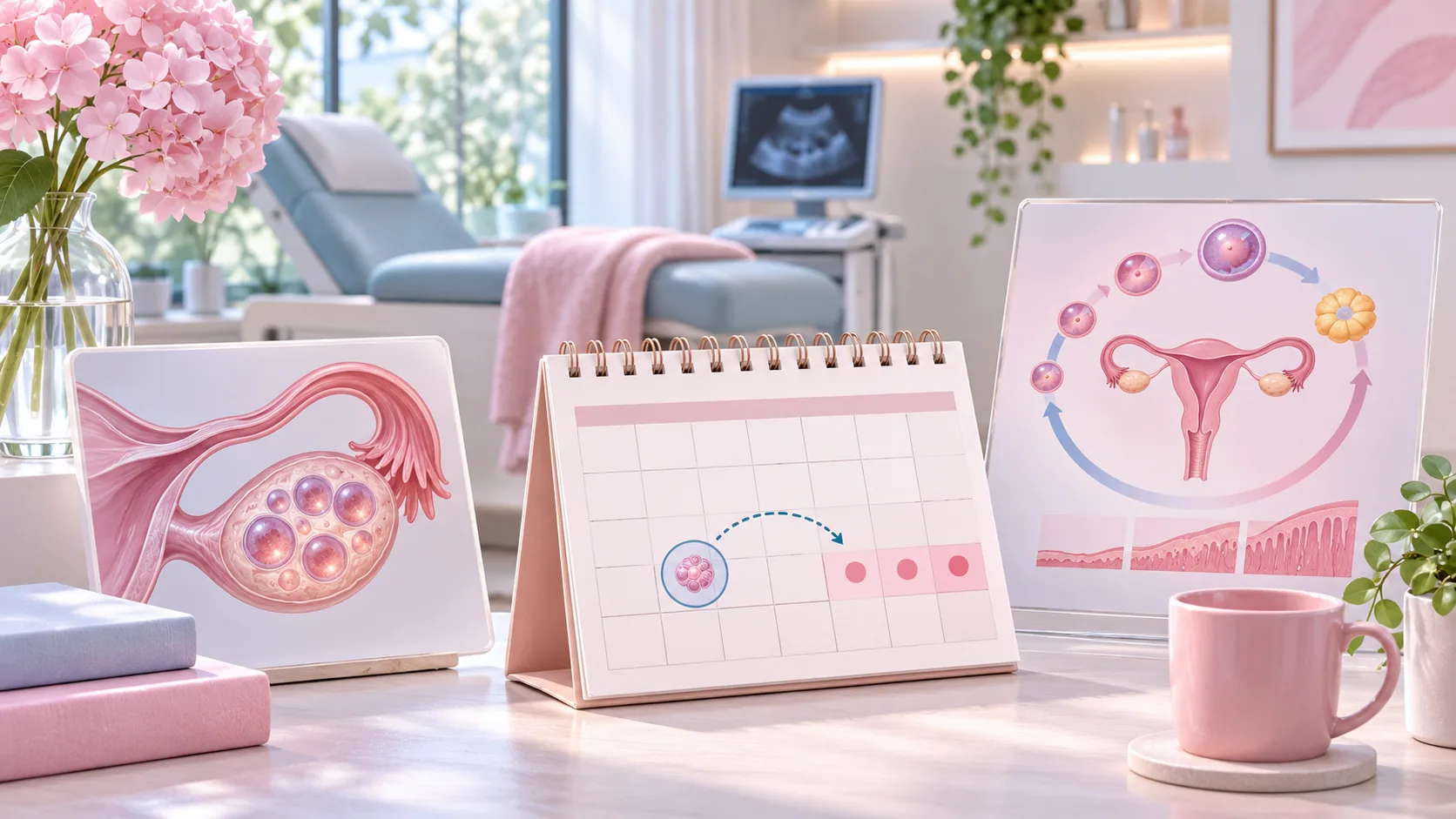


Waiting for a period after egg retrieval can feel confusing, especially when medication has changed the usual rhythm of the cycle. The first bleed may arrive earlier, later, heavier, or more crampy than expected. Timing is influenced by the trigger injection, progesterone exposure, ovarian response, and whether a fresh transfer is planned.
What Happens to the Cycle During Egg Retrieval?
During stimulation, several follicles grow at the same time instead of one dominant follicle following the usual monthly pattern. Medication controls the timing of final maturation and the retrieval procedure. After the eggs are collected, hormone levels begin to shift as the stimulated follicles settle.
The body does not always restart the cycle on the exact day it would have without treatment. For many people, the next period begins within a familiar range, while others need a few extra days for hormone levels to fall.
How Long After Egg Retrieval Does a Period Usually Start?
Many people get their period about one to two weeks after egg retrieval when no pregnancy occurs and luteal support is not extending the cycle. Some bleeding starts sooner, while others wait a little longer. The date of retrieval is a useful reference point, but the trigger injection and any progesterone medication also matter.
If a fresh embryo transfer is planned, progesterone may keep the uterine lining supported and delay bleeding. If an embryo implants, there may be no true period at all. A home pregnancy test or the scheduled blood test is more informative than bleeding alone.
Why Can the First Period Come Early?
Early bleeding may occur when hormone levels decline quickly after retrieval or when the lining was not strongly supported. It can also reflect irritation from the procedure, although light spotting is different from a full menstrual flow. A period-like bleed does not always confirm that implantation did not occur, particularly after a transfer or while using progesterone.
Track the amount, colour, cramps, and duration. Light pink or brown spotting can have several explanations. Bright red flow that becomes progressively heavier is more consistent with menstruation, yet the pregnancy testing plan should still be followed.
Why Might the Period Be Delayed?
Progesterone Support
Progesterone can keep the lining stable and postpone bleeding. Some people do not bleed until the medication is stopped, while others experience spotting despite support. Do not discontinue prescribed progesterone simply because a period has not started.
Ovarian Hormone Fluctuations
After stimulation, estrogen and progesterone can remain elevated or fall unevenly. The body may need time to return to its ordinary cycle pattern. This is especially noticeable after a high follicle count or a cycle that produced a strong hormonal response.
Pregnancy
If an embryo was transferred, delayed bleeding can be an early sign of pregnancy, but it is not proof. Implantation spotting can be mistaken for a period, and some pregnancies have no spotting at all.
Stress and Recovery
Emotional stress, changes in sleep, travel, reduced activity, and altered eating patterns can affect timing. These factors may add a few days to a cycle that is already being influenced by fertility medication.
- Retrieval date is the starting point for tracking, not a guaranteed period date.
- Progesterone can delay bleeding or cause intermittent spotting.
- A pregnancy test is needed when transfer has occurred.
- Heavy bleeding or severe pain is not something to monitor alone.
What Does the First Period After Retrieval Feel Like?
The first period may be heavier or more uncomfortable than usual because the ovaries and lining have been exposed to higher hormone levels. Bloating, pelvic pressure, fatigue, and breast tenderness can overlap with medication effects or early pregnancy symptoms.
Some people experience a short, light bleed, while others notice several days of stronger flow. A different pattern does not automatically indicate a complication, but symptoms that intensify rather than ease deserve attention.
When Should You Contact the Fertility Team?
Contact the care team for bleeding that soaks pads rapidly, severe or one-sided pelvic pain, faintness, shortness of breath, fever, persistent vomiting, or a rapidly enlarging abdomen. These symptoms can signal complications such as significant ovarian enlargement, bleeding, infection, or ovarian hyperstimulation.
Prompt advice is also appropriate when there is no period after the expected testing plan, when a pregnancy test is positive with pain or bleeding, or when spotting continues for many days. Keep a record of medication doses and the timing of every symptom.
- Rapidly soaking a pad or passing very large clots.
- Severe pain that does not improve with approved medication.
- Dizziness, fainting, chest discomfort, or breathing difficulty.
- Fever, foul discharge, or worsening abdominal swelling.
How to Track the Cycle After Retrieval
Write down the retrieval date, trigger date, progesterone use, spotting, full-flow day, cramps, and pregnancy test results. Define day one as the first day of a true menstrual flow rather than a few streaks of brown discharge. This makes the next cycle easier to interpret.
Use the same method each day when checking symptoms. Hormone medication can make breast tenderness, bloating, and mood changes less specific, so a written timeline is more reliable than trying to interpret one symptom in isolation.
Can a Delayed Period Affect the Next Treatment Cycle?
A delayed period may shift the start of the next cycle, especially if the ovaries are still enlarged or the lining has not reset. Follow-up imaging and hormone testing can show whether the ovaries have recovered and whether the next treatment can begin safely.
Do not take hormones or period-inducing medication without clear instructions. The correct timing depends on the treatment plan, current symptoms, pregnancy status, and the appearance of the ovaries and uterine lining.
Frequently Asked Questions About Periods After Egg Retrieval
How many days after egg retrieval does a period start?
Many people bleed within one to two weeks when there is no pregnancy and progesterone is not prolonging the cycle. A few days of variation can occur because hormone levels do not fall at the same speed for everyone.
Can I have a period and still be pregnant?
True menstruation does not occur during an ongoing pregnancy, but early pregnancy bleeding can resemble a light period. Testing is the only dependable way to clarify the situation after transfer.
Does progesterone delay my period after egg retrieval?
Yes, progesterone can keep the lining supported and postpone a normal bleed. Continue it according to the prescribed plan until the testing or review instructions are complete.
Is a heavier first period after retrieval normal?
A heavier or more crampy bleed can happen after stimulation, but rapidly increasing flow, severe pain, faintness, or shortness of breath requires prompt medical advice.
What if my period has not started when expected?
Follow the pregnancy testing schedule and contact the fertility team if the delay continues, especially if you have pain, bleeding, significant bloating, or ongoing medication questions.
Reading the Timing Without Guesswork
The period after egg retrieval is shaped by several moving parts rather than a single countdown. The trigger, ovarian response, progesterone, embryo transfer, and pregnancy status all influence when bleeding appears. A calm record of dates and symptoms helps separate expected variation from warning signs and makes the next conversation with the care team more useful.
It is also useful to distinguish spotting from a full period. A small amount of blood on toilet paper or a liner may come from cervical sensitivity, medication changes, or implantation. A full flow usually continues beyond a few hours and requires menstrual protection. The distinction is not perfect, so record what happens and keep the planned test date rather than making an early assumption.
Pelvic sensations can remain noticeable after retrieval because the ovaries are temporarily larger and the puncture sites need to heal. Gentle movement, hydration, comfortable clothing, and rest may ease pressure. Avoid strenuous exercise until the care instructions allow it, particularly if bloating or tenderness remains.
Cycle timing can also feel different after a freeze-all cycle than after a fresh transfer. In a freeze-all plan, the body may be allowed to complete its own hormonal reset before preparation for a later transfer. In a fresh transfer, medications may continue until the pregnancy result is known. These two paths naturally create different bleeding patterns.
Do not use the first bleed as a measure of egg quality or treatment success. It reflects the interaction between the stimulated ovaries, the uterine lining, and the medication schedule. The results of fertilisation, embryo development, and pregnancy testing provide the information that matters for the treatment plan.
When uncertainty feels overwhelming, use one clear question at a time: when to test, which medicines to continue, and which symptoms require a call. A simple plan reduces the urge to interpret every cramp or spot as a definite sign.
- Last updated
- Language
- English
How did you find this article?

Low AMH with regular periods does not automatically rule out pregnancy. Learn what AMH measures, how ovulation fits in, and which factors matter next.
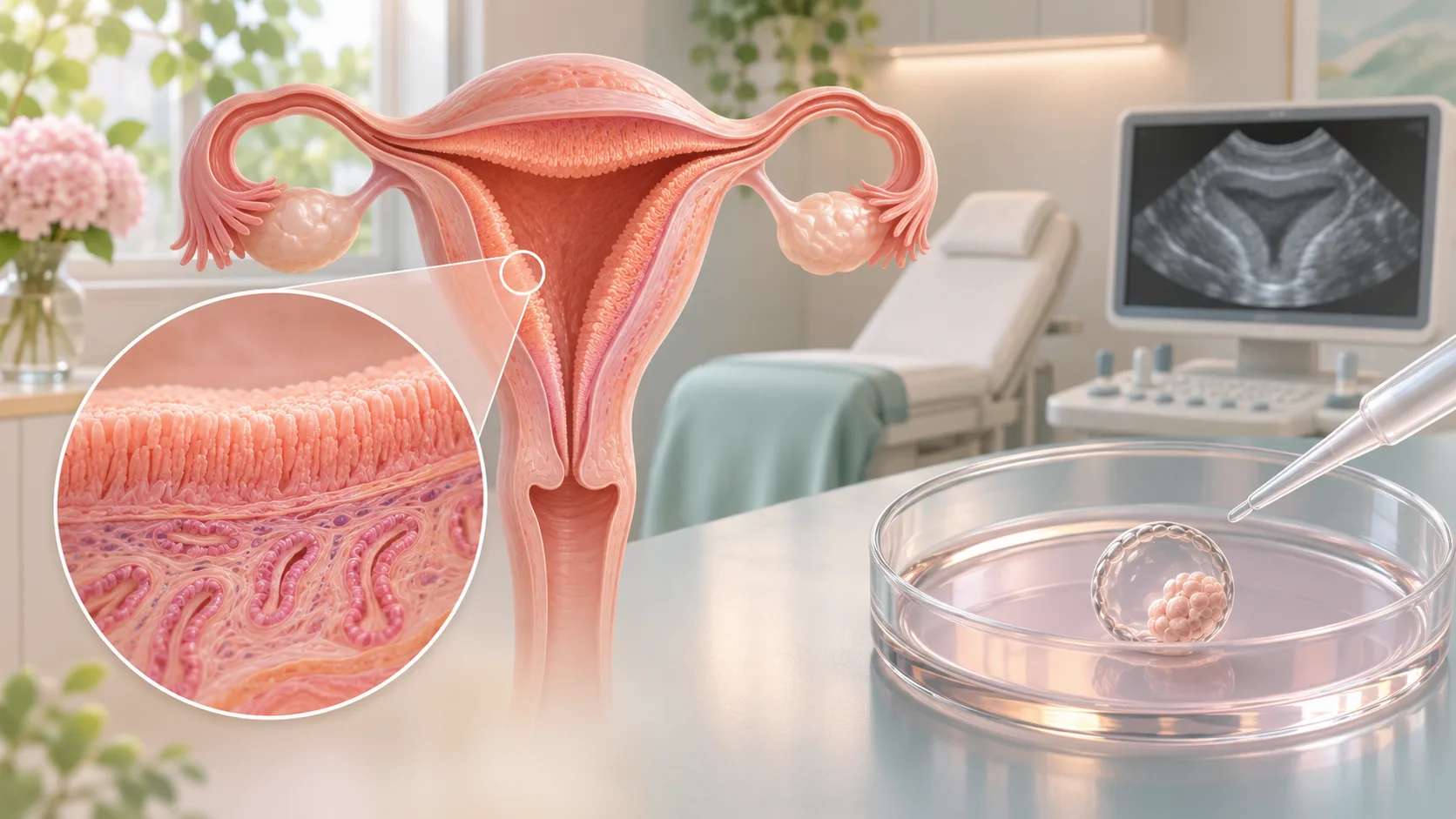
A 6mm endometrial lining for IVF is considered thin in many settings, but implantation also depends on pattern, timing, uterine health and embryo factors.
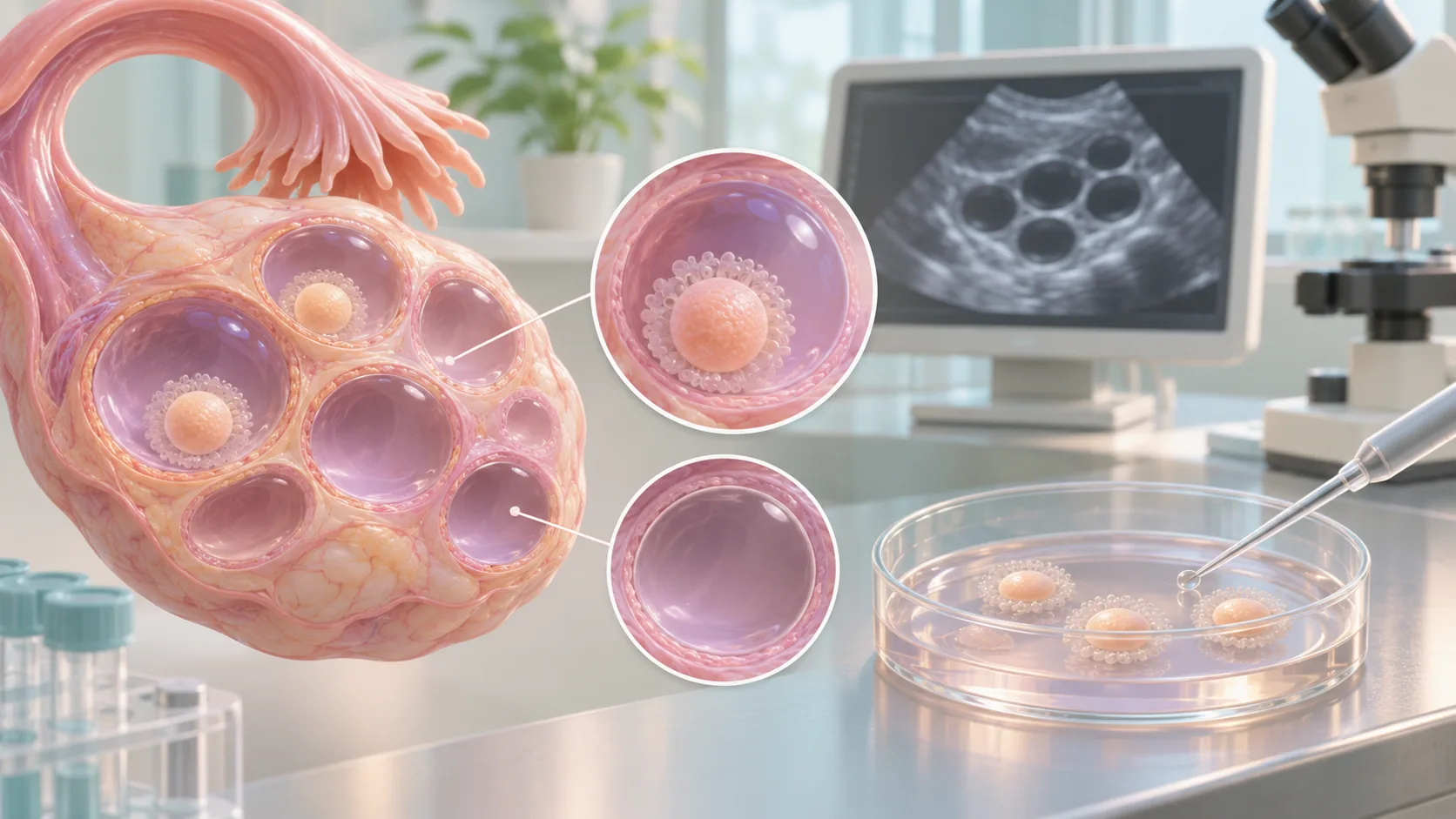
Empty follicles during IVF can relate to trigger timing, follicle maturity, retrieval factors or ovarian biology, and one cycle does not define future results.
Subscribe to the Medifinder newsletter and never miss our latest content.