










Laser Gum Contouring
This guide explains how laser gum contouring works, what it can correct, how healing progresses, and what determines a balanced and natural-looking gum line.

- Last updated
- 53 reads
- 10 min read
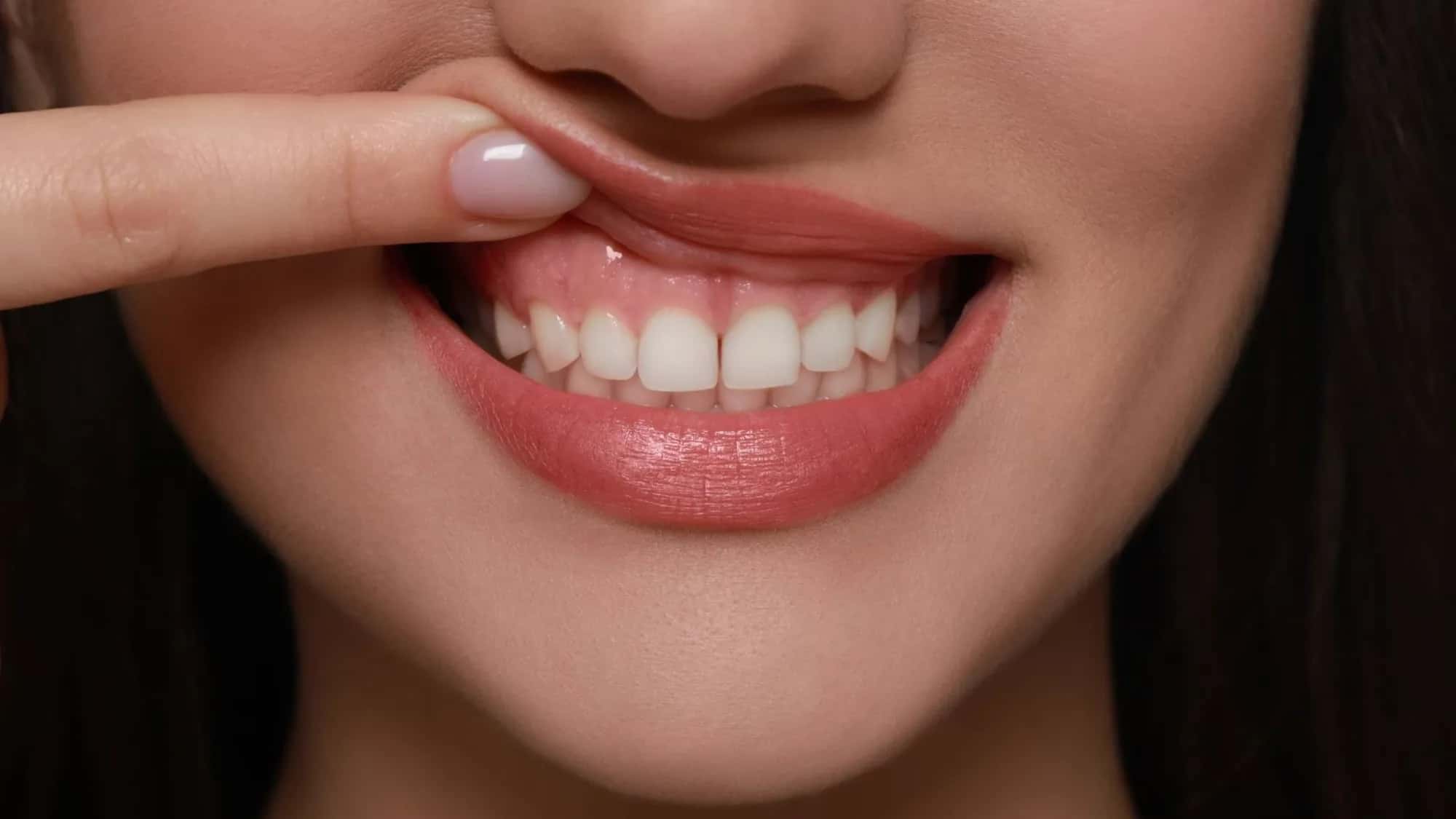


What Is Laser Gum Contouring?
Laser gum contouring is a dental procedure that reshapes excess or uneven gum tissue to create a more balanced relationship between the teeth and gum line.
A dental laser is used to remove or refine selected soft tissue with controlled precision. The procedure may be performed around one tooth or across several teeth in the smile zone. It is commonly considered when the gums cover too much visible tooth structure or create an uneven appearance.
Unlike more extensive crown lengthening, simple laser contouring focuses mainly on soft tissue. The treatment plan depends on how much gum can be safely reshaped without disturbing tissue stability.
What Can Laser Gum Contouring Correct?
Laser gum contouring can improve several visible gum-line problems when excess or uneven soft tissue is the main cause.
Common reasons for treatment include:
-
A gummy smile
-
Uneven gum heights
-
Teeth that appear unusually short
-
Excess tissue around selected teeth
-
Asymmetrical gum contours
-
Irregular gum lines before veneers
-
Small differences between matching front teeth
-
Excess soft tissue affecting smile proportions
The procedure cannot correct every gummy smile because bone position, tooth eruption, and lip movement can also influence gum display. Careful assessment is therefore important before tissue is removed.
How Does Laser Gum Contouring Work?
Laser gum contouring works by removing carefully selected gum tissue while simultaneously helping control bleeding in the treated area. The intended gum line is first planned according to tooth proportions and smile symmetry.
The laser is then moved along the tissue in small, controlled sections. This allows the new gum margin to develop gradually rather than through one large cut. The energy used by the laser also supports coagulation of small blood vessels.
Once the excess tissue has been reshaped, the teeth usually appear more exposed. The final contour becomes clearer as initial swelling settles.
Who Is Suitable for Laser Gum Contouring?
Laser gum contouring is suitable for people whose gum appearance can be improved by safely reshaping excess soft tissue without compromising the support around the teeth. Healthy gums and stable periodontal tissues provide the best foundation.
The procedure can be considered when the gum line looks uneven or covers more of the visible tooth than desired. It may also be useful before cosmetic restorations.
However, some people have a gummy smile because of underlying bone position or tooth eruption. Removing soft tissue alone in those situations may not provide a stable or appropriate correction.
Can Laser Gum Contouring Fix a Gummy Smile?
Laser gum contouring can reduce a gummy smile when excessive visible gum tissue is mainly caused by an abundance of soft tissue around the teeth.
By moving the visible gum margin slightly upward, more of the natural tooth surface can be exposed. This can improve the balance between teeth, gums, and lips while smiling. The change should remain proportional rather than simply removing as much tissue as possible.
A gummy smile can also result from jaw position, lip movement, short clinical crowns, or underlying bone. Laser treatment is most useful when soft tissue is the primary factor that can be safely modified.
Can Laser Gum Contouring Correct an Uneven Gum Line?
Laser gum contouring can correct an uneven gum line when differences in soft-tissue height make similar teeth appear unequal in length. Even small changes can affect the symmetry of front teeth.
For example, one central incisor may look shorter simply because the gum sits lower on that tooth. Carefully reshaping the margin can improve visual balance without changing the tooth itself.
The new gum line should follow natural curves rather than forming a perfectly straight border. Matching the contour of neighboring teeth usually creates a more convincing result than attempting exact mathematical symmetry.
Is Laser Gum Contouring Painful?
Laser gum contouring is generally performed with local anesthesia, so significant pain should not be felt while the tissue is being reshaped.
Patients may notice pressure, movement, or warmth during treatment, but the area should remain numb. After the anesthesia wears off, mild tenderness or sensitivity can develop. The discomfort is usually concentrated around the newly shaped gum margin.
More extensive tissue removal may produce greater sensitivity than a small adjustment around one tooth. Healing discomfort should gradually improve rather than intensify. Increasing pain, significant swelling, or discharge requires further assessment.
Does Laser Gum Contouring Cause Bleeding?
Laser gum contouring usually causes less visible bleeding than conventional soft-tissue cutting because laser energy helps seal small blood vessels during treatment. This can make the working area easier to control.
Reduced bleeding also allows the developing gum line to remain visible while the tissue is being shaped. However, the procedure should not be described as completely bloodless in every situation. Small areas of bleeding can still occur.
The amount depends on the tissue being treated and the extent of reshaping. Minor oozing afterward may occur, but persistent active bleeding is not expected during uncomplicated healing.
How Long Does Laser Gum Contouring Take?
Laser gum contouring often takes less than an hour for a limited cosmetic area, although the total time depends on how many teeth require reshaping. A small adjustment around one or two teeth can be relatively quick.
More extensive smile-line correction requires additional planning and careful comparison between both sides. Time may also be spent checking the gum contours from different viewing angles.
The objective is not to finish as quickly as possible. Small changes in gum height can noticeably alter tooth proportions, so controlled shaping is more important than speed when working around visible front teeth.
How Much Gum Can Be Removed With a Laser?
Only the amount of gum that can be removed safely without compromising periodontal stability should be taken away during laser gum contouring.
The visible gum margin cannot simply be moved upward without considering the bone and attachment underneath. Removing excessive tissue can expose root surfaces or create an unstable gum position. Tooth proportions also place aesthetic limits on how much reshaping looks natural.
In some cases, only a very small amount needs to be removed to create a noticeable difference. The best result comes from preserving healthy tissue while correcting the specific imbalance that makes the gum line appear excessive or uneven.
Is Bone Removal Needed During Gum Contouring?
Bone removal is not always needed for laser gum contouring, but it may become necessary when the underlying bone sits too close to the planned new gum margin. Soft-tissue treatment alone has anatomical limits.
If excessive gum is removed without respecting the relationship between bone and tissue attachment, the gum may become unstable or grow back toward its previous position. A more comprehensive crown-lengthening approach may then be appropriate.
Simple laser contouring works best when sufficient space already exists beneath the gum. The decision therefore depends on the tissue and bone architecture rather than the visible gum level alone.
Can Laser Gum Contouring Make Teeth Look Longer?
Laser gum contouring can make teeth appear longer by exposing more of the natural crown that was previously covered by excess gum tissue.
The tooth itself does not become physically longer. Instead, more enamel becomes visible, changing the proportion between tooth width and height. This can make short-looking teeth appear more balanced within the smile.
Removing too much tissue can create the opposite problem and make teeth look unnaturally elongated. The target should therefore be proportion rather than maximum exposure. Small adjustments often create enough visual change without dramatically altering the natural relationship between the teeth and gums.
Can Laser Gum Contouring Be Combined With Veneers?
Laser gum contouring can be combined with veneers when both the gum line and visible tooth shape need adjustment to create balanced smile proportions. Gum positioning is usually considered before the final veneer shape is completed.
Reshaping the tissue first can reveal the true amount of visible tooth available for restoration. This helps determine veneer length and symmetry more accurately.
The gum should also have enough time to stabilize before final restorative margins are confirmed. When the two treatments are coordinated carefully, gum contouring can create a cleaner frame while veneers refine tooth color, width, shape, and surface appearance.
How Long Does Healing Take After Laser Gum Contouring?
Initial healing after laser gum contouring usually occurs within several days, while the gum contour can continue settling over the following weeks. Mild redness and sensitivity are common early changes. Small areas may also feel slightly swollen.
The tissue should become progressively more comfortable as the surface heals. Front gum margins may continue changing subtly as swelling disappears.
The final appearance should therefore not be judged immediately after treatment. A gum line that initially looks slightly irregular may become smoother during healing. More extensive reshaping generally needs longer before the tissue reaches its most stable appearance.
What Should You Eat After Laser Gum Contouring?
Soft, mild foods are usually more comfortable after laser gum contouring because freshly treated gum tissue can be sensitive to pressure, heat, and sharp textures.
Very hot foods may increase discomfort during the early healing period. Hard, crunchy, spicy, or acidic foods can also irritate the treated margin. Chewing away from a particularly sensitive area may be useful during the first days.
As tenderness decreases, normal foods can be reintroduced gradually. The purpose of temporary dietary changes is not to follow a complicated recovery diet. It is simply to avoid unnecessary mechanical and chemical irritation while the gum surface heals.
How Should You Brush After Laser Gum Contouring?
Teeth should continue to be kept clean after laser gum contouring, but brushing around the treated gum line needs to remain gentle during early healing. Completely avoiding oral hygiene can allow plaque to accumulate.
A soft toothbrush is generally easier to control around sensitive tissue. Strong scrubbing directly against the new gum margin should be avoided. Cleaning can become more normal as tenderness and redness decrease.
The goal is to protect healing tissue without allowing the area to become coated with plaque. Aggressive brushing can delay comfort, while inadequate cleaning can increase inflammation. A careful middle ground supports a smoother recovery.
Can Gums Grow Back After Laser Contouring?
Gum tissue can partially return toward its previous position when contouring removes soft tissue without respecting the underlying bone and natural tissue attachment. Regrowth is therefore possible in selected cases.
The risk is greater when the gum margin is moved beyond what the anatomy can maintain. The tissue naturally attempts to re-establish a stable relationship with the bone underneath.
When contouring remains within appropriate biological limits, the new gum line is more likely to remain stable. Apparent regrowth during the first weeks can also simply represent tissue swelling settling and reshaping rather than true recurrence.
Are Laser Gum Contouring Results Permanent?
Laser gum contouring results can be long-lasting when the new gum position is compatible with the underlying bone, tissue attachment, and natural tooth proportions.
Once excess soft tissue heals in a stable position, the contour may remain unchanged for many years. However, gum inflammation, periodontal disease, tooth movement, or biological regrowth can alter the appearance later.
Long-term stability therefore depends on more than the laser itself. The treatment must respect the anatomy supporting the gum margin. Healthy daily oral hygiene also helps preserve the tissue shape by reducing chronic inflammation around the treated teeth.
What Are the Side Effects of Laser Gum Contouring?
The most common side effects of laser gum contouring are temporary tenderness, redness, mild swelling, sensitivity, and small changes in the appearance of the healing gum tissue. These usually improve gradually.
Some patients may experience temporary tooth sensitivity when more crown surface becomes exposed. Uneven healing can also make the gum line look irregular for a short period.
Less desirable outcomes can include excessive tissue removal, persistent recession, infection, or a gum contour that does not match neighboring teeth. Increasing pain, swelling, bleeding, or discharge should not be treated as routine recovery.
Can Laser Gum Contouring Cause Gum Recession?
Laser gum contouring can contribute to gum recession when too much tissue is removed or when the new margin is not adequately supported by the underlying anatomy.
Thin gum tissue may be particularly vulnerable to visible changes after reshaping. Excessive removal can expose root surfaces and make teeth look longer than intended. Sensitivity may also increase when previously covered areas become exposed.
Careful treatment aims to refine the visible margin while preserving enough healthy tissue. The objective is not to remove as much gum as possible. Conservative contouring generally creates a more natural appearance and reduces the risk of an overtreated gum line.
What Makes Laser Gum Contouring Look Natural?
Natural laser gum contouring depends on balanced tooth proportions, smooth gum curves, appropriate symmetry, preserved tissue thickness, and respect for the underlying bone.
The gum line should not look mechanically straight or identical around every tooth. Natural gums create individual curves that follow tooth shape. Matching corresponding teeth is important, but small anatomical variations can remain.
The final contour should also work with the smile rather than being judged tooth by tooth. Successful treatment makes the teeth appear naturally framed, without making the gum line itself attract attention. Subtle reshaping usually creates the most convincing result.
- Last updated
- Language
- English
How did you find this article?
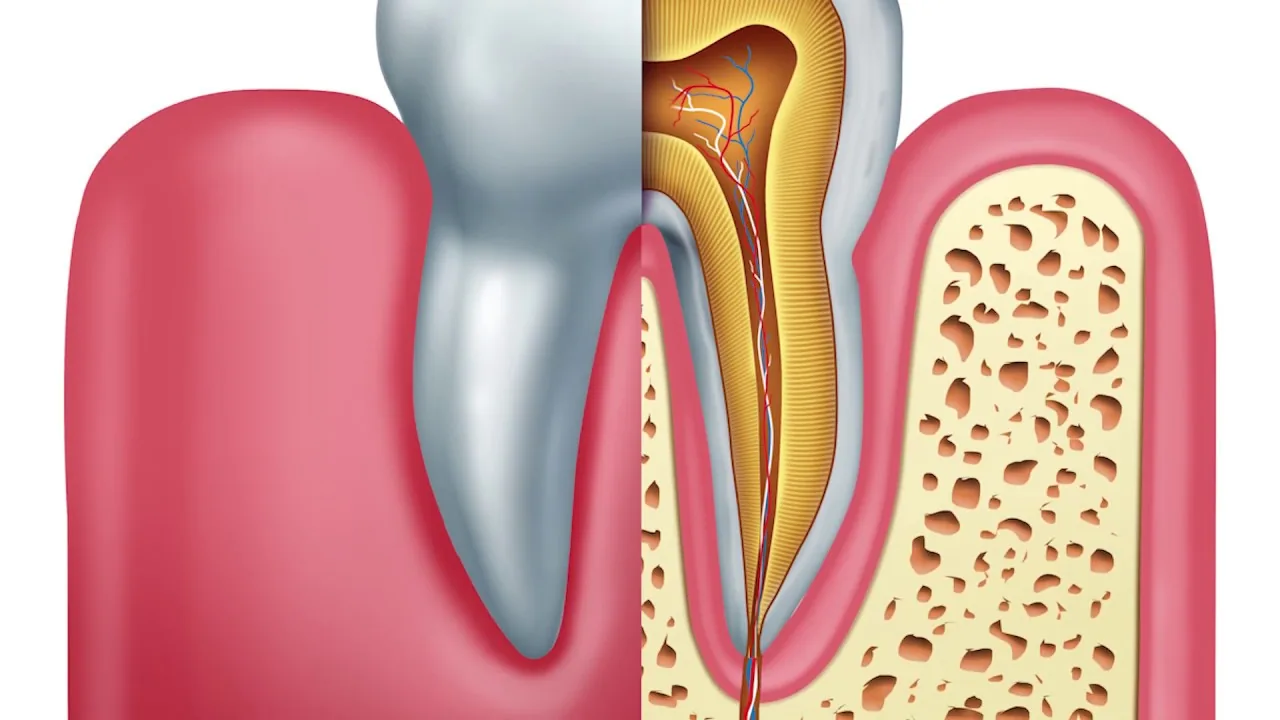
This guide explains how long pain can remain normal after root canal treatment, what recovery usually feels like, and when persistent discomfort may need further evaluation.
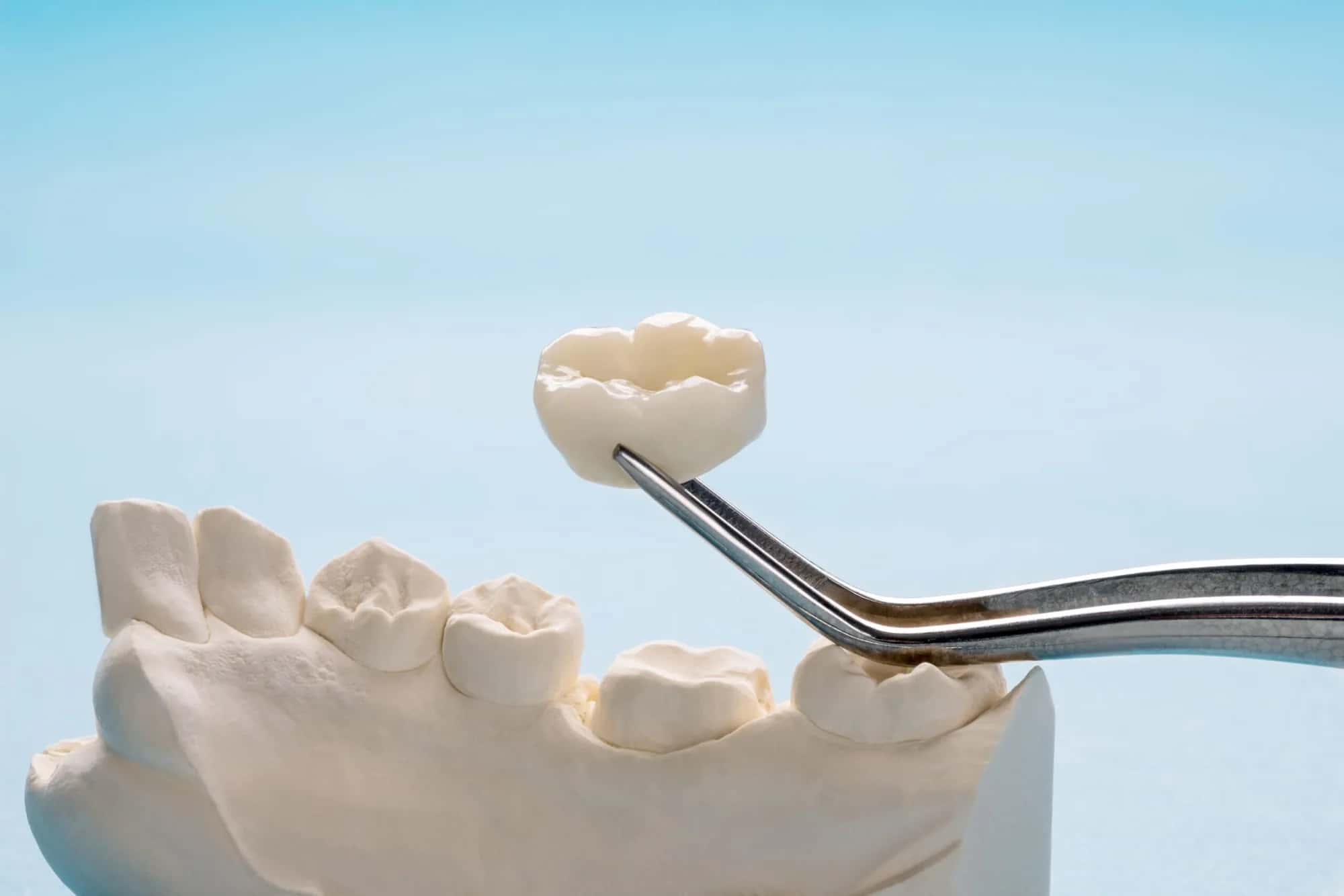
This guide explains why odor can develop around or under a dental crown, what it may indicate, and how crown fit, plaque, decay, and gum health affect the problem.
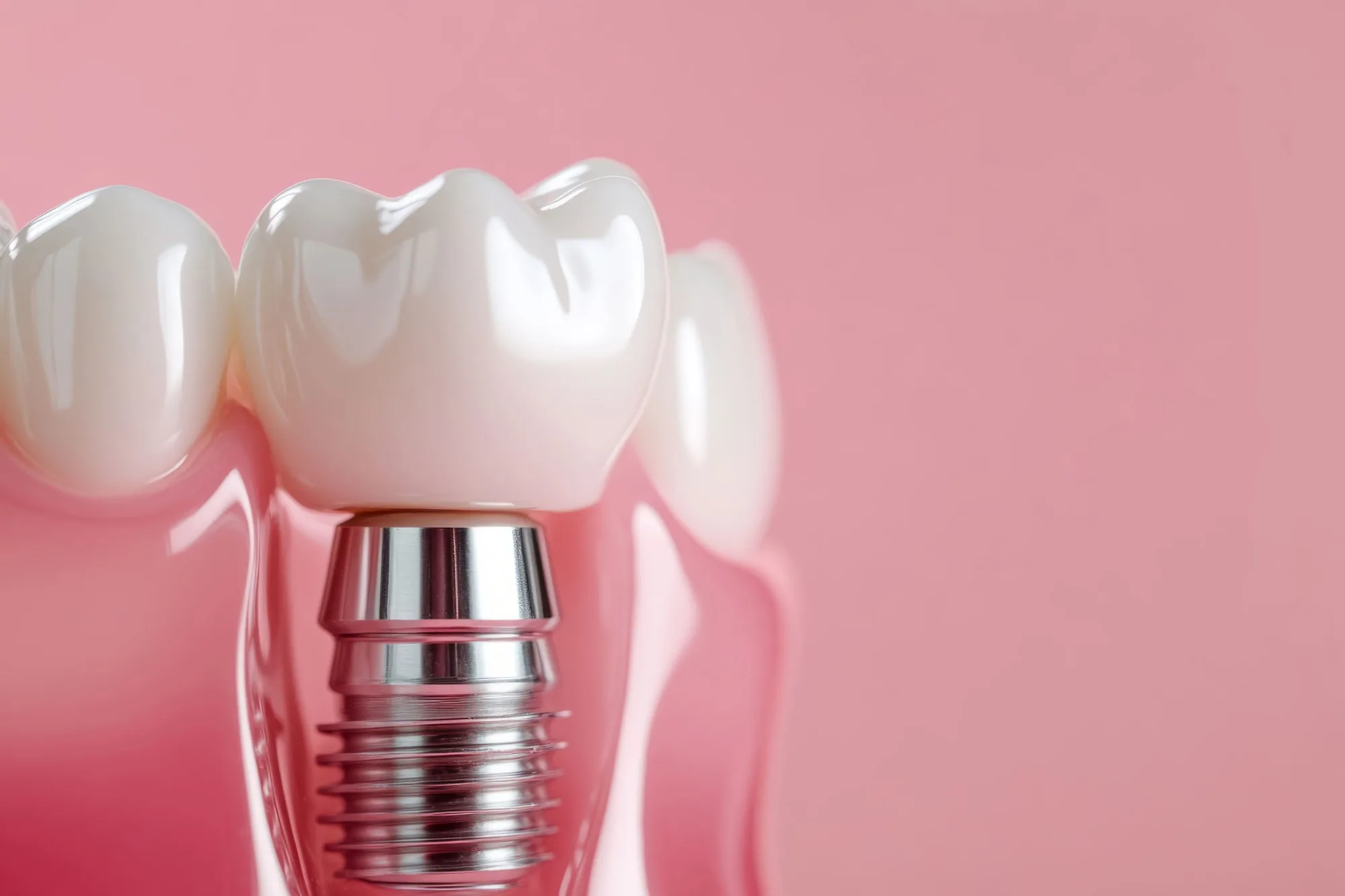
This guide explains when an implant-supported crown should be replaced, how the procedure works, and what determines the fit, appearance, comfort, and durability of the new crown.
Subscribe to the Medifinder newsletter and never miss our latest content.