










Dental Implant Crown Replacement
This guide explains when an implant-supported crown should be replaced, how the procedure works, and what determines the fit, appearance, comfort, and durability of the new crown.

- Last updated
- 48 reads
- 10 min read
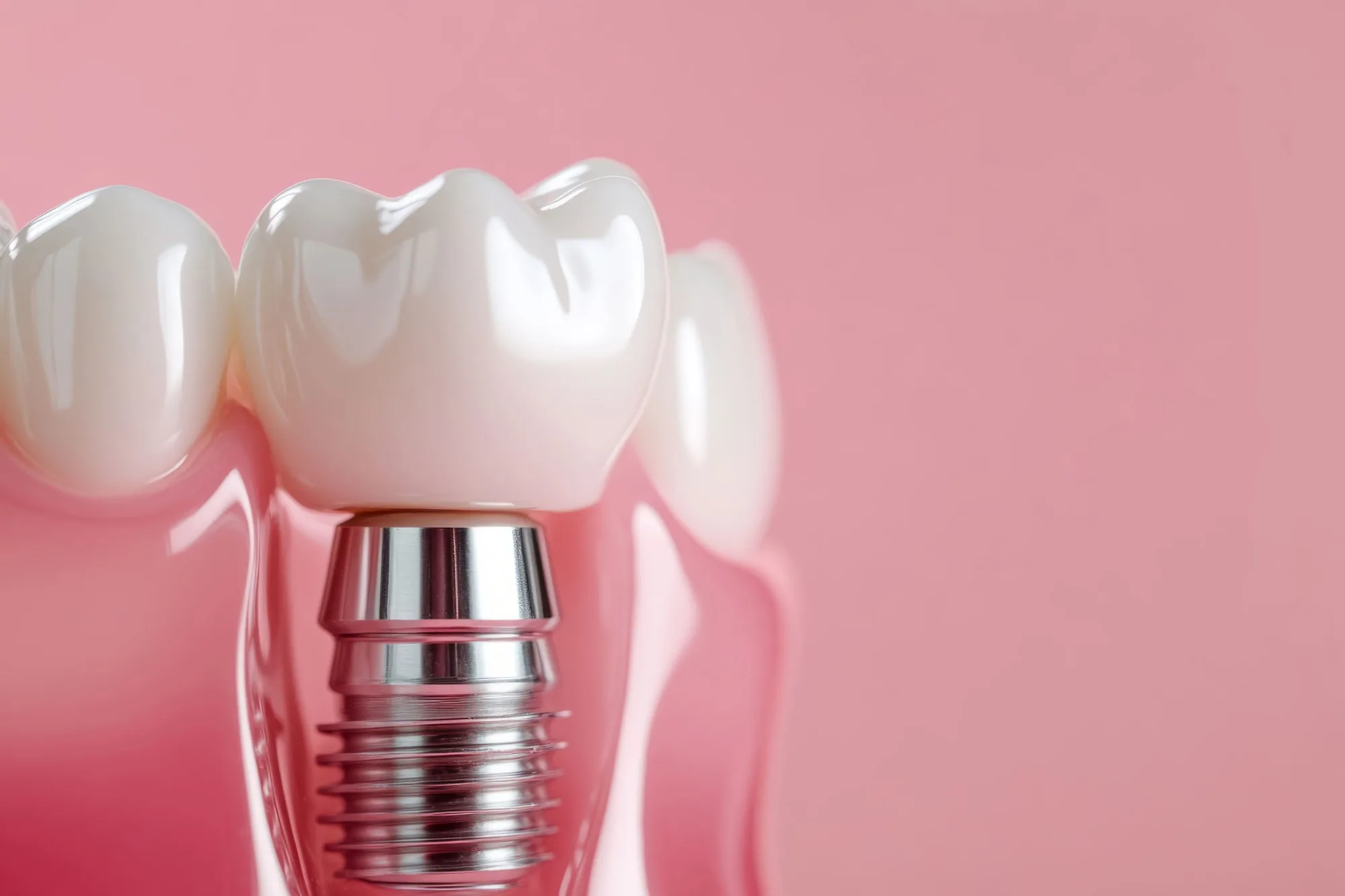


What Is an Implant Crown Replacement?
Implant crown replacement means removing the visible restoration attached to a dental implant and fitting a new crown while keeping the implant whenever possible.
The implant remains inside the jawbone and continues to act as the foundation. Only the crown, and sometimes the abutment, is renewed. Replacement may be needed because of wear, fracture, loosening, discoloration, gum changes, or an outdated shape.
The procedure is generally much less extensive than placing a new implant because the bone-level implant often stays untouched. The main goal is restoring appearance, function, and a stable bite.
When Should an Implant Crown Be Replaced?
An implant crown should be replaced when it is cracked, loose, heavily worn, poorly fitting, difficult to clean, or visibly different from the surrounding teeth. Changes in the bite may also justify replacement.
Some crowns remain structurally intact but lose their natural appearance as neighboring teeth change over time. Gum recession can expose crown margins and alter the proportions of the restoration.
Replacement may also become necessary when food repeatedly collects around the crown or the surface has become rough. The underlying cause should be identified before the new crown is made.
Can an Implant Crown Be Replaced Without Removing the Implant?
An implant crown can often be replaced without removing the dental implant when the implant remains stable, healthy, and correctly integrated with the jawbone. This is a major advantage of implant-supported restorations. The visible crown is a separate component from the implant fixture.
The abutment may also be replaced if its shape or condition has changed.
Before making a new crown, implant stability, surrounding bone, gum health, and the internal connection should be checked. If these structures remain healthy, the replacement can focus entirely on the restorative components above the implant.
How Is an Old Implant Crown Removed?
An old implant crown is removed according to whether it is screw-retained or cemented because these two designs require different removal techniques. Screw-retained crowns usually have an access opening that allows the retaining screw to be reached.
Once the screw is loosened, the crown or crown-abutment unit can often be removed in one controlled step. Cemented crowns may need to be separated or carefully sectioned.
After removal, the underlying connection can be examined for wear, cement residue, loosening, or damage. This inspection helps determine whether the new crown can use the existing components.
Is Replacing an Implant Crown Painful?
Replacing an implant crown usually causes limited discomfort because the procedure often involves the restoration above the gum rather than surgery within the jawbone.
Local anesthesia can be used when the gum is sensitive or when crown removal requires additional manipulation. Patients may feel pressure, vibration, or movement while the old restoration is being removed. These sensations are generally different from the discomfort associated with implant surgery.
Temporary tenderness can occur around the gum afterward, especially when the tissue has been irritated or reshaped. Persistent pain should not be considered a routine part of crown replacement.
How Long Does Implant Crown Replacement Take?
Implant crown replacement can take one or several appointments depending on how easily the old crown is removed and whether the abutment also needs modification. The implant usually does not require another healing period if it remains stable. The first appointment may include removal, inspection, scanning, and temporary restoration.
A laboratory-made crown may then be produced using the new measurements.
If the existing abutment is suitable, the process can be relatively straightforward. Additional visits may be needed when gum contour, bite, or crown design requires more adjustment before the final restoration is fitted.
What Happens to the Abutment During Crown Replacement?
The abutment may remain in place during crown replacement when it is stable, undamaged, and correctly shaped for the new restoration. However, it can also be replaced when its design no longer supports the intended crown.
Wear, loosening, poor angulation, or inadequate gum support may make a different abutment preferable. Replacing it can also create more freedom to improve crown proportions.
The decision is based on the complete implant restoration rather than the crown alone.
A strong implant with an unsuitable abutment may still need restorative modification before the final crown can fit naturally and function properly.
Can a Screw-Retained Implant Crown Be Replaced?
A screw-retained implant crown can usually be replaced relatively efficiently because the crown is designed to be retrievable through its screw-access channel. The access material is removed first so the retaining screw can be reached.
Once loosened, the crown can be lifted away without cutting through the entire restoration. This also allows direct inspection of the screw and implant connection.
If the underlying components remain compatible and undamaged, a new crown can be fabricated for the same implant.
The access channel is sealed again after the replacement crown is tightened and the bite has been checked.
Can a Cemented Implant Crown Be Replaced?
A cemented implant crown can be replaced, although removal may be more complicated because the restoration is bonded onto an abutment. In some cases, the crown must be sectioned before it can be removed safely.
Controlled removal is important because excessive force can damage the abutment or place unnecessary stress on the implant connection. Remaining cement should also be cleaned carefully.
After the crown is removed, the abutment can be evaluated for wear and suitability. A new restoration can then be designed with improved fit, contour, bite, and cleaning access.
Can a Broken Implant Crown Be Repaired?
A small chip in an implant crown can sometimes be repaired, while larger fractures usually make complete crown replacement more predictable. The decision depends on the location, size, and depth of the damage.
Minor surface defects may respond to polishing or restorative repair. Fractures involving the biting surface, crown margin, or internal structure are more difficult to manage reliably. Repeated repairs can also alter the bite.
The reason for the fracture should be considered before replacing the crown.
Grinding, excessive bite pressure, or poorly distributed contact can damage a new crown if the underlying problem remains unchanged.
What Happens If an Implant Crown Becomes Loose?
A loose implant crown should be checked promptly because the movement may come from the crown, screw, abutment, or implant itself.
Common causes include:
-
A loose retaining screw
-
A damaged screw
-
Loss of cement retention
-
A worn abutment connection
-
Crown fracture
-
Excessive bite pressure
-
Movement of the implant fixture
Continuing to chew on a loose restoration can damage components and make a simple repair more difficult. The exact source of movement should therefore be identified before the crown is tightened, recemented, repaired, or replaced.
Can an Implant Crown Be Replaced for Cosmetic Reasons?
An implant crown can be replaced for cosmetic reasons when its color, shape, length, texture, or gum relationship no longer blends naturally with the smile. The crown does not need to be broken before replacement is considered.
Older restorations may look too opaque after surrounding teeth change color. A crown can also appear too wide, too long, or noticeably different in surface texture.
Replacing the crown creates an opportunity to improve these details. However, the underlying implant position still limits how much the visible result can change.
Severe angulation or major gum recession may require more than a new crown alone.
How Is the Color of a New Implant Crown Matched?
The color of a replacement implant crown is matched by comparing brightness, undertone, translucency, and natural color variation with neighboring teeth. A single basic shade is rarely enough for a highly natural result.
Front teeth often appear warmer near the gum and more translucent toward the biting edge.
Surface texture also affects how the restoration reflects light, so color and texture should be planned together. The crown should be evaluated under more than one lighting condition.
If tooth whitening is planned, it is usually better to consider that change before the final implant crown color is selected.
Can the Shape of an Implant Crown Be Changed?
The shape of an implant crown can be changed during replacement to improve appearance, bite, gum support, cleaning access, or proportions. The amount of change depends partly on the position of the implant underneath.
A new crown can often be made narrower, shorter, more rounded, or more symmetrical with nearby teeth. Its contour where it emerges from the gum can also be modified.
Larger design changes may require a new abutment.
Replacement therefore offers more than a simple copy of the previous crown. It can correct features that were uncomfortable, difficult to clean, or visually unbalanced.
Which Materials Are Used for Replacement Implant Crowns?
Replacement implant crowns are commonly made from modern ceramic materials chosen according to strength, appearance, bite forces, and the position of the tooth. Zirconia and other dental ceramics are frequently used.
Front teeth usually require greater control of translucency and shade because they are highly visible. Back teeth experience stronger chewing forces and may need additional emphasis on durability.
Material choice influences thickness, light reflection, and overall appearance.
However, even a high-quality ceramic can look unnatural when crown proportions, surface texture, or color are poorly planned. Material is only one part of the final result.
Does the Gum Need to Heal Before the New Crown Is Fitted?
The gum may need time to heal before the final replacement crown is fitted when inflammation, crown removal, or contour changes have affected the surrounding tissue.
A stable gum position allows the new crown to be designed more accurately. This is especially important around front teeth, where small changes in gum height can affect symmetry.
A temporary crown may sometimes be used to guide the tissue during healing. If the gum is already healthy and stable, prolonged waiting may not be necessary.
The final restoration should ideally be made once the soft tissue has reached a predictable shape around the implant.
Can Crown Replacement Damage the Dental Implant?
Crown replacement can potentially damage implant components if removal is performed with excessive force, but careful techniques are designed to protect the implant fixture.
The implant body usually remains untouched inside the bone. Screws, abutments, and internal connections are more likely to require attention during restoration replacement. A damaged screw should be removed carefully to protect the implant threads.
Cemented restorations also require controlled sectioning when necessary.
After the old crown has been removed, the implant connection should be inspected before the new restoration is fitted. This helps identify hidden mechanical problems before they become more serious.
What Should Be Checked Before Making a New Implant Crown?
Before making a new implant crown, implant stability, abutment condition, gum health, bite, available space, and neighboring teeth should all be evaluated.
The reason the previous crown failed should also be identified. A new restoration should not simply reproduce the same design without addressing earlier problems.
Cleaning access is another important consideration because poor contours can trap food or make plaque removal difficult. Bite contacts should be distributed carefully to reduce repeated loosening or fracture.
In visible areas, crown proportions and gum symmetry should also be checked before the final restoration is produced.
How Long Does a Replacement Implant Crown Last?
A replacement implant crown can last many years when it fits accurately, receives balanced bite forces, and is maintained with effective daily cleaning. The crown and implant fixture should be considered separate components with different lifespans.
Ceramic wear, grinding, trauma, gum recession, or screw loosening may eventually require maintenance.
The implant inside the jaw may remain stable even after more than one crown has been used over its lifetime.
Regular checks can identify small mechanical changes before they develop into larger problems. Long-term durability therefore depends on fit, bite, material quality, oral hygiene, and functional habits.
What Should You Expect After Implant Crown Replacement?
After implant crown replacement, the restoration should feel stable and comfortable while the surrounding gum gradually adapts to its new contour. Mild temporary sensitivity can occur after the old crown is removed.
The bite may also feel slightly different during the first days, especially if the previous crown was worn or poorly shaped. Strong pressure on one specific point should not continue.
Cleaning around the new crown should feel practical.
In front teeth, the gum may need some time to settle visually. Persistent pain, swelling, movement, or difficulty chewing should be evaluated rather than accepted as normal adjustment.
When Is Replacing the Crown Alone Not Enough?
Replacing the crown alone is not enough when the implant, abutment, surrounding bone, or gum has a deeper problem affecting stability or restoration design.
Significant implant movement, advanced bone loss, infection, or damaged internal components may require broader treatment. Severe implant angulation can also limit what a new crown can correct. Gum recession may create aesthetic problems that crown design alone cannot hide.
In these situations, simply making another crown may reproduce the same difficulty.
Successful replacement depends on confirming that the foundation beneath the restoration is healthy and mechanically suitable for a new crown.
- Last updated
- Language
- English
How did you find this article?
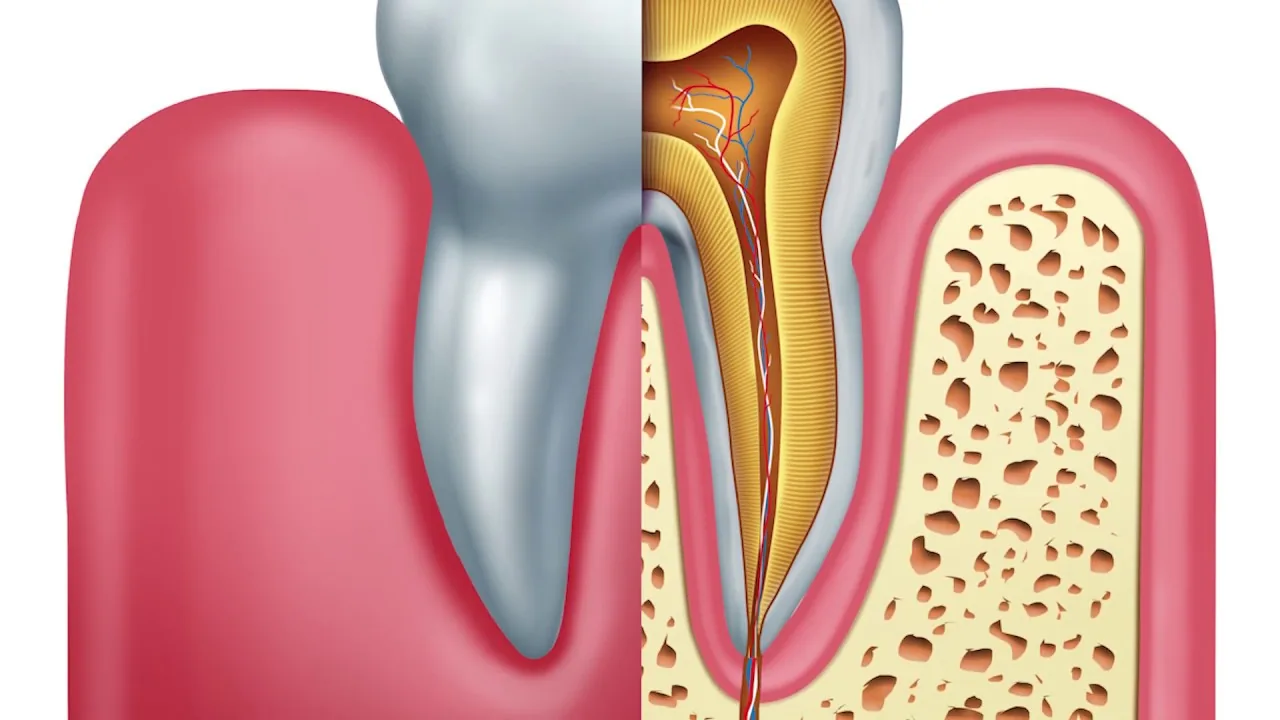
This guide explains how long pain can remain normal after root canal treatment, what recovery usually feels like, and when persistent discomfort may need further evaluation.
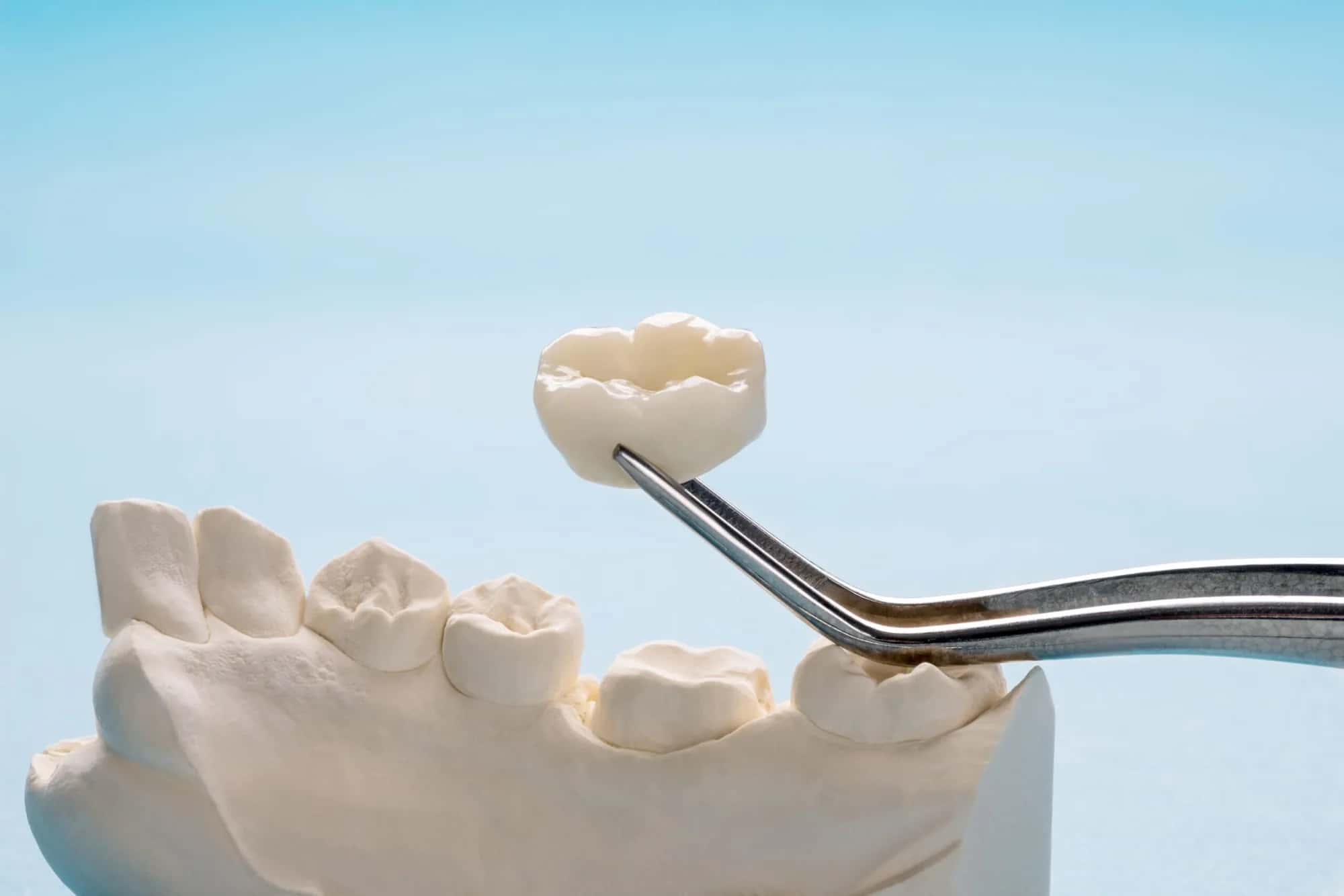
This guide explains why odor can develop around or under a dental crown, what it may indicate, and how crown fit, plaque, decay, and gum health affect the problem.
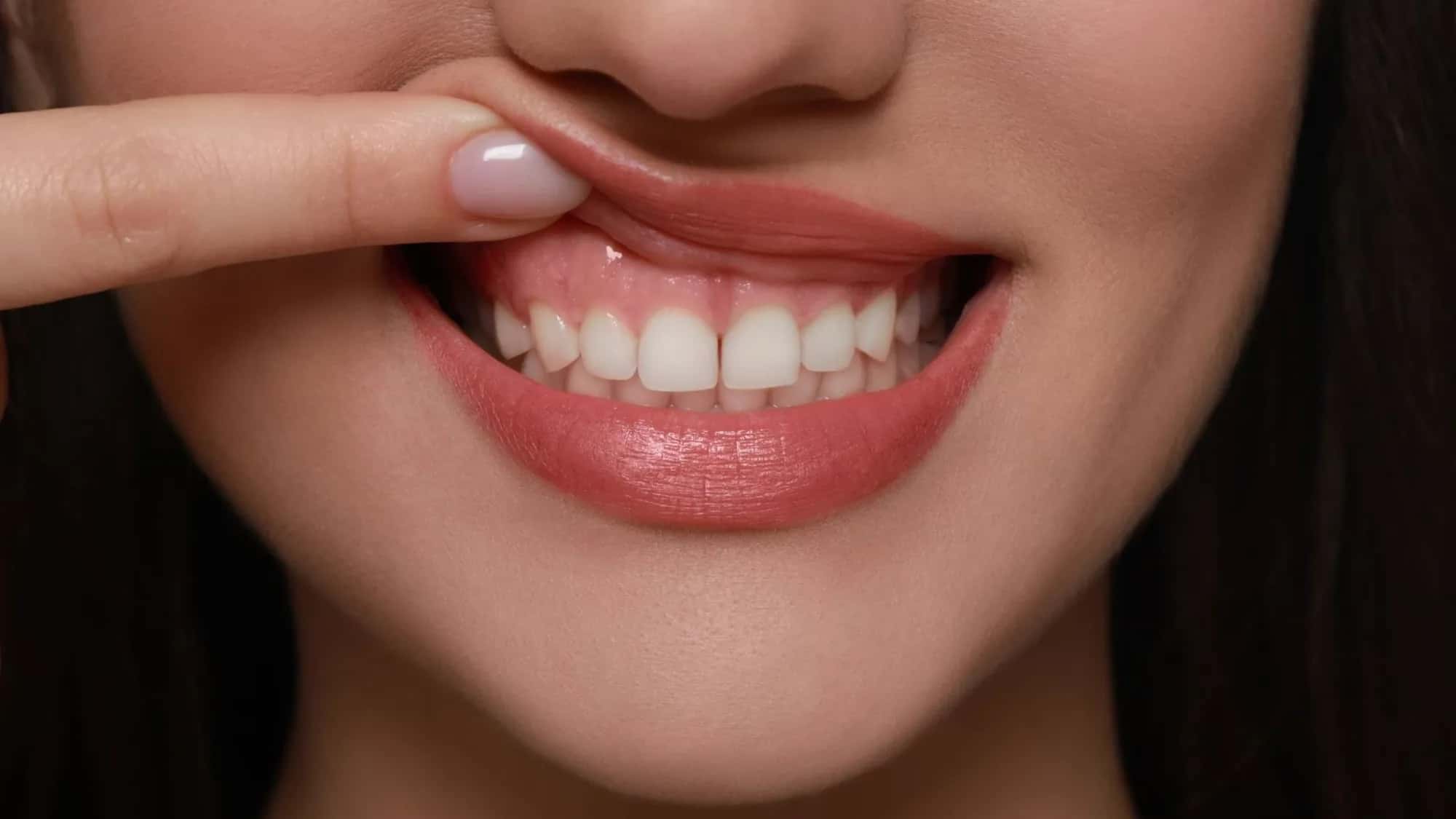
This guide explains how laser gum contouring works, what it can correct, how healing progresses, and what determines a balanced and natural-looking gum line.
Subscribe to the Medifinder newsletter and never miss our latest content.