










Is Odor Under a Dental Crown Normal?
This guide explains why odor can develop around or under a dental crown, what it may indicate, and how crown fit, plaque, decay, and gum health affect the problem.

- Last updated
- 61 reads
- 10 min read
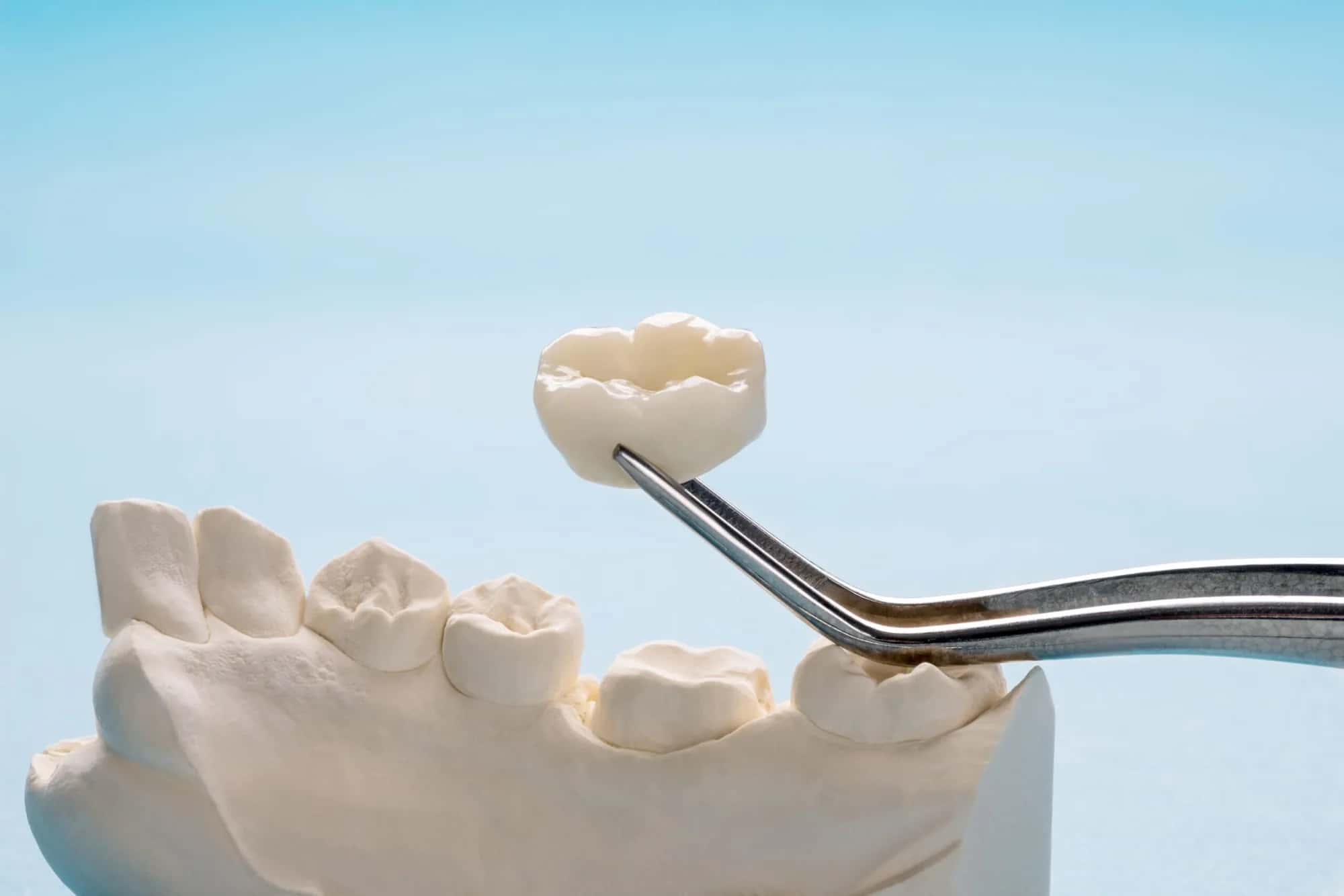


Is Odor Under a Dental Crown Normal?
Persistent odor under or around a dental crown is not considered a normal feature of a healthy, well-fitting restoration.
A temporary smell can occasionally come from trapped food or plaque around the gum line. However, repeated odor may indicate poor cleaning access, gum inflammation, crown leakage, decay, or problems beneath the restoration. The crown itself does not normally produce an unpleasant smell.
The source should therefore be identified rather than repeatedly covered with mouthwash. A stable crown should allow effective cleaning around its edges without consistently producing an unusual taste or odor.
What Causes a Bad Smell Under a Dental Crown?
Bad smell around a dental crown commonly develops when bacteria collect around the crown margin, beneath an open edge, or within inflamed gum tissue. Food debris can make the odor stronger.
A crown should form a close relationship with the prepared tooth. If that seal becomes compromised, bacteria may enter spaces that cannot be cleaned easily.
Gum pockets around the crown can also hold plaque and food. Decay beneath the restoration is another possible cause. Identifying whether the odor comes from the crown edge, gum, or underlying tooth is important before deciding how the problem should be treated.
Can Food Trapped Under a Crown Cause Odor?
Food trapped around a crown can cause odor when particles remain near the margin and are broken down by oral bacteria. This commonly produces an unpleasant smell during flossing.
A well-shaped crown should allow food to pass normally between teeth without becoming repeatedly trapped. If the same area collects food every day, the contact point or crown contour may be contributing.
The problem can become more noticeable when the gum has receded and created a larger space around the restoration. Regular cleaning may control minor buildup, but persistent food trapping deserves attention because it can also increase inflammation and decay risk.
Can Plaque Around a Crown Cause Bad Breath?
Plaque around a dental crown can cause localized bad breath because bacteria release odor-producing compounds while accumulating near the gum line.
The crown cannot decay in the same way as natural enamel, but the tooth beneath it remains vulnerable. Plaque can also inflame the surrounding gum and deepen existing pockets.
If cleaning around the crown is difficult, bacterial buildup can remain even when the rest of the mouth feels clean.
The odor may therefore seem to come from one specific tooth. Better cleaning can help when plaque is the main cause, but poor crown contours may continue encouraging buildup.
Can Tooth Decay Under a Crown Cause a Smell?
Decay underneath a dental crown can contribute to an unpleasant smell or taste, especially when bacteria enter through an open or damaged crown margin.
The natural tooth remains underneath the restoration, so recurrent decay is still possible. A small opening can allow bacteria and carbohydrates to reach vulnerable tooth structure.
Decay may progress without obvious external changes because the crown hides the area. Pain is not always present in the early stages.
Persistent odor combined with sensitivity, food trapping, crown movement, or a bad taste should therefore not be ignored. Treatment depends on how much healthy tooth structure remains beneath the restoration.
Can a Poorly Fitting Crown Cause Odor?
A poorly fitting crown can cause odor by creating small spaces where food, plaque, and bacteria repeatedly collect.
The edge of the crown should closely follow the underlying tooth preparation. An open margin may be difficult to clean and can allow bacterial contamination to continue beneath the restoration. An excessively bulky crown can create another problem by making the gum line difficult to reach.
Over time, these conditions may produce inflammation, bleeding, and unpleasant odor.
A persistent smell that always comes from the same crown can therefore indicate a mechanical fit problem rather than simply inadequate brushing.
Can Old Dental Cement Cause a Bad Smell?
Residual or deteriorating dental cement can contribute to odor when excess material remains near the gum and traps plaque or irritates the surrounding tissue. Cement itself is not usually the only source.
The problem often develops because plaque adheres around an area that is difficult to clean. Inflamed gum tissue can then bleed easily and produce an unpleasant taste.
If a cemented crown has been present for years, changes at the crown margin can also expose areas that were previously sealed.
Removing accessible excess cement may help when that is the cause, but deeper leakage requires assessment of the crown itself.
Can Gum Disease Around a Crown Cause Odor?
Gum disease around a crown can cause odor when inflamed pockets collect bacteria, plaque, food debris, and inflammatory fluid.
Healthy gum should fit closely around the restoration without persistent bleeding or swelling. When periodontal pockets deepen, cleaning becomes more difficult. Odor may then return quickly even after brushing.
Other signs can include bleeding during flossing, gum tenderness, recession, and a persistent unpleasant taste.
If inflammation remains localized around one crown, the restoration shape may be contributing. Broader gum disease can affect several teeth at the same time and requires more extensive periodontal management.
Why Does My Crown Smell When I Floss Around It?
A crown that smells when floss is passed around it often has trapped plaque, food debris, or inflammation near the crown margin.
This is particularly noticeable when the floss itself develops a strong smell after cleaning one specific tooth. Bleeding can accompany the odor when the gum is inflamed. Floss may also shred or catch if the crown margin is rough.
Repeated odor from the same contact area should not simply be accepted as normal.
If thorough daily cleaning fails to resolve the problem, the crown contour, contact point, gum health, and underlying tooth should be examined.
Can an Infected Tooth Under a Crown Cause Odor?
An infected tooth beneath a crown can sometimes cause an unpleasant taste or odor, particularly when infection drains through the surrounding gum.
Other symptoms may include:
-
Gum swelling near the crowned tooth
-
A small pimple-like opening on the gum
-
Pressure when biting
-
Persistent bad taste
-
Tenderness around the tooth
-
Intermittent drainage
-
Increasing discomfort
-
Swelling that returns repeatedly
Some infections remain relatively painless because pressure can drain through the gum. Odor should therefore not be dismissed simply because the crowned tooth does not hurt.
Does a Loose Crown Cause Bad Breath?
A loose crown can contribute to bad breath by allowing saliva, bacteria, and food particles to enter spaces that should remain sealed.
Movement may be very subtle at first. The crown can still appear visually normal while the cement underneath begins losing retention.
As the gap increases, cleaning beneath the restoration becomes almost impossible.
A loose crown may also produce sensitivity or an unusual sensation while chewing. Continuing to use the tooth can worsen leakage and damage remaining tooth structure. Movement around a crown should therefore be addressed before the restoration becomes completely detached.
Can an Old Crown Start Smelling?
An older crown can begin producing localized odor when changes develop around its margins, underlying tooth, gum tissue, or supporting cement.
Age alone does not make a crown smell. Many restorations remain clean and stable for years. The problem develops when the relationship between the crown and surrounding tissues changes.
Gum recession can expose new surfaces that trap plaque. Cement can deteriorate, margins can open, and recurrent decay can develop beneath the crown.
A crown that suddenly starts smelling after years without problems should therefore be evaluated for a new mechanical or biological change.
How Can You Tell Where the Odor Is Coming From?
The source of crown odor can often be narrowed down by checking whether the smell appears during flossing, chewing, gum bleeding, or cleaning around one specific tooth. Repeated localization is an important clue.
Floss that smells only after passing one crown suggests bacterial buildup around that area. A loose sensation can indicate crown movement. Gum swelling may point toward inflammation or infection.
A visible gap or rough edge can also reveal a crown-margin problem.
However, decay and leakage can remain hidden beneath the restoration. Persistent odor may therefore require imaging and direct examination to identify the exact source.
How Should You Clean Around a Dental Crown?
A dental crown should be cleaned with regular brushing and careful interdental cleaning along both sides of the restoration and around the gum margin.
Floss should pass gently through the contact area and reach slightly beneath the edge of the gum. Interdental brushes can be useful when larger spaces exist. Water flossers may provide additional cleaning but should not replace plaque removal completely.
The technique should remain gentle because aggressive cleaning can injure inflamed tissue.
If the area continues smelling despite thorough daily care, increasing the amount of mouthwash or brushing pressure is unlikely to solve a crown-fit problem.
Can Mouthwash Remove Odor From Under a Crown?
Mouthwash can temporarily reduce odor around a crown, but it cannot correct decay, leakage, trapped cement, poor crown fit, or deep gum inflammation.
Antimicrobial rinses may reduce bacterial levels and improve breath for a limited period. This can be useful when plaque is contributing to the smell.
However, odor usually returns when bacteria remain inside an inaccessible space.
Using stronger mouthwash repeatedly can therefore mask the symptom without correcting its cause. Persistent localized odor should be treated as a sign to investigate the crown and surrounding tissues rather than as a breath problem alone.
Can Odor Go Away Without Replacing the Crown?
Odor can disappear without crown replacement when the cause is removable plaque, trapped food, minor gum inflammation, or accessible excess cement.
Improved cleaning can make a noticeable difference when the crown itself still fits correctly. Gum treatment may also resolve odor when inflammation is the main problem. However, an open crown margin or recurrent decay usually requires restorative treatment.
The key question is whether the source can be corrected while leaving the existing crown intact.
If the crown continues creating an inaccessible bacterial trap, repeated cleaning may improve the smell temporarily without providing a lasting solution.
When Does a Smelly Crown Need to Be Replaced?
A smelly crown may need replacement when leakage, poor fit, recurrent decay, fracture, persistent food trapping, or an unsuitable contour cannot be corrected while keeping the restoration.
Replacement allows the underlying tooth to be inspected directly. Any decay can then be removed before a new restoration is made. The new crown can also improve contact points and cleaning access.
A crown should not be replaced solely because of temporary breath odor from plaque.
Replacement becomes more relevant when the restoration itself contributes to repeated bacterial buildup or fails to seal the prepared tooth effectively.
Can Odor Develop Around a Crown Without Pain?
Odor can develop around a crown without pain because plaque buildup, early decay, gum inflammation, and small crown-margin gaps may remain painless for a long time.
Pain usually develops when inflammation reaches more sensitive tissues or pressure builds around an infection. Earlier problems can progress quietly.
This is why the absence of toothache does not confirm that the crown is healthy.
Repeated bad taste, bleeding during flossing, food trapping, or localized odor can provide earlier warning signs. Addressing the cause before pain begins can prevent the underlying tooth or surrounding gum from developing a more advanced problem.
Can Laser Gum Contouring Help With Odor Around a Crown?
Laser gum contouring does not directly treat odor under a crown unless excess gum tissue is creating a specific contour problem that prevents effective cleaning.
If the crown margin is hidden beneath irregular tissue, reshaping selected gum areas may improve access in carefully planned situations. However, laser treatment cannot repair an open crown margin, remove decay, or correct internal leakage.
The source of odor should therefore be identified before gum tissue is altered.
When inflammation is caused by an incorrectly shaped crown, changing the restoration may be more important than removing gum. Tissue reshaping should address anatomy, not mask a restorative problem.
How Can You Prevent Odor Around Dental Crowns?
Odor around dental crowns can be reduced by keeping crown margins clean, maintaining healthy gums, and addressing food trapping or crown movement before bacterial buildup becomes established.
Daily brushing and interdental cleaning remain the foundation. Areas around crowns deserve particular attention because plaque often collects near restoration edges. A crown that repeatedly traps food should not simply be cleaned more aggressively.
Regular assessment can identify small marginal problems before they become deeper leakage or decay.
Avoiding tobacco and maintaining adequate saliva flow also support oral cleanliness. Prevention depends on both effective home care and a restoration that can actually be cleaned.
When Should Odor Around a Crown Be Evaluated?
Persistent or repeatedly returning odor around a specific crown should be evaluated when normal brushing and interdental cleaning do not resolve it.
Prompt assessment is especially important when odor occurs with bleeding, swelling, pain, drainage, sensitivity, crown movement, or a recurring bad taste. These signs may indicate problems extending beyond ordinary plaque accumulation.
A sudden change in a previously comfortable crown also deserves attention.
The purpose of evaluation is to determine whether the source is gum inflammation, food retention, decay, crown leakage, infection, or another local problem. Treating the cause is more effective than repeatedly masking the smell.
- Last updated
- Language
- English
How did you find this article?
This guide explains how long pain can remain normal after root canal treatment, what recovery usually feels like, and when persistent discomfort may need further evaluation.
This guide explains how laser gum contouring works, what it can correct, how healing progresses, and what determines a balanced and natural-looking gum line.
This guide explains when an implant-supported crown should be replaced, how the procedure works, and what determines the fit, appearance, comfort, and durability of the new crown.
Subscribe to the Medifinder newsletter and never miss our latest content.