










Lamictal and Hair Loss
Lamictal® (lamotrigine) can cause hair loss, but it is an uncommon side effect. When hair loss occurs, it usually presents as diffuse thinning across the scalp rather than distinct bald patches.

- Last updated
- 219 reads
- 7 min read



Can Lamictal cause hair loss?
Lamictal can cause hair loss, although this side effect appears uncommon. Lamictal contains lamotrigine, which doctors prescribe for epilepsy and bipolar disorder. Current prescribing information lists alopecia among infrequent dermatological reactions. However, reported cases cannot prove the medicine caused every episode. Stress, illness, nutrition, hormones, and other medicines can produce similar shedding. Therefore, timing and hair-loss pattern both matter during assessment. You should discuss new thinning with your prescriber before changing treatment. Do not stop Lamictal without medical guidance. A careful review protects your hair while preserving seizure or mood stability.
How common is hair loss with Lamictal?
Hair loss with Lamictal appears uncommon, and no reliable percentage is currently available.
Official prescribing information places alopecia among infrequent dermatological reactions. This category does not predict your individual risk. Post-marketing reports also lack a controlled comparison group. Some cases include other medicines, illnesses, or nutritional factors. Therefore, the true frequency remains uncertain. Most patients taking Lamictal will not necessarily experience noticeable shedding. Still, any new change deserves documentation and professional review. Regular photographs can make gradual changes easier to measure. Your prescriber can assess whether the timing supports a possible medication connection.
What does Lamictal-related hair loss look like?
Lamictal-related hair loss usually appears as diffuse shedding across the scalp.
You may notice more hair during washing, brushing, or styling. Overall density can decrease without creating one sharply defined bald patch. The hairline may remain visible while the scalp looks thinner. However, available reports do not establish one universal pattern. Patchy loss, broken hairs, redness, scaling, or scarring may suggest another cause. Those features require a separate scalp examination. Photographs taken under consistent lighting can show whether thinning is progressing. Your clinician can then compare the visible pattern with your medication timeline.
When can hair loss begin after starting Lamictal?
Hair loss may begin weeks or months after starting Lamictal or changing the dosage.
Visible shedding can appear later than the original follicle trigger. Hair growth cycles create this delay naturally. Therefore, the first noticeable shedding date may not reflect the actual beginning. Illness, stress, weight changes, or another medicine may occur during that interval. These events can complicate the assessment. Record treatment dates, dosage adjustments, and significant health events. Also note when shedding first became unusual. This timeline helps your prescriber evaluate possible connections without making assumptions from timing alone.
Why might Lamictal cause hair loss?
The exact mechanism behind Lamictal-related hair loss remains uncertain.
Some reported cases resemble telogen effluvium, which causes diffuse temporary shedding. During this process, more follicles enter a resting phase. The increased shedding becomes visible after a biological delay. Researchers have not confirmed direct follicle damage from lamotrigine. Stress, illness, nutrition, and combined medicines may contribute simultaneously. Therefore, one explanation may not fit every patient. A clinical review must consider your complete treatment context. This approach prevents incorrect assumptions about Lamictal. It also helps identify treatable conditions that may coexist with medication-related shedding.
How can you tell whether Lamictal caused hair loss?
Lamictal becomes more suspicious when shedding follows treatment changes and other causes appear less likely.
Your prescriber will compare the timeline with starting or increasing the medicine. They will also review other prescriptions, supplements, and recent illnesses. A scalp examination may reveal patterned thinning, inflammation, or scarring. Blood tests can sometimes identify thyroid, iron, or nutritional problems. Improvement after a supervised medication change may strengthen the suspected connection. However, this response still does not prove causation. Restarting Lamictal simply to test the theory is inappropriate. The final conclusion often remains a careful clinical judgment.
Should you stop Lamictal because of hair loss?
You should not stop Lamictal because of hair loss without speaking with your prescriber.
Sudden withdrawal can destabilise seizure control or bipolar treatment. A medically appropriate discontinuation plan may require gradual dosage reduction. Your clinician will first assess shedding severity and alternative causes. They may recommend monitoring when hair loss remains mild. More significant thinning may justify discussing dosage changes or another medicine. That decision must balance appearance concerns against Lamictal’s treatment benefits. Follow your personalised plan rather than changing tablets independently. New rashes, blisters, or systemic symptoms require faster medical advice.
Does hair grow back after Lamictal-related shedding?
Hair may regrow after Lamictal-related shedding, especially when the follicles remain healthy.
However, recovery cannot be guaranteed for every patient. Diffuse medication-related shedding often improves after the suspected trigger is addressed. New growth follows a slow biological cycle. Therefore, density may not return immediately after a treatment change. Early recovery often appears as reduced daily shedding. Short new hairs may become visible later. Persistent thinning can indicate genetic hair loss or another condition. Your clinician should reassess the diagnosis when progress remains limited. Continued monitoring can distinguish delayed recovery from an ongoing cause.
How long can recovery from Lamictal hair loss take?
Recovery can take several months after the suspected cause is successfully addressed.
Hair follicles need time to leave their resting phase. Daily shedding may decrease before visible density improves. New hairs can initially look fine, short, or uneven. Photographs provide better comparisons than frequent mirror checks. The timeline also depends on age, nutrition, genetics, and medical conditions. Continued shedding suggests another trigger may remain active. You should arrange reassessment when improvement does not begin. Redness, scaling, pain, or patchy loss also justify an earlier review. Recovery should be measured gradually rather than expected immediately.
Can reducing the Lamictal dose stop hair loss?
Reducing the Lamictal dose may help some patients, but supporting evidence remains limited.
A lower dose does not reliably guarantee reduced shedding. It may also provide insufficient seizure or mood control. Your prescriber must review the treatment indication, current response, and relapse history. Other medicines and recent dosage changes also matter. Sometimes continued observation is safer than an immediate adjustment. Another treatment may be considered when hair loss becomes unacceptable. However, medication changes require an individual benefit-risk assessment. You should never reduce the dosage independently. A structured plan also helps determine whether shedding truly improves afterward.
What tests may help investigate hair loss while taking Lamictal?
Your clinician may order tests when another cause of hair loss appears possible.
Common evaluations can include thyroid function, iron status, and selected nutritional markers. The exact tests depend on symptoms, diet, age, and medical history. A scalp examination can identify patterned, inflammatory, or scarring hair loss. Women may need additional evaluation when hormonal symptoms are present. Recent illness, surgery, weight loss, or severe stress also deserves review. These factors can trigger diffuse shedding independently. Testing should remain targeted rather than automatic. The results help separate medication concerns from treatable conditions requiring different management.
Can you manage hair loss while continuing Lamictal?
You may manage mild shedding while continuing Lamictal, but only with your prescriber’s knowledge.
Begin by documenting the pattern and any daily changes. Use gentle shampooing and avoid tight hairstyles. Limit harsh bleaching, repeated heat, and aggressive brushing. Balanced nutrition supports normal growth, although supplements are not automatic solutions. Do not begin hair-loss medicines without checking their suitability and possible interactions. Regular reviews can track whether shedding stabilises. Your clinician may continue Lamictal when its benefits outweigh the cosmetic impact. Any worsening or visible density reduction should prompt another assessment. Treatment decisions should remain medically supervised throughout this process.
Does Lamictal cause permanent hair loss?
Lamictal is not known to cause permanent hair loss in most reported cases.
Available reports more often suggest diffuse and potentially reversible shedding. However, evidence remains limited, and individual outcomes can vary. Permanent thinning may reflect another condition rather than Lamictal alone. Scarring alopecia, untreated infection, and genetic hair loss require separate evaluation. Persistent smooth patches or visible scalp scarring need prompt specialist review. Early diagnosis matters because some follicle damage can become irreversible. You should not assume every prolonged change is medication-related. A dermatologist can evaluate follicle health and estimate the likelihood of recovery.
Can other medications contribute to hair loss with Lamictal?
Other medicines can contribute to hair loss while you are taking Lamictal.
Some antiseizure and mood treatments also list alopecia as a possible reaction. Combination therapy can make one cause difficult to identify. Recent additions, withdrawals, or dosage adjustments deserve careful review. Non-prescription supplements may also affect nutrition or medication handling. Your prescriber needs a complete list of everything you take. Never stop several medicines simultaneously to test the cause. That approach can create safety risks and confuse the assessment. A structured medication review helps identify the most plausible trigger while protecting treatment stability.
When does hair loss with Lamictal require urgent attention?
Hair loss needs urgent attention when it appears with a new rash or systemic symptoms.
Lamictal can cause serious skin reactions requiring rapid medical assessment. Warning signs include blistering, peeling, hives, or painful mouth sores. Fever, facial swelling, swollen glands, or unusual weakness also require attention. These symptoms should not be treated as ordinary scalp irritation. Contact your prescriber immediately and follow their emergency instructions. Breathing difficulty, widespread skin damage, or severe illness may require emergency care. Do not independently restart or discontinue Lamictal during such symptoms. These warning signs are considerably more urgent than hair shedding alone.
- Last updated
- Language
- English
How did you find this article?
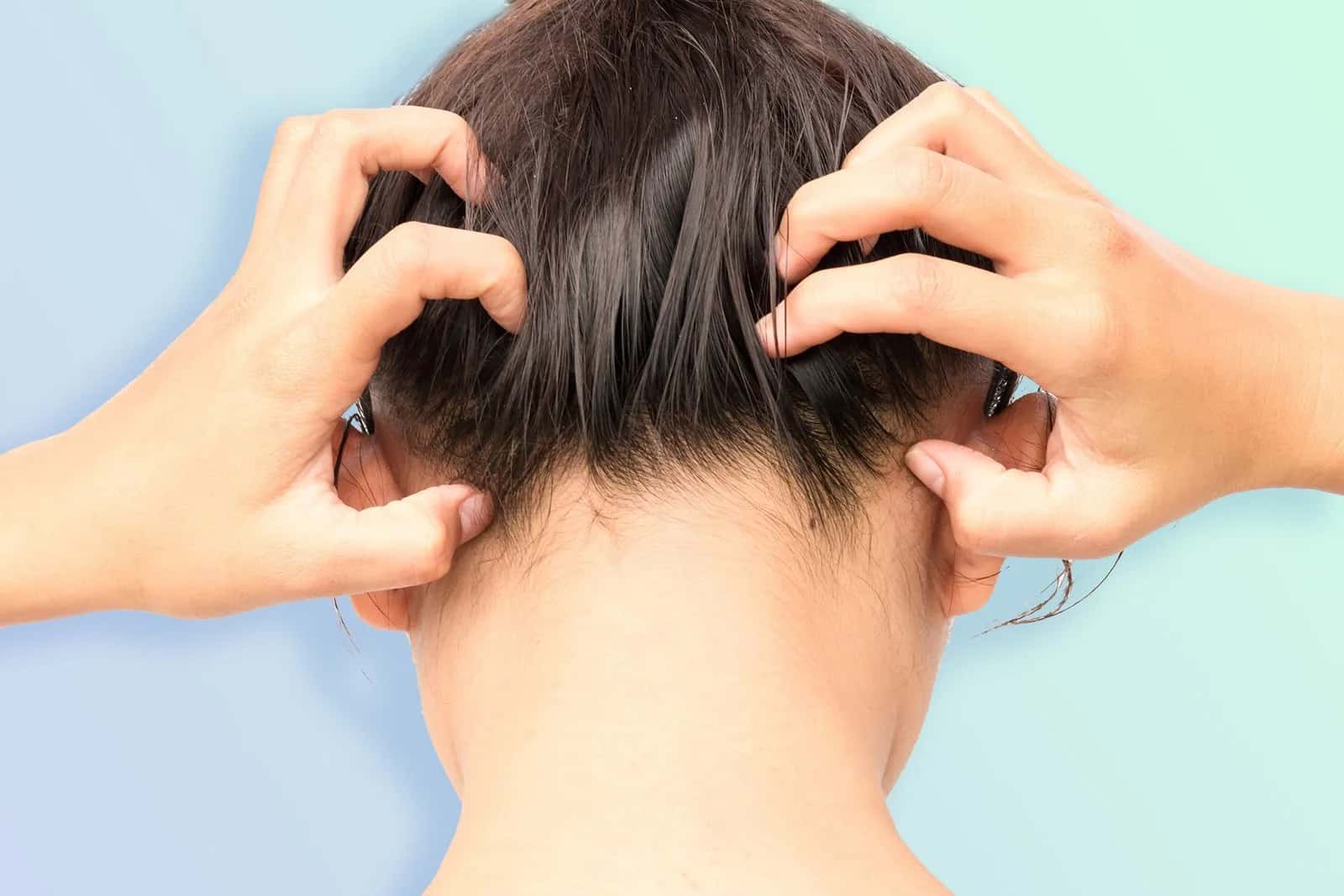
Air conditioning can dry out your scalp by reducing indoor humidity and affecting the skin's ability to maintain adequate moisture. Prolonged exposure to dry, cooled air may contribute to itching, flaking, tightness, and irritation, particularly when the scalp is already sensitive or prone to dryness.
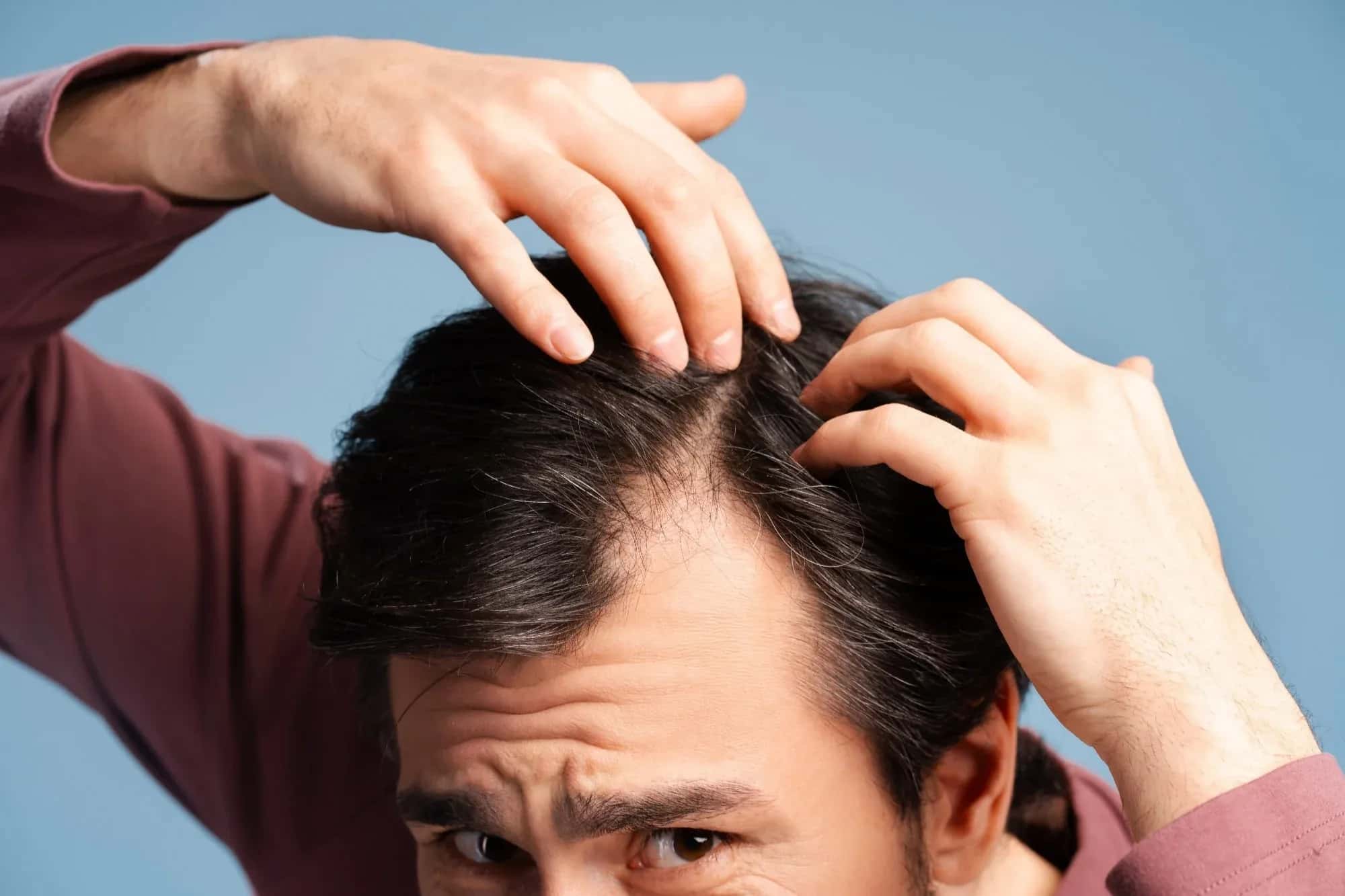
Certain dietary supplements can cause hair loss when taken in excessive amounts, particularly products containing high doses of vitamin A, selenium, or other concentrated nutrients. While supplements can help correct nutritional deficiencies that affect hair growth.

Spironolactone for female hair loss can help slow progressive thinning and improve hair density by reducing the effects of androgens on sensitive hair follicles. Although this prescription medication is not specifically approved for hair loss, clinical research supports its use in selected women.
Subscribe to the Medifinder newsletter and never miss our latest content.