










Is Dandruff Shampoo Available at Pharmacies?
Dandruff shampoo is available at pharmacies; however, not every dandruff shampoo sold in pharmacies is intended for the same purpose, and the product should be selected according to the type of dandruff affecting your scalp.

- Last updated
- 282 reads
- 9 min read


Dandruff shampoo is available at pharmacies; however, not every dandruff shampoo sold in pharmacies is used for the same purpose, and product selection should be based on the type of dandruff affecting your scalp. Some products are dermocosmetic shampoos developed for daily care, while others contain active ingredients such as ketoconazole, selenium sulfide, zinc pyrithione, salicylic acid, or tar to help control dandruff, itching, and flaking. Therefore, when purchasing a dandruff shampoo from a pharmacy, it is important not only to look for “anti dandruff” claims but also to consider whether your scalp is oily or dry, whether itching is present, and how long the problem has persisted. Shampoos used for dandruff treatment are classified according to their active ingredients; ketoconazole, zinc pyrithione, selenium sulfide, salicylic acid, and tar are among the commonly used ingredients in this field.
Dandruff is often seen as a simple scalp problem that many people experience from time to time. However, dandruff that constantly recurs, causes itching, progresses with redness, or creates oily scaling on the scalp may sometimes be associated with a more persistent condition such as seborrheic dermatitis. Seborrheic dermatitis may appear with flaking and redness in areas rich in sebaceous glands such as the scalp, face, and chest.
Is Dandruff Shampoo Available at Pharmacies?
-
Yes, anti dandruff shampoos are available at pharmacies.
-
Pharmacies may carry both dermocosmetic dandruff shampoos and medical shampoos that provide more intensive care.
-
Not every pharmacy may stock the same brands or ingredients; product availability may vary by pharmacy.
-
For mild dandruff, daily use care shampoos may be preferred.
-
If there is severe itching, oily dandruff, or redness, consulting a pharmacist or dermatologist is more appropriate.
-
Products containing ketoconazole, selenium sulfide, zinc pyrithione, and salicylic acid are evaluated according to different scalp needs.
-
For dandruff problems that do not improve for a long time, simply changing shampoo may not be enough.
-
When using dandruff shampoo, it is important how long the product is left on the scalp and how many times per week it is applied.
Pharmacies are among the most reliable consultation points for people looking for dandruff shampoo. This is because the ingredients of products on the shelves differ from one another, and not every ingredient is suitable for every scalp type. Standard anti dandruff shampoos purchased from supermarkets may be sufficient for some people, but pharmacy products may provide more targeted care in cases of resistant dandruff, severe itching, or scalp redness.
Dandruff Shampoo Recommendations
As dandruff shampoo recommendations, Head & Shoulders may be a practical choice for mild dandruff, Vichy Dercos may be more suitable for oily and severe dandruff, and Ducray Kelual DS may be a more logical option for persistent, itchy dandruff. Among the active ingredients effective against dandruff, ketoconazole, selenium sulfide, zinc pyrithione, salicylic acid, and piroctone olamine stand out.
- Best overall choice: Vichy Dercos. Its versions formulated for normal and oily scalps aim to visibly reduce dandruff and help control recurrence according to the brand’s description.
- If there is persistent dandruff and itching: Ducray Kelual DS may be a stronger dermocosmetic option; the product is positioned for severe dandruff, oiliness, flaking, and itchy scalp.
- For mild dandruff: Head & Shoulders is a practical and easily accessible anti dandruff shampoo option; the brand’s Turkey page highlights its anti-dandruff care series containing piroctone olamine.
When using dandruff shampoo, leaving the product on the scalp for a few minutes before rinsing thoroughly may provide better results. Medical dandruff shampoos are generally used regularly for several weeks; after improvement, they may be used once a week or every two weeks for maintenance. If redness, sores, severe itching, hair loss, or dandruff that does not improve within 3–4 weeks is present, consulting a dermatologist is the most appropriate step.
The Difference Between Pharmacy Dandruff Shampoo and Supermarket Shampoo
The main difference between pharmacy dandruff shampoos and supermarket dandruff shampoos lies in the concentration of ingredients, intended use, and approach to scalp care. Supermarket products are generally preferred for regular cleansing and mild dandruff control. Pharmacy products, on the other hand, usually provide more specialized formulas for scalp sensitivity, itching, oily scaling, and recurring dandruff.
This difference does not mean that every pharmacy product is stronger or better for everyone. Some scalps may react negatively to concentrated active ingredients. Especially on sensitive, dry, or eczema prone scalps, choosing the wrong product may increase irritation instead of reducing dandruff. Therefore, when purchasing products from a pharmacy, it is important to clearly explain your scalp symptoms.
Instead of simply saying “I have dandruff” to the pharmacist, explaining whether the dandruff appears as dry white flakes or oily yellowish scaling provides more accurate guidance. Details such as itching, redness, burning, pimples around the hair roots, or crusting also affect product selection.
Dandruff Does Not Always Occur for the Same Reason
Factors such as the scalp’s oil balance, skin renewal rate, fungal flora, stress, seasonal changes, incorrect shampoo use, and scalp dryness may contribute to dandruff formation. Therefore, there is no single “best dandruff shampoo” for everyone. A product that works very well for one person may dry out another person’s scalp or increase itching.
Dry dandruff generally appears as fine white flakes that fall onto the shoulders. A feeling of tightness and dryness on the scalp may accompany it. Oily dandruff, on the other hand, may appear as larger, sticky, yellowish flakes. Oiliness, itching, and redness may be present at the roots of the hair. Oily dandruff may be more persistent and is sometimes evaluated together with seborrheic dermatitis.
This distinction is important when selecting a dandruff shampoo from a pharmacy. Using an overly cleansing product for a dry scalp may worsen the problem. For oily and itchy scalps, a shampoo with only moisturizing effects may not be sufficient. Therefore, the phrase “anti dandruff” written on the product alone is not enough to make a decision.
Common Ingredients Found in Dandruff Shampoos
Dandruff shampoos sold in pharmacies may contain different active ingredients. Ketoconazole is one of the ingredients targeting the fungal balance associated with dandruff and seborrheic dermatitis. Selenium sulfide is among the ingredients used to control oily dandruff and flaking. Zinc pyrithione is a commonly used ingredient in anti dandruff shampoos that helps support scalp balance. Salicylic acid may help remove flakes and buildup from the scalp. These ingredients are used to classify dandruff shampoos according to different needs.
Products containing tar may be preferred in some persistent flaking conditions; however, due to their smell, effect on hair type, and possible reactions on sensitive skin, they may not be suitable for everyone. For this reason, following the instructions for active ingredient shampoos is important. Using them more frequently does not always mean faster results.
When choosing a dandruff shampoo, the focus should be more on the scalp than the hair itself. Dandruff originates from the scalp, not the hair strands. Therefore, the product should be applied to the scalp rather than the ends of the hair. Leaving the shampoo on the scalp for a few minutes provides more effective results for many products, although the waiting time may vary from product to product.
What Should Be Considered When Buying Dandruff Shampoo from a Pharmacy?
-
Attention should be paid to whether your scalp is dry, oily, sensitive, or red.
-
You should explain how long the dandruff problem has persisted to the pharmacist.
-
If there is itching, burning, redness, sores, crusting, or hair loss, this should definitely be mentioned.
-
The active ingredients of the product should be checked.
-
The frequency of use and how long the product should remain on the scalp should be learned.
-
More than one strong dandruff shampoo should not be used at the same time.
-
If there is a history of hair dye, keratin treatment, hair transplantation, or dermatological treatment, product selection should be made more carefully.
-
Children, pregnant or breastfeeding individuals, and people with chronic skin diseases should consult a healthcare professional before choosing a product.
Paying attention to these points helps you choose the right product and prevents unnecessary scalp irritation. Dandruff shampoos provide better results when used regularly, but incorrect use may disrupt the scalp’s natural balance.
How Long Does It Take for Dandruff Shampoo to Work?
The time it takes for dandruff shampoo to work varies depending on the active ingredient used, the cause of dandruff, and the condition of the scalp. Some people feel relief after the first few washes, while others may require several weeks of regular use to see noticeable improvement. Patience is important during this process. Using the product once and then stopping is usually not enough.
If a dandruff shampoo does not provide any improvement despite regular use for two to four weeks, the product may not be suitable for your scalp. In this case, a different ingredient may be needed, or the condition mistaken for dandruff may actually be related to another skin disorder. Conditions such as psoriasis, eczema, fungal infections, or allergic reactions on the scalp may resemble dandruff.
When using dandruff shampoo, it is not correct to rub the scalp too harshly. Scratching with fingernails, removing crusts, and irritating the hair roots may worsen dandruff. Instead, the shampoo should be gently distributed across the scalp, left for the recommended duration, and rinsed thoroughly with plenty of water.
Pharmacy Products Are Not Suitable for Everyone
The fact that a product is sold at a pharmacy and considered reliable does not mean that everyone can use the same product comfortably. Especially in people with sensitive skin, some active ingredients may cause dryness, burning, or redness. In people who use hair dye, some shampoos may also cause the color to fade more quickly.
The use of dandruff shampoo after hair transplantation also requires special attention. Crusting on a newly transplanted scalp may be confused with dandruff. During this period, using dandruff shampoo randomly is not appropriate. Product selection after hair transplantation should always be made according to the recommendations of the clinic that performed the procedure.
Likewise, choosing dandruff shampoo for children may differ from adults. Active ingredient shampoos formulated for adults may not be suitable for a child’s scalp. Therefore, age, skin sensitivity, and accompanying symptoms should be considered during product selection.
Mistakes Made While Using Dandruff Shampoo
One of the most common mistakes when using dandruff shampoo is rinsing the product immediately like a regular shampoo. However, many anti dandruff products need to remain in contact with the scalp for a certain period. Another mistake is using the shampoo more than necessary. Washing the scalp every day with strong active ingredient products may cause dryness and irritation.
Some people scrape the scalp harshly to get rid of dandruff. Although this behavior may seem to reduce flakes temporarily, it damages the scalp. An irritated scalp may itch more and flaking may increase again. The scalp affected by dandruff should be treated gently.
Another mistake is applying hair conditioners or care oils heavily to the hair roots. Moisturizing the ends of the hair may be beneficial, but applying heavy oils to the scalp may clog pores and increase oily dandruff. Especially when using olive oil, coconut oil, or intensive care masks on the scalp, caution is necessary.
Situations Requiring a Dermatologist Consultation
If dandruff is mild and occurs seasonally, a suitable dandruff shampoo purchased from a pharmacy may be sufficient. However, if dandruff constantly recurs, if there is redness and sores on the scalp, or if flaking spreads to the face, eyebrows, beard, or around the ears, consulting a dermatologist is more appropriate. Severe itching, hair loss, foul odor, inflamed pimples, or bleeding crusts should not be considered simple dandruff.
These symptoms may indicate a different skin disorder. Delaying treatment may increase scalp irritation and reduce the person’s quality of life. Once the correct diagnosis is made, not only shampoos but also lotions, creams, or other medical treatments may be planned if necessary.
- Last updated
- Language
- English
How did you find this article?
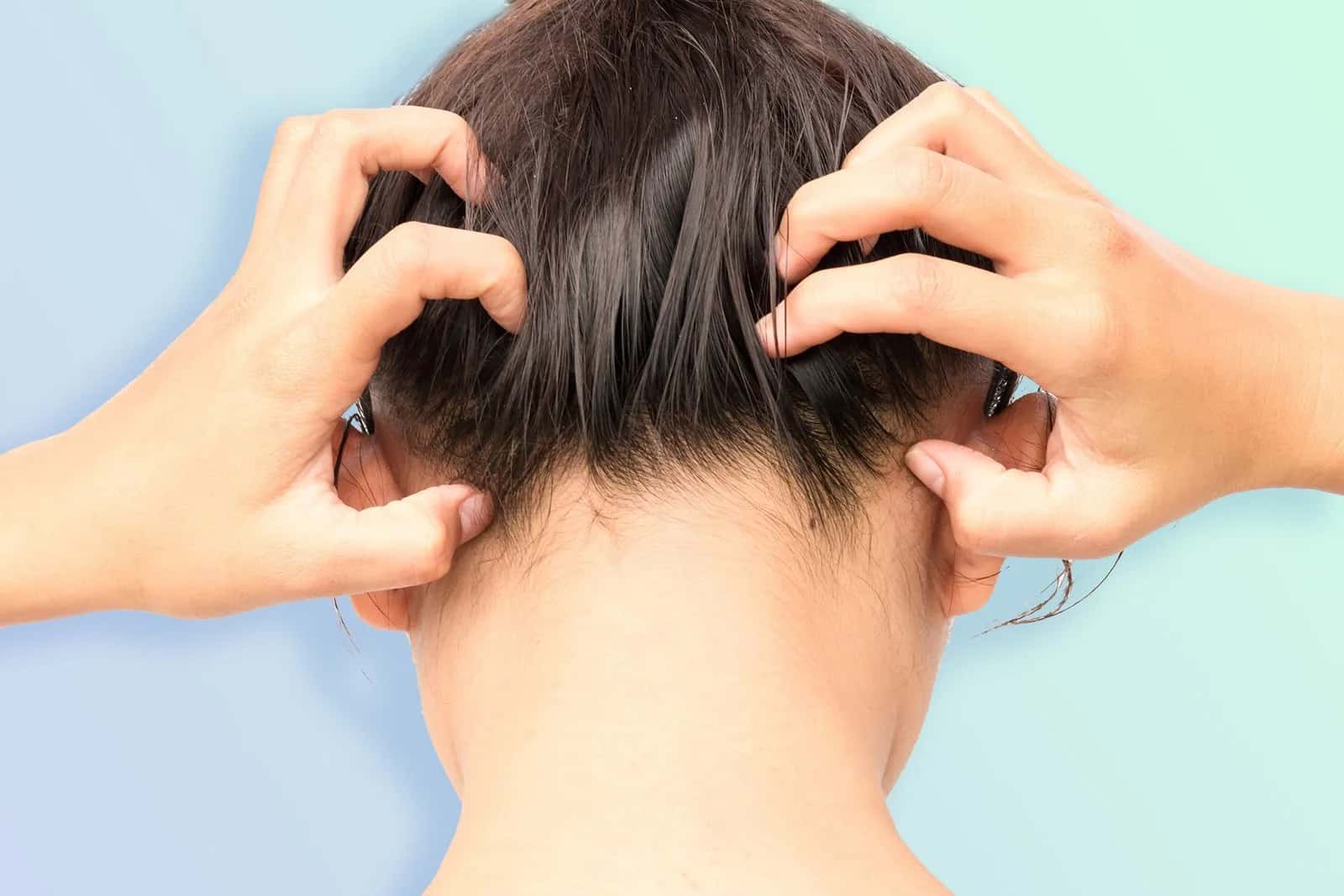
Air conditioning can dry out your scalp by reducing indoor humidity and affecting the skin's ability to maintain adequate moisture. Prolonged exposure to dry, cooled air may contribute to itching, flaking, tightness, and irritation, particularly when the scalp is already sensitive or prone to dryness.

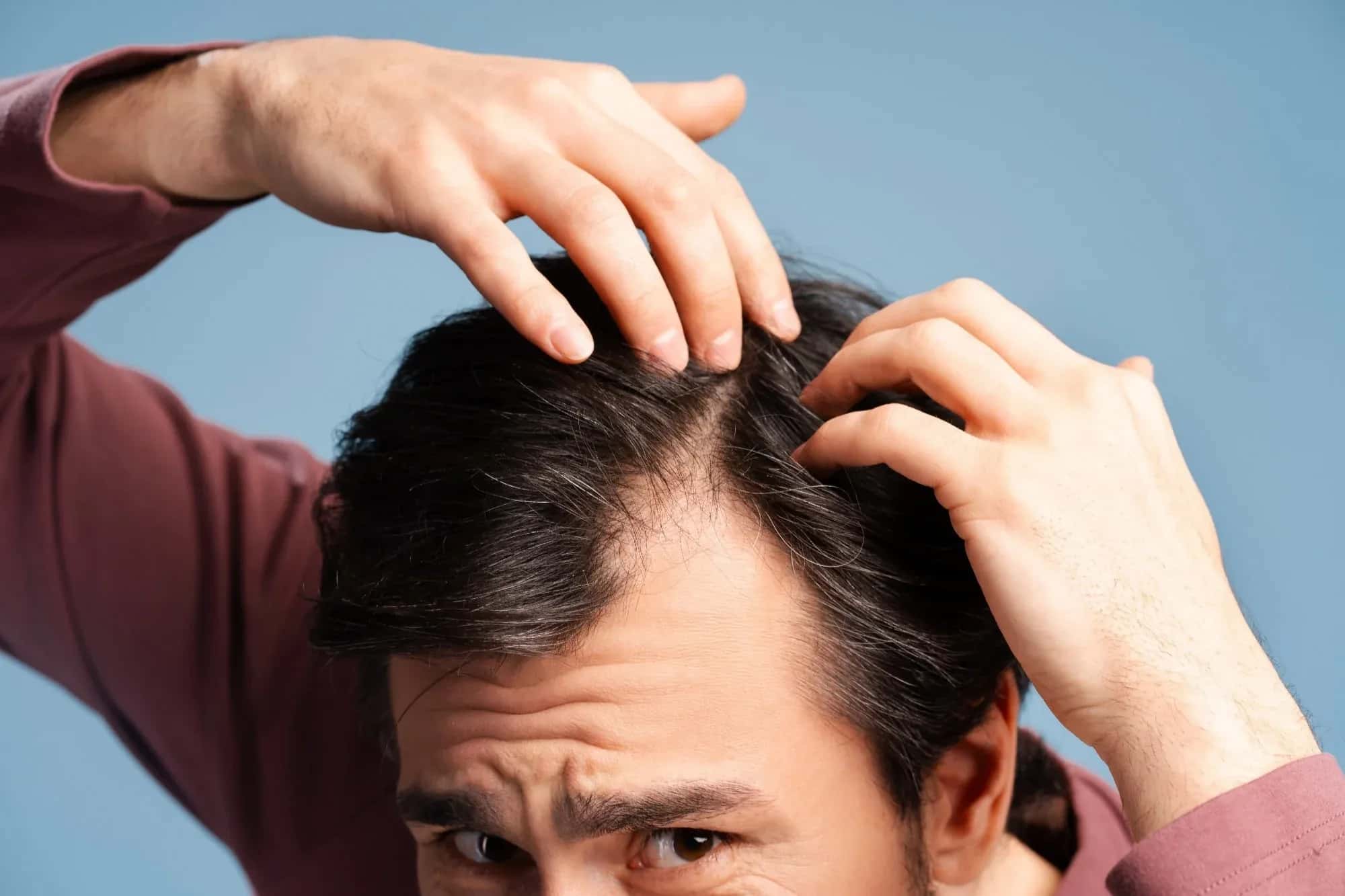
Certain dietary supplements can cause hair loss when taken in excessive amounts, particularly products containing high doses of vitamin A, selenium, or other concentrated nutrients. While supplements can help correct nutritional deficiencies that affect hair growth.
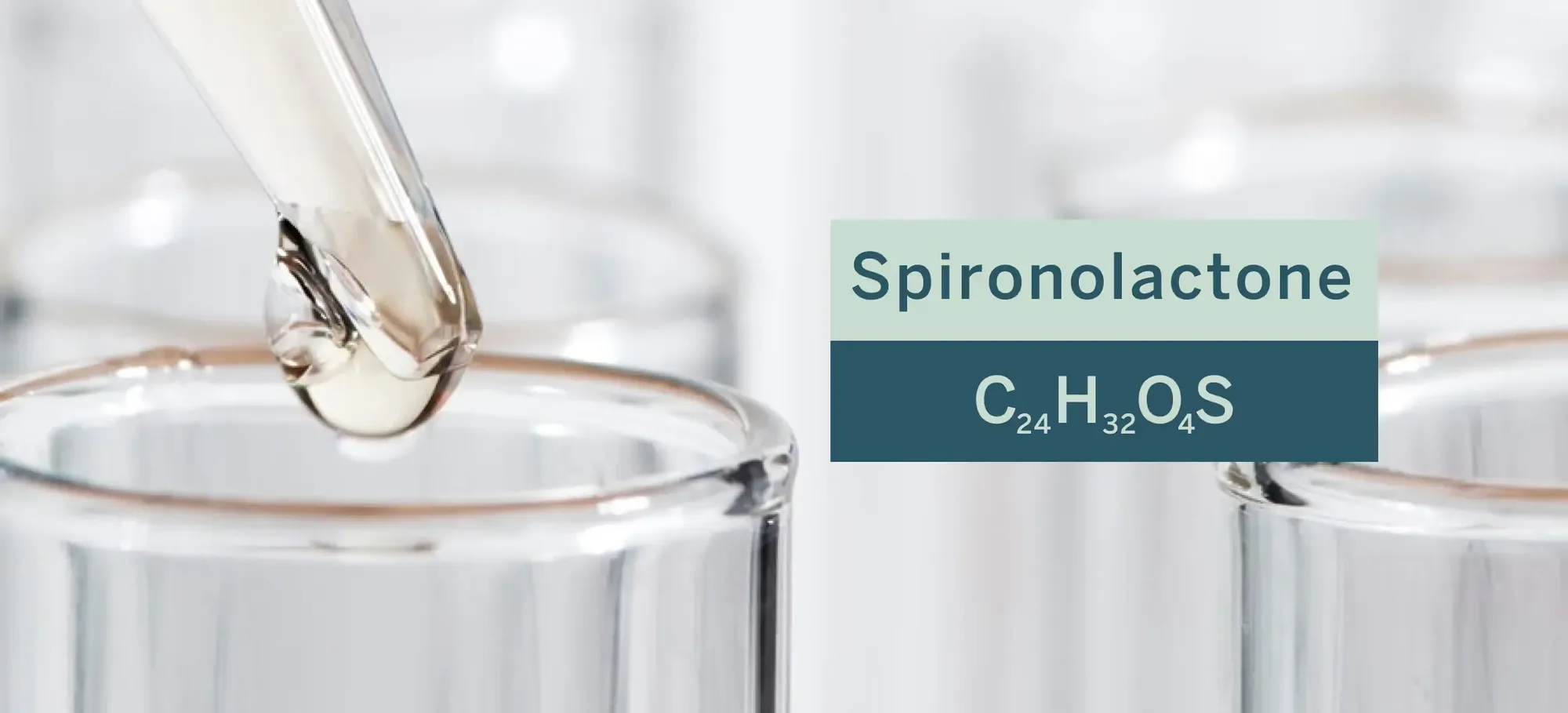
Spironolactone for female hair loss can help slow progressive thinning and improve hair density by reducing the effects of androgens on sensitive hair follicles. Although this prescription medication is not specifically approved for hair loss, clinical research supports its use in selected women.
Subscribe to the Medifinder newsletter and never miss our latest content.