










How to Sleep After a Hair Transplant
Learn how to sleep after a hair transplant, which position to adopt, how many days to keep your head elevated and which precautions help protect the grafts.

- Last updated
- 56 reads
- 13 min read


How to sleep after a hair transplant requires a few temporary precautions to reduce friction on the implanted area and make the first nights more comfortable. Right after surgery, the scalp remains sensitive and the grafts go through the initial recovery phase. The position you adopt in bed therefore deserves special attention.
Understanding how to sleep after a hair transplant also helps you manage a very common worry: the fear of resting your head on the pillow and harming the procedure. You do not need to spend the night completely still. The goal consists of preparing a stable position, keeping your head elevated when that recommendation applies and avoiding direct pressure on the recipient area during the first days.
Why does sleeping position matter after a transplant?
During surgery, the team transfers follicular units to areas with hair loss. Right after implantation, the scalp begins the healing process.
In the first days, impacts and direct friction deserve greater care.
While sleeping, you lose part of your conscious control over movement. Someone who usually changes position several times may rest the transplanted region against the pillow without noticing.
This does not mean that any movement during the night will destroy the result.
The main concern relates to direct, repeated contact, particularly in the early period.
An appropriate position can also contribute to comfort when swelling appears in the frontal region.
For this reason, many teams advise patients to keep their head elevated during the first nights.
The exact protocol can vary according to the transplanted area and the extent of the procedure. Always follow the instructions provided for your case.
What is the best sleeping position after a hair transplant?
Sleeping on your back is usually the most practical position during early recovery.
In this position, you can keep your head supported and reduce the chance of rubbing the frontal hairline or other transplanted areas against the pillow.
The head should remain relatively stable.
Some people create a small structure with pillows at the sides to limit movement during sleep.
A neck pillow, similar to travel models, can also provide support.
It helps limit lateral tilting without requiring you to make an effort to keep your head centred.
The goal is not to restrain the body.
You need to find a position that allows you to rest.
Sleeping badly for several nights can increase fatigue and make recovery more uncomfortable.
Prepare the bed before surgery and test the chosen position. This simple adaptation avoids improvising on the first night.
Is it necessary to sleep with your head elevated?
Many protocols recommend keeping the head elevated during early recovery.
The elevation can be created with two or more pillows or with a wedge cushion.
There is no need to sleep completely upright unless the responsible team has provided a specific instruction.
A comfortable incline is usually easier to maintain through the night.
When you stack several pillows without organisation, the body can slide and the neck ends up in an uncomfortable position.
Create a stable base instead.
The elevation should involve the upper trunk and the head rather than forcing only the neck forward.
If you wake with intense neck pain, review how the pillows are positioned.
Caring for the surgery does not need to create another physical problem.
The position should protect the scalp and allow reasonable rest.
How many days should I sleep on my back?
The period can vary according to the clinic's protocol.
The first days usually require greater care because they represent the initial recovery phase of the grafts.
As healing advances, the sleep routine tends to become progressively more normal.
Do not use a date found online as an absolute rule.
A patient who had a small correction at the temples may receive different instructions from someone who transplanted an extensive area.
The location of the grafts also matters.
When surgery involves the frontal region, sleeping face down increases the chance of contact with the pillow.
A procedure in other regions may require adapted precautions.
Ask the team when you can resume your usual position.
If the instruction has already been given, follow that period even if you feel completely recovered earlier.
The absence of pain does not, on its own, represent a signal to abandon all precautions.
Can I sleep on my side after a hair transplant?
In the first days, sleeping on your side can increase contact between the head and the pillow.
The risk depends mainly on the treated area.
If the grafts sit near the temples or the sides of the frontal hairline, a lateral position can create friction in exactly that region.
Some people also rest much of the head's weight on a single point.
For this reason, sleeping on your back usually makes control easier.
As recovery advances, the team can gradually clear other positions.
When you return to sleeping on your side, keep the pillowcase clean and observe whether any sensitivity remains in the scalp.
Do not test the position by pressing the transplanted area with your hand.
If pain or evident discomfort exists, return to a more comfortable position and contact the clinic if the symptom persists.
Can sleeping face down harm the transplant?
Sleeping face down is not usually the preferred position during early recovery.
People who sleep this way generally turn the face to one side and bring the frontal region closer to the surface of the bed.
This contact can create friction.
There is also the possibility of pressing a transplanted area for several hours.
Patients used to sleeping on their stomach may therefore need a temporary adaptation.
Creating side barriers with pillows helps some people stay on their back.
A neck pillow can also reduce the impulse to turn completely during sleep.
There is no need to panic if you wake in a different position.
Observe the scalp.
Recent bleeding, unusual pain or signs of trauma warrant contact with the team.
Avoid handling the grafts to check whether each unit remains in place.
What should I do if I turn over while sleeping?
This situation is very common.
Even extremely careful patients can change position during the night.
If you wake on your side, simply return to the recommended position.
Do not start pulling hairs or repeatedly touching the transplanted region.
Do not take dozens of photographs either, trying to find a difference between the previous night and the following morning.
Check whether significant bleeding or any clear sign of impact exists.
When nothing unusual appears, keep following the protocol.
If an evident change exists, contact the clinic.
You can send photographs with good lighting to make assessment easier.
Anxiety leads some patients to imagine that any night-time movement removed several grafts.
Proper follow-up offers a safer answer than trying to interpret every small point on the scalp.
Which pillow should I use after a hair transplant?
A comfortable, stable pillow usually works well.
Many patients use a U-shaped neck pillow during the first nights.
This model supports the neck and reduces wide lateral movements.
You can also use traditional pillows to create an incline.
The most important thing is to avoid an unstable structure.
Stacking very soft cushions can make the head sink or slide during sleep.
Test the position before lying down.
The neck should stay comfortable and the head should not drop excessively forward.
Use clean pillowcases.
During the first days, small residues can come into contact with the fabric.
Changing the pillowcase regularly makes it easier to maintain a cleaner environment.
Avoid rough fabrics or accessories with details that could catch the hairs.
A simple surface is usually the most practical option.
Is discomfort normal during the first nights?
Yes. The difficulty is not always related to pain.
A different position can prevent you from relaxing completely.
Someone who has slept on their side for many years may find the temporary need to stay on their back quite strange.
The donor area can also feel sensitive.
When the back of the head rests against the support, some patients feel discomfort.
Adjust the pillows to distribute the pressure better.
Do not use additional medication on your own to sleep.
If the clinic has prescribed a specific routine, follow the instructions exactly.
If pain prevents sleep or increases progressively, inform the team.
Mild discomfort represents a different situation from intense pain that worsens.
You do not need to endure significant symptoms without seeking guidance.
How can I avoid friction on the grafts during the night?
Prepare the space before lying down.
Keep unnecessary objects away from your head.
Some people sleep with blankets pulled up to the face. During recovery, avoid leaving fabrics close to the transplanted area.
Take care with pets as well.
An unexpected movement from a dog or cat on the bed can cause an impact to the head.
During the first nights, consider keeping the environment more controlled.
Wear clothes that do not need to be pulled off over the head.
Shirts with buttons or garments with a wide opening reduce the risk of touching the fabric against the grafts before and after sleep.
When getting up during the night, move calmly.
Drowsiness can increase the chance of hitting your head on furniture or walls.
Soft lighting on the way to the bathroom also helps.
Small adaptations make recovery simpler.
Can swelling worsen during the night?
Swelling can appear in the first days and change the appearance of the frontal region.
Some patients notice greater oedema on waking.
The elevated position may form part of the instructions used during this period.
Do not press the transplanted area directly in an attempt to reduce swelling.
Do not use ice or other methods over the grafts without a recommendation either.
The appearance can change quickly over the first days.
However, intense swelling accompanied by unusual symptoms should be reported to the responsible team.
Photograph the region under good lighting when you need an assessment.
Avoid comparing your own face with random images of other patients.
The number of grafts, the treated areas and individual response all influence recovery.
The team that performed the procedure has more information to interpret your case.
Can I wash my hair before sleeping?
Washing should follow the timing and method defined in the postoperative protocol.
No universal rule requires washing the hair exactly before sleeping.
During the first days, the team may advise a delicate hygiene technique.
After washing, avoid rubbing the head with a towel.
Follow the recommended method to remove excess water or allow drying.
Sleeping with an excessively wet region can leave the patient uncomfortable.
Organise washing far enough in advance to complete all steps without rushing.
Do not speed up the process by applying intense heat directly to a recently operated scalp.
The hygiene routine and the sleep routine should work together.
When you follow the protocol correctly, you do not need to improvise additional precautions every night.
Can I use a reclining bed after a transplant?
A reclining bed can make it easier to maintain an elevated position.
Reclining armchairs also appear among the options used by some patients.
The advantage lies in stability.
The body tends to slide less than on a poorly positioned stack of pillows.
Nobody needs to buy a special bed just because of the transplant, however.
It is perfectly possible to create a comfortable position with the resources available at home.
What matters is testing the structure.
Sit or lie down before surgery and check whether you can maintain the position for a prolonged period.
A support that feels comfortable for five minutes can cause pain after a few hours.
The priority is finding balance between protection and rest.
When can I sleep normally again?
Returning to your usual position happens gradually and depends on the recommendations for the procedure performed.
After the initial phase, the grafts become progressively more stable and extreme precautions lose importance.
The clinic should tell you when you can abandon the elevation and resume positions such as sleeping on your side.
Do not confuse "returning to normal" with rubbing the scalp on the pillow.
Even after early recovery, any sensitive region deserves care.
Observe how you feel during the transition.
If a position causes pain, do not insist merely because a certain number of days has passed.
Individual recovery can show small differences.
If a doubt relates to a specific area, send a photograph to the team and explain what you are feeling.
Can sleeping badly harm the transplant result?
A single bad night does not determine the outcome of the surgery.
The main early concern relates to the physical protection of the grafts and to general recovery.
Spending several nights awake for fear of moving does not help you either.
The body needs rest.
Prepare a safe position, follow the protocol and try to keep a calm routine before sleeping.
Avoid excess caffeine at night if it usually makes sleep difficult.
Reduce prolonged screen use in bed and keep necessary items nearby.
Do not use alcohol or medication to induce sleep without considering medical guidance and any medication prescribed after surgery.
Recovery should be organised simply.
The more you turn each night into a state of alert, the harder it becomes to relax.
Which mistakes should you avoid at bedtime?
One common mistake consists of resting the transplanted region directly on the pillow during the period when the team recommended protection.
Another problem is creating an exaggerated elevation and waking with intense neck pain.
Also avoid dirty pillowcases and fabrics that could catch the hairs.
Do not sleep with tight accessories on the head without clearance.
Caps and other items do not need to stay on overnight to "protect" the grafts.
Avoid touching the scalp every time you wake as well.
The habit of running a hand over the head can happen automatically.
Try to keep your hands away from the recipient area.
Above all, do not create a different protocol each night.
Follow the instructions you received and adapt only the position of the pillows to improve comfort.
When should I speak to the clinic after sleeping?
Get in touch when you notice an unusual sign after an impact or significant contact.
Persistent bleeding warrants assessment.
Intense pain or a region that shows progressive worsening should also be reported.
If you hit your head or believe you pressed directly on the grafts for a prolonged period, explain exactly what happened.
Do not hide the situation out of embarrassment.
The team needs clear information to guide you.
Photographs can help.
Avoid washing the region aggressively or trying to "fix" the problem before receiving guidance.
On most nights, the main difficulty will simply be adapting to a different position.
As the days pass, sleep tends to become more natural and the worry decreases.
Knowing how to sleep after a hair transplant does not mean staying still until dawn. It means reducing friction, organising comfortable support and respecting the recovery period indicated for your procedure.
Frequently asked questions about how to sleep after a hair transplant
Which position is best for sleeping after a transplant?
Sleeping on your back usually makes it easier to protect the transplanted area during the first days. This position reduces direct contact between the frontal hairline and lateral regions and the pillow. Follow the period recommended by the clinic.
For how many days should I sleep with my head elevated?
The time varies according to the protocol and the extent of the procedure. The responsible team should indicate the appropriate period. Do not maintain an uncomfortable position for longer based solely on another patient's experience.
Can I use a neck pillow?
Yes, when it offers comfort and stability. A cervical pillow can help limit lateral movement. Adjust the position to avoid excessive tension in the neck.
What happens if I turn onto my side during sleep?
Return to the recommended position and observe the scalp. Do not pull or handle the hairs to test the grafts. Bleeding or clear signs of trauma should be reported to the clinic.
Can I sleep face down after a transplant?
This position is usually avoided early on because it can bring the frontal region closer to the pillow and increase friction. Returning to your usual position should follow the instructions provided by the team.
Is it normal to wake with more swelling?
Some patients notice changes in oedema during the first days. The elevated position can form part of the postoperative instructions. Intense swelling, or swelling accompanied by unusual symptoms, needs assessment.
Do I need to sleep sitting up after a hair transplant?
Not always. Many people can maintain a comfortable incline with pillows or a reclining support. The exact position depends on the team's recommendations and should allow adequate rest.
When can I sleep on my side again?
Clearance varies according to recovery and the transplanted region. Do not adopt a universal deadline. When the team clears this position, resume the routine gradually and watch for any sensitivity.
So how should you sleep safely after a hair transplant?
Prepare a position on your back, keep your head elevated when that instruction applies and use pillows to create stability. Avoid direct pressure and friction on the transplanted area. The most important part of learning how to sleep after a hair transplant is following your own clinic's protocol and making the first nights comfortable without handling the grafts.
- Last updated
- Language
- English
How did you find this article?
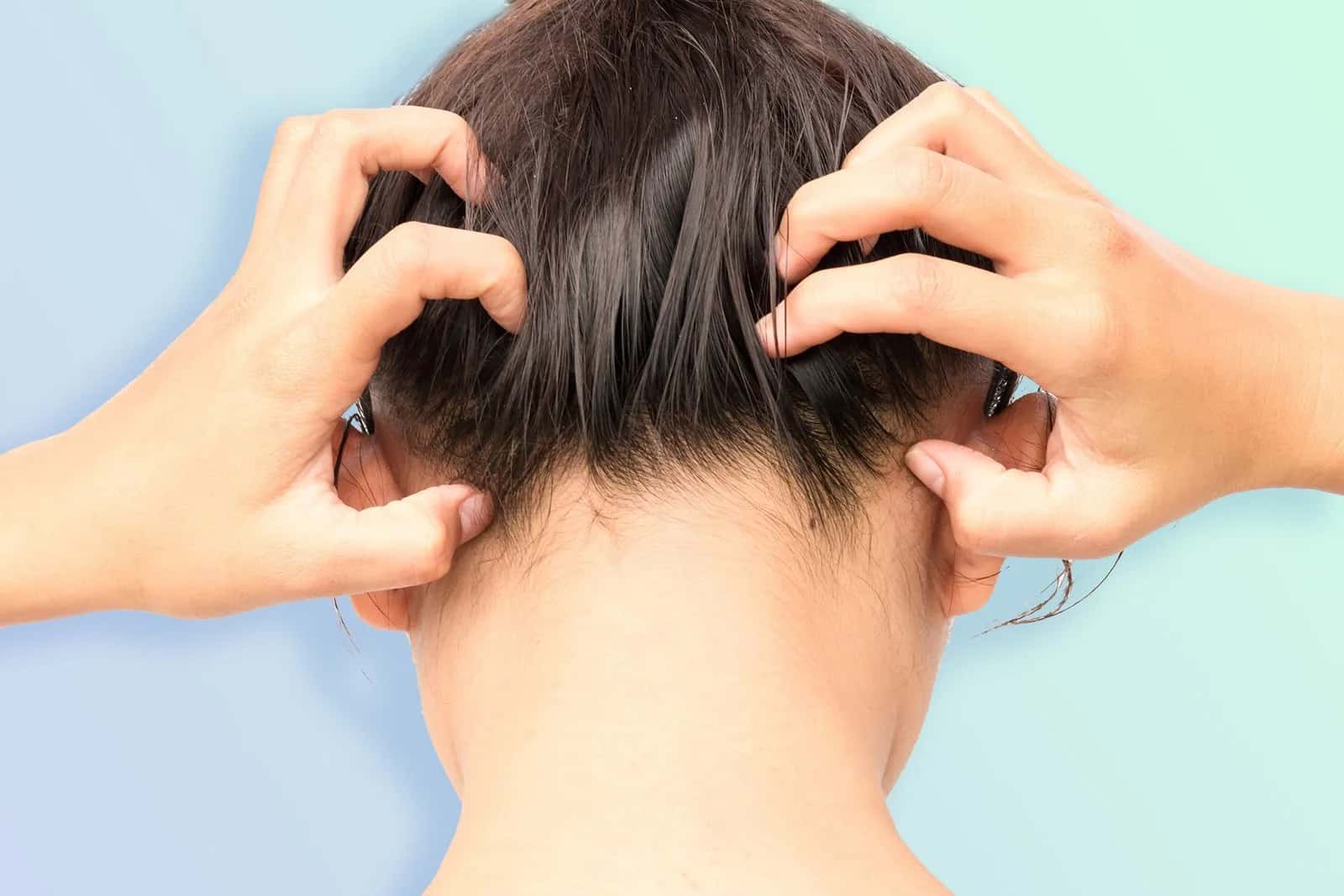
Air conditioning can dry out your scalp by reducing indoor humidity and affecting the skin's ability to maintain adequate moisture. Prolonged exposure to dry, cooled air may contribute to itching, flaking, tightness, and irritation, particularly when the scalp is already sensitive or prone to dryness.

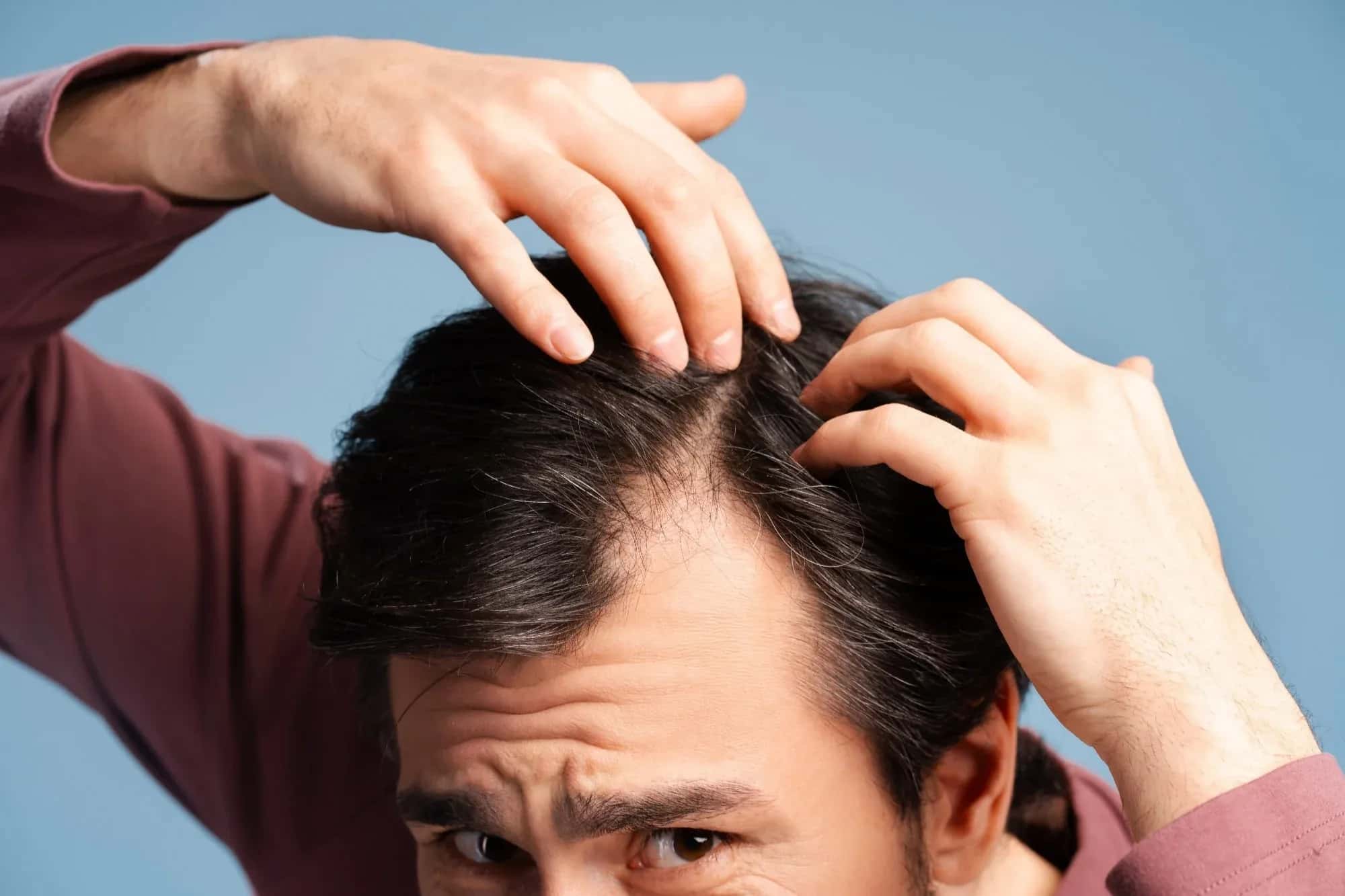
Certain dietary supplements can cause hair loss when taken in excessive amounts, particularly products containing high doses of vitamin A, selenium, or other concentrated nutrients. While supplements can help correct nutritional deficiencies that affect hair growth.

Spironolactone for female hair loss can help slow progressive thinning and improve hair density by reducing the effects of androgens on sensitive hair follicles. Although this prescription medication is not specifically approved for hair loss, clinical research supports its use in selected women.
Subscribe to the Medifinder newsletter and never miss our latest content.