










How to Become a Hair Transplant Doctor?
To become a hair transplant doctor, one must first complete medical education and then gain specialized knowledge, surgical experience, and an aesthetic perspective in the field of hair restoration.

- Last updated
- 399 reads
- 8 min read


To become a hair transplant doctor, one must first complete medical education and then gain specialized knowledge, surgical experience, and an aesthetic perspective in the field of hair restoration. Although hair transplantation may appear to involve simply moving hair follicles from one area to another, it is actually a serious medical specialty that requires medical evaluation, surgical planning, patient safety, and natural result design.
Today, hair transplantation has become one of the most researched medical aesthetic procedures among both men and women. This growing demand creates an important career path for physicians who want to become hair transplant doctors. However, becoming a successful hair transplant doctor is not based solely on technical skills. The physician must understand the causes of hair loss, manage patient expectations correctly, evaluate donor area capacity, and create a long term treatment plan.
Hair Transplant Medicine Begins with Medical Education
The first step to becoming a hair transplant doctor is completing medical school. Hair transplantation is a surgical procedure directly related to human health. Therefore, the person managing the procedure is expected to have a solid understanding of anatomy, physiology, skin structure, wound healing, infection control, and local anesthesia.
The clinical reasoning skills gained during medical education are highly important in the field of hair transplantation. Every hair loss case is different. While genetic hair loss may be dominant in some patients, hormonal issues, stress, nutritional deficiencies, skin diseases, or medication use may play a role in others. A hair transplant doctor must be able to determine whether the patient is truly suitable for surgery.
After graduating from medical school, some physicians gain experience in dermatology, plastic surgery, medical aesthetics, or surgical fields before focusing on hair transplantation. Legal requirements may differ between countries and healthcare systems. However, the common point is this: a hair transplant doctor is not merely a practitioner, but the responsible physician managing the patient’s medical process.
What Does Specializing in Hair Transplantation Mean?
Specializing in hair transplantation is not simply learning FUE or DHI techniques. Gaining competence in this field requires evaluating many aspects together, such as hairline design, graft calculation, donor area analysis, hair density planning, implantation angles, natural appearance, postoperative care, and complication management.
One of the most critical subjects for a hair transplant doctor is designing a natural hairline. If the hairline is placed too far forward, it may create an artificial appearance. If it is placed too far back, the patient may not notice enough change. Therefore, when planning a hair transplant, factors such as the patient’s age, face shape, degree of hair loss, and the possibility of future hair loss should be considered.
Donor area management is just as important as hairline design. The hair follicles in the back of the scalp are not unlimited. In inexperienced procedures, the donor area may be overharvested, leading to permanent thinning. A good hair transplant doctor thinks not only about today’s result but also about the patient’s appearance in the coming years.
What Training Is Required to Become a Hair Transplant Doctor?
A physician who wants to become a hair transplant doctor must build specialized hair restoration training on top of a strong medical foundation. This process is a long term period of development in which theoretical knowledge and practical experience progress together.
-
Medical school education must be completed, and a medical license must be obtained.
-
Hair loss types, male pattern hair loss, female pattern hair loss, and scalp diseases should be studied in detail.
-
FUE hair transplantation, DHI hair transplantation, graft extraction, channel opening, and graft implantation techniques should be practiced hands on.
-
Experience should be gained in local anesthesia, sterilization, bleeding control, and surgical safety.
-
Case observation should be performed alongside experienced hair transplant doctors, and supervised practical training should be received.
-
Skills in hairline design, facial proportions, and aesthetic planning should be developed.
-
Postoperative care, the healing process, and management of possible complications should be learned.
The purpose of these trainings is not merely for the physician to memorize procedural steps. The real goal is to train a hair transplant doctor who can make decisions suitable for different patient profiles, plan safe operations, and produce natural results.
Why Is Experience So Important in Hair Transplant Medicine?
Hair transplantation is a field where practical skill is highly decisive. Even if a doctor theoretically knows how hair follicle transfer is performed, they must see many cases to achieve natural, balanced, and aesthetic results. This is because every patient has different hair thickness, skin structure, degree of baldness, donor area capacity, and healing process.
Experience teaches the physician not only how to perform the procedure but also which patients should not undergo it. Sometimes a patient may not be a suitable candidate for hair transplantation. The donor area may be weak, hair loss may still be progressing rapidly, or the patient’s expectations may be unrealistic. In such cases, a good hair transplant doctor should provide proper guidance instead of directing the patient toward surgery.
An experienced physician also manages small variations that may arise during the operation more effectively. Hair follicle quality, skin resistance, bleeding tendency, or graft placement speed may all affect the outcome. Therefore, hair transplant medicine is a field of mastery that develops over time.
Is Knowing Hair Transplant Techniques Enough?
Technical knowledge is essential to becoming a hair transplant doctor, but it is not sufficient on its own. Methods such as FUE and DHI provide successful results only with proper patient selection and planning. The same technique can produce very different outcomes in different hands. What determines this difference is the physician’s medical knowledge, aesthetic perspective, and surgical discipline.
In the FUE technique, hair follicles are individually extracted from the donor area and placed into opened channels. In the DHI technique, grafts can be implanted directly into the recipient area using special pen like devices. Both methods have their own advantages and limitations. Rather than recommending only the most popular technique, a hair transplant doctor should choose the most suitable method according to the patient’s hair structure and needs.
In addition, hair transplantation is not limited to the day of surgery alone. Preoperative analysis, blood tests, patient information, surgical planning, postoperative controls, and healing follow up are also part of the process. This holistic approach is one of the main factors that determine the quality of a hair transplant doctor.
Patient Communication and Expectation Management
A hair transplant doctor should not only be a physician with surgical skills but also a consultant capable of strong communication. Hair loss is directly related to self confidence for many people. Therefore, patients often expect not only a physical transformation but also psychological relief.
At this point, the physician must be honest and transparent. It is not appropriate to promise every patient extremely dense hair. If the donor area is insufficient, the bald area is very large, or hair loss is progressive, results may be limited. A successful hair transplant doctor provides realistic expectations and plans the best possible result within medical boundaries.
Rushed communication with patients may lead to dissatisfaction after the operation. Therefore, during the consultation, the history of hair loss, family history, medications used, previous treatments, and expectations should be discussed in detail. Proper communication both builds trust and makes the treatment process healthier.
What Qualities Should a Good Hair Transplant Doctor Have?
A good hair transplant doctor is someone who combines medical knowledge with an aesthetic perspective. Success in this field depends not only on performing many operations but also on creating personalized plans for each patient.
-
They should be able to accurately analyze the causes of hair loss.
-
They should protect the donor area while planning long term results.
-
They should have an aesthetic perspective for designing natural hairlines.
-
They should have strong knowledge of FUE, DHI, and different hair restoration techniques.
-
They should prioritize patient safety over surgical speed.
-
They should avoid unrealistic promises.
-
They should value postoperative follow up and care.
-
They should be attentive to team management, sterile working conditions, and clinical organization.
These qualities create a strong foundation for both patient satisfaction and the professional reputation of the hair transplant doctor. Hair transplant results remain visible for many years, and the planning directly affects the patient’s appearance.
The Doctor’s Role in a Hair Transplant Clinic
The role of the doctor in a hair transplant clinic is not limited to being present in the operating room. The physician is the person who carries medical responsibility from the beginning to the end of the process. During the initial evaluation, the patient’s type of hair loss is identified, the donor area is examined, graft requirements are calculated, and the suitability of the operation is determined.
During the operation, the doctor’s planning determines the quality of the team’s work. Which area the hair follicles will be extracted from, where and at what density they will be implanted, and how the hair directions will be created should all be under the doctor’s control. Although hair transplantation is a team effort, the doctor is the medical leader of that team.
Postoperative follow up by the doctor is also important. The first wash, crusting period, shock loss, the growth process of new hair, and evaluation of the final result should all be properly explained to the patient. Regular follow up during this process reduces patient anxiety and supports healthy recovery.
Ethical Approach and Professional Responsibility
A physician who wants to become a hair transplant doctor must always prioritize ethical responsibility. Since hair transplantation is a commercially strong field, misinformation, exaggerated promises, and unnecessary surgery recommendations may harm patients. Therefore, physicians should not recommend surgery to individuals who are not medically suitable.
An ethical approach also means transparent communication. Patients should clearly be informed about how many grafts will be transplanted, when results will become visible, how much density increase can be expected, and whether a second session may be necessary. A hair transplant doctor should help the patient make an informed decision.
Long term success is built not only on good results but also on a trustworthy professional identity. Patients place greater trust in doctors who provide realistic information and manage the process honestly. This trust is the most valuable part of building a lasting career in hair transplantation.
What Does Becoming a Hair Transplant Doctor Offer as a Career?
Hair transplant medicine offers a strong career path for physicians interested in medical aesthetics and surgical procedures. As interest in hair loss treatments continues to grow worldwide, the need for skilled and reliable hair transplant doctors is also increasing.
Continuous learning is important for doctors who want to build a career in this field. New devices, evolving techniques, more precise graft preservation methods, and supportive treatments continuously update the industry. Therefore, a hair transplant doctor should never stop professional development and should regularly evaluate patient outcomes.
For a successful career, not only technical skill but also clinical organization, team training, patient satisfaction, and a trustworthy brand image are important. Becoming a recognized doctor in the field of hair transplantation takes time. However, with proper education, patient practice, and an ethical working approach, it is possible to build a strong professional identity in this field.
- Last updated
- Language
- English
How did you find this article?
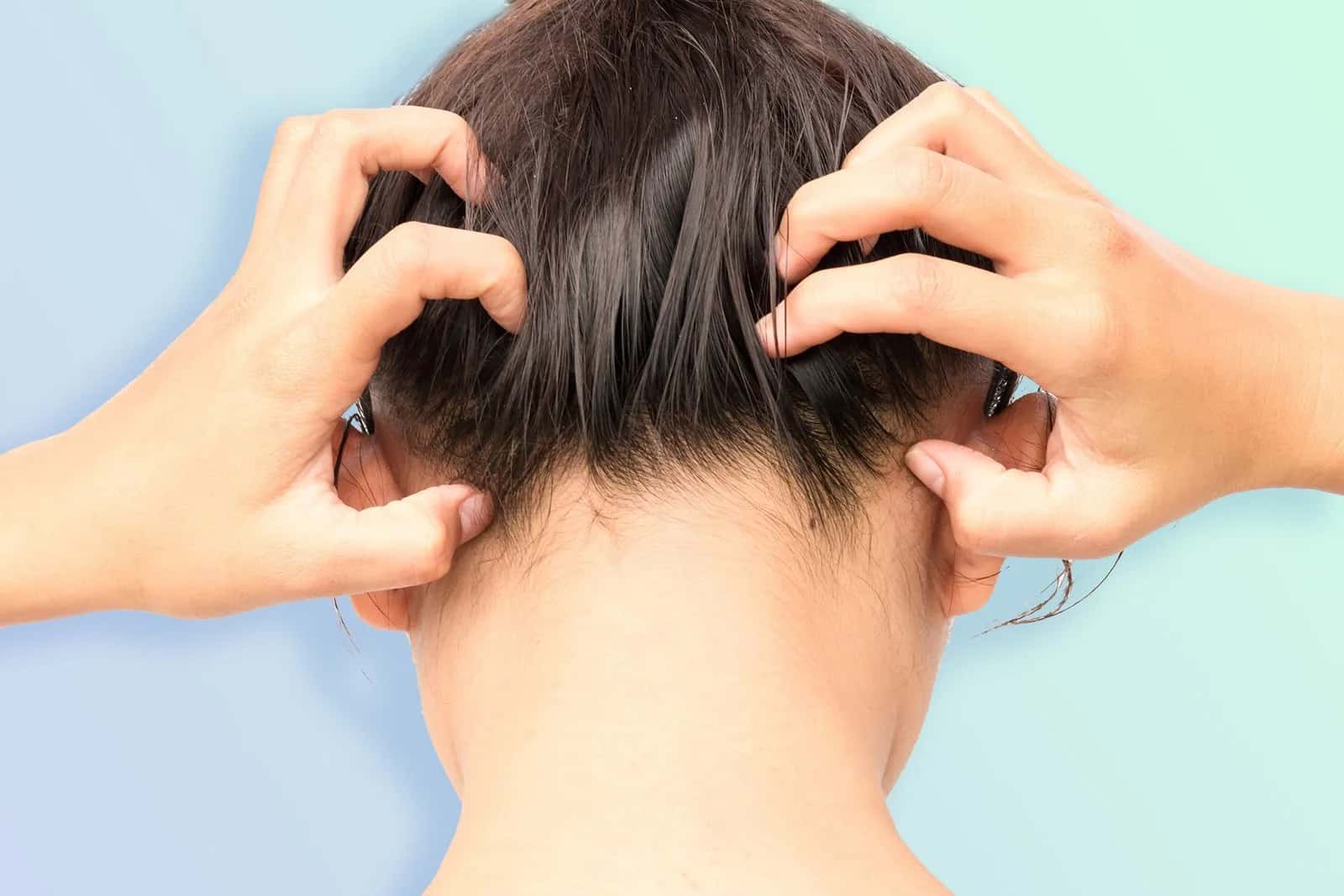
Air conditioning can dry out your scalp by reducing indoor humidity and affecting the skin's ability to maintain adequate moisture. Prolonged exposure to dry, cooled air may contribute to itching, flaking, tightness, and irritation, particularly when the scalp is already sensitive or prone to dryness.

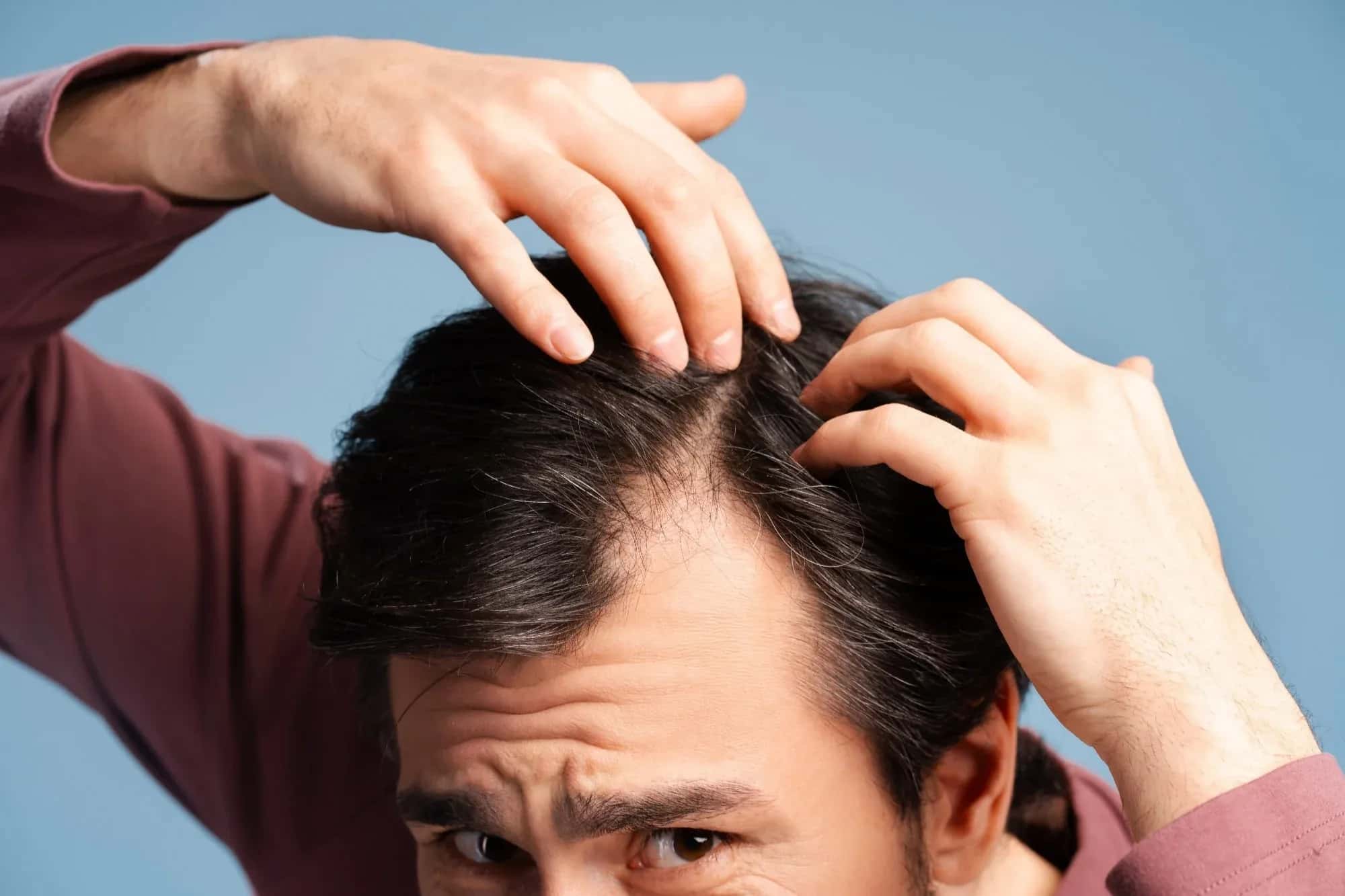
Certain dietary supplements can cause hair loss when taken in excessive amounts, particularly products containing high doses of vitamin A, selenium, or other concentrated nutrients. While supplements can help correct nutritional deficiencies that affect hair growth.

Spironolactone for female hair loss can help slow progressive thinning and improve hair density by reducing the effects of androgens on sensitive hair follicles. Although this prescription medication is not specifically approved for hair loss, clinical research supports its use in selected women.
Subscribe to the Medifinder newsletter and never miss our latest content.