










How Painful Is a Hair Transplant?
Learn how much pain is normal after a hair transplant, how FUE and FUT recovery differ, when discomfort should improve and which symptoms require medical attention.

- Last updated
- 131 reads
- 10 min read


Pain is one of the first concerns many people have before hair restoration surgery. Photographs taken immediately after the procedure may show redness, small wounds and swelling, making the recovery period appear more uncomfortable than it usually is. In most uncomplicated cases, however, pain after a hair transplant is mild to moderate, temporary and manageable with the medication recommended by the clinic.
The exact level of discomfort varies. Your pain tolerance, the extraction technique, the number of grafts, the duration of surgery and the condition of the donor area can all affect how you feel afterward. Some patients describe little more than tightness or tenderness, while others experience a dull ache during the first night.
Pain should generally become easier each day rather than intensify. Severe, worsening or unusually localised pain is not something you should simply endure. It may indicate excessive swelling, infection, bleeding or another postoperative problem that needs assessment.
Does a Hair Transplant Hurt During the Procedure?
Hair transplantation is generally performed under local anaesthesia. The injections used to numb the scalp may create brief stinging, pressure or a burning sensation. For many patients, this is the most uncomfortable part of the operation.
Once the anaesthetic has taken effect, you should not feel sharp pain while follicles are harvested or implanted. You may still notice pressure, pulling, vibration or movement on the scalp. These sensations can feel unusual, but they should not be painful.
Because a hair transplant may take several hours, the effect of the local anaesthetic can gradually decrease. The surgical team can usually provide additional anaesthesia when necessary. You should tell them immediately if you begin to feel sharp or increasing pain instead of trying to tolerate it silently.
Long procedures may also cause neck, shoulder or lower-back discomfort because you remain in one position for an extended period. This is different from surgical pain and can often be improved by changing position or taking an appropriate break.
How Much Pain Is Normal After a Hair Transplant?
Most patients experience discomfort rather than severe pain. A typical description might include tenderness at the back of the head, a tight feeling when lying down or mild soreness when the donor area touches a pillow.
On a pain scale from zero to ten, many patients might personally describe an uncomplicated recovery as being in the lower range. However, assigning one number to every hair transplant would be misleading. A score that feels mild to one person may feel more significant to another.
The discomfort is usually most noticeable after the local anaesthetic wears off, often later on the day of surgery or during the first night. It should then gradually improve over the following two or three days. Comparative research has found that postoperative pain tends to be lower after FUE than after FUT and that pain following uncomplicated surgery often becomes minimal within the first few days.
You may continue to notice tenderness, numbness, tingling or itching after the actual pain has improved. These sensations can persist for longer because small nerve endings and skin tissues need time to recover.
Where Is the Pain Usually Felt?
Postoperative discomfort is often more noticeable in the donor area than in the recipient area. The donor area is usually located at the back and sides of the scalp, where follicles are removed.
After FUE, the donor region contains many tiny extraction points. It may feel sore, sensitive or slightly burning, particularly when placed against a pillow. The recipient area, where the grafts are inserted, may feel tight or tender but should not usually produce intense pain.
After FUT, a strip of scalp is removed from the donor region and the incision is closed. This can cause a pulling sensation, tightness or a deeper ache at the back of the head. Sudden neck movements or lying directly on the incision may make the discomfort more noticeable.
Forehead swelling can also create heaviness or pressure even when the transplanted area itself is not painful. Swelling commonly moves downward because of gravity and may become visible around the forehead or upper eyelids before resolving.
Does FUE Hurt Less Than FUT?
FUE and FUT use different methods to collect donor follicles, which affects the recovery experience.
During follicular unit extraction, individual follicular units are removed through small circular openings. There is no long linear incision. Patients often report limited donor-site discomfort, although soreness may increase when a large area has been harvested or when the procedure involves a high number of grafts.
During follicular unit transplantation, a strip of tissue is removed from the donor region and the wound is closed with sutures or staples. The incision can create more tension and postoperative soreness, particularly during the first few nights. Research comparing the two methods has generally found lower early pain following FUE.
This does not mean that FUE is painless or that FUT always causes significant pain. Surgical technique, scalp flexibility, closure tension and individual sensitivity can change the experience considerably.
The term DHI is sometimes presented as a completely separate extraction method. In practice, follicles are commonly harvested using an FUE approach and then implanted with a pen-shaped device. The extraction method and the overall extent of surgery may therefore influence pain more than the marketing name used for implantation.
What Should You Expect During the First Week?
The first evening
As the anaesthetic wears off, you may notice tenderness, tightness or a dull ache. The donor area may feel uncomfortable when it touches the pillow. Taking the medication recommended by your surgical team at the correct time may prevent discomfort from becoming more difficult to control.
A small amount of spotting on the dressing may occur. Persistent or heavy bleeding is different and should be reported.
Days one and two
Discomfort may remain noticeable, particularly after a long procedure or FUT surgery. Swelling may begin around the forehead. The scalp can feel tight, and the donor area may be sensitive during washing.
Pain should remain manageable and should not be rapidly increasing. The recipient area must not be rubbed, scratched or pressed.
Days three and four
For many patients, actual pain has become minimal by this point. Tightness, numbness and itching may replace the initial soreness. Swelling can sometimes move toward the eyelids before gradually improving.
Although the scalp may feel better, the grafts still require careful handling. Feeling less pain does not mean that you can immediately return to strenuous exercise or aggressive washing.
Days five to seven
Tenderness usually continues to settle. Small crusts remain visible in the recipient area, while the donor sites begin to look less inflamed. FUT patients may still feel tension around the linear incision, especially when bending the neck.
Modern FUE is generally associated with a relatively quick recovery, but pain, itching, temporary numbness, swelling and minor bleeding remain recognised early postoperative complaints.
What Can Make Hair Transplant Pain Worse?
A larger procedure may cause more discomfort simply because a wider donor and recipient area has been treated. Long operating times, dense extraction, inadequate anaesthesia and excessive wound tension can also affect postoperative pain.
Sleeping directly on the donor region may increase soreness. Sleeping completely flat can also make swelling more noticeable during the first few days, depending on the instructions provided by your surgeon.
Alcohol, smoking and strenuous activity may interfere with early recovery. Exercise can raise blood pressure and increase throbbing, swelling or bleeding. Touching the scalp repeatedly, wearing an unsuitable hat or scratching itchy areas can irritate healing tissue.
Pain may also feel worse when medication is taken inconsistently. You should follow the schedule provided by the clinic rather than waiting until discomfort becomes severe.
Stress and poor sleep can change the way pain is perceived. It is common to feel more aware of every sensation during the first night, particularly when you are worried about damaging the grafts.
How Can You Manage Pain Safely?
Use only the pain medication recommended or approved by your surgical team. The correct choice depends on your medical history, allergies and other medicines you take.
Do not automatically add aspirin, anti-inflammatory medication, supplements or herbal products. Some products can affect bleeding or interact with prescribed medicines. A drug that was safe during a previous illness may not be suitable immediately after surgery.
Keep your head in the position recommended by the clinic. Many patients are advised to sleep with the upper body slightly raised during the early recovery period. A travel pillow may reduce accidental contact with the recipient area and help prevent turning during sleep.
A cold compress may sometimes be used near the forehead for swelling, but it should never be placed directly on newly implanted grafts unless your surgeon has specifically instructed you to do so. Pressure, moisture and very low temperatures can disturb the treated area.
Follow the washing instructions carefully. Very hot water, strong shower pressure, scratching and vigorous towel drying can irritate the scalp. The clinic may ask you to use a particular lotion, foam or shampoo during the first several days.
Drink enough water, eat regular meals and rest. Sudden standing after a long procedure can cause dizziness, especially when you are tired, dehydrated or have not eaten adequately.
Is Burning, Itching or Numbness Normal?
A mild burning feeling in the donor area can occur as the local anaesthetic wears off. It should gradually settle and remain manageable.
Itching is also common during healing. It may affect both the extraction and implantation areas. You should not scratch the scalp or try to remove crusts with your fingernails. Ask the clinic what you can use if the itching becomes difficult to tolerate.
Temporary numbness or altered sensation can develop because small skin nerves are affected during the creation of extraction and implantation sites. You may notice reduced sensation, tingling or occasional brief “electric” feelings. These symptoms often improve gradually, although sensory recovery may take longer than visible wound healing.
Contact the clinic if numbness is accompanied by severe pain, muscle weakness, rapidly changing skin colour or symptoms extending well beyond the treated area.
When Is Pain After a Hair Transplant Not Normal?
Pain deserves prompt attention when it is severe, continues to worsen after the first few days or is concentrated in one increasingly red and swollen area. A normal recovery should trend toward improvement.
Contact your surgeon or clinic promptly if you notice:
- Increasing pain that does not respond to the recommended medication
- Spreading redness, warmth or swelling
- Yellow or green discharge
- An unpleasant smell from the scalp
- Fever, chills or unusual weakness
- Persistent bleeding
- A painful, soft swelling that may contain fluid
- Severe headache or repeated vomiting
- Dark, grey, blistered or blackened skin
- Sudden loss of sensation with worsening swelling
Minor redness and crusting are expected, but spreading redness with heat, pus and increasing tenderness may indicate infection. Darkening skin, blisters or severe local pain can signal impaired blood supply and require urgent evaluation. Although serious complications are uncommon, reported problems include infection, wound separation, tissue necrosis, bleeding and significant inflammation.
Do not wait for a scheduled follow-up when symptoms are clearly becoming worse.
When Should You Seek Emergency Care?
Most postoperative concerns can be handled by contacting the hair transplant clinic. Certain symptoms, however, require emergency medical attention.
Seek urgent help if you develop difficulty breathing, swelling of the lips or tongue, widespread hives, fainting, chest pain or severe shortness of breath. These signs may indicate a serious allergic or cardiovascular reaction.
You should also seek emergency assessment for uncontrolled bleeding, confusion, a sudden severe headache, weakness on one side of the body or major visual changes.
Take your medication list and procedure details with you. Inform the emergency team that you recently underwent hair transplantation and mention any sedatives, antibiotics, pain medicines or local anaesthetic drugs used.
Can Pain Start Several Weeks Later?
New pain that begins after the scalp initially healed should not automatically be considered part of normal recovery. It may be associated with folliculitis, an inflamed cyst, an ingrown hair or irritation from a product.
Folliculitis may appear as tender red bumps or small spots containing pus. Mild cases can settle, but painful, spreading or recurrent lesions should be examined. You should not squeeze them or apply unapproved creams.
Persistent nerve-related discomfort is less common. It may feel burning, shooting or unusually sensitive to light touch. An examination is appropriate when this type of pain continues, disrupts sleep or becomes more intense.
FUT patients can occasionally experience longer-lasting discomfort along the scar. Tightness that does not improve, widening of the scar or persistent localised pain should be discussed with the surgeon.
Does Severe Pain Mean the Grafts Have Failed?
Pain alone does not determine whether grafts will survive. Temporary donor soreness or tightness can occur even when healing and graft growth proceed normally.
The final result also cannot be judged during the first few weeks. Transplanted hair shafts commonly shed before new growth begins. This expected shedding is not the same as losing the follicles.
Severe pain combined with signs such as infection, tissue darkening or significant bleeding may threaten healing and requires prompt treatment. Early communication with the clinic is therefore important.
Avoid checking grafts repeatedly in the mirror or touching them to see whether they feel secure. Following the postoperative plan offers better protection than trying to assess individual follicles yourself.
- Last updated
- Language
- English
How did you find this article?
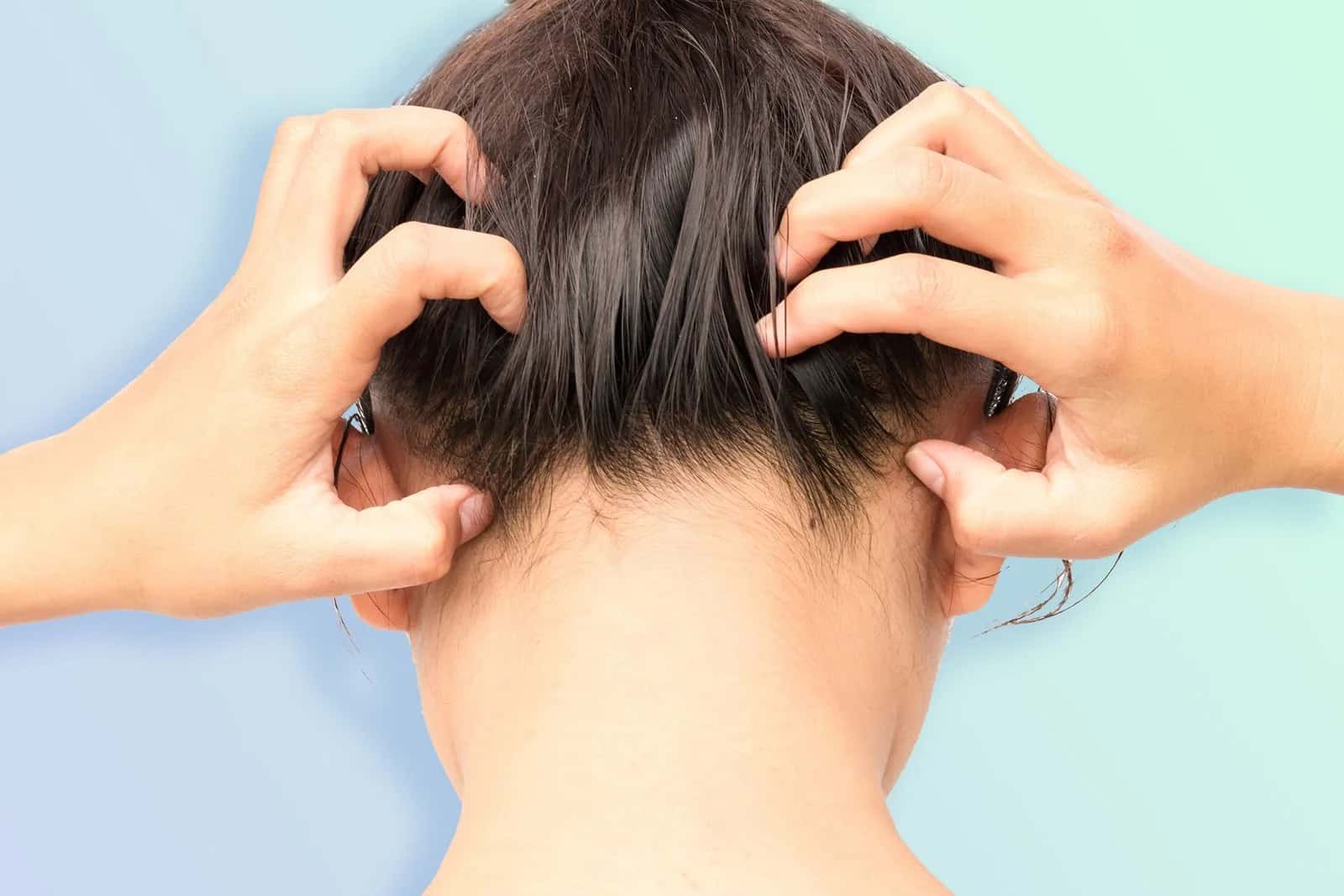
Air conditioning can dry out your scalp by reducing indoor humidity and affecting the skin's ability to maintain adequate moisture. Prolonged exposure to dry, cooled air may contribute to itching, flaking, tightness, and irritation, particularly when the scalp is already sensitive or prone to dryness.
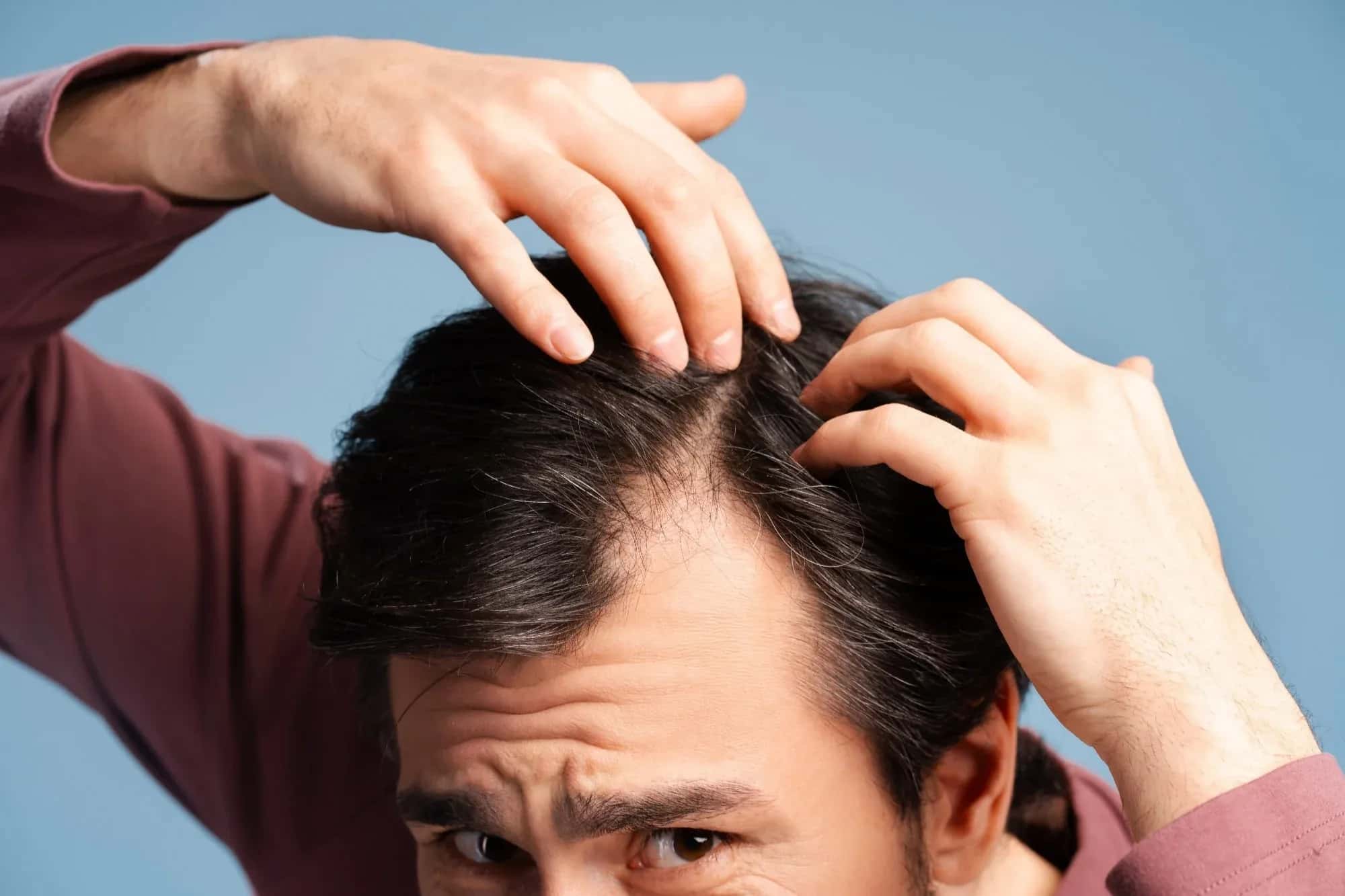
Certain dietary supplements can cause hair loss when taken in excessive amounts, particularly products containing high doses of vitamin A, selenium, or other concentrated nutrients. While supplements can help correct nutritional deficiencies that affect hair growth.
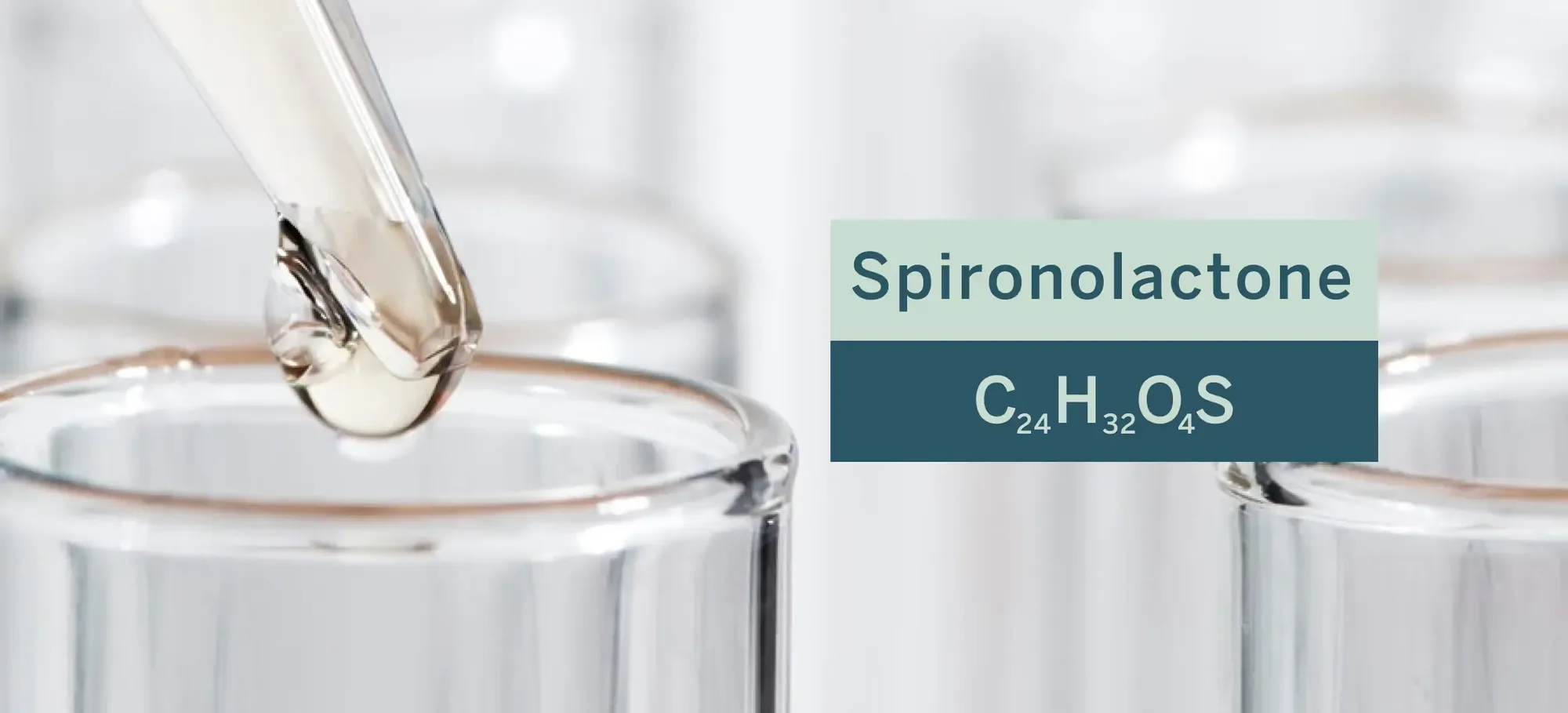
Spironolactone for female hair loss can help slow progressive thinning and improve hair density by reducing the effects of androgens on sensitive hair follicles. Although this prescription medication is not specifically approved for hair loss, clinical research supports its use in selected women.
Subscribe to the Medifinder newsletter and never miss our latest content.