










How Many Hairs Are in One Graft?
This guide explains how many hairs one graft can contain, why follicular units differ, and how hair count influences density, coverage, hairline design, and transplant planning.

- Last updated
- 47 reads
- 10 min read
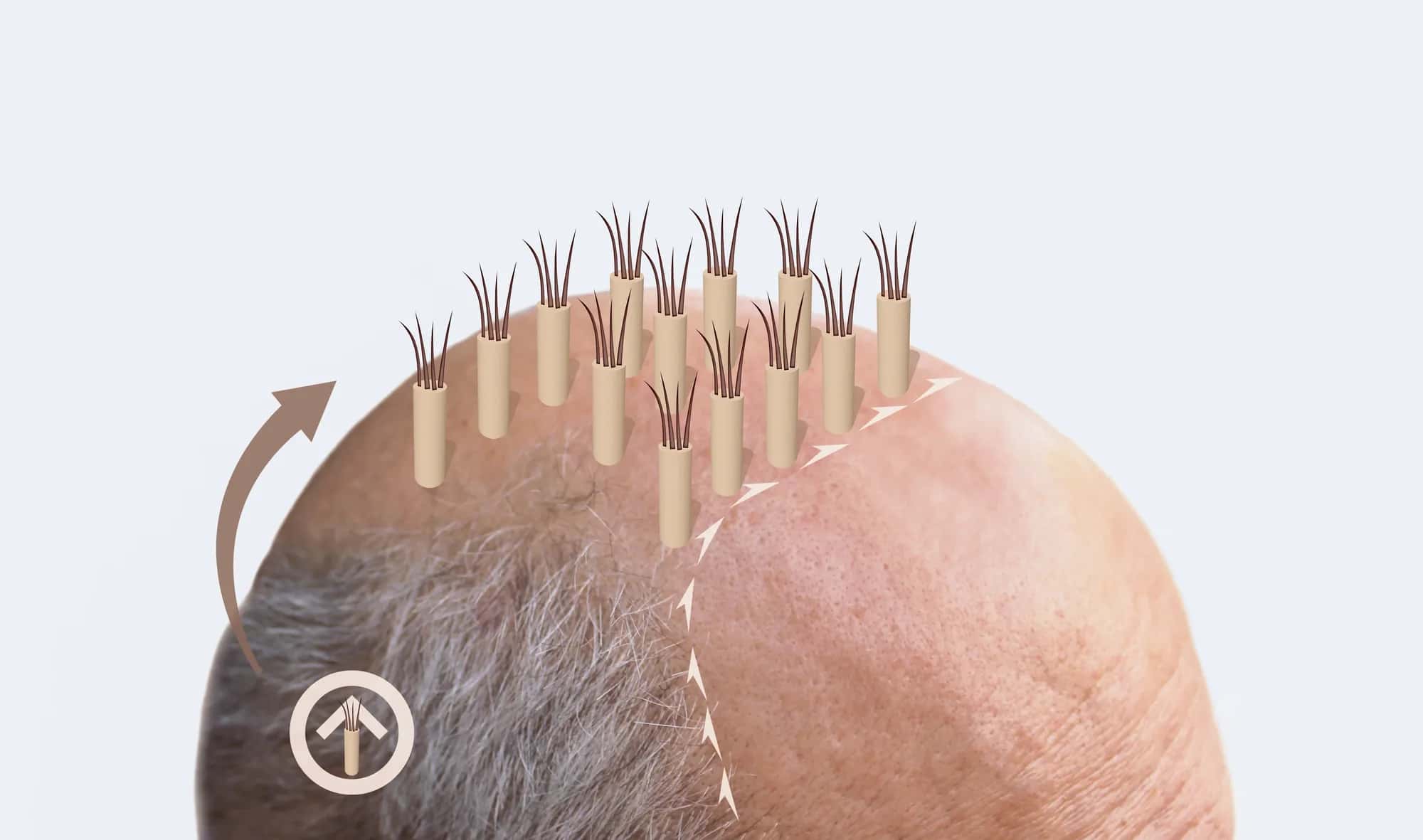


How Many Hairs Are Usually in One Graft?
One hair transplant graft usually contains between one and four hairs, although some naturally occurring follicular units can contain more. A graft represents a follicular unit removed from the donor area rather than one individual hair.
Many donor regions contain a mixture of single, double, triple, and four-hair units. This mixture determines how many actual hairs a given graft count represents.
For example, 2,000 grafts do not necessarily equal 2,000 hairs. If the average graft contains slightly more than two hairs, the same session can transplant well over 4,000 individual hairs into the recipient area.
Is One Graft the Same as One Hair?
One graft is not the same as one hair because a single follicular unit can naturally contain several individual hair shafts. During transplantation, the complete unit usually moves from the donor area to the recipient area together.
This distinction matters when comparing treatment plans. Two people can both receive 2,500 grafts but receive noticeably different numbers of individual hairs.
A donor area rich in double and triple follicular units can provide more visual coverage from the same graft count. For this reason, evaluating only the number of grafts can oversimplify the real amount of transplanted hair.
What Is a Follicular Unit in Hair Transplantation?
A follicular unit is a naturally occurring group of one or more hairs that grow together through the scalp within a closely connected anatomical structure. Hair transplant surgery usually preserves these natural groupings during extraction and implantation.
One follicular unit may contain a single hair, while another nearby unit may contain two, three, or four hairs. Small supporting structures also accompany the follicles within the graft.
Modern transplantation uses these natural units because they allow precise placement and natural-looking distribution. Treating each visible hair as a separate graft would unnecessarily disrupt the follicular architecture and increase the number of recipient sites required.
Can One Graft Contain More Than Four Hairs?
Some grafts can naturally contain more than four hairs, although one to four hairs per follicular unit remains more common in routine donor areas. Larger units contribute substantial density because several shafts grow from a compact area.
These high-hair-count grafts usually work best behind the frontal hairline, where stronger density creates useful visual coverage. Placing very large units directly at the leading edge can make the hairline appear too heavy.
The exact distribution differs between individuals. A donor area containing many multi-hair units can produce a higher total hair count even when the transplanted graft number remains moderate.
How Many Hairs Are in 1,000 Grafts?
One thousand grafts may contain roughly 1,800 to 2,500 hairs when the donor area provides a typical mixture of single and multi-hair follicular units. The exact number depends on the average hairs contained within each harvested graft.
If the average reaches two hairs per graft, 1,000 grafts provide approximately 2,000 individual hairs. A higher average increases the total without increasing the graft count.
This difference becomes important when estimating coverage. One thousand grafts dominated by single hairs will create less bulk than 1,000 grafts containing many doubles and triples, although both treatment plans report the same graft number.
How Many Hairs Are in 2,000 Grafts?
Two thousand grafts commonly represent around 3,600 to 5,000 individual hairs, depending on the donor area's average follicular-unit composition. A two-hair average would produce approximately 4,000 transplanted hairs.
Patients with many triple-hair grafts may receive a greater number of actual hairs from the same 2,000-graft session. Conversely, a donor rich in single units will produce a lower total.
The visual result also depends on shaft thickness, curl, color contrast, and placement. Hair count provides useful information, but it does not describe final density completely without considering these additional characteristics.
How Many Hairs Are in 3,000 Grafts?
Three thousand grafts may contain approximately 5,400 to 7,500 individual hairs when the donor area provides a typical mixture of follicular units. At an average of two hairs per graft, the procedure would move around 6,000 hairs.
A higher hair-to-graft ratio can increase coverage without requiring more extraction sites. This advantage becomes especially important in larger frontal and mid-scalp restoration procedures.
However, total hair count should not encourage excessive donor harvesting. The donor supply remains finite, so transplantation must balance immediate density with long-term preservation rather than simply maximizing the number of follicles moved during one session.
Why Do Some Grafts Have One Hair and Others Have Several?
Grafts contain different numbers of hairs because human scalp follicles naturally grow in follicular units containing one, two, three, or several individual shafts. This pattern forms biologically and varies throughout the donor area.
Common graft types include:
-
Single-hair follicular units
-
Two-hair follicular units
-
Three-hair follicular units
-
Four-hair follicular units
-
Occasional larger multi-hair units
The distribution differs between people and even between neighboring scalp regions. Hair transplant planning uses this natural variation strategically, placing finer single units where softness matters and stronger multi-hair grafts where greater density creates a better visual effect.
Which Grafts Are Used for the Hairline?
Single-hair grafts are usually preferred along the leading edge of the hairline because they create the soft, irregular transition seen in natural frontal growth. Larger multi-hair units can appear too dense when placed directly at the first row.
Behind this soft edge, double and triple grafts can gradually increase density while maintaining a natural transition. This layered distribution helps the hairline avoid a plug-like appearance.
Hairline design therefore depends on more than drawing the frontal position. Selecting the correct graft type for each zone allows the transplanted hair to move naturally from finer frontal detail toward stronger density behind it.
Why Are Multi-Hair Grafts Important for Density?
Multi-hair grafts are important for density because each follicular unit can place several individual hairs into one compact recipient site. This allows a limited graft supply to create stronger visual coverage across the scalp.
Double and triple grafts are particularly valuable behind the hairline and through the mid-scalp. They increase the number of visible shafts without requiring the same number of separate incisions.
Their placement still requires control because concentrating too many strong units in one area can create an unnatural transition. Strategic distribution combines multi-hair grafts with finer units so density increases gradually rather than appearing abruptly.
Does a Higher Hair-to-Graft Ratio Improve Coverage?
A higher hair-to-graft ratio usually improves visual coverage because more individual hairs grow from the same number of transplanted follicular units. This advantage becomes especially valuable when donor graft supply is limited.
For example, 2,500 grafts averaging 2.4 hairs each provide more total hair than 2,500 grafts averaging 1.8 hairs each. The difference can become noticeable across a large recipient area.
However, hair shaft thickness and curl also affect coverage significantly. A lower numerical ratio can still produce strong density when the strands are coarse, while fine straight hair may reveal more scalp between individual hairs.
How Is the Average Hair Count per Graft Calculated?
The average hair count per graft is calculated by dividing the total number of transplanted hairs by the total number of transplanted follicular-unit grafts. This creates a simple hair-to-graft ratio.
For example, 4,400 individual hairs divided across 2,000 grafts produce an average of 2.2 hairs per graft. The number helps describe donor follicular composition more accurately than graft count alone.
Averages can hide variation, however, because the transplant may contain hundreds of single, double, triple, and four-hair units. For planning purposes, the distribution of those graft types can matter as much as the final mathematical average.
Does Hair Type Affect the Number of Hairs in a Graft?
Hair type can influence the follicular-unit characteristics found in the donor area, but texture alone does not reliably predict how many hairs every graft will contain. Individual biology determines whether units contain one, two, three, or more hairs.
Hair caliber and curl often influence visual density more directly than numerical hair count. Thick or curved strands cover more scalp surface, so a moderate graft count may produce substantial fullness.
Fine straight hair usually provides less coverage per individual shaft. In those cases, a favorable proportion of multi-hair grafts can become particularly valuable for building density behind the frontal hairline.
Do Curly Hair Grafts Contain More Hairs?
Curly hair grafts do not automatically contain more hairs because curl pattern and follicular-unit hair count represent separate biological characteristics. A tightly curled graft may contain one hair, while a straight graft can contain three.
Curly hair can still create stronger visual coverage because each strand bends across more scalp surface and overlaps neighboring hairs. This can make the same number of transplanted hairs appear fuller.
For transplantation, both factors matter independently. The number of hairs within each graft influences numerical density, while curl influences how effectively those hairs cover the scalp after they grow to sufficient length.
Does Donor Density Affect Hair Count per Graft?
Donor density and hair count per graft are related but separate measurements because density describes follicular units within an area, while graft composition describes hairs inside each unit. A dense donor does not automatically contain more hairs within every graft.
One person may have many follicular units per square centimeter but a moderate hair-to-graft ratio. Another may have fewer units yet contain a high proportion of doubles and triples.
Both characteristics affect transplant capacity. High follicular density provides more potential grafts, while strong multi-hair composition increases the number of hairs moved with those grafts. Together, they influence overall donor value.
Can Grafts Be Split During a Hair Transplant?
Selected follicular units can sometimes be divided under magnification when their anatomical structure allows separation without damaging the individual follicles. However, routinely splitting healthy multi-hair grafts can sacrifice the density advantage those units provide.
Hairline planning occasionally benefits from additional single-hair units when the donor contains too few natural singles. Careful preparation can help create finer frontal placement while preserving follicle integrity.
The goal should not be to inflate the reported graft count artificially. Turning one multi-hair unit into smaller grafts increases the numerical graft total without creating additional hairs, so hair count remains unchanged.
Is Graft Count or Hair Count More Important?
Graft count and hair count both matter because graft numbers describe transplanted follicular units, while hair numbers show how many individual shafts those units can eventually produce. Neither figure should be interpreted alone.
Graft count helps estimate recipient-site distribution and donor harvesting. Hair count provides a better understanding of the actual amount of transplanted hair.
Visual density still depends on more than either number. Shaft diameter, curl, hair color, scalp contrast, recipient size, and placement pattern influence the final appearance. A useful treatment plan therefore evaluates both graft quantity and follicular quality together.
How Do FUE and DHI Affect Hair Count per Graft?
FUE and DHI do not inherently change how many hairs naturally exist within each follicular unit because graft composition comes from the donor anatomy. FUE describes individual graft extraction, while DHI generally refers to an implantation method.
During either approach, preserving every follicle within a multi-hair graft remains important. Damage during extraction or preparation can reduce the number of viable hairs even when the graft itself reaches the recipient area.
Careful handling therefore protects the original hair-to-graft ratio. The technique label matters less than whether the complete follicular unit survives harvesting, storage, preparation, and implantation.
Can Two Patients With the Same Graft Count Get Different Density?
Two patients receiving the same graft count can achieve noticeably different visual density because their grafts may contain different numbers of hairs and their hair characteristics may differ. A 3,000-graft transplant is therefore not identical across patients.
One donor may provide many triples with thick, wavy shafts, while another provides more single and double grafts with fine straight hair. The first combination can create stronger coverage from the same numerical graft total.
Recipient size also changes the result. Spreading 3,000 grafts across a small frontal area creates greater density than distributing the same amount across the frontal scalp, mid-scalp, and crown.
What Is a Good Hair-to-Graft Ratio for a Hair Transplant?
A hair-to-graft ratio around two hairs per graft commonly represents a useful overall average, although healthy donor areas can fall above or below that figure. The ideal ratio depends on natural follicular-unit composition rather than a fixed target.
A transplant needs enough single-hair units for a soft hairline and enough multi-hair grafts to create density behind it. Therefore, the highest possible average is not always the only objective.
Good planning uses the donor distribution efficiently. The strongest result combines appropriate graft numbers, favorable hair characteristics, correct graft selection, natural placement, and enough remaining donor density for future needs.
- Last updated
- Language
- English
How did you find this article?
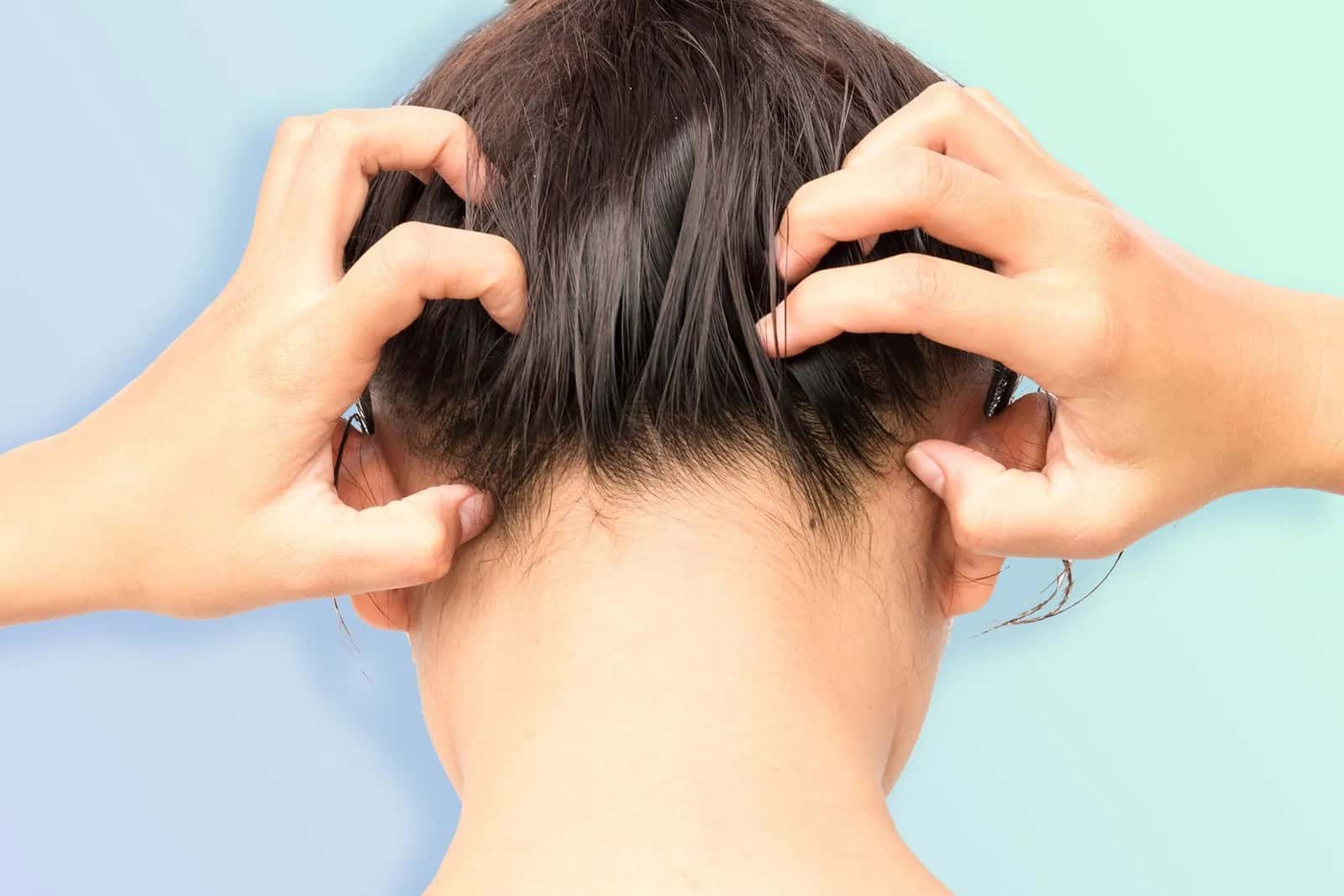
Air conditioning can dry out your scalp by reducing indoor humidity and affecting the skin's ability to maintain adequate moisture. Prolonged exposure to dry, cooled air may contribute to itching, flaking, tightness, and irritation, particularly when the scalp is already sensitive or prone to dryness.
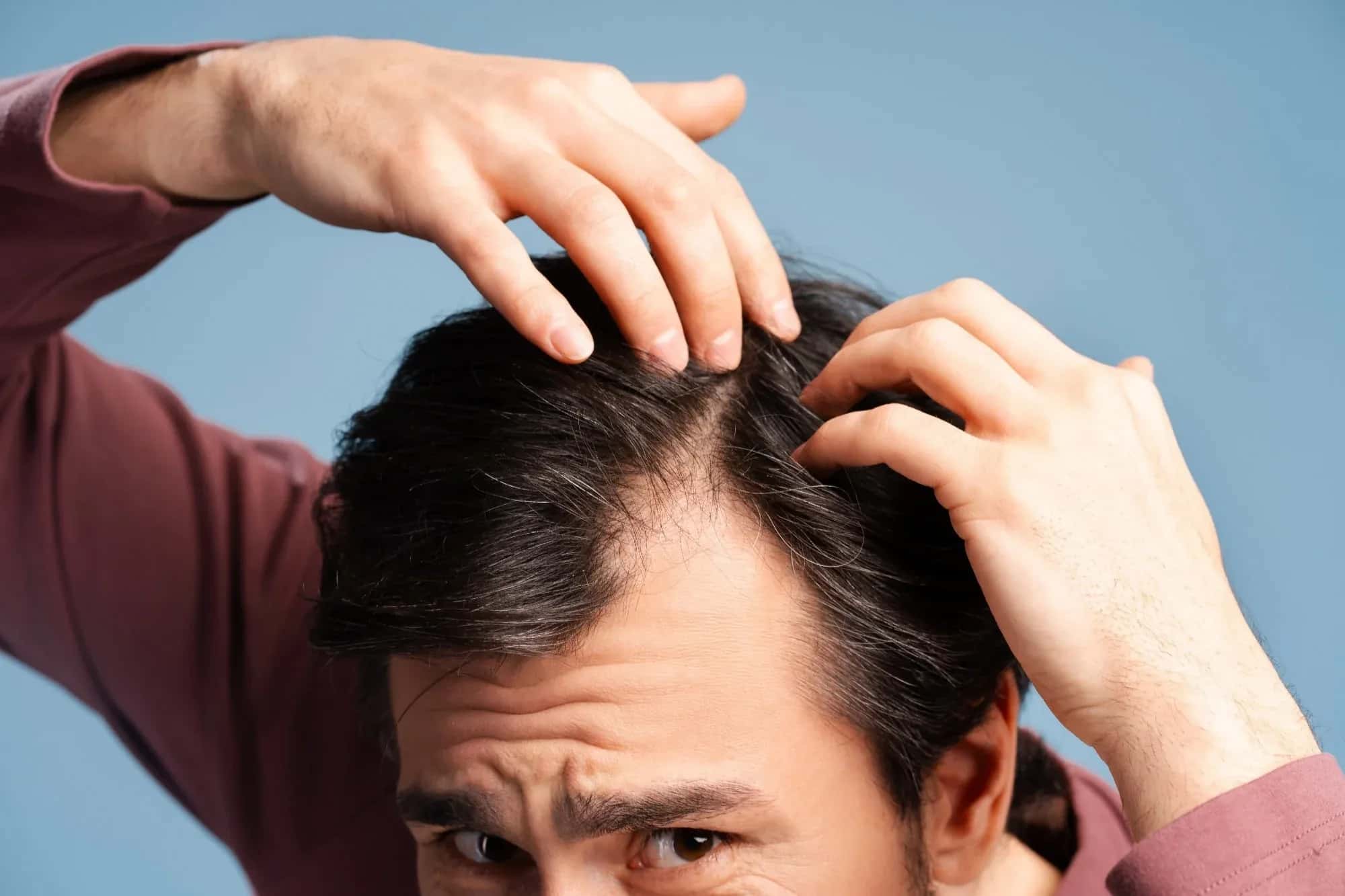
Certain dietary supplements can cause hair loss when taken in excessive amounts, particularly products containing high doses of vitamin A, selenium, or other concentrated nutrients. While supplements can help correct nutritional deficiencies that affect hair growth.
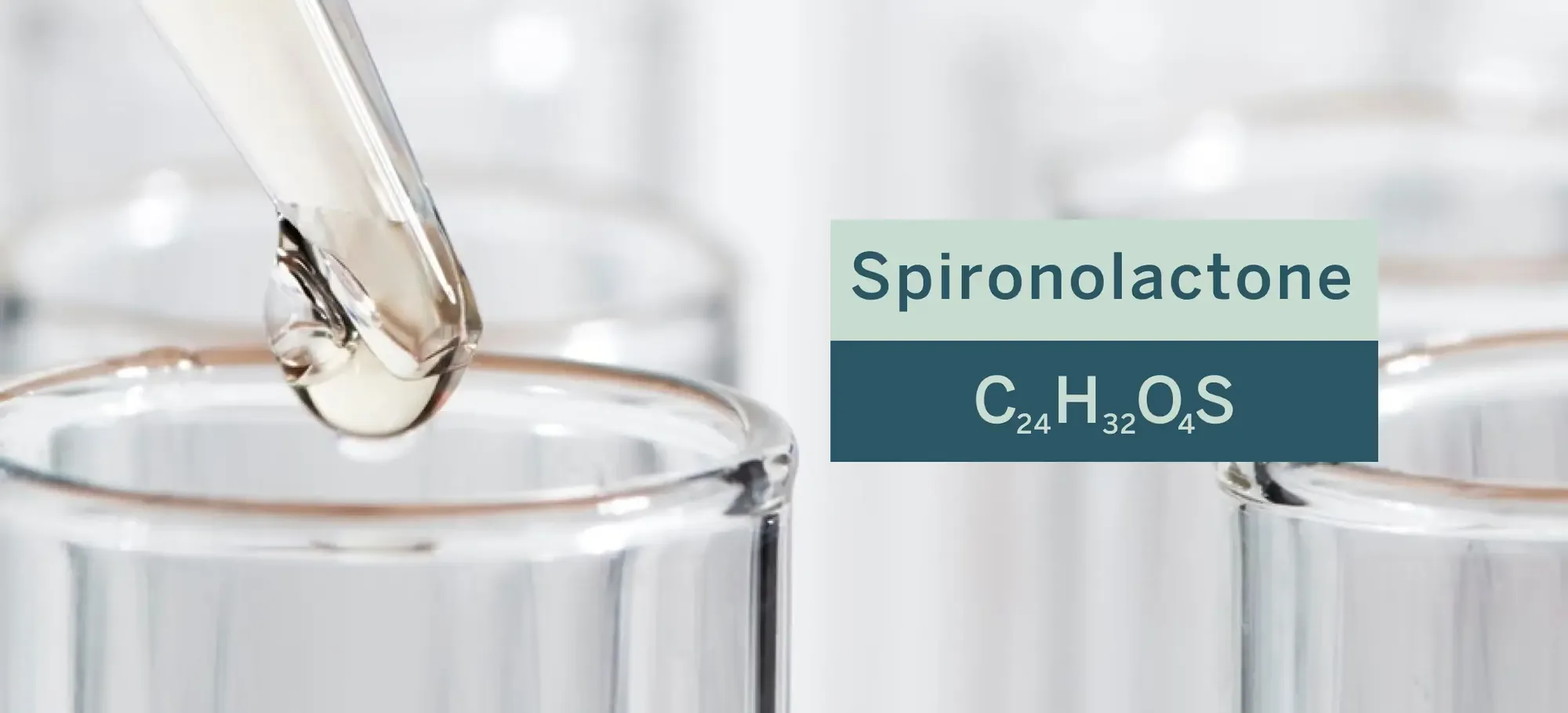
Spironolactone for female hair loss can help slow progressive thinning and improve hair density by reducing the effects of androgens on sensitive hair follicles. Although this prescription medication is not specifically approved for hair loss, clinical research supports its use in selected women.
Subscribe to the Medifinder newsletter and never miss our latest content.