










How Many Hair Transplant Grafts Needed for Full Restoration?
Discover exactly how to calculate the hair transplant grafts needed for full restoration. Learn about donor area limits, density goals, and achieving permanent results.

- Last updated
- 79 reads
- 8 min read


Determining the precise number of hair transplant grafts needed for full restoration forms the absolute foundation of a successful clinical outcome. Patients often walk into clinics with grand expectations, but understanding the biological and mathematical realities of scalp density changes everything. When evaluating the hair transplant grafts needed for full restoration, surgeons analyze your unique scalp laxity, the extent of the balding area, and the follicular density of your donor zone. You cannot simply pick a random number and expect a dense, natural-looking hairline. Every individual possesses a finite supply of healthy follicles, making strategic extraction and placement crucial. If you want to achieve permanent, aesthetically pleasing coverage without depleting your donor reserves, you must understand how this critical calculation works.
Understanding the Anatomy of a Hair Graft
Before diving into complex mathematical formulas and coverage calculations, you need to know what a graft actually is. Many people incorrectly use the terms "graft" and "hair" interchangeably, which leads to massive confusion regarding surgical expectations. A single follicular unit, commonly referred to as a graft, contains anywhere from one to four individual hair strands growing together in a tiny bundle. When a surgical team extracts these units from the back of your head, they carefully examine under a microscope and classify them based on the exact number of hairs they hold.
This classification plays a monumental role in the aesthetic success of your procedure. Single-hair grafts work perfectly for recreating a soft, natural, and undetectable frontal hairline. Placing multi-hair grafts directly in the front row creates a harsh, artificial "doll-hair" appearance that instantly gives away the surgery. Conversely, double, triple, or quadruple-hair grafts add immense volume and density to the mid-scalp and crown areas. Therefore, receiving a 3,000 graft procedure could actually yield anywhere from 6,000 to 7,500 individual hairs. Knowing this biological distinction helps you better visualize the final density you will achieve after the healing process completes.
The Norwood Scale and Graft Estimation
Clinics globally rely on the Norwood scale to classify the progression of male pattern baldness and estimate the required surface coverage accurately. Your specific position on this scale directly dictates the surgical approach and the volume of tissue required. If you suffer from a slightly receding hairline or thinning temples (Norwood 2 or 3), you might only require 1,500 to 2,500 grafts to rebuild a solid front and frame your face properly.
However, if your hair loss extends deeply into the crown and the top of your head becomes entirely slick (Norwood 5 or 6), the total surface area requiring coverage expands dramatically. In such advanced cases, achieving full, dense coverage in a single session becomes anatomically impossible and medically dangerous. You might need upwards of 5,000 to 7,000 grafts to restore the entire scalp. Surgeons usually split this massive requirement across two separate surgical sessions spaced at least eight to twelve months apart. Attempting to extract and plant too many follicles in one single day severely compromises the blood supply to the scalp. A compromised blood supply drastically lowers the survival rate of the newly implanted tissue, resulting in poor growth and wasted donor hair.
Evaluating the Donor Area Capacity
Your donor area, typically the horseshoe-shaped region at the back and sides of your head, serves as your only reliable source of permanent hair. This specific region possesses a finite bank of follicles genetically resistant to the DHT hormone, the primary culprit behind pattern baldness. You cannot simply demand 6,000 grafts if your donor area only safely holds 4,000.
Overharvesting this safe zone leads to a patchy, moth-eaten appearance at the back of your head, effectively trading baldness on top for severe scarring and thinning in the back. A skilled surgical team utilizes microscopic analysis to measure your donor density—usually expressed as the number of grafts per square centimeter. By calculating the total safe extraction yield, they determine exactly how much territory they can realistically cover. If your donor area lacks the necessary density, the surgeon must prioritize framing the face and rebuilding the frontal hairline, leaving the crown slightly thinner to maintain an overall natural balance.
Achieving Natural Density vs. Original Density
One of the most crucial mental shifts you must make during your hair restoration journey involves understanding the distinct difference between natural-looking surgical density and your original teenage density. In your youth, your scalp likely held about 80 to 100 follicular units per square centimeter. Once you lose that hair, restoring that original mathematical density remains entirely impossible because you simply lack the donor supply to cover the bald area at that concentration.
Fortunately, the human eye cannot detect hair thinning until you lose about 50 percent of your original density. By strategically implanting 40 to 50 grafts per square centimeter, surgeons create the perfect illusion of a full head of hair. The strategic placement, proper angulation, and careful distribution of multi-hair grafts block light from reflecting off the scalp. When light cannot hit the bare skin, your new hair looks dense, thick, and completely natural to the naked eye. Mastering this illusion separates an average surgeon from a true master of aesthetic restoration.
Advanced Techniques: FUE and DHI Graft Survival Rates
The specific extraction and implantation methods your clinic uses directly influence how many follicles survive the traumatic journey from the back of your head to the bald regions. Follicular Unit Extraction (FUE) and Direct Hair Implantation (DHI) currently stand as the industry standards for modern restoration. During standard FUE, specialists use a sapphire blade to open micro-channels in the recipient area before delicately placing the grafts into these slits with forceps.
DHI utilizes a specialized Choi implanter pen to inject the graft directly into the scalp without creating pre-made incisions. Both techniques aim to minimize the time follicles spend outside the body, preserving their vitality. If the surgical team handles the delicate tissue roughly or leaves the grafts out of a chilled, nutrient-rich preservation solution for too long, the cells will die before taking root. High survival rates mean you need fewer total extractions to achieve your desired visual density. This efficiency protects your limited donor reserves, keeping them intact for any potential future needs.
Long-Term Planning for Progressive Hair Loss
Hair loss behaves as a relentless, progressive condition. While the transplanted hairs remain permanent and resistant to DHT, the native hairs surrounding them may continue to thin and fall out over the coming decades. You must approach your restoration journey with a long-term strategy rather than focusing solely on immediate gratification.
If you demand that your surgeon depletes your entire donor supply to build a low, aggressive, straight hairline in your early twenties, you will have absolutely nothing left to cover the mid-scalp or crown when those areas inevitably go bald in your forties. You will end up with an unnatural band of thick hair at the front and a completely bald vertex behind it. Responsible planning involves creating a mature, age-appropriate hairline that will look natural at age thirty and age sixty. Furthermore, incorporating supportive therapies like Minoxidil or Finasteride plays a vital role in slowing down native hair loss, protecting the overall aesthetic balance of your scalp for the rest of your life.
Preparing the Scalp for Maximum Yield
Before you undergo the physical procedure, preparing your scalp ensures that the maximum number of implanted units take root, thrive, and grow into thick shafts. A healthy, well-nourished scalp provides rich blood circulation, which delivers vital oxygen and essential nutrients to the newly placed tissue.
You must strictly avoid smoking and alcohol consumption for at least two weeks before the operation. Nicotine severely constricts blood vessels, effectively choking off the blood supply to your scalp and severely hindering the healing process. Alcohol thins the blood, increasing the risk of excessive bleeding during the surgery, which pushes the implanted grafts out of their channels. Additionally, maintaining optimal vitamin levels, particularly Vitamin D, Iron, Zinc, and Biotin, creates a hospitable environment for rapid cellular regeneration. When you commit to a clean, healthy lifestyle leading up to your procedure, you actively increase the percentage of successful growth.
Post-Operative Care and Final Results
The ultimate success of your restoration heavily depends on how meticulously you follow post-operative clinical instructions. During the first ten to fourteen days, the newly implanted units remain extremely fragile and vulnerable. You must sleep in a semi-upright position using a neck pillow to minimize facial swelling and completely avoid any physical trauma, such as scratching, rubbing, or bumping your head against a car door.
The clinical washing routine, utilizing specialized foams and gentle shampoos, helps soften and remove the scabs without dislodging the precious tissue anchored beneath. You will almost certainly experience a normal physiological phase called "shock loss" between the first and third months. During this time, the transplanted hair shafts shed and fall out. This natural response causes immense panic among patients, but you must remain calm; the root remains safely anchored beneath the skin, entering a resting phase. Real, permanent growth begins around the fourth month, and the hairs will progressively thicken over time. You will not see the final, mature, and fully dense result until twelve to eighteen months post-operation.
Frequently Asked Questions
How long does the actual procedure take?
The duration depends entirely on the volume of tissue being moved. A standard session involving 3,000 to 4,000 grafts typically takes between six and eight hours to complete. The day includes preparation, local anesthesia administration, the extraction phase, a lunch break, and the final implantation phase.
Can body hair be used if my donor area is weak?
Yes, surgeons can harvest hair from the beard (under the chin) or the chest to supplement a weak scalp donor area. Beard hair proves particularly useful for adding dense volume to the crown. However, body hair possesses different growth cycles and textures than scalp hair, so surgeons blend it carefully with head hair to ensure a natural look.
Is the extraction and implantation process painful?
You remain completely awake and comfortable during the procedure. The clinical team administers local anesthesia to numb both the donor and recipient areas. You will feel a slight stinging sensation during the initial anesthetic injections, which lasts only a few minutes. After the numbing takes effect, you feel absolutely zero pain, only slight pressure.
Will the transplanted hair fall out again in the future?
No, the transplanted hair originates from the safe donor zone at the back of the head, which carries a genetic resistance to DHT. These hairs retain their genetic programming even after being moved to the front or top of the head. Therefore, the transplanted hair remains permanent and will grow for the rest of your life.
- Last updated
- Language
- English
How did you find this article?
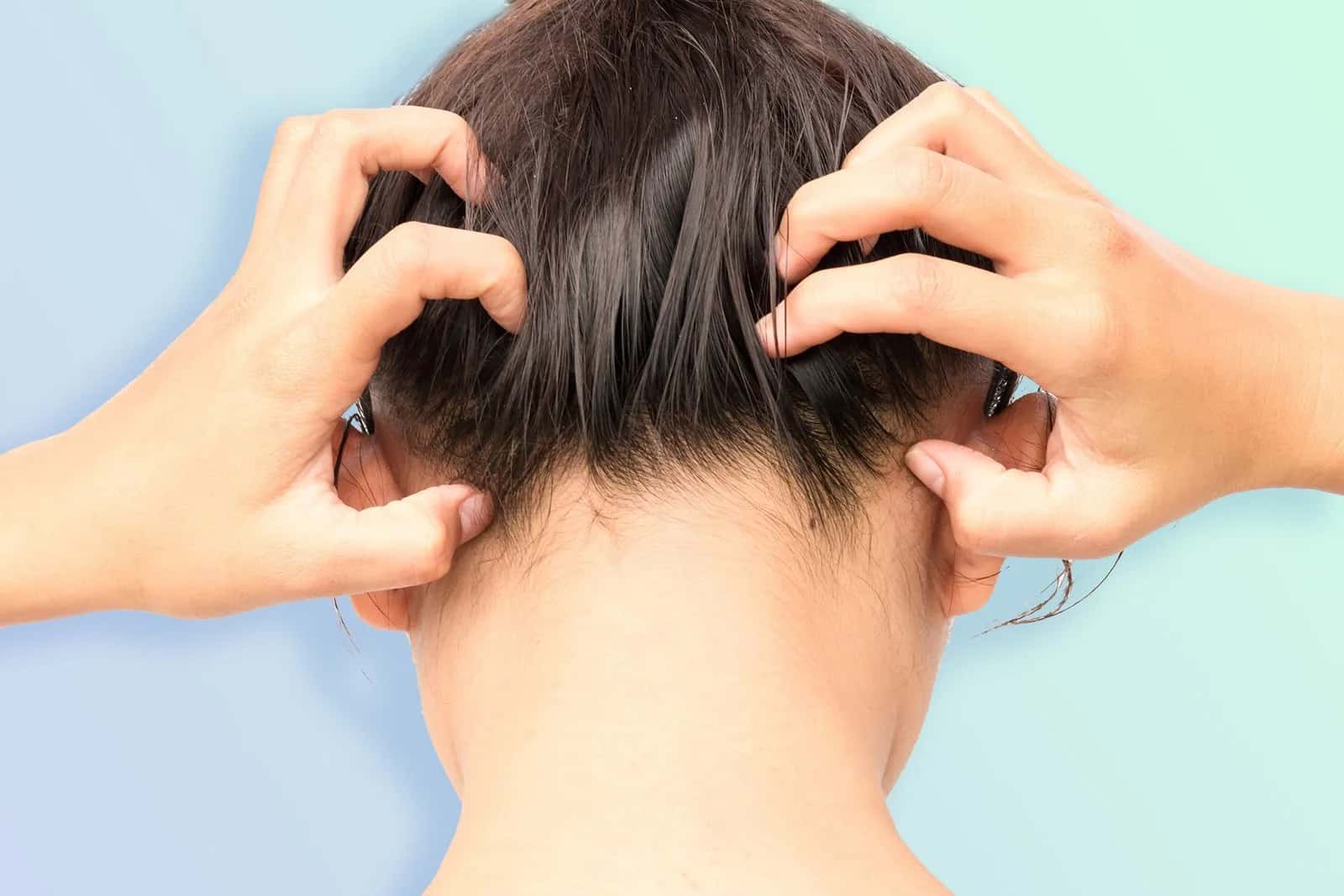
Air conditioning can dry out your scalp by reducing indoor humidity and affecting the skin's ability to maintain adequate moisture. Prolonged exposure to dry, cooled air may contribute to itching, flaking, tightness, and irritation, particularly when the scalp is already sensitive or prone to dryness.
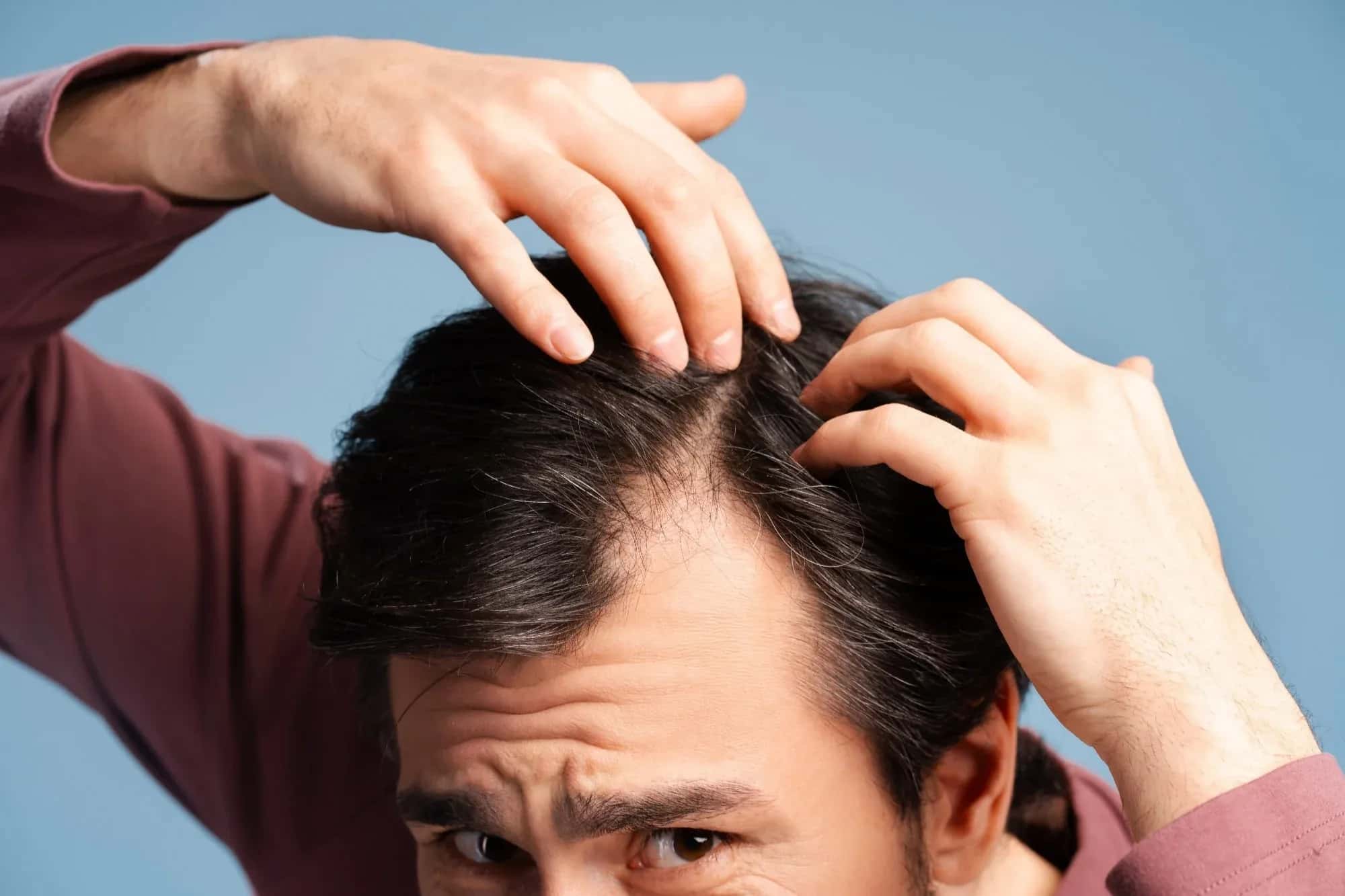
Certain dietary supplements can cause hair loss when taken in excessive amounts, particularly products containing high doses of vitamin A, selenium, or other concentrated nutrients. While supplements can help correct nutritional deficiencies that affect hair growth.
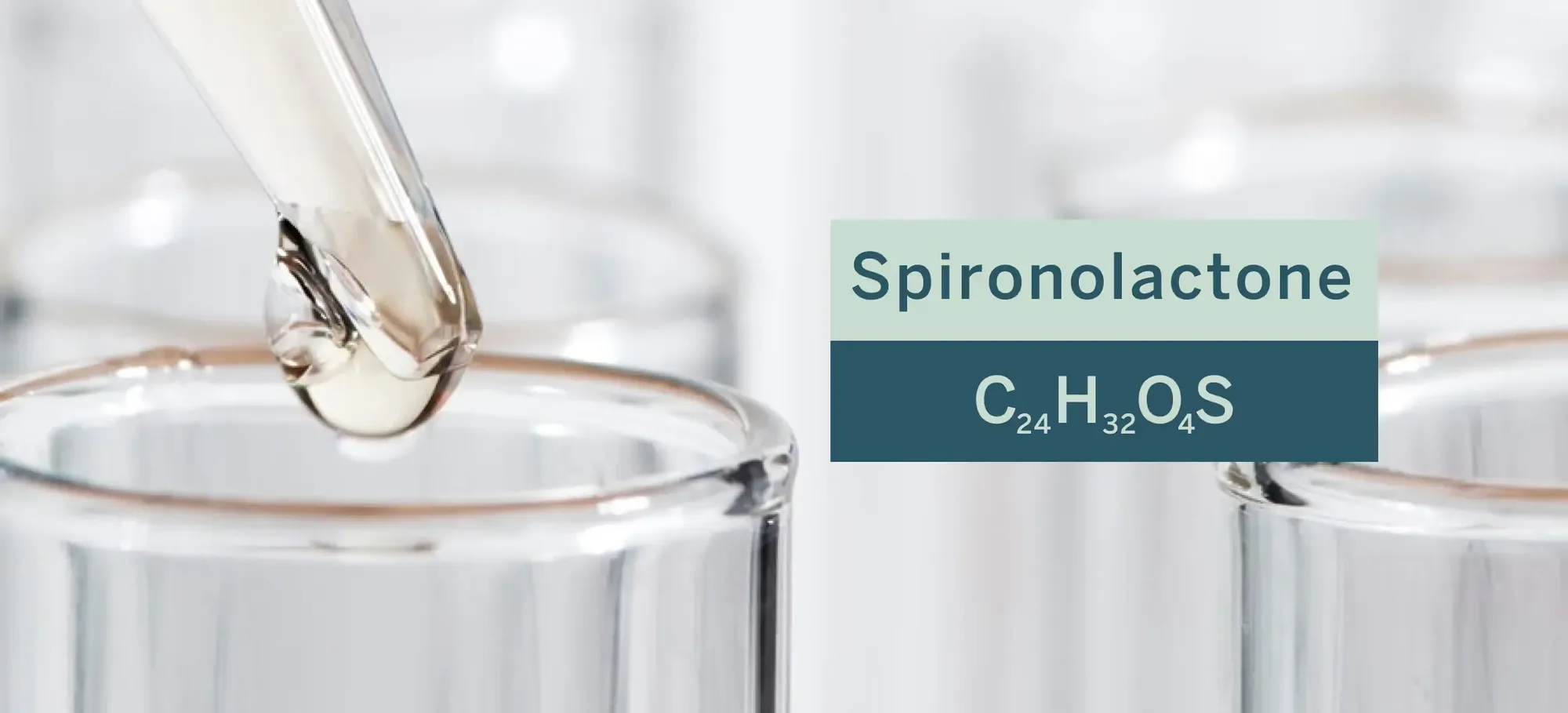
Spironolactone for female hair loss can help slow progressive thinning and improve hair density by reducing the effects of androgens on sensitive hair follicles. Although this prescription medication is not specifically approved for hair loss, clinical research supports its use in selected women.
Subscribe to the Medifinder newsletter and never miss our latest content.