










How Is a Natural Look Achieved in Eyebrow Transplantation?
Learn how natural-looking eyebrow transplant results are created through personalised design, correct hair direction, single-graft placement, donor selection and careful aftercare.

- Last updated
- 114 reads
- 11 min read


Eyebrows have a strong influence on facial expression. Even a small difference in shape, density or height can change how your eyes and entire face appear. For this reason, eyebrow transplantation requires more than simply placing hairs into a thin or empty area. The procedure must recreate the natural direction, angle, spacing and irregularity of real eyebrow hair.
A successful eyebrow transplant should not look as though every hair was arranged in a perfect row. Natural eyebrows contain subtle changes in direction and density. The inner section is usually softer and more upright, the middle section becomes denser, and the outer tail gradually narrows. Reproducing these transitions is one of the most important parts of the procedure.
Your facial proportions, existing eyebrow hairs, skin type and preferred style must also be considered. A shape that looks attractive on another person may not suit the distance between your eyes, forehead height or natural brow bone. The most convincing results are therefore created with an individual plan rather than a standard eyebrow template.
What Is an Eyebrow Transplant?
An eyebrow transplant is a hair restoration procedure in which follicles are usually taken from the scalp and placed into sparse, scarred or completely hairless areas of the eyebrows. The follicles are commonly collected one by one from a suitable donor region, often behind the ears or from another part of the scalp where the hair is relatively fine.
After extraction, the follicles are prepared and implanted into very small openings created in the eyebrow area. The purpose is to produce permanent hair growth using your own follicles.
Although the basic idea resembles a scalp hair transplant, eyebrow transplantation requires a different level of precision. Scalp hair generally grows at a more upright angle. Eyebrow hair lies much closer to the skin and changes direction across a very small area. Even a slight error in angle may cause hairs to point outward, downward or away from the natural eyebrow pattern.
Natural Results Begin with Personalised Eyebrow Design
The first step toward a natural result is careful design. Your new eyebrow shape should be planned according to your existing facial structure rather than current beauty trends alone.
During the planning stage, the practitioner may examine the position of your eyes, the width of the bridge of your nose, the shape of your forehead and the natural movement of your facial muscles. The existing hairs are also important because they provide a guide for direction and density.
The inner, middle and outer sections of the eyebrow should not be treated as identical areas. The beginning of the eyebrow usually needs a softer appearance. The central section can carry more density, while the tail should become gradually thinner and more delicate.
If the inner border is made too dark, square or sharply defined, the result may look artificial. Similarly, a tail that is too long or excessively raised can change your expression. A natural design often includes small irregularities and a gradual transition rather than perfectly symmetrical outlines.
Your two eyebrows are unlikely to be completely identical before treatment. Minor asymmetry is a normal feature of the human face. The aim is usually to create balance, not mechanical perfection.
Correct Hair Direction Is Essential
Hair direction is one of the clearest differences between a natural eyebrow transplant and an artificial-looking result. Eyebrow hairs do not grow in one uniform direction.
At the inner section, hairs may point slightly upward and outward. As they move toward the centre, they begin to lie more horizontally. Near the arch and tail, their direction changes again and follows the natural curve of the eyebrow.
Each follicle must therefore be placed according to its exact location. Using the same direction throughout the entire eyebrow can create a brushed or comb-like appearance.
Direction must also be planned three-dimensionally. It is not enough for the hair to point toward the correct side. It must also lie close to the skin. A hair that grows outward at a steep angle may look untidy even when its horizontal direction appears correct.
The practitioner creates tiny recipient openings that guide the future growth of each follicle. The angle and direction of these openings largely determine how the new hairs will sit once growth begins. Careful placement at a very shallow angle helps the hairs follow the skin rather than projecting away from it.
The Angle of Implantation Must Be Very Shallow
Natural eyebrow hairs usually emerge almost parallel to the skin. Scalp hairs, by comparison, grow at a steeper angle. This difference creates one of the main technical challenges of eyebrow transplantation.
If the follicle is implanted too vertically, the new hair may stand away from the face. It may become difficult to style and appear unnatural in photographs or side views.
To avoid this problem, recipient sites are created at a shallow angle. The practitioner must also consider the thickness of the skin and the curve of the brow bone. The correct angle may change slightly from one section to another.
Shallow placement requires experience because the follicle must remain stable without being positioned too deeply or too close to the surface. Excessive depth can affect growth direction, while overly superficial placement may reduce follicle security or create an uneven skin appearance.
Single-Hair Grafts Create a Softer Appearance
Hair follicles on the scalp often grow in natural groups containing one, two, three or more hairs. These groups are suitable for scalp transplantation because multiple hairs can improve density.
Eyebrows are different. Most visible eyebrow follicles appear as individual hairs. For this reason, single-hair grafts are generally preferred, especially along the borders and inner section.
Placing grafts that contain several thick hairs can make the eyebrow look heavy or clustered. Multi-hair units may also become difficult to control as they grow longer.
During graft preparation, suitable single follicles are selected or carefully separated when appropriate. The finest grafts are usually reserved for the front edge and tail, where softness is particularly important.
The central section may require slightly more density, but the hairs should still be distributed in a way that avoids obvious rows. Natural spacing and variation help the transplanted eyebrow blend with your existing hair.
Donor Hair Selection Affects the Final Result
Not every scalp hair has the same thickness, texture or growth pattern. Selecting an appropriate donor area is therefore important.
Fine hair is generally preferred because thick, coarse scalp hair may look too strong in the eyebrow region. Hair from behind the ears or the lower part of the scalp may be considered when its diameter and texture match the existing eyebrow hairs more closely.
Hair colour also affects visual density. Dark, thick hair can create a strong appearance even when only a small number of grafts are used. Lighter or finer hair may require a different distribution to achieve the desired look.
Curly or wavy hair creates an additional planning challenge. The curve of the follicle and expected growth direction must be considered before implantation. A strongly curved hair may rotate or point in an unexpected direction as it grows.
The practitioner should evaluate the natural characteristics of your donor hair rather than simply choosing the easiest extraction area.
Density Should Be Built Gradually
More grafts do not always produce a more natural eyebrow. Excessive density can make the area look dark, heavy or tattoo-like. It may also reduce the available space between follicles and complicate placement at shallow angles.
A natural eyebrow usually has a gradual distribution. The inner section should remain relatively light. Density increases toward the body of the brow and then decreases again near the tail.
Existing eyebrow hairs must be included in the plan. If you already have some natural growth, transplanted follicles should fill the gaps rather than cover the area uniformly.
In cases of complete eyebrow loss, creating a natural pattern may require particularly careful spacing. Some patients may benefit from a staged approach, with density evaluated after the first growth cycle before additional grafts are considered.
You should be cautious of treatment plans that promise the maximum possible number of grafts without discussing hair direction, spacing or long-term appearance.
The Hairline Principle Also Applies to Eyebrows
A natural scalp hairline is not a perfectly straight line, and the same principle applies to eyebrow borders. Real eyebrows contain tiny differences in length, spacing and position.
If every graft is placed at exactly the same distance from the next, the result may look drawn or manufactured. Small controlled variations make the border appear softer.
The lower edge of the eyebrow is usually more defined than the upper border, but it should still avoid an excessively sharp outline. The upper edge often contains lighter, scattered hairs that create a natural transition into the surrounding skin.
These details may appear minor during surgery, but they have a large effect once the hairs grow.
Existing Scars Require Special Planning
Eyebrow loss can result from injury, burns, previous surgery, overplucking or skin conditions. When a scar is present, the tissue may have reduced blood supply and a different surface structure.
Hair can sometimes be transplanted into scar tissue, but growth may be less predictable than in healthy skin. The direction of the scar may also affect how recipient sites are created.
A large or raised scar may need separate evaluation before transplantation. Some scars are still active, while others may be linked to conditions that could damage newly implanted follicles.
The practitioner should determine why the eyebrow hair was lost before proceeding. If an inflammatory or autoimmune condition remains active, transplantation may not produce a stable result.
Natural Eyebrow Transplant Results Take Time
An eyebrow transplant does not produce its final appearance immediately. During the first few days, the area may look red and slightly swollen. Small crusts can form around the implanted follicles.
The transplanted hair shafts usually shed during the first weeks. This can be alarming, but it does not necessarily mean that the follicles have been lost. New growth begins gradually after a resting period.
Early hairs may appear thin, uneven or difficult to style. Density becomes easier to assess as more follicles enter the growth phase. The overall result continues to mature over several months.
Some hairs may initially grow in slightly different directions before becoming easier to train with regular grooming. Final evaluation should not be made too early, especially when only a portion of the follicles has started producing visible hair.
Why Do Transplanted Eyebrow Hairs Need Trimming?
The follicles used for eyebrow transplantation usually come from the scalp. These follicles keep many of their original growth characteristics after they are moved.
Natural eyebrow hairs have a shorter growth cycle and do not usually become very long. Scalp hairs continue growing for a longer period. As a result, transplanted eyebrow hairs may need regular trimming.
How often trimming is required depends on your individual hair growth. Some people may need to shorten the hairs every one or two weeks, while others may do so less frequently.
Trimming does not mean that the procedure has failed. It is a normal part of caring for scalp-derived eyebrow grafts. You may also need to brush the hairs into position using a clean eyebrow brush.
Over time, some patients find that the transplanted hairs become easier to manage. However, you should expect ongoing grooming before deciding to undergo the procedure.
Can the Hairs Be Trained to Lie Naturally?
Regular brushing can help guide the transplanted hairs as they grow. Once the skin has fully healed, a clear eyebrow gel may also help keep longer hairs in the desired direction.
The original implantation angle remains the most important factor. Grooming can manage slight variations, but it cannot fully correct a follicle that was placed at a strongly incorrect angle.
You should not pull, twist or aggressively shape the newly transplanted hairs during early recovery. The clinic will explain when normal grooming, trimming and cosmetic products can safely resume.
If one or two hairs grow in an unwanted direction after healing, they may sometimes be trimmed more frequently or managed individually. Larger directional problems may require professional evaluation.
How Does Aftercare Protect a Natural Result?
Aftercare helps protect the grafts while the skin heals. You should follow the clinic’s washing instructions closely and avoid direct pressure on the implanted area.
Scratching or removing crusts too early may disturb healing follicles. You should also avoid applying makeup, creams or eyebrow products until the clinic confirms that the area is ready.
Strenuous exercise, heavy sweating, swimming and direct sun exposure may need to be limited temporarily. Tight hats or clothing that rubs across the eyebrows should also be avoided.
Sleeping on your back with your head slightly raised may help reduce swelling during the first nights. You should avoid placing your face directly against a pillow.
Once normal care resumes, gentle cleaning and regular trimming help maintain a tidy appearance. Any persistent redness, discharge, worsening pain or unusual swelling should be reported promptly.
Who Is a Suitable Candidate?
Eyebrow transplantation may be considered when you have thinning caused by overplucking, genetics, trauma, stable scarring or certain previous medical treatments. You should have enough suitable donor hair and realistic expectations about density and grooming.
The cause of hair loss should be evaluated before surgery. Sudden or continuing eyebrow loss may be associated with hormonal conditions, nutritional problems, skin disorders or autoimmune disease.
You may not be ready for transplantation if the underlying condition is active or unexplained. Active infection, uncontrolled skin inflammation and poor wound healing can also affect suitability.
A good consultation should include your medical history, eyebrow-loss pattern, donor-hair characteristics and desired shape. The practitioner should explain what can realistically be achieved without creating an overly dense or artificial result.
What Causes an Unnatural Eyebrow Transplant?
An unnatural appearance may result from a design that does not suit the face, excessive density, thick multi-hair grafts or incorrect angles. Straight rows and sharply outlined borders can also make the eyebrows appear artificial.
Poor donor selection may produce hairs that are too thick or strongly curved. An overly low inner border or excessively long tail can change facial expression.
Some results look unnatural only because the transplanted hairs have not been trimmed. Long scalp-derived hairs can twist, curl or extend beyond the planned shape.
Choosing an experienced practitioner and discussing long-term grooming responsibilities can reduce these risks.
- Last updated
- Language
- English
How did you find this article?
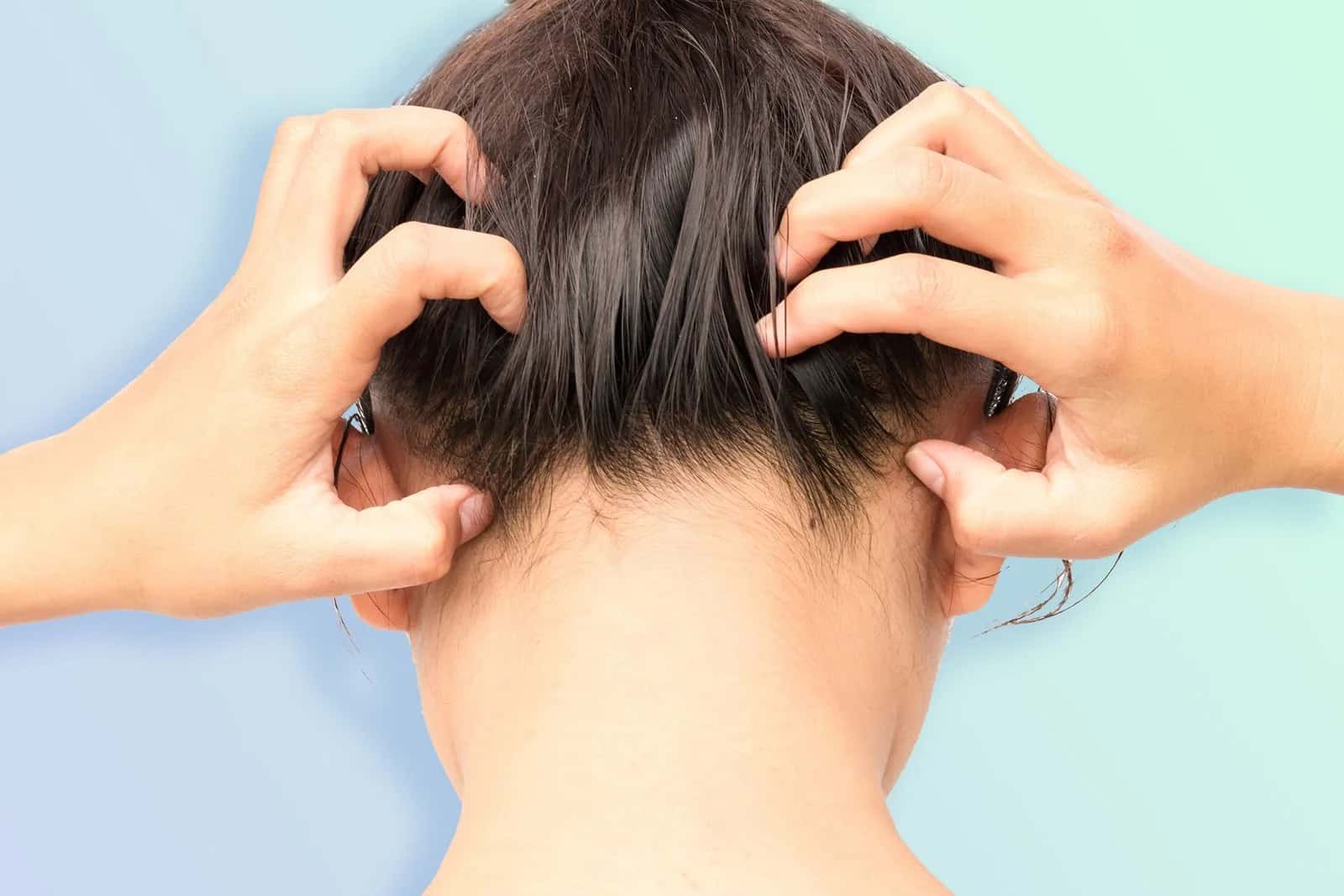
Air conditioning can dry out your scalp by reducing indoor humidity and affecting the skin's ability to maintain adequate moisture. Prolonged exposure to dry, cooled air may contribute to itching, flaking, tightness, and irritation, particularly when the scalp is already sensitive or prone to dryness.
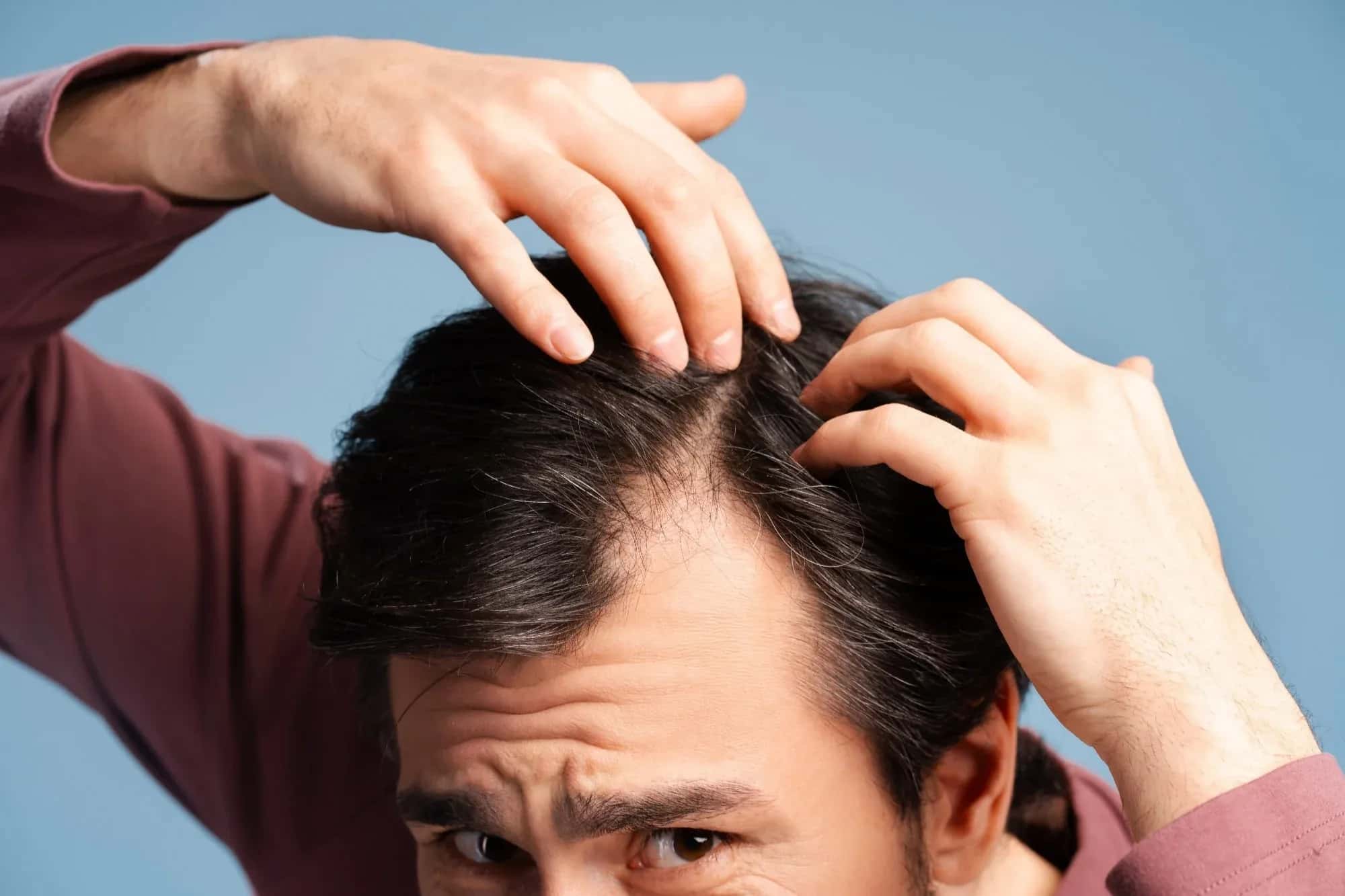
Certain dietary supplements can cause hair loss when taken in excessive amounts, particularly products containing high doses of vitamin A, selenium, or other concentrated nutrients. While supplements can help correct nutritional deficiencies that affect hair growth.

Spironolactone for female hair loss can help slow progressive thinning and improve hair density by reducing the effects of androgens on sensitive hair follicles. Although this prescription medication is not specifically approved for hair loss, clinical research supports its use in selected women.
Subscribe to the Medifinder newsletter and never miss our latest content.