










How Is a Hair Transplant Done? Understanding Every Stage
Understand how a hair transplant is performed, from the assessment and follicle extraction through to implantation, recovery and the growth of new hair.

- Last updated
- 55 reads
- 7 min read


A hair transplant is a surgical procedure in which hair follicles are moved from an area with stable growth to an area affected by thinning. The operation does not create new follicles, so the entire outcome depends on how carefully each stage is planned and executed.
Many people focus only on the day of surgery. In reality, the assessment beforehand and the aftercare that follows influence the result just as strongly as the hours spent in the operating room.
This guide walks through each stage in order, from the first consultation to the moment the final result can be judged.
Stage one: the medical assessment
Every responsible procedure starts with a diagnosis rather than a price quote. Your clinician needs to establish why you are losing hair before deciding whether surgery can help.
The assessment usually includes your medical history, the pattern and duration of the hair loss, family history, medications and any previous treatments.
Your scalp is then examined, often with trichoscopy, to evaluate follicle miniaturisation, inflammation and the density of the donor area.
Blood tests may be requested where a deficiency or systemic cause is suspected, such as iron deficiency or thyroid dysfunction. Untreated causes should be addressed before surgery is planned.
Stage two: planning the design
Once candidacy is confirmed, your surgeon plans the hairline, the treatment zones and the graft distribution.
The design must suit your facial proportions, your age and the likely progression of your hair loss over the coming decades. A hairline placed too low can look unnatural later and consume donor hair that you may need in future.
Graft numbers are estimated according to the size of the area, the donor density and the coverage you want. A realistic plan often prioritises the frontal area, because it frames the face most strongly.
The plan should be drawn on your scalp and reviewed with you before anaesthesia begins.
Stage three: preparation on the day
On the day of surgery, the donor area is trimmed or shaved depending on the technique agreed with you.
Your scalp is cleaned, the design is redrawn if needed and photographs are taken for documentation.
Local anaesthesia is then administered. The first injections cause a brief stinging sensation, after which the treated areas become numb.
You stay awake throughout the procedure. Some clinics offer a mild oral sedative for people who feel very anxious.
Stage four: harvesting the follicles
Follicles are taken from the donor area at the back and sides of the scalp, where hair is generally less sensitive to hormonal influence.
In follicular unit extraction, individual follicular units are removed with small punches, leaving many tiny circular marks rather than a linear scar.
In follicular unit transplantation, a narrow strip of scalp is removed and the wound is closed with sutures, leaving a linear scar that hair usually covers.
Each unit contains between one and four hairs. The angle, depth and punch size must match your hair characteristics to avoid damaging the follicle.
Stage five: preparing and storing the grafts
Once harvested, the grafts are inspected under magnification and sorted by the number of hairs they contain.
Single-hair grafts are usually reserved for the front edge of the hairline, while larger units build density further back.
The grafts are kept in a cooled preservation solution to protect them while they remain outside the body. Time outside the scalp, drying and rough handling all reduce survival.
This stage receives little attention in marketing material, yet it strongly influences how many grafts eventually grow.
Stage six: creating the recipient sites
Your surgeon then creates thousands of tiny openings in the thinning area, using needles, steel blades or sapphire blades.
Each site must follow the natural direction and angle of the surrounding hair. Incorrect angles produce hair that stands up or grows in a visibly artificial pattern.
Depth control matters as well. Sites that are too shallow leave grafts exposed, while sites that are too deep can cause pitting or poor growth.
Density is distributed deliberately rather than evenly, because a natural result relies on irregularity along the hairline.
Stage seven: implanting the grafts
The grafts are then placed into the prepared sites, either with fine forceps or with implanter pens.
Implanter pens combine site creation and placement in some protocols, while other teams create sites first and place afterwards. Neither approach is automatically superior.
Grafts must be handled without crushing, bending or drying. Every unnecessary manipulation lowers the chance that a follicle will produce hair.
A large session can take most of the day, so meals, medication timing and comfort should be planned in advance.
Stage eight: the first days of recovery
Immediately after surgery, small crusts form around each implanted graft and the donor area may feel tender.
Swelling around the forehead or eyes is common during the first days and usually settles within a week.
Most clinics ask you to sleep with your head elevated and to avoid pressure on the recipient area.
Washing usually begins around 48 hours after surgery, often performed by the clinic first so that you can see the correct technique.
Stage nine: washing and scab removal
Daily washing prevents crusts from merging into a solid layer that blocks the pores.
A lotion or foam is applied to soften the scabs, left in place for a defined period, then rinsed with lukewarm water at very low pressure.
From around day ten, gentle circular movement with the fingertips is usually permitted so that softened scabs can lift away.
All scabs should normally be gone by around day fourteen. Scabs left longer increase the risk of folliculitis.
Stage ten: shedding and the waiting phase
Between the second and sixth week, the transplanted hair shafts usually shed while the roots remain in place.
Shock loss of surrounding native hair can also occur, which may make your hair look thinner than before surgery.
The months that follow often feel discouraging, because the follicles rest before producing new shafts.
This waiting phase forms a normal part of the process rather than a sign of failure.
Stage eleven: growth and the final result
The first fine hairs usually appear between the third and fourth month, often thin and lighter than your existing hair.
Between months six and eight, growth becomes clearly visible as the hairs thicken and darken.
The final result is normally assessed at twelve to eighteen months, sometimes later with fine or light hair.
If hair loss continues in the untreated areas, a second session or ongoing medical treatment may be discussed.
What determines the quality of the result?
Several factors decide whether a transplant looks natural and lasts.
-
Accurate diagnosis of the hair loss
-
Realistic hairline design for your age and progression
-
Donor density and hair characteristics
-
Harvesting technique and transection rate
-
Graft handling and time outside the body
-
Angle, depth and distribution of recipient sites
-
Aftercare compliance
-
Ongoing treatment of progressive hair loss
The device used matters far less than the experience and judgement of the team using it.
When to contact your clinic
Most recovery symptoms are expected, although certain signs require review.
-
Severe or increasing pain
-
Spreading redness or warm skin
-
Pus, discharge or an unpleasant odour
-
Fever or chills
-
Bleeding that gentle pressure does not stop
-
Large painful bumps or cysts
-
No growth at all in a large area after several months
Early assessment usually resolves problems more easily than waiting.
How can MediFinder support your research?
MediFinder helps users research clinics, doctors and treatment information. The information should be verified independently.
MediFinder does not diagnose conditions or guarantee results.
Frequently asked questions
How long does a hair transplant take?
Most sessions last between four and eight hours, depending on the graft count, technique and team size.
Is the procedure painful?
The anaesthetic injections cause brief discomfort. After that, the treated areas are numb and you should not feel sharp pain.
How many grafts will I need?
The number depends on the area treated, your donor density and the coverage you want. Only an in-person assessment can estimate it reliably.
When can I return to work?
Many people return to desk work within a few days, although visible crusts and redness can persist for around two weeks.
Will the transplanted hair fall out?
The transplanted shafts usually shed in the first weeks. The roots stay in place and produce new hair after several months.
Do I still need medication afterwards?
Often yes, because surgery does not stop progressive hair loss in untreated areas. Your clinician decides what is appropriate.
Can a second session be necessary?
Yes. Further sessions may be discussed for greater density or for areas affected by continued hair loss.
- Last updated
- Language
- English
How did you find this article?
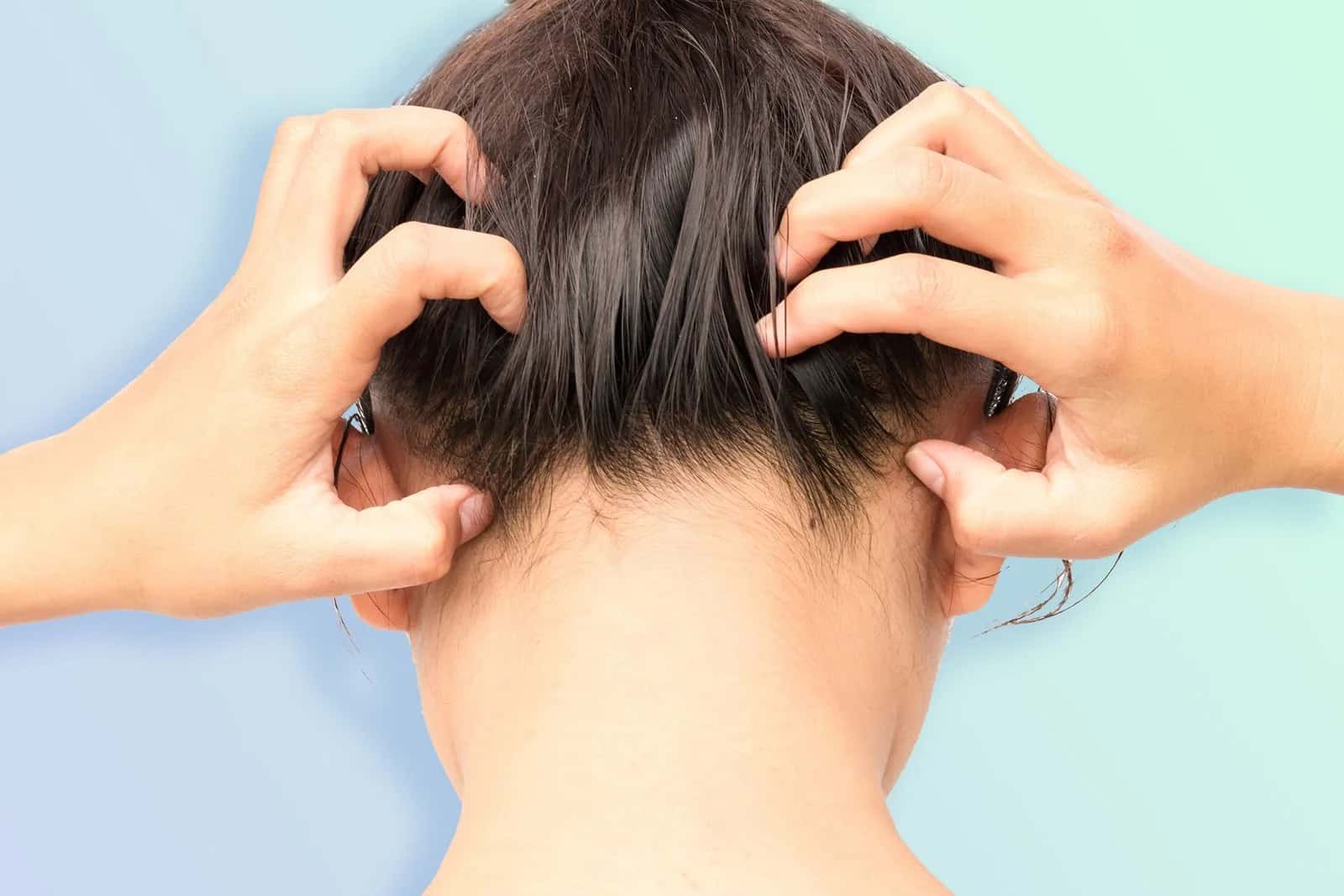
Air conditioning can dry out your scalp by reducing indoor humidity and affecting the skin's ability to maintain adequate moisture. Prolonged exposure to dry, cooled air may contribute to itching, flaking, tightness, and irritation, particularly when the scalp is already sensitive or prone to dryness.

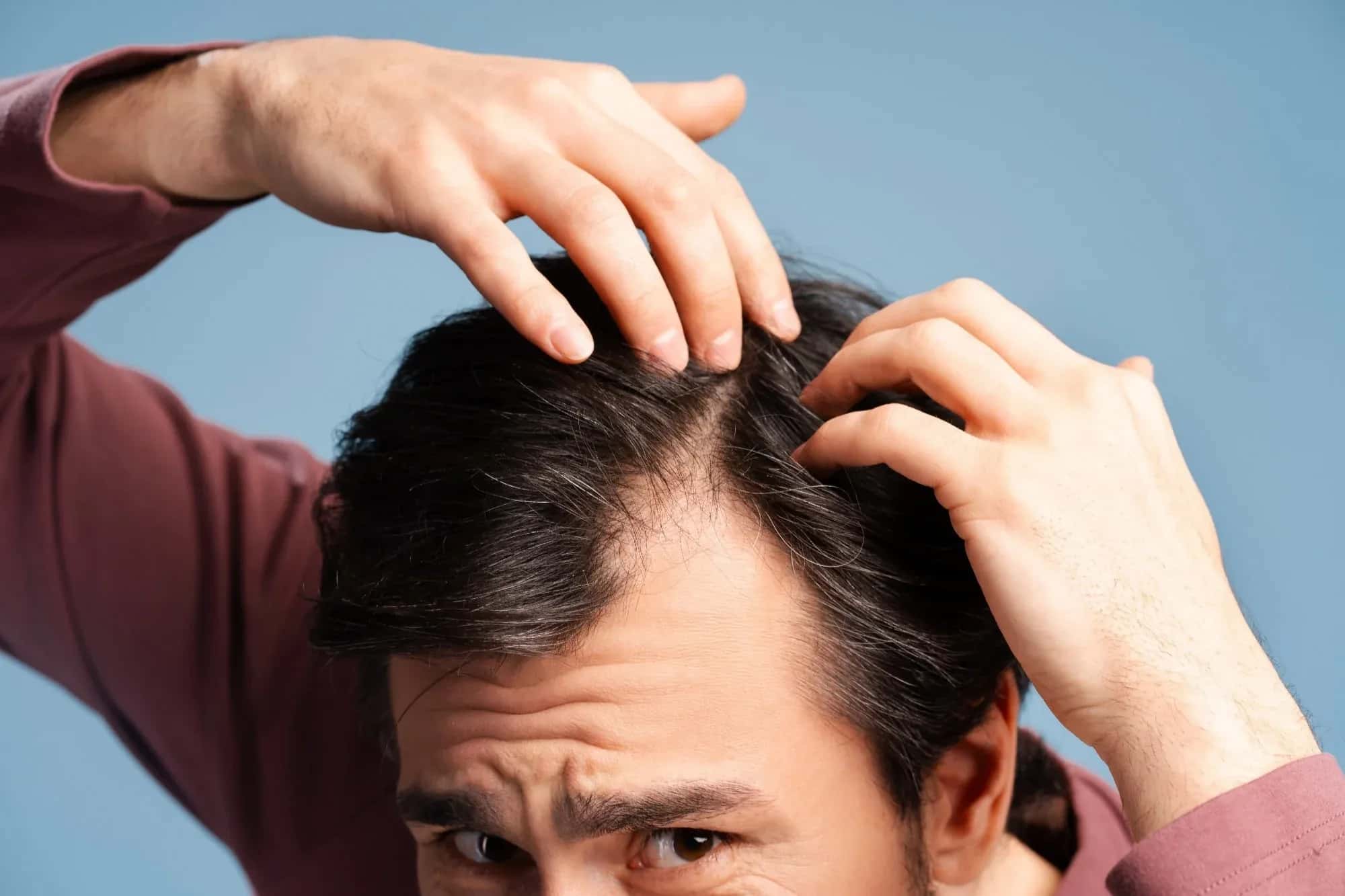
Certain dietary supplements can cause hair loss when taken in excessive amounts, particularly products containing high doses of vitamin A, selenium, or other concentrated nutrients. While supplements can help correct nutritional deficiencies that affect hair growth.

Spironolactone for female hair loss can help slow progressive thinning and improve hair density by reducing the effects of androgens on sensitive hair follicles. Although this prescription medication is not specifically approved for hair loss, clinical research supports its use in selected women.
Subscribe to the Medifinder newsletter and never miss our latest content.