










Hair Transplantation from Beard Hair
Hair transplantation from beard hair is the process of transplanting hairs taken from the beard area to bald areas. It is preferred when donor hair is insufficient.

- Last updated
- 195 reads
- 6 min read


What Is Hair Transplantation from Beard Hair?
Hair transplantation from beard hair is the process of transplanting hairs taken from the beard area to bald areas.
This method is preferred as an alternative solution when donor hair is insufficient. Especially within the scope of hair transplantation, this technique provides additional support to the nape donor area. Since beard hairs are generally thicker, they may be effective in increasing density. However, because they differ from scalp hair, achieving a natural appearance requires careful planning.
Can Hair Transplantation Be Performed Using Beard Hair?
Hair transplantation from beard hair can be performed and is especially preferred as an effective alternative for individuals with an insufficient donor area. When the hair follicles in the nape area are not sufficient, grafts taken from the beard area may be used as a supportive donor source in hair transplantation.
Beard follicles are generally strong and thick. For this reason, they may provide successful results especially in areas requiring density, such as the crown area. However, since the structure of beard hair differs from scalp hair, it may not be suitable for every region in the same way. To achieve a natural appearance, it is generally preferred in the mid scalp and vertex areas rather than the hairline.
Some important points to know about hair transplantation from beard hair include:
- Beard grafts are generally harvested from under the chin
- Graft extraction is performed using the FUE technique
- It provides an advantage for individuals with insufficient nape donor reserves
- Its thick hair structure may create a denser appearance
- Not every patient may be suitable for beard donor extraction
How Is Hair Transplantation from Beard Hair Performed?
Hair transplantation from beard hair is generally performed using the FUE technique. In this method, suitable grafts are individually extracted from the beard area and placed into bald or thinning regions. Graft harvesting is usually planned from the under chin and neck areas because these regions may affect facial appearance less and can provide a sufficient donor source if beard density is adequate.
Before the procedure, the beard structure is evaluated in detail. Hair thickness, density, exit angle, skin structure, and the number of grafts that can be harvested are examined. Not everyone with a dense beard is automatically suitable for this procedure. In some individuals, beard hairs may be too curly, too coarse, or irregular. This may affect the natural appearance on the scalp.
When beard grafts are implanted into the scalp, they are generally not used alone in the frontal hairline. The frontal hairline is the area that most strongly affects facial expression and requires finer, softer hairs. Since beard hairs are thicker, they may create an artificial appearance in the frontal hairline. Therefore, they are mostly used for the crown area, mid scalp region, and increasing density.
The Difference Between Beard Hair and Nape Hair
There are significant structural differences between beard hair and nape hair. Nape hair is generally considered the ideal donor source for hair transplantation. It grows more naturally, adapts more easily to the scalp, and can be used in many areas, including the frontal hairline. Beard hair, on the other hand, may be thicker, coarser, and have a shorter growth cycle.
This difference directly affects transplantation planning. Beard grafts may provide strong coverage on the scalp, but they may not look exactly the same as scalp hair. For this reason, experienced teams usually mix beard hairs with nape hairs. In this way, the thickness of beard grafts creates a sense of density while the nape hairs provide a more natural transition.
It has been reported that body and beard hairs may retain some characteristics of their original donor area after being transplanted to the scalp. In other words, a beard hair transplanted onto the scalp does not completely transform into nape hair. Therefore, the operation plan should be based not only on graft count but also on hair characteristics.
What Are the Advantages and Disadvantages of Hair Transplantation from Beard Hair?
- Advantage: It provides an additional graft source when the nape donor area is insufficient.
- Advantage: Thick beard hairs may create a fuller appearance in the crown and mid scalp regions.
- Advantage: It may support secondary or corrective procedures in individuals who have previously undergone hair transplantation.
- Advantage: Grafts harvested from under the chin may not significantly alter the beard appearance in most individuals.
- Disadvantage: Beard hairs are not as soft as nape hairs and are not always suitable for the frontal hairline.
- Disadvantage: Temporary redness, crusting, sensitivity, or pinpoint scars may occur in the beard area.
- Disadvantage: Not all beard grafts may grow and adapt on the scalp at the same rate.
- Disadvantage: The procedure requires more experience and careful planning compared to classic hair transplantation.
How Does the Beard Donor Area Heal?
The beard donor area generally heals within 7 to 10 days with proper care. During the healing process, keeping the skin clean and regularly using the care products recommended by the doctor is important. Since the beard area is sensitive after hair transplantation, irritation should especially be avoided. Mild redness and crusting may occur during the first days, but these symptoms gradually decrease over time.
Do Transplanted Beard Hairs Grow Like Scalp Hair?
After hair transplantation from beard hair, the transplanted hairs grow on the scalp; however, they do not always show the same characteristics as nape hair. Beard hair may be thicker and have a different growth cycle. For this reason, it may create a coarser texture on the scalp. In some individuals, beard grafts grow well, while in others, their growth speed and length may remain limited.
After the procedure, some of the transplanted hairs may shed during the first weeks. This is considered part of the temporary shedding process commonly seen after hair transplantation. New growth generally begins within a few months. The final appearance is usually evaluated more clearly after 12 months or later. It is known that results in body hair transplantation may vary from person to person and require closer follow up compared to scalp grafts.
The thickness of beard hairs provides an advantage in certain regions. Especially in crown baldness, a stronger sense of coverage may be achieved with fewer grafts. However, if this thickness is used in the wrong area, it may create an unnatural appearance. Therefore, deciding where beard grafts will be placed is just as important as the number of grafts used.
The Process After Hair Transplantation from Beard Hair
The postoperative process progresses similarly to classic hair transplantation. During the first days, crusting, redness, and sensitivity may occur in the transplanted area. Small crusts may also form in the beard donor area. Following the washing and aftercare instructions provided by your doctor helps both the transplanted area and the beard region heal properly.
During the first weeks, the scalp should be protected from impacts, excessive sweating, and hot environments such as saunas and Turkish baths. Harsh shaving should also be avoided in the beard area during the early period. Crusts should not be forcibly removed before they fall off naturally, and shaving lotions containing alcohol or irritating care products should not be used.
During the first month after hair transplantation, the appearance may be misleading. Shedding of the transplanted hairs, redness, and temporary thinning may be part of the normal process. The real results appear gradually over time. Patience is even more important for individuals who undergo hair transplantation from beard hair because it takes several months to evaluate how the beard grafts adapt to the scalp.
- Last updated
- Language
- English
How did you find this article?
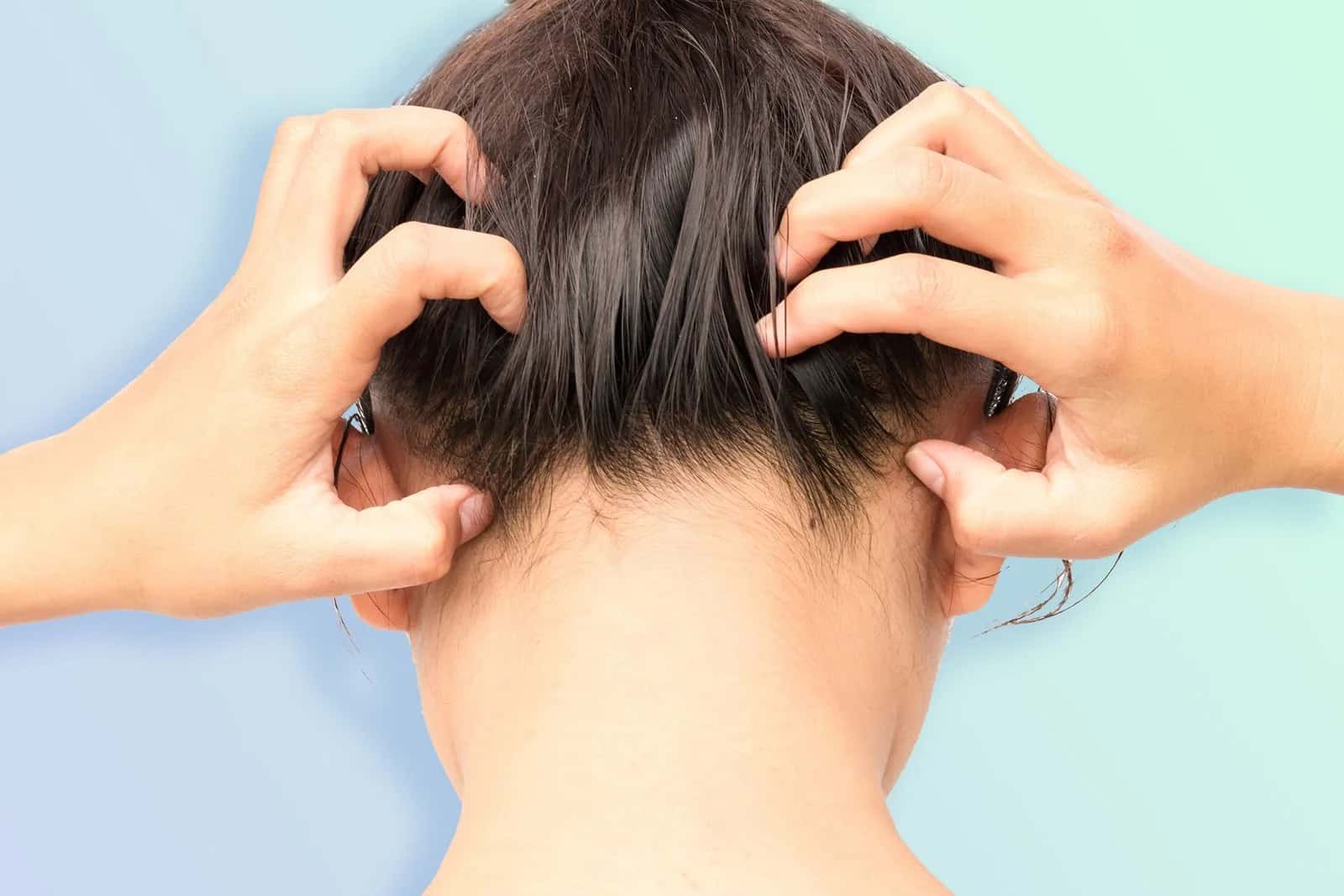
Air conditioning can dry out your scalp by reducing indoor humidity and affecting the skin's ability to maintain adequate moisture. Prolonged exposure to dry, cooled air may contribute to itching, flaking, tightness, and irritation, particularly when the scalp is already sensitive or prone to dryness.

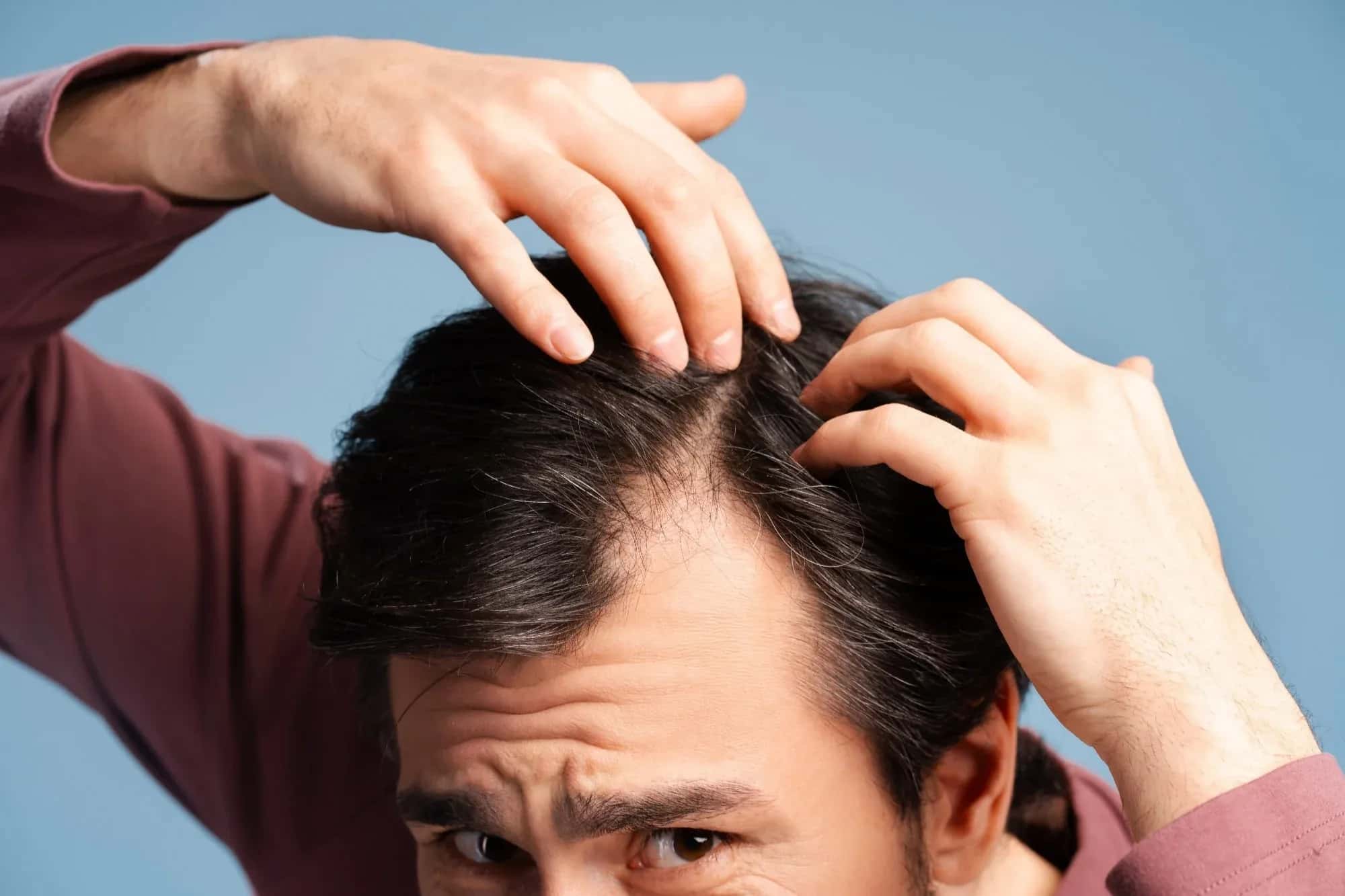
Certain dietary supplements can cause hair loss when taken in excessive amounts, particularly products containing high doses of vitamin A, selenium, or other concentrated nutrients. While supplements can help correct nutritional deficiencies that affect hair growth.
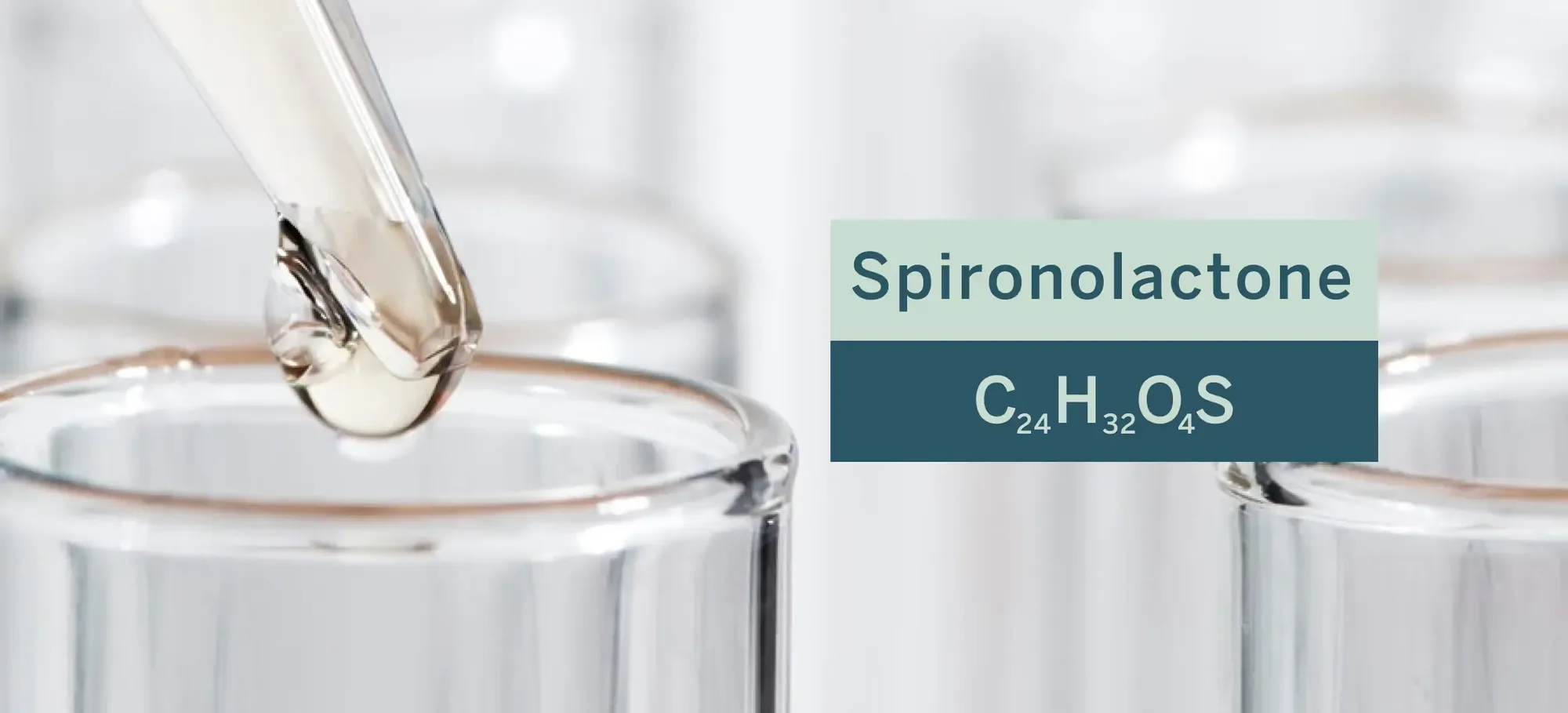
Spironolactone for female hair loss can help slow progressive thinning and improve hair density by reducing the effects of androgens on sensitive hair follicles. Although this prescription medication is not specifically approved for hair loss, clinical research supports its use in selected women.
Subscribe to the Medifinder newsletter and never miss our latest content.