










Hair Transplant Mexico: How To Choose Best Clinic?
To choose the best hair transplant clinic in Mexico, you must carefully evaluate the surgeon's active medical licenses, direct involvement during the procedure, and verified patient reviews.

- Last updated
- 139 reads
- 10 min read


Hair Transplant Mexico
Hair Transplant Mexico is a strong option for people who want natural hair restoration, accessible travel, competitive pricing, and experienced medical teams, but choosing the best clinic requires careful research and a clear understanding of safety, planning, and long-term results. A hair transplant can improve confidence and restore a stronger hairline, yet the quality of the outcome depends on much more than the country or the advertised package.
Mexico has become a popular destination for hair restoration because it is close to the United States and Canada, offers easier travel for many patients, and has clinics in major cities such as Tijuana, Mexico City, Guadalajara, Monterrey, Cancun, and Playa del Carmen. For many international patients, this location advantage makes consultation, travel, procedure day, and early recovery easier to organize.
Still, not every clinic is suitable for every patient. Hair loss pattern, donor density, hair thickness, scalp condition, age, family history, medical background, and expectations all shape the treatment plan. The best hair transplant clinic in Mexico should not sell the same solution to everyone. It should provide a detailed assessment, realistic graft planning, safe execution, and structured follow-up after surgery.
Start With Clinic Safety
The first point to check is whether the procedure will take place in a proper medical environment. Hair transplant surgery involves local anesthesia, graft extraction, small wounds, bleeding control, sterile instruments, and post-operative care. Because of this, the clinic should follow medical safety standards and work in a clean, controlled setting.
Patients should ask where the procedure is performed, who supervises the surgery, what hygiene measures are used, and how the clinic handles unexpected situations. A professional hair transplant clinic in Mexico should answer these questions clearly. It should not rely only on attractive photos, travel convenience, or discounted pricing.
A safe clinic explains the process before asking for commitment. It provides information about pre-operative instructions, medication use, possible risks, aftercare, and warning signs. If the clinic avoids medical questions or focuses only on booking quickly, it is better to keep comparing options.
Doctor Involvement Should Be Clear
Hair transplant planning should involve a qualified doctor. The consultation must include an assessment of the scalp, donor area, hair loss stage, hairline expectations, medical history, and future thinning risk. A plan based only on photos or a quick online message may miss important details.
The patient should know who designs the hairline, who decides the graft number, who performs or supervises extraction, and who controls the medical parts of the procedure. Many hair transplants involve a team, but responsibility must be clear from the beginning.
The best hair transplant clinic in Mexico will not hide behind vague team descriptions. It will explain each step and identify the person responsible for medical decisions. This matters because two clinics may use the same technique but deliver very different results depending on planning, skill, and supervision.
Donor Area Protection Matters
The donor area is usually the back and sides of the scalp. These hairs are used because they are generally more resistant to pattern hair loss. However, donor hair is limited. Once too many grafts are taken, the donor region may look thin, patchy, or damaged.
A responsible clinic protects the donor area instead of chasing the highest graft number. It evaluates hair density, hair thickness, scalp condition, extraction pattern, and future needs. This is especially important for younger patients or anyone with progressive hair loss.
When choosing a clinic, ask how many grafts can be safely taken and why that number is recommended. A strong clinic will explain donor capacity in detail. It will not promise unlimited grafts or guarantee extreme density without examining the long-term impact.
Hairline Design Should Look Natural
The hairline is the most visible part of a hair transplant. A poor hairline can make even a technically successful procedure look artificial. A natural hairline should match the patient’s age, face shape, forehead height, temple pattern, and future hair loss risk.
In Hair Transplant Mexico planning, patients should avoid overly low, straight, or aggressive hairlines. A hairline that looks impressive on the day of design may not age well. A balanced hairline usually creates a more natural result over time.
Good clinics use fine single grafts in the front and create a soft transition into stronger density behind the hairline. The direction and angle of each graft matter. Hair should grow in a way that blends with the patient’s natural pattern. The goal is not simply to fill an area. The goal is to make the result look like it has always belonged there.
FUE, DHI, and Sapphire Methods Should Be Explained Honestly
Many clinics in Mexico offer FUE, DHI, Sapphire FUE, or combined techniques. These methods can all be useful, but the name of the technique alone does not guarantee success. The result depends on candidate selection, donor management, graft handling, hairline design, implantation angle, and aftercare.
FUE removes follicular units one by one from the donor area. It is widely used because it avoids a long linear scar and often suits patients who prefer shorter hairstyles. DHI uses an implanter tool for graft placement and may be useful in selected cases, especially for hairline work or smaller sessions. Sapphire FUE refers to the use of specific blades during channel creation and may support precise placement when performed well.
The best clinic does not push one method for every patient. It explains which technique suits your hair type, graft needs, scalp condition, and density goals. If every patient receives the same method and the same package, the planning may not be personal enough.
Look Beyond the Package Price
Hair transplant cost in Mexico is one of the reasons many patients consider the country. Prices may be lower than in the United States or Canada, but cost should never be the only factor. A low price can become expensive if the donor area is damaged or the result needs repair.
A transparent clinic explains what is included in the price. The patient should know whether the fee covers consultation, graft extraction, implantation, medication, first wash, PRP if offered, post-operative kit, follow-up appointments, and remote support. Travel, hotel, transfers, meals, and extra treatments may be separate.
The best hair transplant clinic in Mexico provides a written treatment and cost plan. It explains what happens if the graft number changes on surgery day. It also avoids vague package descriptions that make the offer difficult to compare.
Choose the Right City for Your Needs
Mexico offers several practical options for hair transplant patients. Tijuana is popular with patients crossing from California and nearby regions. Mexico City offers a large medical market and easier flight access from many locations. Cancun and other coastal destinations may appeal to international patients who want a planned recovery trip, although recovery should always come before leisure.
The best city depends on your priorities. If you live close to the border, Tijuana may make follow-up easier. If you need more flight options, Mexico City may be practical. If you are travelling from far away, choose a clinic that explains how long to stay, when the first check should happen, and how remote follow-up will work after you leave.
Location matters, but it should not replace medical quality. A convenient clinic is only a good choice if the planning, safety, and aftercare are strong.
Review Before and After Photos Carefully
Before and after photos can help you understand a clinic’s style, but they can also mislead if reviewed too quickly. Lighting, angle, hair length, styling products, wet or dry hair, and camera distance can change the appearance of density.
Ask to see results from patients with similar hair loss patterns, hair thickness, skin contrast, and donor strength. A patient with mild recession is not a fair comparison for someone with advanced baldness. A patient with thick, curly hair may appear denser than someone with fine, straight hair using the same graft number.
Good photo examples should show the hairline, top, crown if treated, and donor area. They should also show realistic timelines. Early photos do not show the final result. A mature hair transplant takes time to grow and settle.
Be Careful With Large Graft Claims
Some clinics advertise very high graft numbers to make the treatment sound powerful. More grafts are not always better. The correct number depends on the size of the thinning area, donor supply, hair calibre, number of hairs per graft, and future hair loss risk.
A responsible clinic explains graft distribution. The hairline and frontal third may need priority because they frame the face. The crown can require many grafts but may produce less visible density because of its circular growth pattern. If donor supply is limited, trying to cover everything in one session may create a thin overall result.
Ask the clinic why it recommends a specific graft number. If the answer is only that more grafts look better, that is not enough. Good planning protects both the transplanted area and the donor area.
Understand the Recovery Timeline
A hair transplant does not produce final results immediately. The first days involve redness, swelling, tenderness, and crusting. The transplanted hairs may shed during the early phase. This can worry patients, but it is often part of the normal process. New growth usually appears gradually, and density improves over several months.
The clinic should explain the recovery timeline before surgery. Patients should know how to sleep, how to wash the scalp, when to return to work, when to avoid exercise, when to avoid direct sun, and when haircuts or styling products may be used.
The best hair transplant clinic in Mexico provides written aftercare instructions and easy access to support. Patients should not feel abandoned after leaving the clinic.
Aftercare Is a Major Part of Clinic Quality
Aftercare can affect comfort, healing, and patient confidence. The clinic should provide guidance for the first wash, medication use, swelling control, itching, scab care, and signs of infection. It should also schedule progress reviews or provide a reliable remote follow-up system for international patients.
Patients travelling from another country should ask how long they need to stay in Mexico after surgery. Leaving too quickly can make early monitoring harder. The clinic should give a realistic plan rather than rushing the patient through the process.
Good aftercare also includes long-term advice. Hair transplant surgery moves hair, but it does not stop future hair loss. Existing native hair may continue to thin. A strong clinic discusses maintenance options and future planning when appropriate.
Medical Hair Loss Management Should Be Discussed
Some patients need medical hair loss control before or after surgery. This may include evaluation of ongoing thinning, scalp health, inflammation, nutrition, hormone-related factors, or maintenance treatments. Not every patient needs the same plan, but every patient needs an honest discussion about future hair loss.
This is especially important for younger patients. If a clinic creates a low hairline without considering future thinning, the result may look unnatural later. A careful clinic plans for today and tomorrow.
Hair Transplant Mexico should be viewed as a long-term restoration decision, not only a one-day procedure. The best clinic helps patients understand how transplanted hair and native hair will age together.
International Patients Need Clear Travel Planning
Many people travel to Mexico for hair restoration because it is close, affordable, and accessible. Still, medical travel needs planning. Patients should organize arrival time, consultation, procedure day, early recovery, follow-up, and return travel carefully.
The clinic should explain whether an in-person consultation is needed before surgery, how long the procedure takes, whether a companion is recommended, and when flying or long-distance travel is suitable. Patients should avoid building the trip like a vacation. The main priority should be safe healing.
Language support also matters. Instructions, consent details, medication guidance, and warning signs must be understood clearly. A clinic that serves international patients should be able to communicate the full process without confusion.
Watch for Warning Signs
Certain warning signs should make you pause. Be careful with clinics that pressure you to book immediately, promise guaranteed density, offer unusually high graft counts without donor analysis, avoid naming who performs the procedure, or show only heavily styled photos.
Also be cautious if the consultation feels more like a sales pitch than a medical assessment. A serious clinic will ask about your health, hair loss history, expectations, and long-term goals. It will also tell you if surgery is not the best option yet.
The best clinic builds trust through clarity, not pressure. It gives realistic expectations and allows the patient time to decide.
Questions to Ask Before Booking
Before choosing a hair transplant clinic in Mexico, ask direct questions. Am I a good candidate? How strong is my donor area? How many grafts can be safely taken? Which technique suits my case? Who designs the hairline? Who performs the extraction and implantation? What is included in the price? How long should I stay in Mexico? How will follow-up work after I return home?
The quality of the answers matters. Clear, specific, and medically grounded responses are a positive sign. Vague answers, exaggerated promises, and pressure tactics are reasons to reconsider.
- Last updated
- Language
- English
How did you find this article?
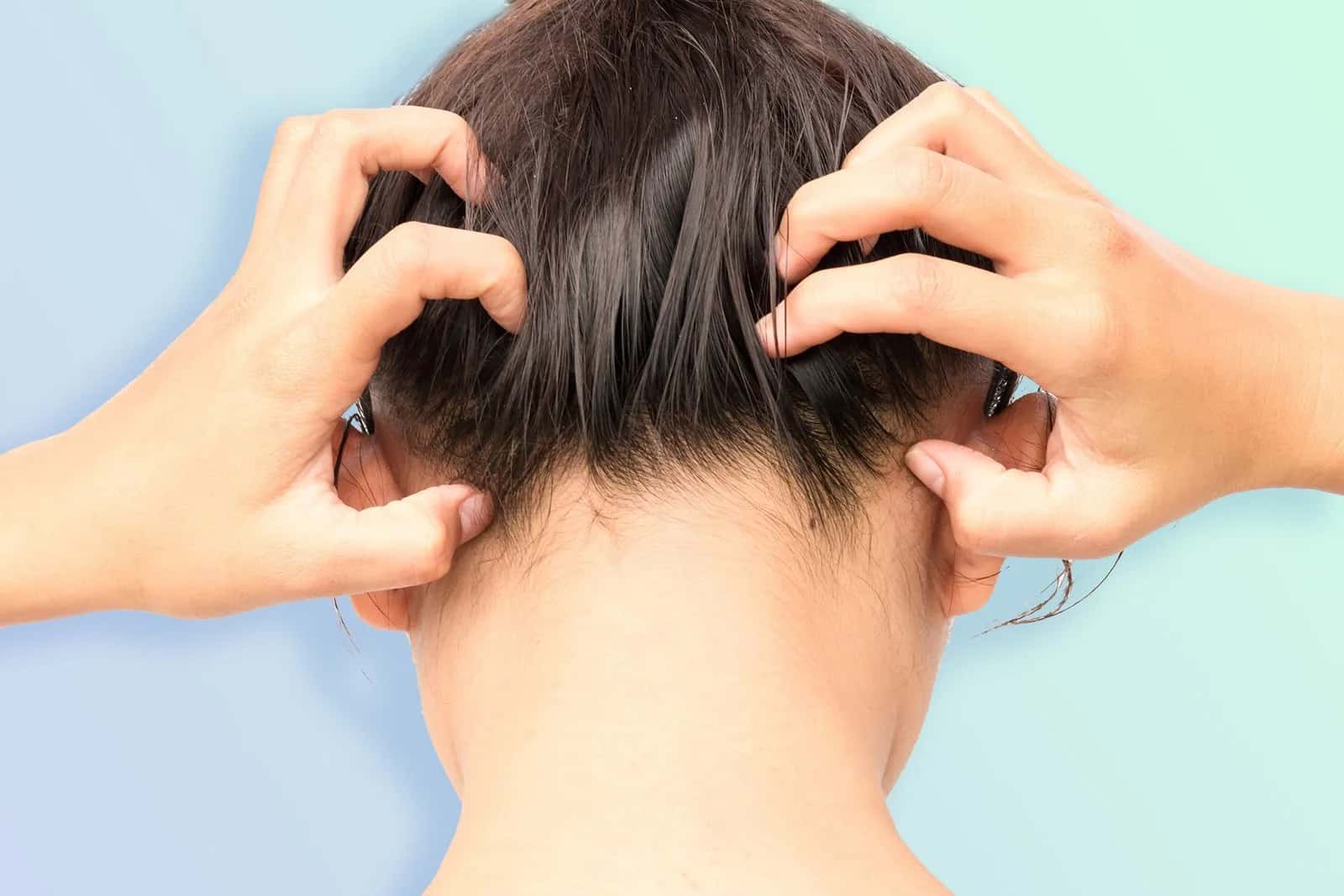
Air conditioning can dry out your scalp by reducing indoor humidity and affecting the skin's ability to maintain adequate moisture. Prolonged exposure to dry, cooled air may contribute to itching, flaking, tightness, and irritation, particularly when the scalp is already sensitive or prone to dryness.
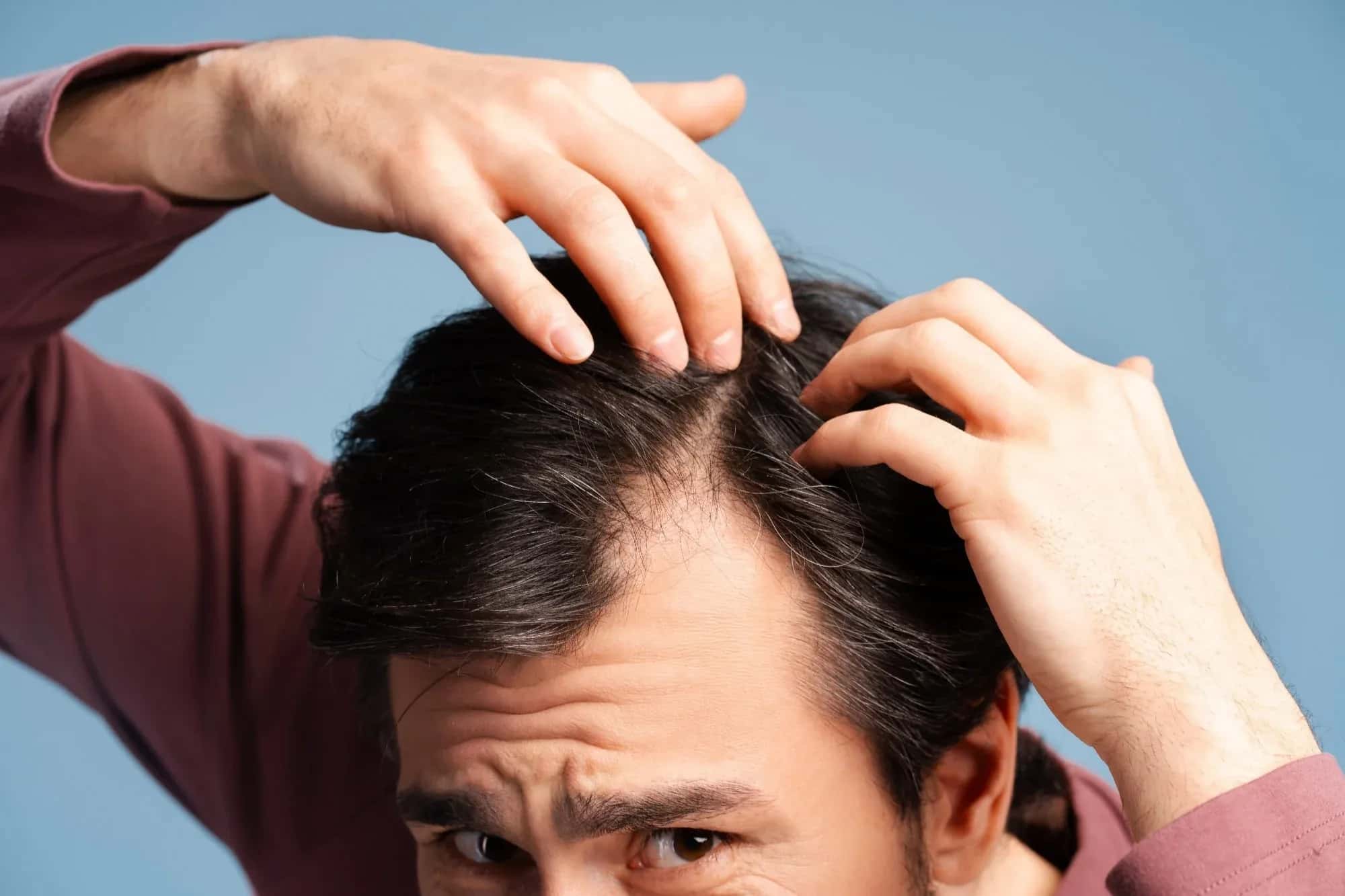
Certain dietary supplements can cause hair loss when taken in excessive amounts, particularly products containing high doses of vitamin A, selenium, or other concentrated nutrients. While supplements can help correct nutritional deficiencies that affect hair growth.

Spironolactone for female hair loss can help slow progressive thinning and improve hair density by reducing the effects of androgens on sensitive hair follicles. Although this prescription medication is not specifically approved for hair loss, clinical research supports its use in selected women.
Subscribe to the Medifinder newsletter and never miss our latest content.