










Hair Transplant in the United States
Explore hair transplant costs in the United States, FUE and FUT techniques, surgeon credentials, clinic standards and key checks before booking treatment.

- Last updated
- 124 reads
- 9 min read



Hair restoration has moved well beyond the obvious plugs and rigid hairlines associated with older procedures. Today, clinics across the United States use refined grafting methods to rebuild receding hairlines, add coverage to thinning areas and restore facial hair. The country offers experienced physicians, established medical regulation and the convenience of receiving follow-up care without travelling overseas. That convenience comes at a price, however. A hair transplant in the United States can cost considerably more than treatment in many medical-tourism destinations. Before booking, you should understand what the operation involves, how clinics calculate the fee and who will perform each stage of the procedure.
What Is a Hair Transplant in the United States?
A hair transplant moves healthy, growing follicles from a donor area to a thinning or bald area. Surgeons usually take donor hair from the back and sides of the scalp, where follicles often resist the processes responsible for pattern hair loss. The transplanted follicles continue growing in their new location after the scalp heals.
The procedure does not create new follicles or restore the density you had before hair loss began. Instead, the surgeon redistributes a limited supply of donor hair to produce the strongest visual improvement. Hair color, texture, curl, thickness and the contrast between the hair and scalp all affect the final appearance.
U.S. clinics also perform eyebrow, beard and scar-related transplantation. The same basic principle applies, although the direction, angle and type of hair required can change significantly.
Why Patients Choose Treatment in the United States
Convenience remains one of the clearest advantages. You can attend an in-person consultation, return to the clinic when a concern develops and complete follow-up without arranging international flights. You may also find it easier to verify the doctor’s licence, certification and disciplinary history.
The United States offers clinics in major markets such as New York, Miami, Los Angeles, Chicago, Houston and Boston, but a prestigious address does not guarantee a better result. A small physician-led practice may provide more personal attention than a large commercial centre. The individual surgeon, clinical plan and level of involvement matter more than the city.
FUE and FUT Offer Different Approaches
Follicular unit extraction, commonly called FUE, removes small follicular units individually from the donor area. The technique leaves many tiny circular marks rather than one long linear scar. Patients who prefer shorter hairstyles often explore FUE, although close shaving may still reveal changes in the donor area.
Follicular unit transplantation, or FUT, removes a narrow strip of hair-bearing scalp. The team separates that strip into individual grafts before placement. FUT leaves a linear scar, but it may allow the clinic to collect a substantial number of grafts while preserving other donor areas for future sessions.
Neither option automatically produces better growth. The surgeon should consider donor density, scalp characteristics, hairstyle, previous procedures and long-term hair-loss progression. Modern transplantation can achieve natural-looking results with either individual extraction or strip harvesting when the team plans and performs the procedure carefully.
How Much Does a Hair Transplant Cost in the United States?
A practical planning range for a U.S. hair transplant often runs from approximately $6,000 to $15,000. Smaller sessions may cost less, while extensive work, revision surgery or treatment by a highly sought-after surgeon can exceed $20,000.
Clinics may calculate the price per graft or offer a fixed session fee. The number of grafts usually creates the largest cost difference. A modest hairline procedure may require around 1,000 grafts, while broader frontal and crown coverage can require several thousand. Published U.S. guidance has placed smaller cases near $6,000, medium cases around $10,000 and larger cases between roughly $12,000 and $15,000, although current quotes vary substantially by location and provider.
The quoted graft count also needs context. A graft can contain more than one hair, so 2,000 grafts do not necessarily equal 2,000 individual hairs.
What Should the Written Price Include?
Ask for a written quotation that identifies the estimated graft number, extraction method and physician responsible for the case. The document should explain whether the price includes consultation, laboratory work, medication, local anesthesia, postoperative washes and follow-up appointments.
Some practices charge separately for platelet-rich plasma treatments, sedation, additional grafts or prescription medication. Travel, accommodation and time away from work can also affect your final budget when you choose a clinic outside your home state.
Do not compare two clinics by total price until you know what each team will do. A low quote may involve fewer grafts, limited physician participation or additional charges on the procedure day.
Diagnosis Should Come Before Hairline Design
Not every type of hair loss responds to transplantation. Pattern hair loss can make someone a suitable candidate when the donor region remains strong, but inflammatory, autoimmune or scarring conditions may require treatment before surgery.
A dermatologist or hair-restoration physician should examine the scalp and determine why the hair is thinning. The assessment may include your medical history, family pattern, medication use, previous treatment and the speed of recent hair loss. Blood tests or a scalp biopsy may become relevant when the cause remains unclear.
Some patients benefit from medical treatment before transplantation. Stabilising ongoing loss can protect untreated hair and prevent an isolated transplanted area from looking unnatural later.
How to Verify a U.S. Hair Transplant Doctor
Start by confirming that the doctor holds an active licence in the state where the surgery will take place. The Federation of State Medical Boards provides DocInfo, a free public tool containing licence history, education, specialty information and publicly available disciplinary actions.
You can then verify any claimed specialty certification through the American Board of Medical Specialties. Dermatology and plastic surgery represent two common training backgrounds among hair-restoration physicians, although doctors from other fields may also practise in this area.
The American Board of Hair Restoration Surgery offers an additional directory focused specifically on hair-restoration knowledge and experience. Treat that as another research layer rather than a replacement for state licensure or recognised specialty checks.
Ask Who Will Actually Perform the Procedure
Hair transplantation involves more than the surgeon drawing a hairline. The team must extract follicles, prepare grafts, create recipient sites and place the grafts at suitable angles and depths.
Ask which stages the physician performs personally and which tasks trained assistants handle. You should also know whether the surgeon remains on site and supervises your case throughout the day.
This question becomes particularly important at clinics that schedule several procedures simultaneously. A familiar brand name may advertise the service, but the individual medical team will determine your experience.
Natural Results Depend on Long-Term Planning
A youthful hairline may look attractive in a digital simulation, but it must also suit your face years later. The surgeon should preserve enough donor hair for future thinning and avoid placing the frontal line so low that later loss creates an unnatural pattern.
Review before-and-after photographs of patients with hair texture and loss patterns similar to yours. Look for results taken after full growth, not only close-up images captured under flattering lighting. The donor area deserves equal attention because aggressive extraction can leave visible thinning.
A thoughtful clinic will discuss limitations openly. It should not promise unlimited grafts, complete density or a guaranteed outcome.
Recovery and Growth Take Time
Hair transplantation usually takes place with local anesthesia, sometimes combined with sedation. The length of the appointment depends on the technique and number of grafts. Patients often take things easy during the first day or two, although the clinic will provide instructions based on the scale of the procedure.
Crusting, redness, tenderness and temporary swelling can develop during early healing. Transplanted hairs commonly shed within the first several weeks, which can surprise patients who were not prepared for the normal growth cycle.
Visible growth develops gradually. Many patients notice meaningful change between six and nine months, while some wait approximately a year to see the more mature result.
Risks Should Remain Part of the Conversation
Hair transplant surgery can cause bleeding, infection, scarring, numbness, uneven growth or loss of grafts. Existing hair can also continue thinning around the transplanted area. A poor long-term plan may therefore create patchiness even when the grafts themselves grow.
Ask how the clinic handles unexpected healing, low graft growth or dissatisfaction with the design. The revision policy should explain which costs the practice covers and which expenses remain your responsibility.
Finding U.S. Hair Transplant Clinics Through MediFinder
MediFinder can make the first research stage more manageable by bringing U.S. doctors and hair-restoration clinics into searchable profiles. Depending on the listing, you may find treatment methods, team members, addresses, working hours, accessibility information, payment options and contact channels.
Profiles in cities including Chicago, Miami and Houston may list services such as FUE, FUT, eyebrow transplantation, beard transplantation and female hair restoration. You can use these details to create a shortlist before requesting personalised graft estimates.
Online information should begin the process rather than complete it. Verify the physician independently, arrange a medical consultation and request the surgical plan in writing.
Choosing Value Over the Lowest Quote
A hair transplant in the United States can provide access to experienced medical teams and convenient follow-up, but the wide range of clinics requires careful comparison. Price matters, yet it tells only part of the story.
The best offer clearly identifies the physician, graft plan, technique and total cost. It also protects the donor area and accounts for future hair loss. When a clinic welcomes detailed questions and sets realistic expectations, you gain something more valuable than a discounted procedure: a plan designed to look natural well beyond the first year.
Frequently Asked Questions
How much does a hair transplant in the United States cost?
Many procedures cost between approximately $6,000 and $15,000. Large sessions, revision cases and premium practices may charge more than $20,000. The number of grafts and surgeon’s fee usually have the greatest effect on price.
Is FUE more expensive than FUT?
FUE often costs more because the team extracts follicles individually and the procedure can require additional time. The final difference depends on the clinic, graft number and complexity of the donor area.
Does health insurance cover a hair transplant?
Patients usually pay for elective cosmetic hair restoration themselves. Coverage may differ when reconstruction follows an injury, burn or medical condition, so you should request a written decision from your insurer.
How many grafts will you need?
The answer depends on the size of the thinning area, donor density, hair thickness and desired coverage. A doctor should examine the scalp before providing a realistic range.
Are transplanted hairs permanent?
Follicles taken from a stable donor region can provide long-lasting growth. However, untreated hair may continue thinning, which is why long-term planning and medical management remain important.
Can women receive hair transplants?
Yes. Some women with suitable donor hair and a transplant-responsive pattern can undergo the procedure. A proper diagnosis matters because diffuse or scarring hair loss may require a different approach.
When can you return to work?
Many patients return to non-physical work within several days, but visible redness, crusting or swelling may last longer. Your clinic should provide advice based on the procedure size and your occupation.
How long does it take to see the final result?
New growth usually becomes noticeable after several months. Many patients see substantial improvement by six to nine months, while final maturation may take approximately 12 months.
How can MediFinder help with your search?
MediFinder allows you to explore available U.S. clinic profiles, compare published treatments and contact providers. You should still verify the doctor’s licence, credentials and procedure plan independently.
Sources:
- Last updated
- Language
- English
How did you find this article?
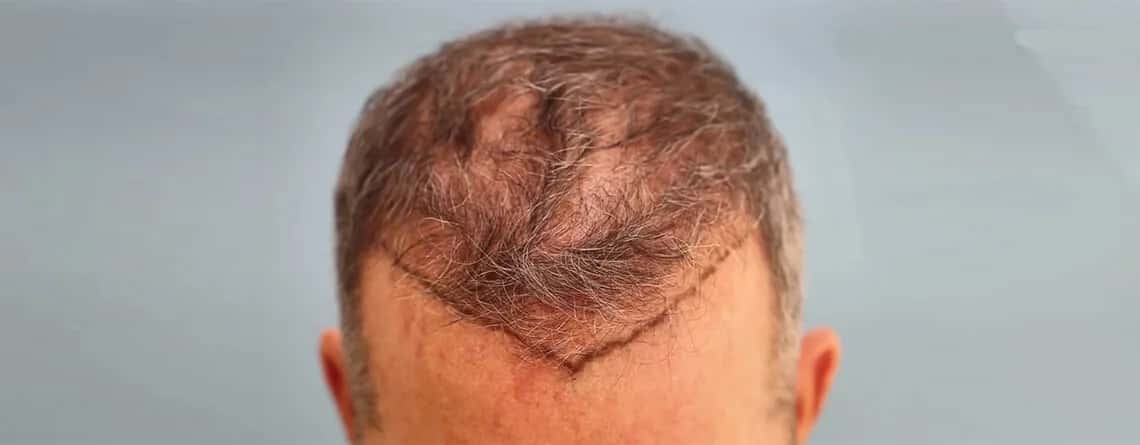
A hair transplant can look thinner in photos than it appears in person because lighting, camera angles, hair length and scalp visibility influence how the hair is captured.


Hiding a hair transplant during recovery requires balancing personal privacy with the need to protect newly implanted follicles.
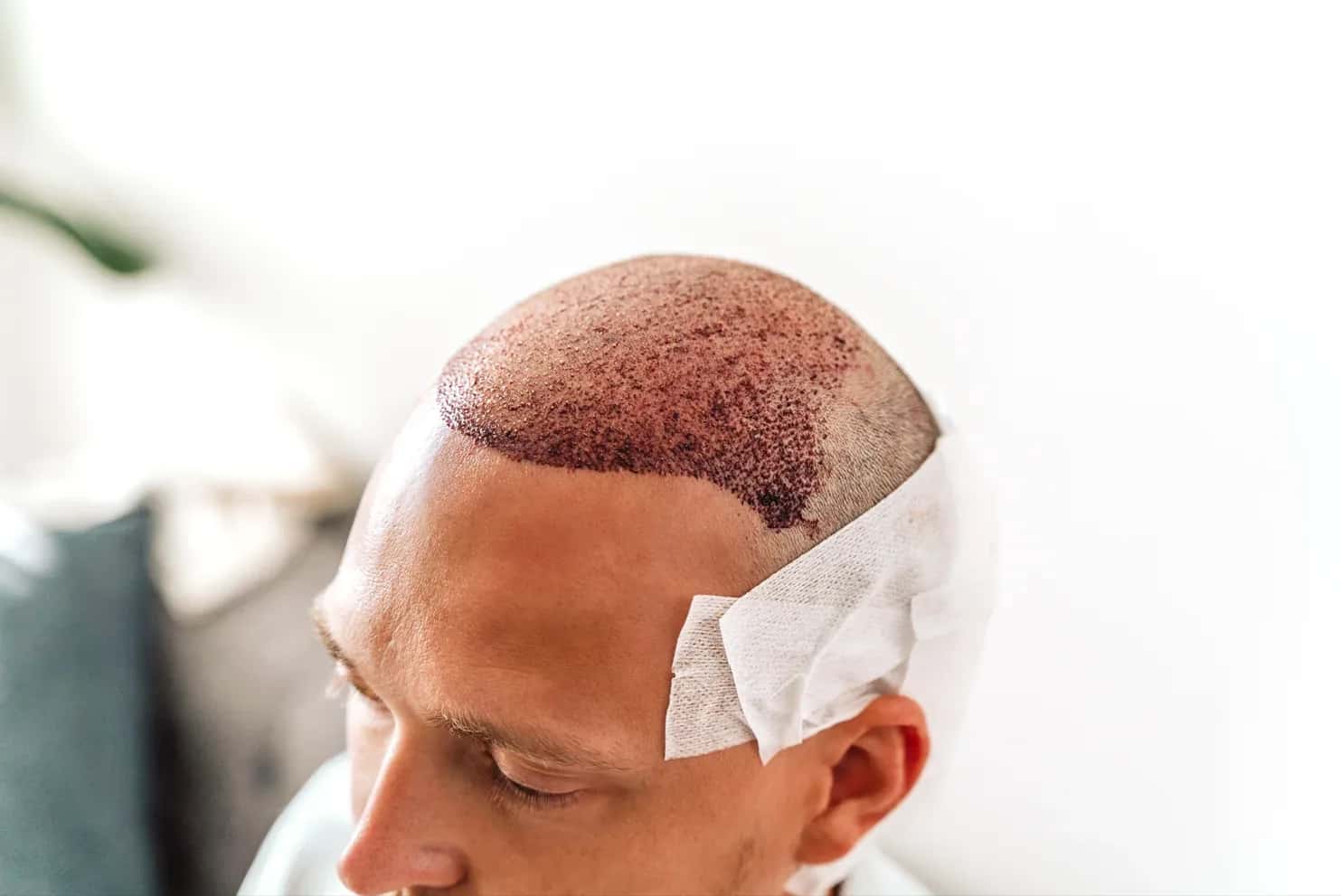
Returning to work after a hair transplant requires careful planning to protect newly implanted follicles while allowing the scalp to heal comfortably.

Subscribe to the Medifinder newsletter and never miss our latest content.