










Hair Transplant for 4B Textured Hair: Planning, FUE, Density, and Results
This guide explains how hair transplantation for 4B textured hair requires careful planning around tight curl patterns, follicle shape, donor preservation, extraction technique, density, and natural hair direction.

- Last updated
- 49 reads
- 10 min read
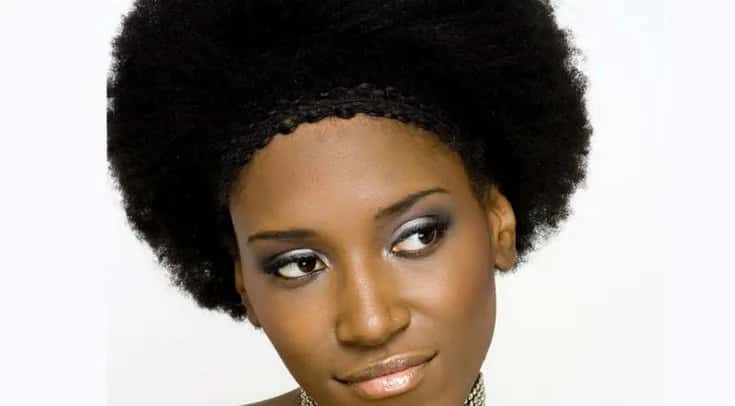


Can You Have a Hair Transplant With 4B Hair?
A hair transplant can work successfully with 4B textured hair when the procedure accounts for tight curl patterns, donor capacity, follicle shape, and natural growth direction. The visible curl can provide useful coverage, but extracting tightly curved follicles may require a more adaptive approach than extracting relatively straight follicles.
The planning process should examine the individual scalp rather than rely only on the 4B label. Two people with similar visible curls can still have different follicular paths beneath the skin. This variation influences extraction difficulty, donor management, punch selection, and how the transplanted grafts should enter the recipient area.
What Makes 4B Hair Different for Hair Transplantation?
4B textured hair requires particular attention because its tightly coiled appearance can affect extraction, visual density, graft handling, and the direction used during implantation. The bends within each hair shaft also allow neighboring hairs to overlap, which can create substantial coverage after sufficient growth.
Several characteristics deserve careful assessment before transplantation:
- Tightness and consistency of the curl pattern
- Follicular curvature beneath the skin
- Donor density across the back and sides
- Average number of hairs within each graft
- Hair shaft thickness
- Natural direction of each scalp region
- Size of the recipient area
- Long-term donor preservation
These features matter more than the curl classification alone.
Does 4B Hair Curl Beneath the Scalp?
Some 4B hair follicles follow a curved path beneath the scalp, but the visible curl pattern cannot predict the exact underground follicle shape in every person. Internal curvature can range considerably, even among people whose hair appears similarly coiled above the skin.
This variation matters because a follicle may change direction below the point where the hair shaft becomes visible. An extraction tool that follows only the surface angle can therefore intersect a strongly curved follicle.
Careful evaluation during initial graft extraction helps reveal the actual follicular architecture. The technique can then adapt to the curvature found in that specific donor area.
Why Is Follicle Curvature Important During FUE?
Follicle curvature matters during FUE because the extraction punch must separate surrounding tissue without cutting across the curved follicular unit beneath the scalp. Tightly curved follicles can make this pathway more difficult to predict than relatively straight follicles.
If the punch follows an unsuitable angle or depth, it can transect the follicle and reduce the number of intact grafts available for transplantation. Research involving tightly curled hair has demonstrated that conventional extraction approaches can produce higher transection rates in challenging follicular patterns.
An adaptive extraction strategy therefore places greater emphasis on punch control, depth, direction, and continuous assessment of extracted graft quality.
Is FUE Suitable for 4B Textured Hair?
FUE can be suitable for 4B textured hair when the extraction approach adapts to the individual follicular curvature and scalp characteristics found in the donor region. The technique removes follicular units separately, allowing the operator to distribute extraction points across a broader donor area.
The main challenge comes from preserving curved grafts while the punch travels through the scalp. Modern FUE approaches use different punch shapes, movements, and depth controls to reduce unnecessary follicular damage.
FUE suitability therefore depends less on the 4B label itself and more on how successfully the chosen extraction method follows the donor anatomy.
Is DHI Suitable for 4B Textured Hair?
DHI can be used with 4B textured hair because implantation pens allow controlled placement of prepared grafts according to planned direction, depth, and spacing. However, DHI mainly describes the implantation stage and does not eliminate the challenges associated with extracting tightly curved follicles.
The grafts still need to leave the donor region intact before implantation can begin. Once prepared, the operator can place them while considering the natural curl direction and the way neighboring hairs overlap.
The choice between DHI and another implantation approach should therefore focus on recipient-area planning. The underlying donor extraction strategy remains particularly important with tightly coiled follicles.
How Is the Donor Area Evaluated With 4B Hair?
The donor area in 4B hair should be evaluated for follicular density, curl pattern, hair thickness, graft composition, scalp characteristics, and the amount of extraction the region can safely tolerate. Strong visual density does not automatically mean an unlimited number of grafts are available.
Tightly curled hair can create excellent coverage, making the donor region appear very full even when the underlying follicular density is moderate. For that reason, direct assessment provides more useful information than appearance alone.
Extraction should also remain evenly distributed. Concentrating too many extraction points in one section can create visible thinning, especially when the person later chooses a shorter hairstyle.
How Are Grafts Extracted From 4B Hair?
Grafts from 4B textured hair are extracted by aligning the punch with the follicular path while continually checking whether the chosen depth and movement preserve complete follicular units. The process may require greater adjustment than a uniform extraction technique would provide.
An operator can examine early grafts to understand how sharply the follicles curve beneath the skin. If transection appears, the extraction angle, depth, punch design, or movement can change accordingly.
This feedback matters because follicular curvature can differ across the same donor region. Research also suggests that scalp characteristics can influence extraction difficulty alongside curl pattern, so successful harvesting requires attention to both factors.
Does 4B Hair Need a Different FUE Punch?
Some 4B hair patterns may benefit from punch designs and extraction movements that accommodate pronounced follicular curvature, although no single punch suits every tightly curled scalp. Tool selection should respond to the follicle rather than follow one universal rule.
Research on tightly curled hair has shown that specially adapted punch designs can reduce follicular transection when conventional approaches struggle with curved grafts. Modern FUE systems also use varied edges, oscillation patterns, depth controls, and other mechanisms to improve graft preservation.
The most important objective remains obtaining intact grafts while avoiding unnecessarily large donor wounds or excessive tissue trauma.
Can 4B Hair Provide Better Visual Coverage?
4B hair can provide strong visual coverage because tightly coiled strands occupy more three-dimensional space and overlap neighboring hairs as they grow. This characteristic can make a transplanted area appear fuller without reproducing the original natural follicular density.
Curl alone does not guarantee density, because hair shaft diameter and the number of hairs within each follicular unit also influence coverage. Still, tightly coiled hair can use available grafts efficiently when the implantation pattern works with the natural texture.
The final visual effect becomes clearer after the transplanted strands gain length. Very short 4B hair may show less of this coverage advantage during early growth.
How Many Grafts Are Needed for 4B Textured Hair?
The number of grafts needed for 4B hair depends on the recipient area, donor density, hair shaft thickness, curl pattern, hairline position, and desired visual coverage. A universal graft number cannot accurately describe every 4B hair transplant.
Strong curl can sometimes create substantial coverage from a moderate graft density because each strand occupies more visible space after growing. However, large areas of advanced hair loss can still require significant donor resources.
The plan should therefore balance frontal density with future needs. Using excessive grafts in one session may reduce the donor reserve available if native hair continues thinning later.
How Is a Natural Hairline Designed for 4B Hair?
A natural hairline for 4B textured hair should respect facial proportions, age, curl direction, donor capacity, and the way tightly coiled strands behave at the frontal edge. The design should avoid creating a rigid line that looks artificially manufactured.
Single-hair grafts can soften the leading edge, while stronger multi-hair units can support density farther behind it. The implantation angles should also anticipate how the curl will sit once the strand gains length.
A hairline drawn too low can consume unnecessary grafts and make future restoration more difficult. Long-term balance usually creates a more convincing result than pursuing the lowest possible frontal position.
How Are Single and Multi-Hair Grafts Used With 4B Hair?
Single-hair grafts usually form the soft frontal transition, while multi-hair grafts add stronger visual density behind the hairline and through the central scalp. This arrangement prevents thick follicular units from creating an abrupt or plug-like leading edge.
With 4B texture, multi-hair grafts can provide considerable visual volume because several curled strands emerge from a relatively compact follicular unit. Their placement therefore requires deliberate planning.
The strongest grafts can support areas where density matters most, while finer single units preserve natural detail around the hairline. Sorting grafts by hair count helps combine softness at the front with efficient coverage behind it.
Can 4B Hair Be Transplanted Without Shaving?
A 4B hair transplant can sometimes be performed with limited shaving, although tightly coiled hair may make donor access and graft organization more complex when surrounding strands remain long. The feasibility depends on the required graft number and donor-area accessibility.
Keeping some hair longer can make the early recovery period easier to conceal. It also preserves the visible curl pattern during planning, which may help when evaluating natural direction.
However, no-shave transplantation does not inherently improve graft survival or density. The extraction process still needs clear access to each target follicle, especially when the operator must carefully follow a potentially curved underground pathway.
Does Tight Curl Affect Transplanted Hair Direction?
Tight curl strongly influences how transplanted hair should be directed because the final strand bends beyond its initial exit angle and interacts with neighboring curls as it lengthens. Implantation must therefore consider more than where each hair first leaves the scalp.
Poorly coordinated directions can cause curls to cross awkwardly or sit differently from the surrounding native hair. Correct orientation allows the transplanted strands to combine naturally and strengthens the visual coverage created by the curl.
Different scalp regions also follow different patterns. The frontal zone, temples, mid-scalp, and crown require direction changes that should reflect the original architecture rather than one repeated implantation angle.
Can 4B Hair Experience Shock Loss After a Hair Transplant?
4B textured hair can experience temporary shock loss after transplantation, just like other hair types, because surgery can temporarily disturb transplanted and nearby native follicles. The visible texture does not protect follicles from changes in their normal growth cycle.
Transplanted hair shafts commonly shed during the early weeks while the follicles remain within the scalp. Some vulnerable native hairs can also shed temporarily around the recipient area.
This stage can make the transplant look thinner before new growth begins. The appearance does not necessarily indicate graft failure. New growth develops later as surviving follicles return to active production and gradually restore visible coverage.
When Does Transplanted 4B Hair Begin Growing?
Transplanted 4B hair usually begins producing noticeable new strands several months after surgery, following the initial shedding and resting phases of the hair cycle. Early growth often appears uneven because individual follicles restart at different times.
The first new hairs may look fine or less tightly defined while they remain short. Their familiar texture becomes easier to appreciate once the strands gain additional length and mature.
Visible density builds gradually rather than appearing at once. The scalp may therefore look relatively sparse during the early months even when the follicles remain healthy. Comparing progress month by month provides a more useful picture than judging individual early hairs.
Will Transplanted Hair Keep Its 4B Texture?
Transplanted hair generally retains the characteristics of the donor follicles, including their genetically influenced curl pattern and hair shaft properties. Moving a follicle to the frontal scalp does not intentionally convert tightly coiled donor hair into permanently straight hair.
Early strands can temporarily appear different because new hairs emerge short, fine, and immature. As the hairs lengthen and complete further growth cycles, their natural texture usually becomes easier to recognize.
The recipient location can influence how the hair sits visually, but the follicle continues producing hair based largely on its original characteristics. This makes donor selection important when creating a consistent overall texture.
How Long Does a 4B Hair Transplant Take to Mature?
A 4B hair transplant generally develops over many months, with substantial improvement during the first year and further maturation possible as individual hairs gain length and thickness. Early shedding usually occurs before meaningful new growth becomes visible.
New strands begin emerging gradually, then strengthen as follicles continue their growth cycles. With tightly coiled hair, additional length can dramatically change perceived density because the curls begin overlapping more effectively.
The crown may take longer to appear mature than the frontal region. Final assessment should therefore consider not only how many hairs have emerged, but also whether those hairs have reached enough length to display their natural curl.
What Determines a Natural 4B Hair Transplant Result?
A natural 4B hair transplant result depends on preserving curved grafts, managing the donor area carefully, reproducing natural directions, and distributing available follicular units according to their visual purpose. The curl pattern provides useful coverage, but thoughtful placement determines whether that advantage looks convincing.
Successful planning avoids treating every tightly coiled follicle as anatomically identical. Follicular curvature and scalp characteristics can vary within the same person, so extraction may require continuous adaptation.
Once extraction protects graft quality, careful hairline design and direction allow the growing curls to blend naturally with surrounding hair rather than appearing separately implanted.
- Last updated
- Language
- English
How did you find this article?
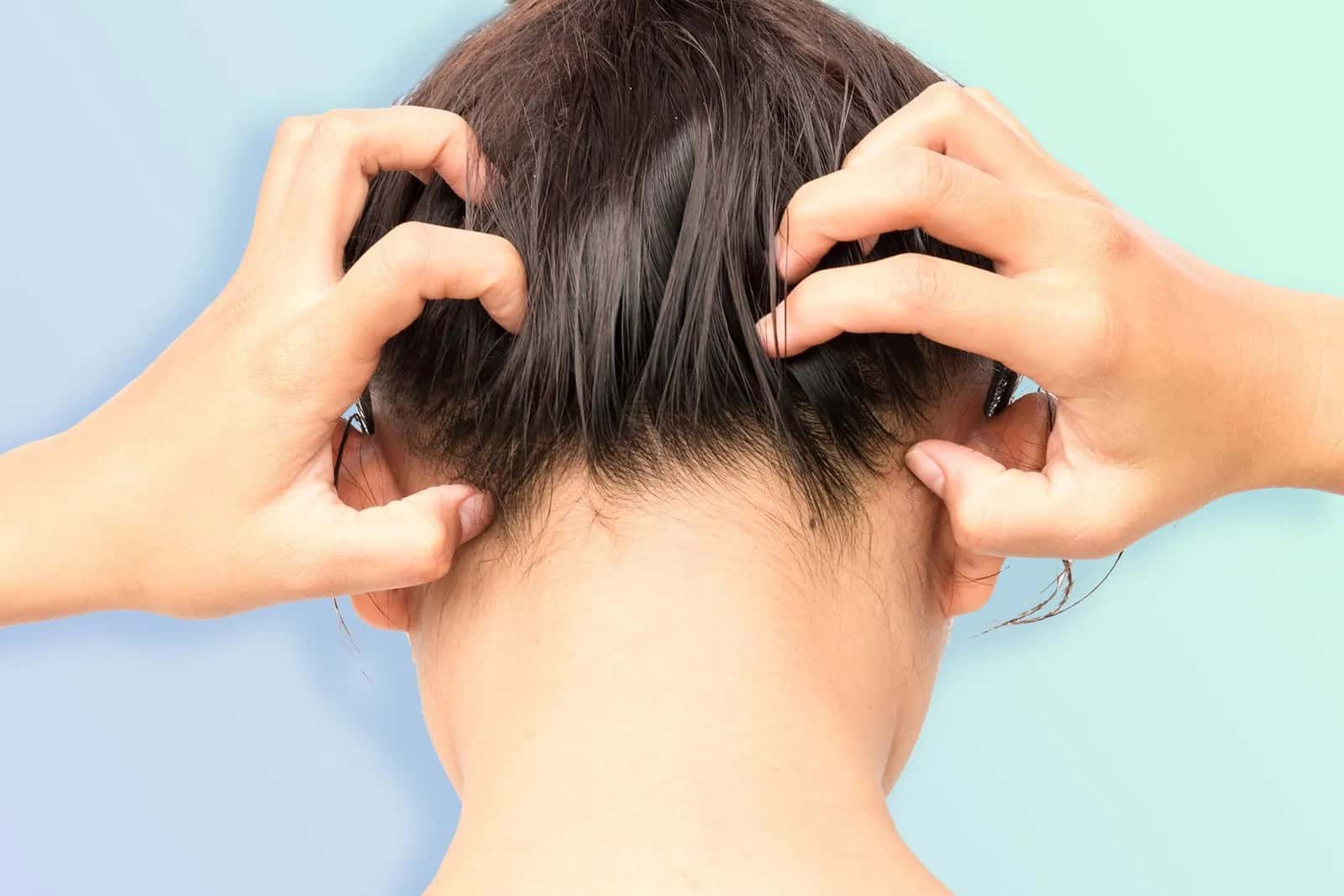
Air conditioning can dry out your scalp by reducing indoor humidity and affecting the skin's ability to maintain adequate moisture. Prolonged exposure to dry, cooled air may contribute to itching, flaking, tightness, and irritation, particularly when the scalp is already sensitive or prone to dryness.
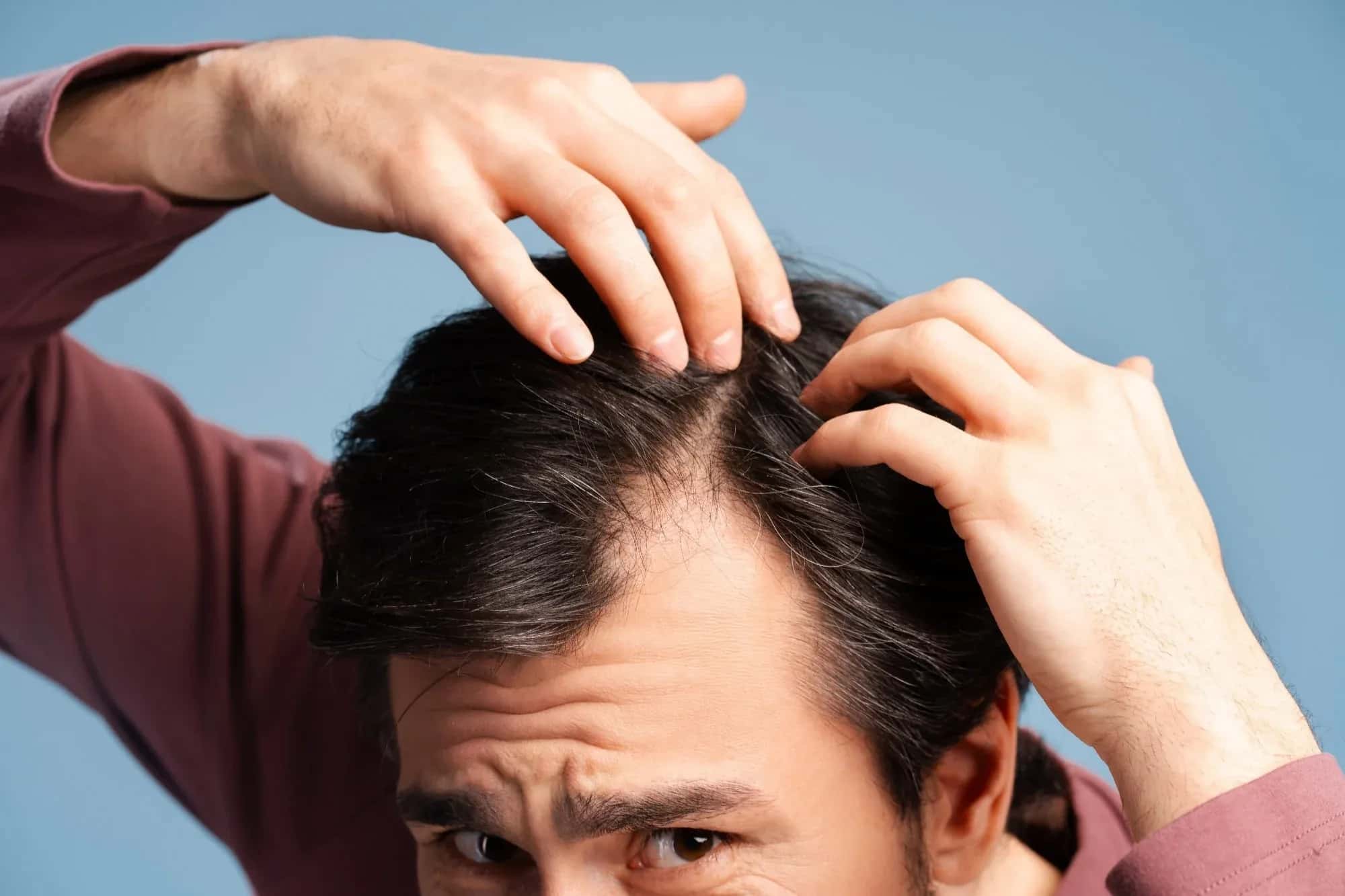
Certain dietary supplements can cause hair loss when taken in excessive amounts, particularly products containing high doses of vitamin A, selenium, or other concentrated nutrients. While supplements can help correct nutritional deficiencies that affect hair growth.

Spironolactone for female hair loss can help slow progressive thinning and improve hair density by reducing the effects of androgens on sensitive hair follicles. Although this prescription medication is not specifically approved for hair loss, clinical research supports its use in selected women.
Subscribe to the Medifinder newsletter and never miss our latest content.