










Hair Transplant During Ramadan
This guide explains how to plan a hair transplant during Ramadan while balancing fasting, hydration, sleep, medication, prayer routines, recovery, and social commitments.

- Last updated
- 60 reads
- 12 min read
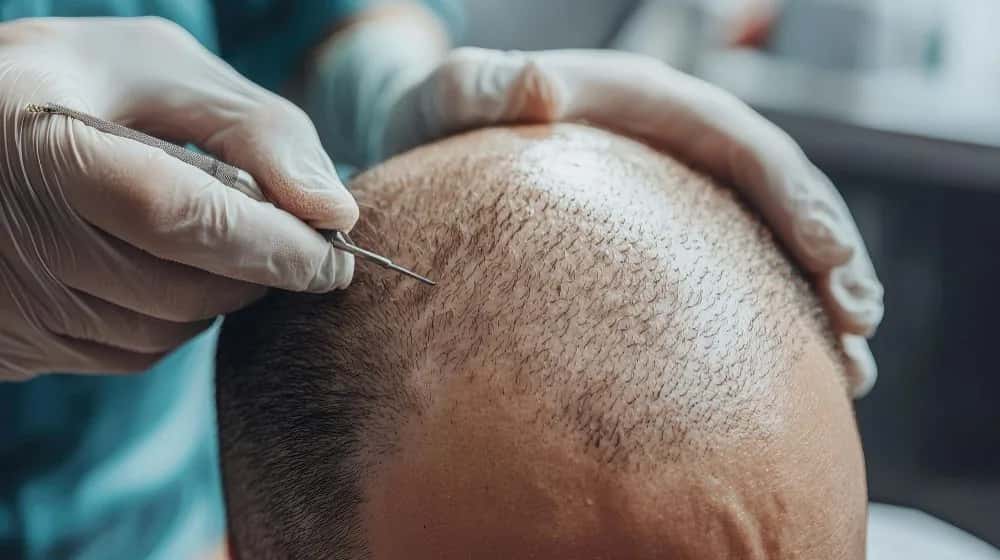


Can You Get a Hair Transplant During Ramadan?
A hair transplant can be performed during Ramadan when fasting, hydration, sleep, medication, and recovery are planned carefully. The procedure often takes several hours, so comfort throughout the day becomes especially important. Fasting can make thirst and fatigue more noticeable during long sessions.
Ramadan routines can also change sleeping and meal patterns, which may affect energy levels. At the same time, a quieter daytime schedule may make early recovery easier. The most practical approach is to plan the treatment around the full daily routine. This includes suhoor, iftar, medication timing, transportation, rest, and the first nights of scalp protection.
Is Ramadan a Practical Time for a Hair Transplant?
Ramadan can be a practical time for a hair transplant when the first recovery days are free from heavy work, travel, and demanding social plans. The month often creates a different daily rhythm, which can work well for recovery when daytime activity is lighter. However, fasting limits fluid intake and may increase tiredness during warm or long days. Evening gatherings can also reduce sleep if the schedule becomes too busy. The best results from a practical standpoint come from treating the first days as recovery time. A calm routine gives the scalp time to settle while making fasting easier to manage.
Can You Stay Fasting During a Hair Transplant?
A person may remain fasting during a hair transplant, but a long procedure can feel more physically demanding without food or fluids. Hair transplantation usually involves extended periods of sitting or lying still. As the fasting day continues, thirst, headache, or fatigue may become more noticeable. This can be especially uncomfortable during warm weather or longer fasting periods. The procedure itself does not require strenuous movement, but endurance still matters.
People who normally tolerate fasting comfortably may find the experience easier. From a practical perspective, fasting status should be considered together with procedure duration and personal tolerance.
Does Fasting Change the Hair Transplant Procedure?
Fasting does not fundamentally change how a hair transplant is performed, but it can change how the patient feels during a long treatment session.
The extraction and implantation steps remain the same. What changes is the body’s access to fluids and calories during the day. This can affect comfort, especially late in the fasting period. Long sessions may feel more tiring when hydration is limited. The practical response is better preparation rather than a different transplant technique. Sleep, suhoor, hydration before dawn, appointment timing, and post-procedure rest all become more important during Ramadan.
Does Fasting Affect Hair Transplant Healing?
Fasting does not automatically prevent normal hair transplant healing, but poor hydration and disrupted sleep can make recovery less comfortable.
The transplanted scalp still follows the same basic healing stages. Redness, crusting, tenderness, and temporary swelling can occur regardless of the month. Ramadan may influence recovery indirectly through shorter sleep and limited daytime fluids. These factors can increase tiredness or make hot weather harder to tolerate. Consistent hydration after iftar and enough total sleep can help create a steadier recovery routine. The goal is to prevent fasting from adding unnecessary physical strain during the first days.
How Should You Prepare the Night Before a Ramadan Hair Transplant?
The night before a Ramadan hair transplant should focus on hydration, balanced meals, sufficient sleep, and a simple morning routine.
Avoid turning the evening into a late social event. Drinking water gradually between iftar and bedtime is usually more comfortable than consuming a large amount at once. A balanced evening meal can help restore energy without causing heaviness. Suhoor should also be planned in advance so the morning does not feel rushed. Clothing and transportation can be prepared before sleep. The more organized the night is, the easier it becomes to start the procedure rested and physically comfortable.
What Is the Best Appointment Time During Ramadan?
The best appointment time during Ramadan is the period that creates the best balance between fasting duration, energy levels, procedure length, and evening recovery.
An early appointment may begin while energy levels are still relatively stable. However, the session can continue for several hours before iftar. A later appointment shortens the remaining fasting time afterward but begins after more hours without food or water. There is no universal time that suits every person. The most practical schedule avoids starting when fatigue is already severe and leaves enough time for a calm evening after treatment.
What Should You Eat at Suhoor Before a Hair Transplant?
A balanced suhoor should provide steady energy, moderate portions, and enough fluid without relying heavily on salt, sugar, or caffeine.
Useful choices generally include:
-
Protein for longer satiety
-
Complex carbohydrates for steadier energy
-
Fruit for fluids and natural carbohydrates
-
Vegetables for volume and micronutrients
-
Healthy fats for sustained fullness
-
Water spread across the meal
-
Moderate salt intake
-
Limited caffeine if it increases thirst
A heavy suhoor can feel uncomfortable during a long procedure. The goal is sustained energy and hydration rather than eating as much as possible before dawn.
How Should You Hydrate Before the Procedure?
Hydration should be built gradually between iftar and suhoor rather than concentrated into a single large drink before fasting begins.
Steady fluid intake is easier for the body to tolerate and reduces the feeling of being overly full. Water should remain the main source of hydration. Excessively salty foods can increase thirst the next day, while too much caffeine may make some people feel more dehydrated or restless. Keeping water nearby throughout the evening makes the routine easier. Good hydration before dawn can make a long procedure day feel considerably more manageable.
Can Dehydration Make a Hair Transplant More Difficult?
Dehydration can make the procedure more uncomfortable by increasing headache, fatigue, dizziness, dry mouth, and sensitivity to heat.
These symptoms matter because hair transplantation can last for several hours. Remaining still becomes harder when the body already feels depleted. Mild dehydration does not automatically damage transplanted grafts, but it can make the day physically more demanding. Ramadan planning should therefore begin the night before. Consistent evening hydration, moderate caffeine, and balanced meals can reduce avoidable discomfort. Warm weather also deserves attention because fluid loss can increase even before the procedure starts.
Can Low Blood Sugar Affect Comfort During the Procedure?
Low blood sugar can make a long hair transplant feel harder by contributing to weakness, shakiness, headache, or difficulty concentrating.
These symptoms can become more noticeable late in the fasting day. A balanced suhoor may help maintain steadier energy than a meal dominated by refined sugar. Protein and slower-digesting carbohydrates can support a more gradual release of energy. Very sweet foods may create a short increase followed by a stronger drop. People who often feel significantly weak while fasting should consider that pattern when choosing the timing of a long procedure.
How Should You Break Your Fast After a Hair Transplant?
Iftar after a hair transplant should begin gently with fluids and a balanced meal rather than a very heavy or highly salty feast.
The body may already feel tired after several hours of treatment. Drinking water gradually helps restore hydration without causing discomfort. A moderate meal can then provide protein, carbohydrates, vegetables, and healthy fats. Large portions may feel uncomfortable, especially after sitting for most of the day. Very salty foods can increase thirst overnight. The first evening should also remain calm so the patient can focus on hydration, scalp protection, and preparing a stable sleeping position.
What Should You Eat During Recovery in Ramadan?
Recovery meals during Ramadan should be balanced, hydrating, and easy to digest rather than built around a special hair transplant diet.
Protein supports general tissue repair, while vegetables and fruit add micronutrients and fluids. Complex carbohydrates help maintain energy during the next fasting day. Healthy fats can also improve satiety. Extremely salty meals may increase thirst, and very sugary foods can create unstable energy levels. The most useful approach is consistency across several evenings. A varied diet between iftar and suhoor supports overall recovery better than relying on one specific food or supplement.
Can You Take Hair Transplant Medication During Ramadan?
Hair transplant medication should follow the intended dosing schedule, even when Ramadan changes normal meal and sleep times.
Some medicines can fit easily around iftar and suhoor. Others may need more frequent spacing, which requires advance planning. Compressing several doses into a short overnight period can create problems. Medication that should be taken with food also needs suitable meal timing. The safest approach is to plan the schedule before the procedure rather than improvising afterward. Necessary treatment should not be altered simply to make the timing fit a fasting routine.
How Should Medication Be Timed Between Iftar and Suhoor?
Medication should be spaced according to the required interval rather than taken too close together simply because eating hours are limited.
Once-daily medication may fit easily after iftar. Twice-daily treatment may sometimes align with iftar and suhoor when the timing remains appropriate. More frequent dosing can be more complicated. The key is maintaining safe intervals and following instructions about food. Combining doses too closely can increase side effects, while skipping doses may reduce effectiveness. Medication planning should therefore be treated as part of the Ramadan schedule from the beginning.
Does Local Anesthesia Affect Ramadan Fasting?
Local anesthesia is medically compatible with hair transplantation during Ramadan, while its effect on fasting is a separate religious question.
The anesthetic is injected into the scalp to reduce discomfort during extraction and implantation. The patient generally remains awake throughout the procedure. From a medical perspective, local anesthesia is part of the treatment process. Whether injections affect the validity of a fast depends on religious interpretation. That question should be considered separately from medical planning. The practical transplant concerns remain comfort, hydration, procedure length, and recovery rather than the anesthetic changing how grafts are placed.
Can You Wash the Scalp While Fasting?
Scalp washing can be performed while fasting from a medical perspective as long as the transplanted area is handled gently.
The main concern is protecting the grafts rather than the time of day. High water pressure, scratching, and vigorous rubbing should be avoided. Lukewarm water is generally more comfortable than very hot water. If daytime fasting causes fatigue, washing can be moved to the evening when hydration and energy levels are better. The same aftercare principles apply regardless of whether the wash happens before or after iftar.
Can You Pray Normally After a Hair Transplant?
Prayer can usually continue after a hair transplant, but the first days require extra care with bending, movement, and any contact involving the scalp.
The transplanted area should not press against the floor, fabric, or another surface during early recovery. Deep forward bending may also make swelling feel more noticeable. Movements should therefore remain controlled. The main objective is to prevent accidental pressure on the grafts. As the scalp settles and tenderness decreases, normal movement becomes easier. Religious routine can continue while still respecting the temporary physical limitations created by early healing.
How Does Ramadan Sleep Affect Hair Transplant Recovery?
Ramadan can make recovery feel more tiring because late meals, early suhoor, evening activities, and prayer can divide the normal sleep period.
The first nights after a hair transplant already require an adjusted sleeping position. Fragmented sleep can make this stage more difficult. Total rest remains important even when it comes in separate blocks. A daytime nap can help when nighttime sleep is shortened. Late social activities should be reduced during the first recovery days. Good sleep does not need to occur in one uninterrupted period, but the overall schedule should still provide enough recovery time.
How Should You Sleep After a Hair Transplant During Ramadan?
You should sleep with your head elevated and keep the transplanted area away from direct pillow contact during the first nights.
Back sleeping is usually the simplest way to protect the frontal and upper scalp. A neck pillow can stabilize the head, while extra pillows can raise the upper body. Ramadan may require waking for suhoor and then returning to sleep. The sleeping setup should therefore be easy to recreate without repeated adjustments. Even when rest is divided into several periods, the same scalp protection should be maintained each time.
Can You Work While Recovering During Ramadan?
Light desk work may be manageable after a hair transplant, but several quieter days can make Ramadan recovery more comfortable.
Fasting can increase fatigue, especially when sleep is interrupted. Public-facing work may also feel uncomfortable while redness or crusting remains visible. Physical jobs create additional concerns because heat, lifting, and sweating can irritate the scalp. Remote work can be easier because the environment is more controllable. A short recovery period reduces the pressure to balance work demands with fasting, washing, medication, and careful sleeping during the most sensitive days.
Can You Exercise While Fasting After a Hair Transplant?
Intense exercise should be postponed during early recovery because fasting and physical exertion can combine to increase heat, sweating, and fatigue.
Light walking is easier to reintroduce first. Running, heavy gym training, and contact sports should wait until the scalp has progressed further in recovery. Exercising before iftar can also increase thirst and dehydration. Evening exercise does not automatically become suitable just because the fast has ended. The scalp still needs protection from sweating and strain. Activity should return gradually according to healing rather than according to meal timing.
Can Hot Weather Make Ramadan Recovery Harder?
Hot weather can make Ramadan recovery more demanding because fasting limits daytime fluid intake while heat increases thirst and sweating.
This combination can leave the patient more tired and make the scalp feel itchy. Direct sunlight can also increase sensitivity around recently treated skin. Spending more time in cool indoor environments can reduce these effects. Outdoor errands are easier during cooler hours when possible. Heat does not automatically damage transplanted follicles, but it can make recovery less comfortable and increase the temptation to touch or scratch the scalp.
Can You Attend Iftar Gatherings During Recovery?
Small iftar gatherings may be manageable after a hair transplant, but crowded events are better limited during the earliest recovery period.
Busy settings increase the chance of accidental head contact. Long evenings can also reduce sleep and interfere with a calm medication or washing routine. Redness and crusting may remain visible, which some people prefer to avoid in social settings. Short gatherings close to home are easier to manage than large events requiring travel. Social activity can increase gradually as swelling, tenderness, and the need for strict scalp protection begin to decrease.
How Many Quiet Days Should You Plan After the Procedure?
Planning several quiet days after a Ramadan hair transplant can make fasting, sleep, washing, and scalp protection much easier to manage.
Complete bed rest is not necessary. Gentle walking and normal light movement can continue. However, the first days should remain free from heavy work, exercise, long outdoor trips, and crowded social events. A calmer schedule also makes it easier to adapt to elevated sleeping and careful washing. Ramadan already changes normal routines, so adding a busy recovery schedule can create unnecessary fatigue. Several low-demand days create a smoother transition back to normal activity.
Should You Schedule a Hair Transplant Before Eid?
A hair transplant should be scheduled well before Eid if you want visible redness, crusting, and early swelling to settle before celebrations.
A procedure only a few days before Eid can make travel, photographs, family gatherings, and late evenings less comfortable. The scalp may still look freshly treated. Washing and sleeping routines can also remain restrictive. Leaving several weeks before Eid gives the scalp more time to normalize and allows social plans to feel less limited. This timing is particularly useful when the holiday includes travel or large family events.
Is It Better to Have a Hair Transplant Before, During, or After Ramadan?
The most practical timing is the period that gives you the best combination of hydration, sleep, work flexibility, medication timing, and calm recovery days.
Before Ramadan, the first recovery stage can occur without daytime fasting. During Ramadan, reduced daytime activity may help, but hydration and sleep need more planning. After Ramadan, meals, fluids, and medication may be easier to spread throughout the day. None of these periods is automatically ideal for every person. The best choice is the one that allows the first days to remain organized, comfortable, and free from unnecessary physical demands.
- Last updated
- Language
- English
How did you find this article?
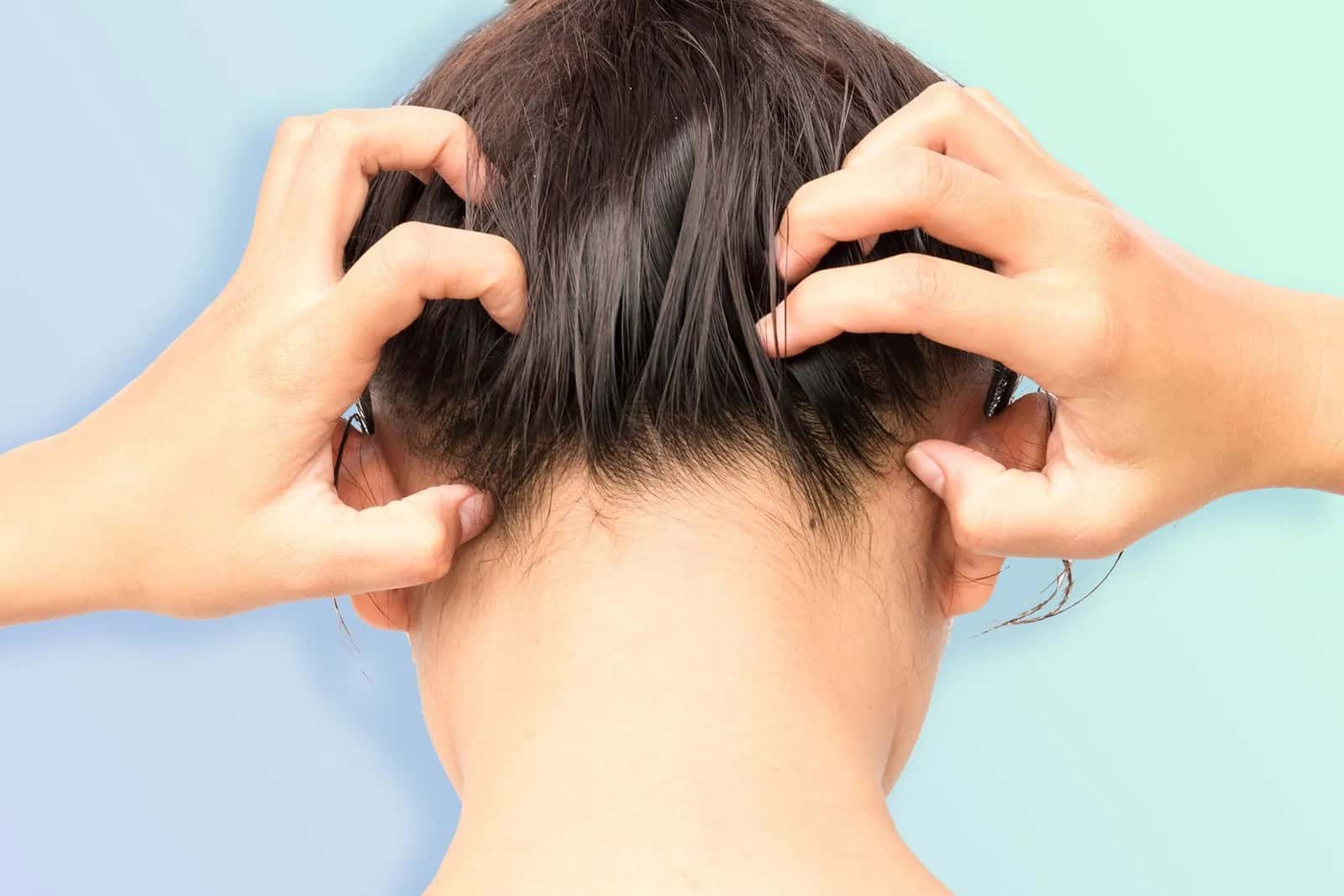
Air conditioning can dry out your scalp by reducing indoor humidity and affecting the skin's ability to maintain adequate moisture. Prolonged exposure to dry, cooled air may contribute to itching, flaking, tightness, and irritation, particularly when the scalp is already sensitive or prone to dryness.
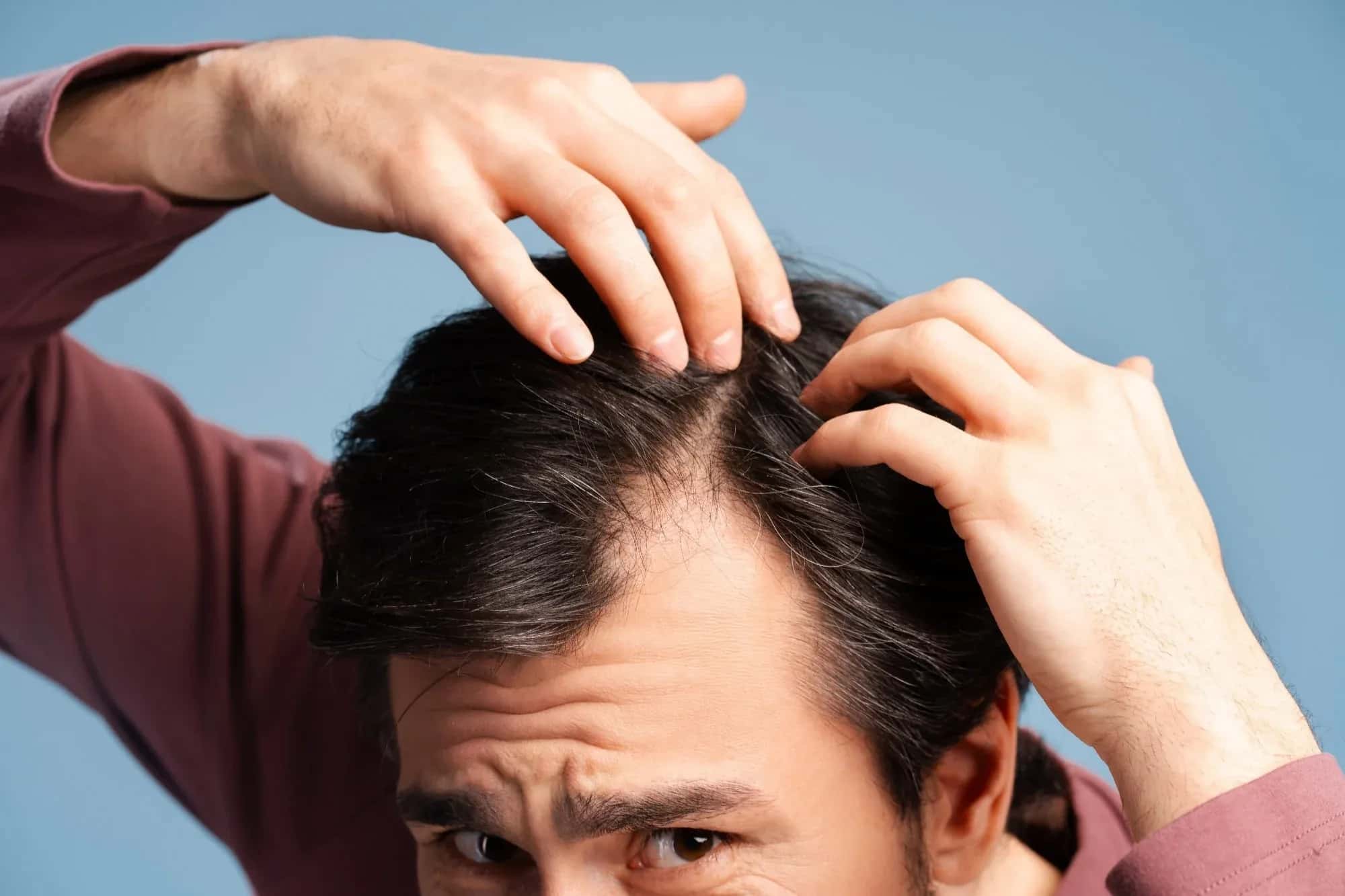
Certain dietary supplements can cause hair loss when taken in excessive amounts, particularly products containing high doses of vitamin A, selenium, or other concentrated nutrients. While supplements can help correct nutritional deficiencies that affect hair growth.

Spironolactone for female hair loss can help slow progressive thinning and improve hair density by reducing the effects of androgens on sensitive hair follicles. Although this prescription medication is not specifically approved for hair loss, clinical research supports its use in selected women.
Subscribe to the Medifinder newsletter and never miss our latest content.