










Hair Transplant Donor Area
Understand why the hair transplant donor area matters, how follicles are harvested, how recovery unfolds and what can affect its density.

- Last updated
- 75 reads
- 6 min read


The donor area determines what a hair transplant can achieve. Surgery redistributes existing hair rather than creating new follicles, so the size, density and stability of this reserve set the limits of your result.
Many people focus entirely on the recipient area and only think about the donor zone afterwards. In practice, careless harvesting can leave visible thinning at the back of the head that proves far harder to correct than a modest hairline.
This guide explains where the donor area sits, how follicles are taken, how the region heals and which factors influence long-term density.
Where is the donor area located?
The donor area usually covers the back and sides of the scalp, roughly between the ears and above the nape.
Hair in this region is often less sensitive to dihydrotestosterone, the hormone associated with pattern hair loss, which is why these follicles tend to persist when the crown and hairline thin.
The precise boundaries vary between people. Your surgeon assesses where stable hair ends, because harvesting outside that zone can produce grafts that later thin at their new location.
Body hair or beard hair is occasionally discussed as an additional source in selected cases, although these hairs differ in texture, growth cycle and survival.
Why donor assessment decides candidacy
A responsible consultation examines the donor area before discussing graft numbers or prices.
Your surgeon evaluates density in follicular units per square centimetre, hair calibre, the number of hairs per unit, scalp laxity and the contrast between hair and skin colour.
High density with thick hair allows more coverage per graft, while fine hair or low density limits what a session can deliver.
Diffuse thinning within the donor area itself is a warning sign, because harvesting from a weakening zone can produce an unstable result.
How follicles are harvested
Two main techniques remove follicles from the donor region.
In follicular unit extraction, the surgeon removes individual follicular units with small punches, leaving many tiny circular wounds spread across the area.
In follicular unit transplantation, a narrow strip of scalp is excised and the edges are sutured, producing a single linear scar.
Each follicular unit contains one to four hairs. Punch size, angle and depth must match your hair characteristics, because mismatched settings raise the transection rate and damage follicles.
Why extraction must be distributed
Removing too many follicles from one section creates visible patchiness that becomes obvious with short haircuts.
Experienced teams therefore spread extractions across the safe zone rather than concentrating them where harvesting feels easiest.
Most surgeons work within a limit of surviving density rather than a fixed number, so that the region still looks even after healing.
An extremely high graft count in a single session can indicate aggressive harvesting rather than superior technique.
How the donor area heals
Recovery in the donor region usually progresses faster than in the recipient area.
After follicular unit extraction, tiny crusts form over each extraction point and generally clear within one to two weeks.
After a strip procedure, sutures or staples stay in place for a defined period and the area feels tighter during early healing.
Tenderness, tightness, numbness and mild swelling are common in the first days and typically improve gradually over weeks to months.
Scarring after harvesting
Every harvesting method leaves some mark, because both remove tissue from the scalp.
Follicular unit extraction produces numerous small round scars, which usually stay hidden under short hair but can show if you shave the head very closely.
Follicular unit transplantation leaves a linear scar that hair generally covers, although it becomes visible with very short styles.
Visibility depends on punch size, harvesting density, healing tendency, hair colour contrast and your preferred haircut length.
Can the donor area thin over time?
Yes. Harvesting permanently removes follicles from the region, so density decreases even when the change stays subtle.
Progressive hair loss can also affect the donor zone in some people, particularly with diffuse patterns or advanced miniaturisation.
Repeated sessions accumulate this effect, which is why surgeons plan the reserve across a lifetime rather than a single procedure.
Preserving donor hair matters especially for younger patients, whose hair loss may progress considerably over future decades.
Shock loss in the donor area
Some people notice temporary shedding around the harvested zone during the first months.
This shock loss results from the surgical trauma pushing surrounding follicles into a resting phase.
In most cases these hairs recover once the scalp stabilises, usually returning over several months.
Persistent thinning that does not recover should be assessed, because it may reflect aggressive harvesting or underlying progression.
Donor area aftercare
Aftercare protects both healing and long-term appearance.
-
Follow the washing instructions from the first scheduled wash onward
-
Avoid scratching or picking at crusts
-
Keep water lukewarm and pressure low in the early days
-
Sleep in the position your clinic recommends
-
Avoid heavy sweating until cleared
-
Protect the area from direct sun
-
Avoid tight hats, helmets and collars that rub the region
-
Wait for clearance before using clippers
Smoking constricts blood vessels and can impair healing, so many clinics advise stopping during the recovery period.
When to contact your clinic
Most donor area symptoms settle predictably, although certain signs require review.
-
Severe or increasing pain
-
Spreading redness or warm skin
-
Pus, discharge or an unpleasant odour
-
Fever or chills
-
Bleeding that gentle pressure does not stop
-
Wound edges separating after a strip procedure
-
Persistent numbness beyond several months
-
Visible patchiness that does not improve
Early assessment usually resolves problems more easily than waiting for them to worsen.
Questions to ask before surgery
Donor planning deserves as much attention as hairline design.
-
How would you describe my donor density and hair calibre?
-
How many grafts can this area safely provide today?
-
How much reserve remains for future sessions?
-
How will extractions be distributed?
-
What punch size will you use and why?
-
What scarring should I expect at my usual haircut length?
-
Who performs the extraction itself?
-
How do you monitor transection during the session?
Clear answers to these questions usually indicate a team that plans for long-term appearance rather than a single result.
How can MediFinder support your research?
MediFinder helps users research clinics, doctors and treatment information. The information should be verified independently.
MediFinder does not diagnose conditions or guarantee results.
Frequently asked questions
Does hair grow back where follicles were harvested?
No. Harvested follicles do not regenerate, so density in the donor area decreases permanently even when the change looks subtle.
How many grafts can a donor area provide?
The figure depends on density, hair calibre, scalp laxity and lifetime planning, so only an in-person assessment can estimate it reliably.
Will the donor scars be visible?
FUE leaves small round marks and FUT leaves a linear scar. Visibility depends on healing, harvesting density and how short you wear your hair.
How long does the donor area take to heal?
Surface healing usually completes within one to two weeks, while numbness and tightness can take weeks to months to resolve fully.
Can I have a second transplant later?
Often yes, provided sufficient stable donor hair remains. Your surgeon should preserve reserve during the first procedure.
Is beard or body hair a real alternative?
It can supplement scalp hair in selected cases, although texture, growth cycle and survival differ from scalp follicles.
Why does my donor area look thinner after surgery?
Temporary shock loss or harvesting density may explain it. Persistent thinning should be assessed by your clinic.
- Last updated
- Language
- English
How did you find this article?
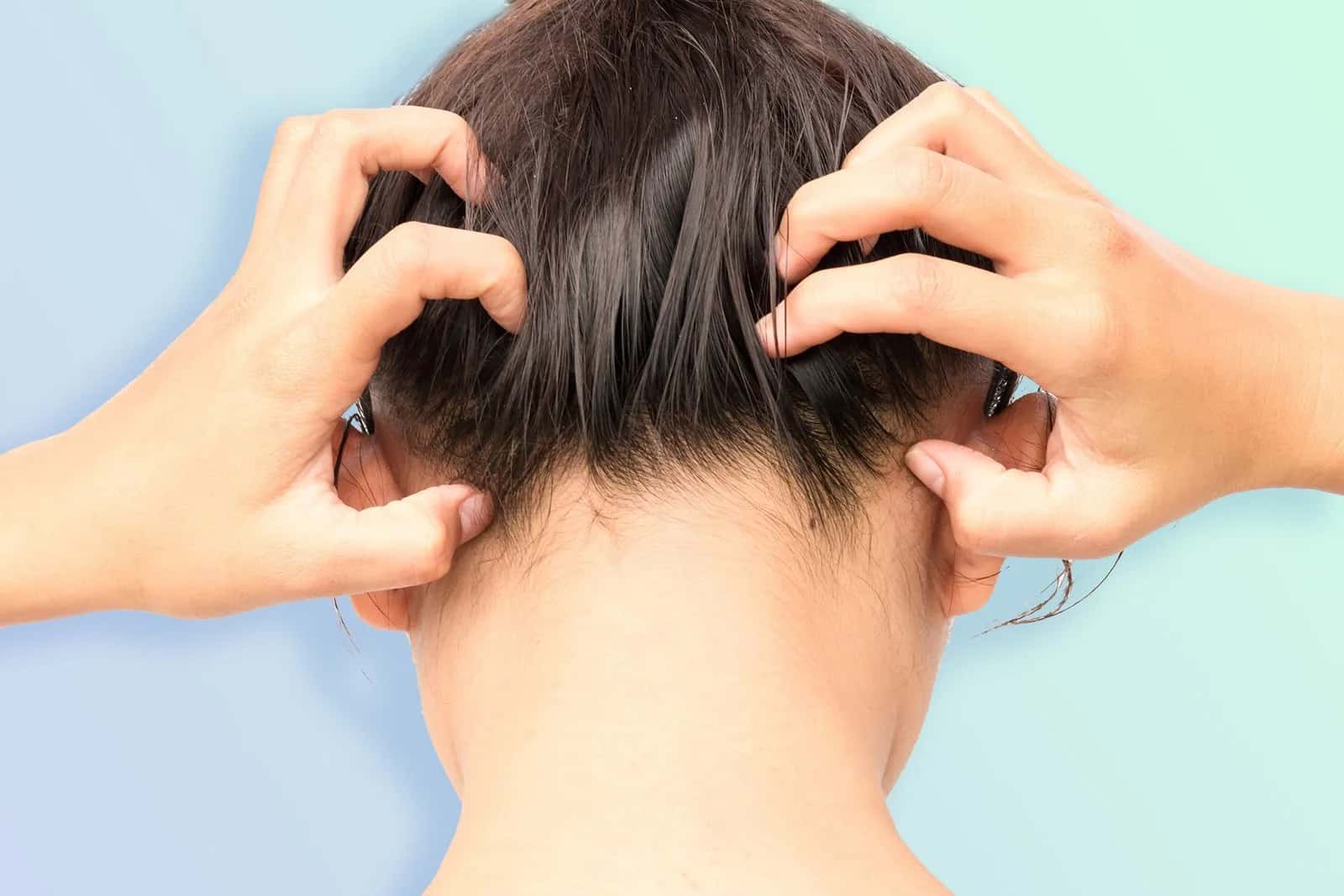
Air conditioning can dry out your scalp by reducing indoor humidity and affecting the skin's ability to maintain adequate moisture. Prolonged exposure to dry, cooled air may contribute to itching, flaking, tightness, and irritation, particularly when the scalp is already sensitive or prone to dryness.

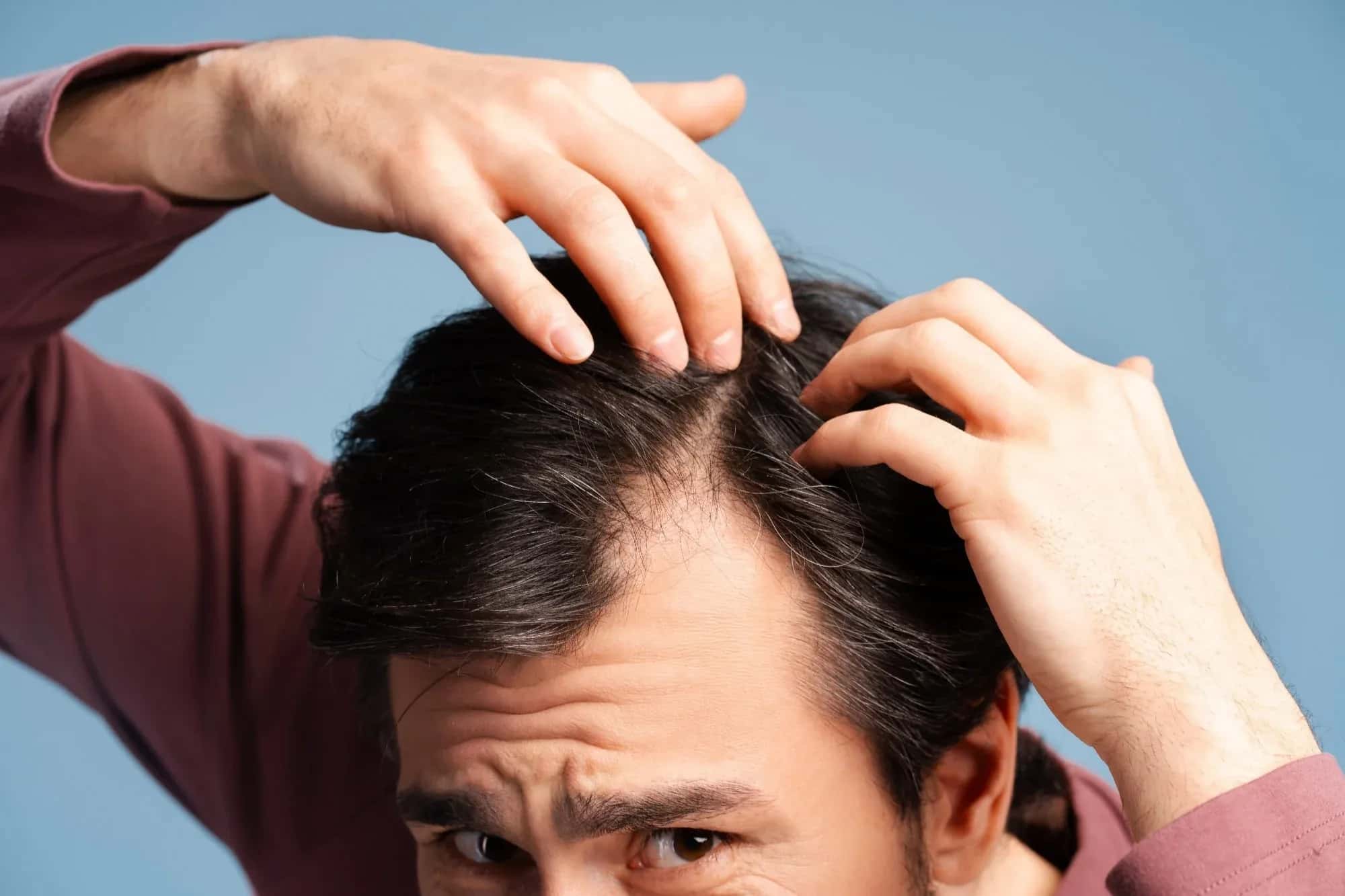
Certain dietary supplements can cause hair loss when taken in excessive amounts, particularly products containing high doses of vitamin A, selenium, or other concentrated nutrients. While supplements can help correct nutritional deficiencies that affect hair growth.

Spironolactone for female hair loss can help slow progressive thinning and improve hair density by reducing the effects of androgens on sensitive hair follicles. Although this prescription medication is not specifically approved for hair loss, clinical research supports its use in selected women.
Subscribe to the Medifinder newsletter and never miss our latest content.